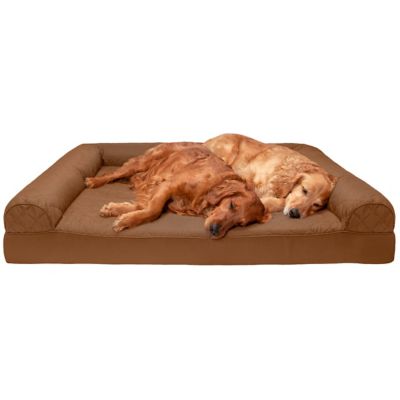
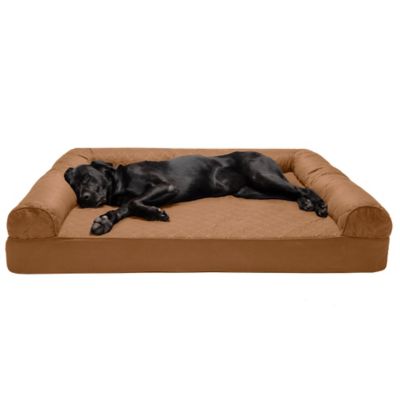
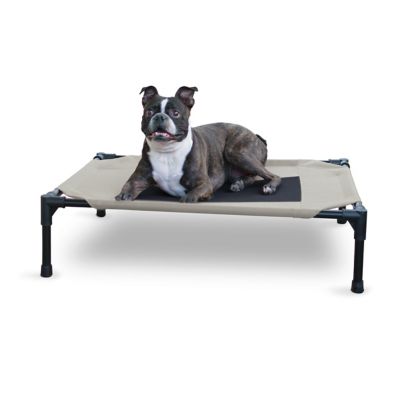
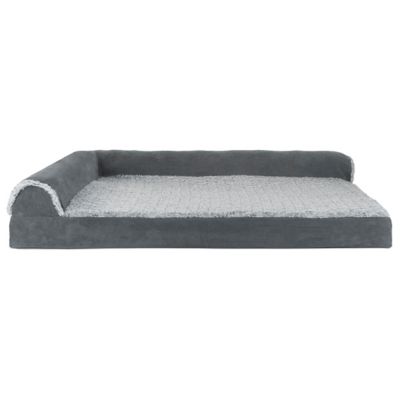
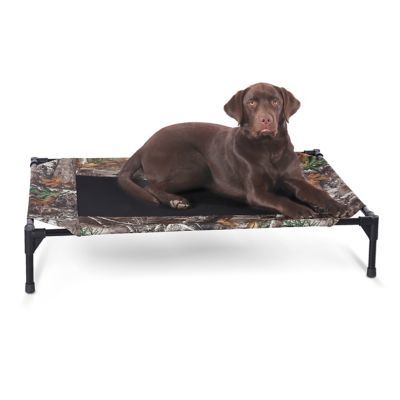
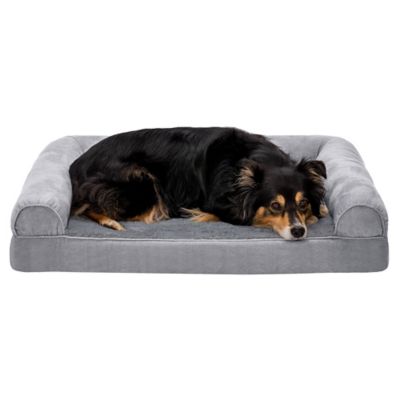
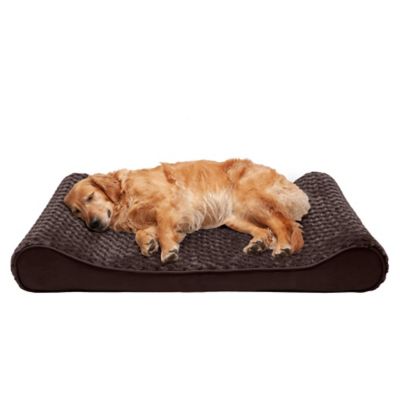
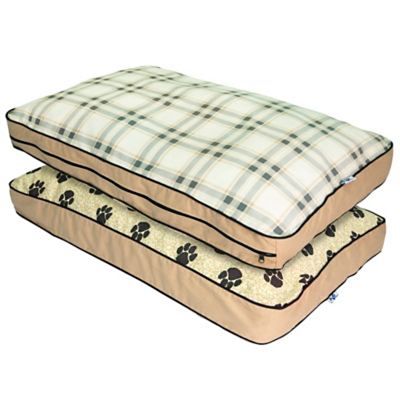
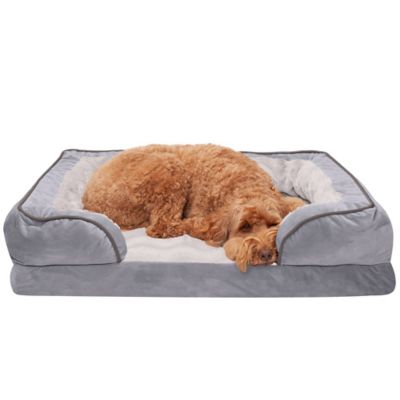
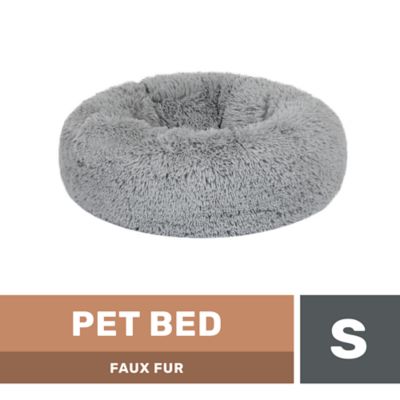
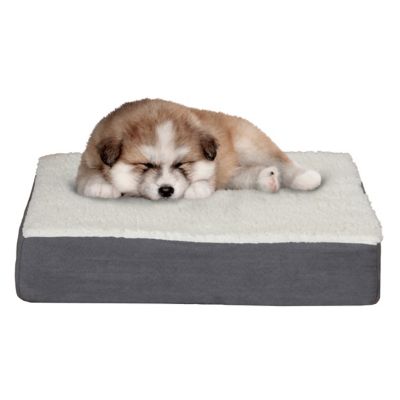
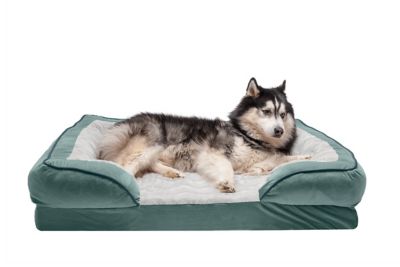
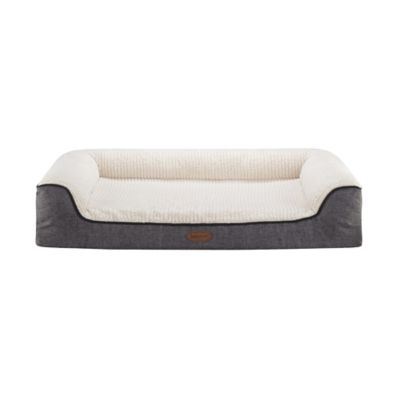
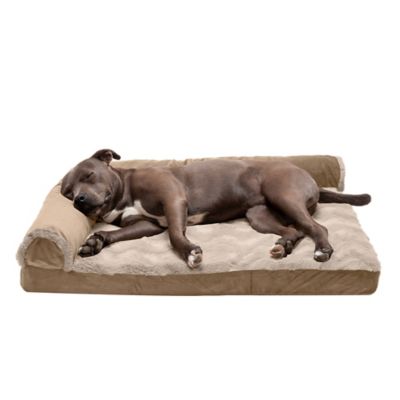
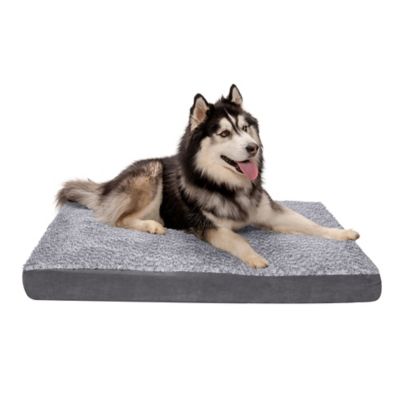
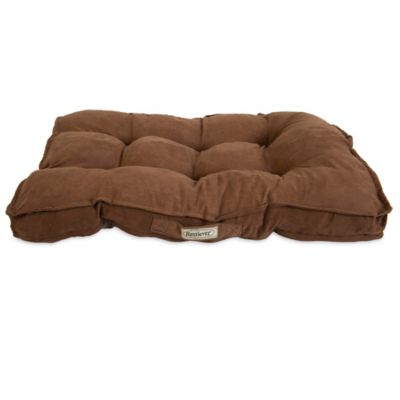
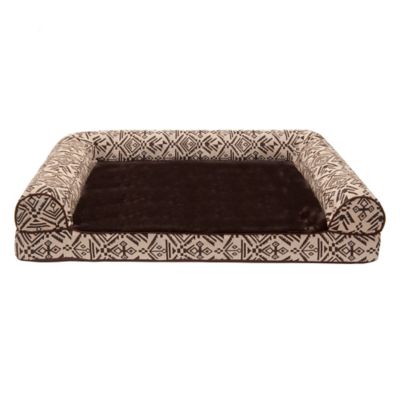
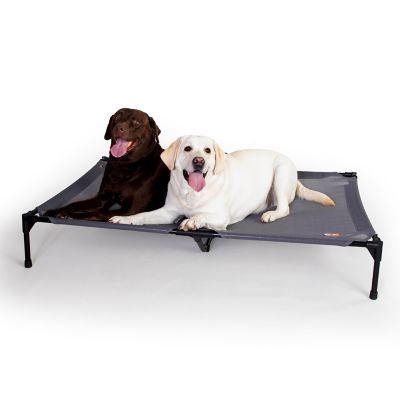
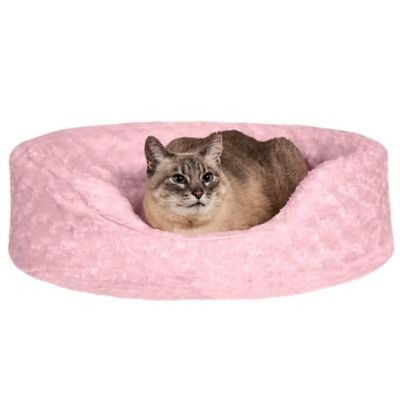
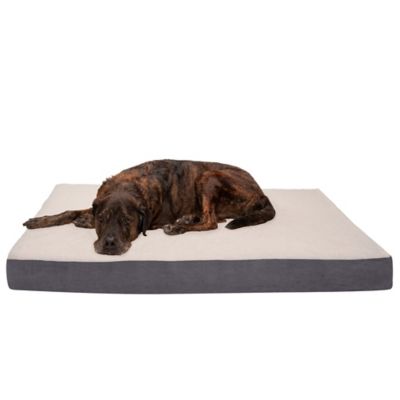
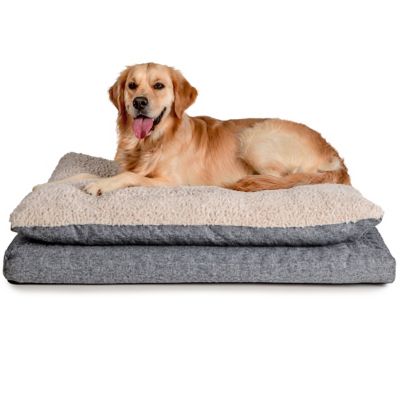
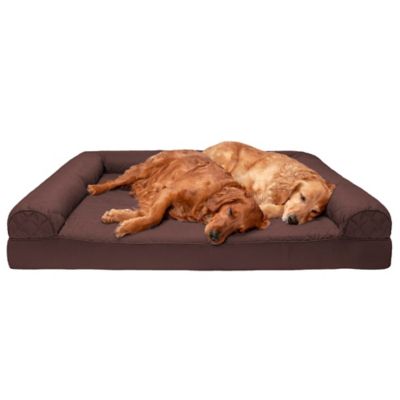
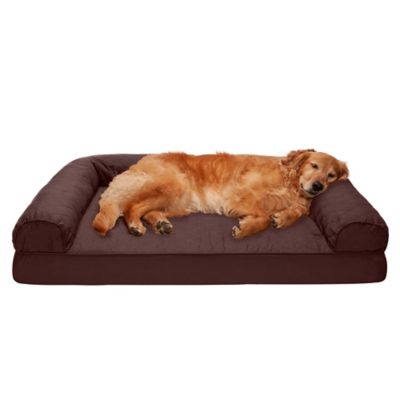
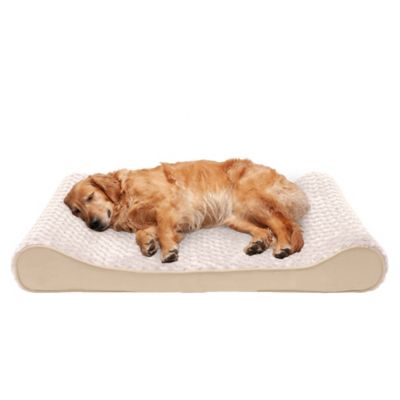
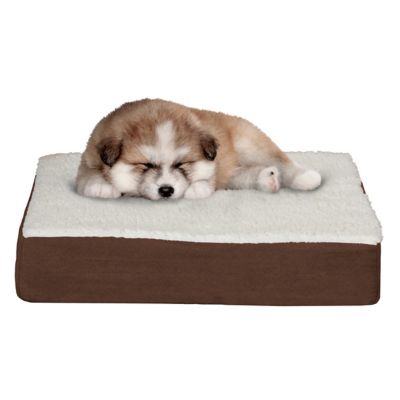
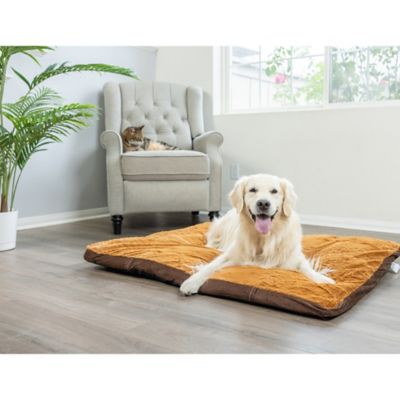
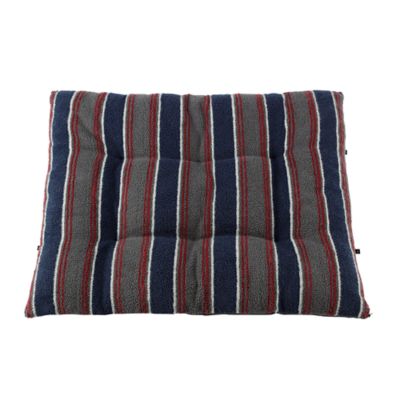
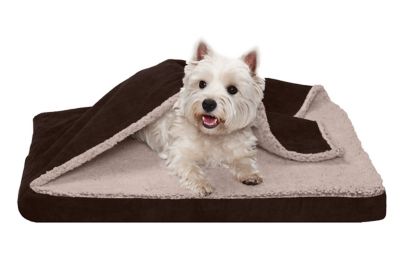
Dog beds with removable covers have an outer fabric shell that comes off for cleaning, keeping the cover separate from the inner foam or cushion. Many have machine-washable covers, making it easier to manage loose hair, dirt and everyday messes without washing the whole bed. Washability depends on the fabric and construction, though, so the care label matters just as much as the removable design. These beds give dogs a familiar place to settle beside the couch, stretch out near the kitchen or take a break after tagging along on chores. The right shape depends on how a dog rests. A dog that sleeps with all four legs stretched out needs a longer sleeping surface than one that curls into a tight ball. Raised sides give head-resters somewhere to lean, while an open, flat cushion leaves more room to sprawl. On beds with thick bolsters, the inside sleeping area can be noticeably smaller than the outside measurements. That distinction matters for broad-chested dogs and households where two pets regularly squeeze onto the same cushion. Cushion thickness and filling also affect how the bed feels under a dog’s weight. Solid foam offers a more consistent base, while loose fiber filling has a softer, nestlike feel and may need occasional fluffing. Memory foam can contour beneath a resting dog, but the amount of support still depends on the bed’s thickness, construction and weight recommendations. Older dogs or pets with limited mobility may find a lower entry easier to step across than a tall, fully enclosed edge. For puppies, a bed sized with some room to grow can make sense, provided it still fits the intended space. A comfortable fit means enough room for the dog to change positions without hanging halfway off the cushion, along with a footprint that leaves people room to walk past.
The cover’s fabric does a lot of the everyday work, from catching shed hair to standing up to paws circling before a nap. Tightly woven surfaces generally offer fewer places for nails to snag than loose, open textures, while plush fabrics give dogs a softer resting surface. Smooth fabrics may be easier to brush or vacuum between washes, although hair release varies with the weave and the dog’s coat. Reinforced seams and neatly finished edges help a cover hold together through regular handling, especially when a larger cushion has to be worked back inside after laundry day. A zipper that opens along a generous section of the bed makes that job less of a wrestling match. A covered zipper can also keep the closure from sitting directly against the dog, but no fabric bed should be treated as chew-proof. Dogs that pull at seams or mouth zippers need supervision, and damaged covers call for attention before loose pieces become a swallowing hazard. Water resistance is another detail worth separating from washability. A washable outer cover does not necessarily stop a spill or accident from reaching the filling. Some constructions include a separate protective liner, while others depend entirely on the outer fabric; the stated features explain which protection is present. Washing and drying directions can differ between the cover, liner and cushion. Removing loose hair before laundering helps keep it from collecting in the washer, and closing the zipper before washing may help the cover keep its shape when the care directions allow it. Foam inserts often require spot cleaning rather than a trip through the washing machine. Every layer needs to dry fully before reassembly so moisture does not remain trapped inside. A cover that is easy to remove, clean and put back on makes routine upkeep more manageable when dogs track in dust from the yard or claim the bed straight after supper.
Dog beds with removable covers work well in homes where a pet’s favorite resting spot sees plenty of daily traffic. A bed near the family room gives a companion dog a place to lounge without taking over the sofa, while one in a quiet corner offers a retreat from a busy household. Placement matters as much as size: the bed should sit clear of door swings, walking paths and spots where a water bowl routinely spills. A nonslip base may help limit movement on smooth flooring, though its grip depends on the floor surface and keeping the underside clean. For a crate, the bed’s dimensions need to match the usable interior space without bunching at the edges or interfering with the door. Travel calls for a manageable size and a design that can be lifted without the filling shifting out of place. In homes with several dogs, separate beds can give each pet a regular resting place, and removable covers make it easier to keep up with different shedding and cleaning needs. A spare
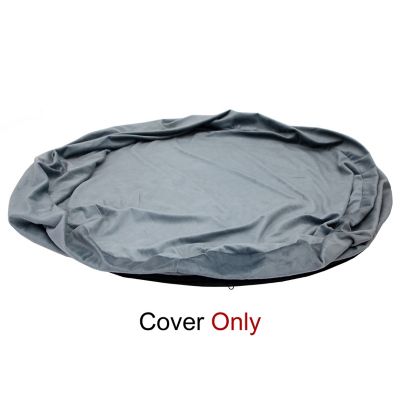
dog bed cover can keep a familiar cushion in service while another cover goes through the wash, but the replacement needs to match the bed’s shape, depth, dimensions and closure layout. A rectangular cover is not automatically interchangeable with every rectangular insert, especially when bolsters or contoured foam are involved. Replacing a worn outer shell can extend the usefulness of an otherwise sound bed; flattened filling or damaged foam may mean the whole bed needs attention instead. For someone bringing home a dog, or a family member whose longtime companion has a well-established nap spot, a bed with a removable cover can be a practical gift. Knowing the dog’s size, sleeping habits and household laundry routine helps make that choice a comfortable fit for both the pet and the person handling cleanup.