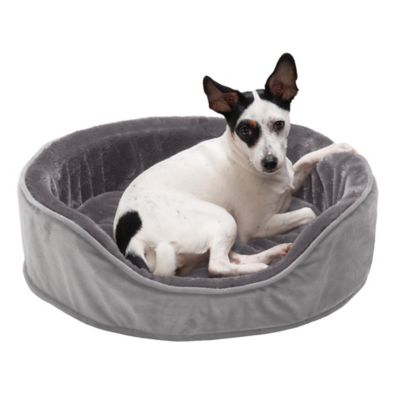
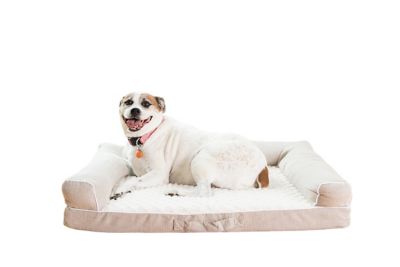
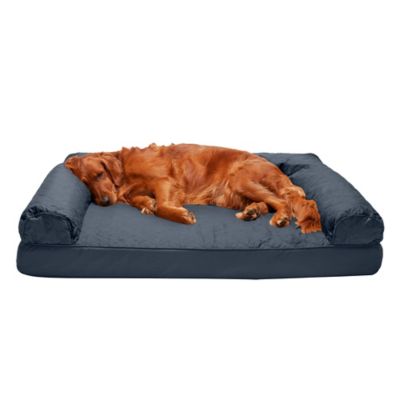
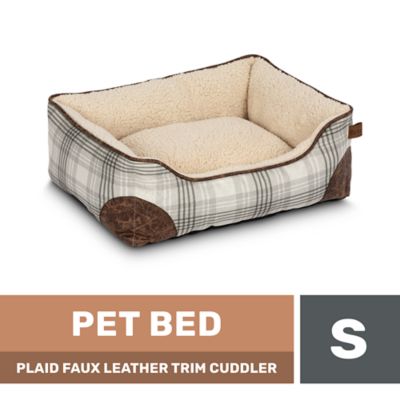
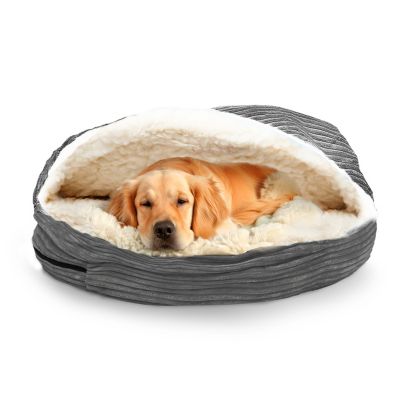
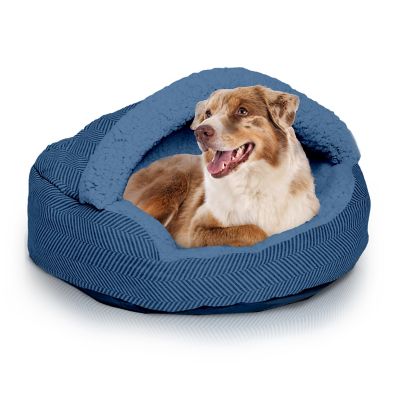
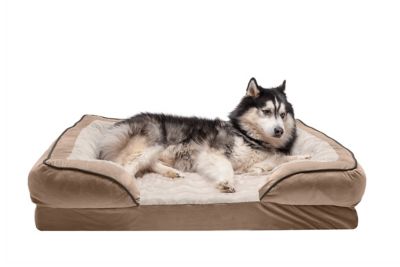
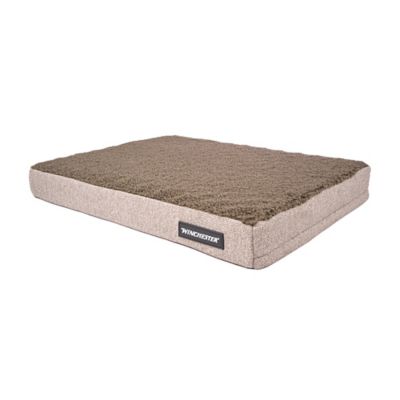
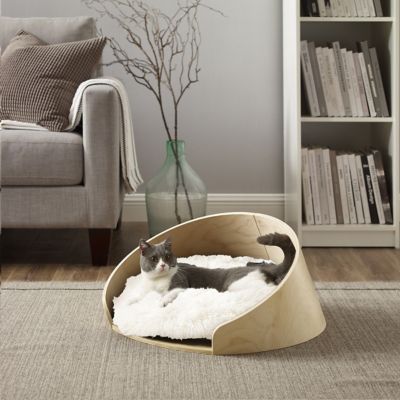
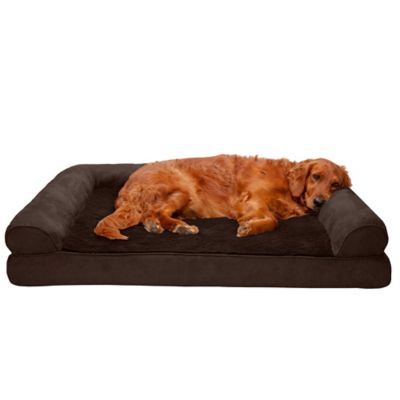
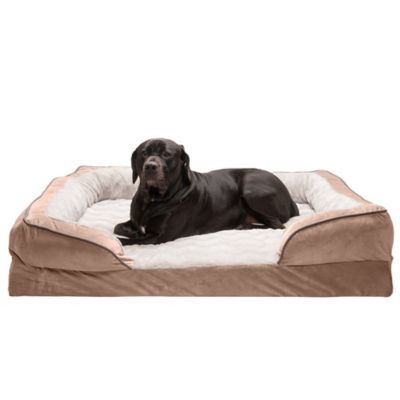
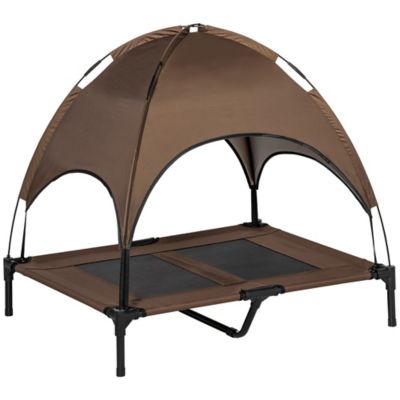
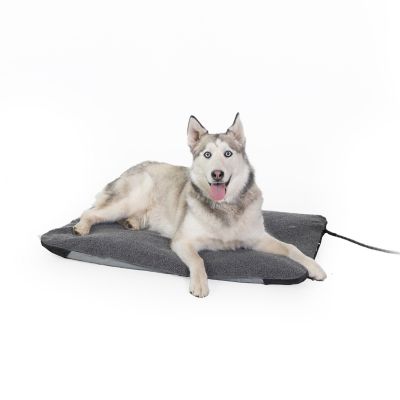
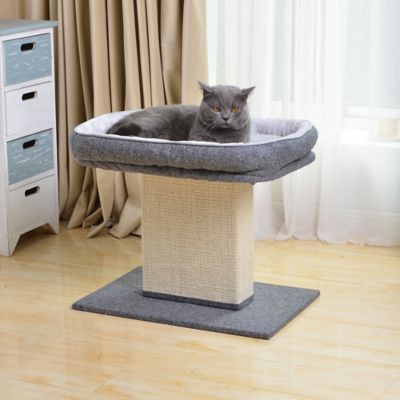
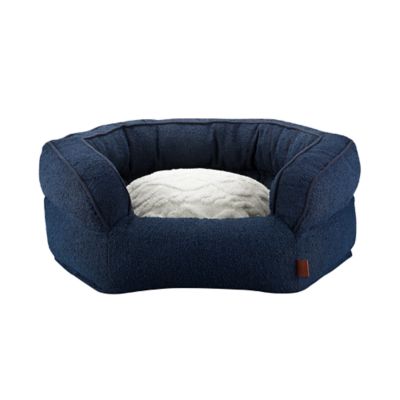
Covered dog beds for small dogs combine a cushioned sleeping surface with a hood, canopy, or enclosed top that gives a little dog a sheltered place to curl up. They suit pets that nose beneath blankets, tuck themselves behind couch cushions, or prefer a tucked-away nap spot over an open pillow in the middle of the room. A small terrier settling down after a walk or a Chihuahua watching the kitchen from a quiet corner may appreciate having a soft space with an opening that keeps the household in view. These beds come in several general shapes, and the structure makes a difference in how a dog settles inside. Cave-style beds have a pocket-like interior, tent-style beds hold more space above the cushion, and hooded beds may have a flexible top that rests closer to the body. A supported entrance can be easier for a hesitant dog to recognize, while a loose, blanket-like hood may appeal to a pet that already enjoys burrowing. The cover should leave the entrance open enough for easy breathing and an unhurried exit. Not every small dog wants an enclosed sleeping space, even when the bed looks inviting. A dog that sprawls across the floor may prefer a broad opening or a partly covered design rather than a snug pocket. Covered beds offer a resting place, not a latchable enclosure or a substitute for a crate when secure containment is needed. Their appeal is the combination of a soft base, an overhead layer, and a defined spot that belongs to the dog. In a farmhouse kitchen, beside a living room chair, or in a quiet bedroom corner, that familiar place can fit into the everyday rhythm of the house without taking over the floor. A dog should always be able to enter and leave freely, with enough room to shift position rather than stay folded into one tight curl.
Fit depends on usable sleeping space, not just the size printed on a label. The outside measurements of a covered bed include its walls, bolster, and hood, so the space inside can be noticeably smaller than the footprint suggests. A dog’s usual sleeping position gives a better sense of the room needed: a tight sleeper needs space for a full curl, while a side sleeper needs extra length for legs and a little repositioning. Measuring the dog at rest and comparing that measurement with the bed’s interior dimensions helps put those differences in perspective. Weight recommendations can add context, but two dogs at the same weight may have very different body lengths and builds. Entrance height matters, too. A low front edge can make stepping in less awkward for a short-legged dog or an older pet that moves carefully, while enough clearance overhead allows the dog to turn around without pushing against the roof. Cushion construction affects the feel underfoot and beneath the body. Fiber-filled cushions tend to offer a nest-like surface that shifts as a dog circles and settles. Foam bases generally provide a more even platform, though thickness, firmness, and the way the foam responds to weight all matter. A plush surface alone does not tell the whole story about support. For a dog with joint pain or trouble getting up, a veterinarian can help identify appropriate bedding needs. Fabric brings another set of practical differences. Fleece and faux-fur surfaces have a soft, textured feel, while smoother woven covers may be simpler to brush free of loose hair. A closely stitched shell, reinforced seams, and a base that resists sliding are useful details in a bed that gets a daily digging-and-circling routine. Chewing calls for separate attention: a fabric hood is not a chew toy, and a dog that tears bedding or swallows stuffing needs supervision and a sleeping setup suited to that behavior. Dangling trim and exposed cords have no place within easy chewing reach.
Care is a big part of whether a covered bed works well in a busy home. Paws bring in grit, shedding collects along seams, and a favorite sleeping spot can pick up odors long before the rest of the room needs attention. Removable covers make routine cleaning more manageable, but a washable cover does not necessarily mean the cushion, foam insert, or hood support can go into the washing machine. Care instructions should spell out which parts separate, which parts can be washed, and how they need to dry. Some enclosed shapes contain several layers or inserts, so putting the bed back together matters just as much as taking it apart. All washable parts need to dry fully before reassembly, including the tucked-in corners where moisture can linger. For puppies still learning house manners or older dogs with occasional accidents, a protective liner can help keep liquids away from the filling. Water-resistant fabric and a waterproof barrier are not the same thing; the construction and care directions determine what protection a bed provides. Routine upkeep may include lifting out loose hair, vacuuming seams, and wiping the floor beneath the base. Between cleanings, a bed benefits from a level spot away from swinging doors, busy walkways, and places where feed, household cleaners, or water bowls can spill onto it. A washable mat beneath the bed may help protect the floor, provided the whole setup stays steady when the dog steps inside. An indoor hooded bed and a bed intended for outdoor placement serve different purposes;
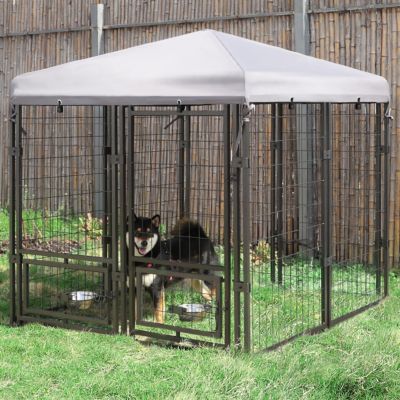
Small Outdoor Dog Beds are another category to consider for a separate porch or patio resting spot. For the covered bed indoors, familiar placement often matters more than fussing over the room’s appearance. A quiet corner near the family can let a little dog stay close without lying underfoot, with the opening facing enough open floor for an easy entrance. The right match brings together room to move, a comfortable base, a cover the dog enjoys, and care that fits everyday life.