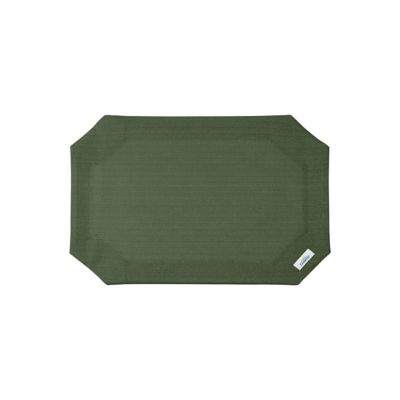
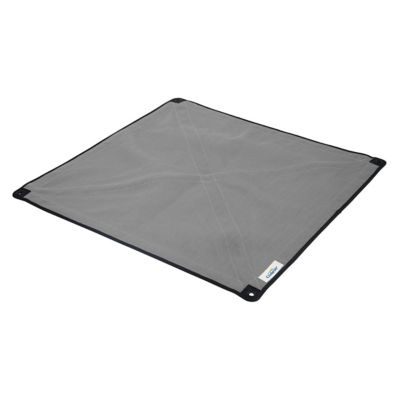
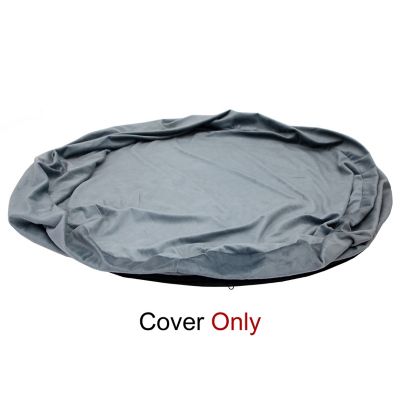
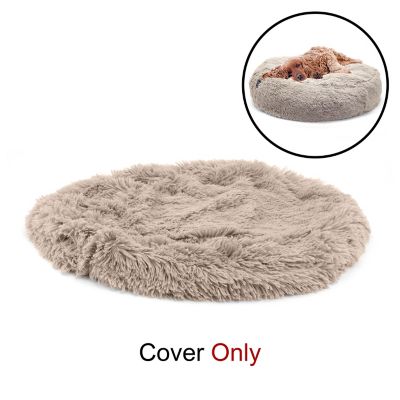
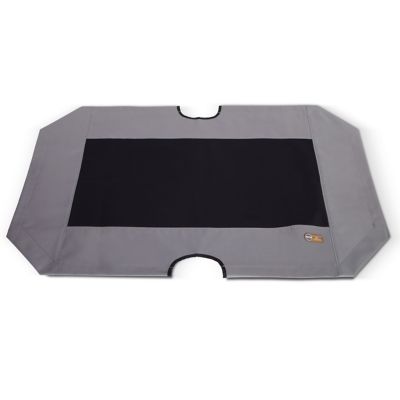
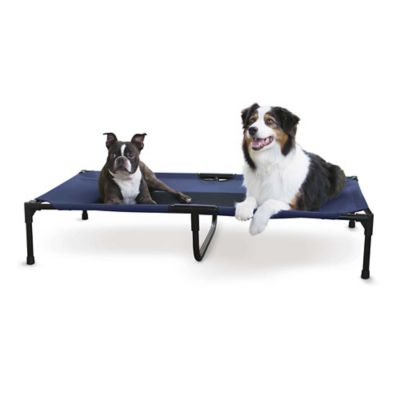
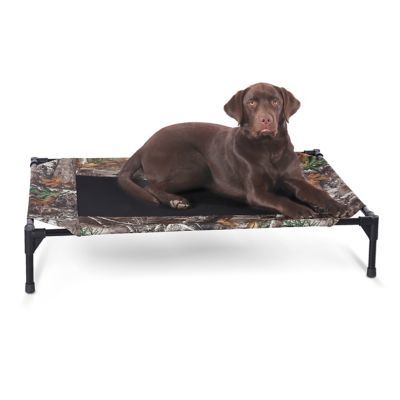
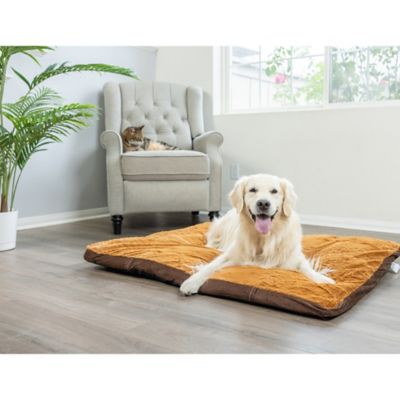
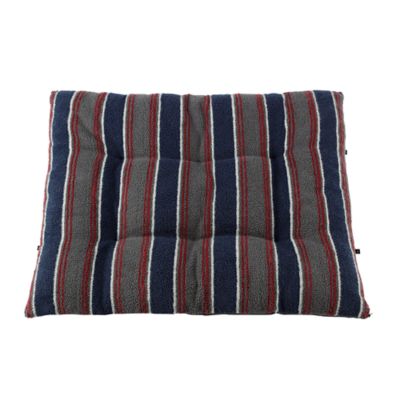
Removable dog bed covers let the outer fabric come off for cleaning without putting the entire bed in the wash. Machine-washable options make it easier to handle shedding, tracked-in dirt and everyday messes while helping keep the cushion underneath cleaner. That separation comes in handy when a dog heads straight from the yard to a favorite sleeping spot or leaves a patch of hair behind after every nap. A removable cover can also extend the life of a bed when the cushion still has plenty of support but the outside is worn or stained. The fabric makes a difference in how that resting spot feels and how much upkeep it takes. Canvas-style fabrics offer a firmer surface, while fleece and plush fabrics give dogs a softer place to settle. Smooth woven polyester can be easier to brush free of loose hair than a deeply textured surface, though shedding and cleanup vary by fabric and construction. Cotton blends may appeal to households that prefer a familiar fabric feel, with care requirements depending on the blend. For dogs that circle, paw and scratch before lying down, closely woven fabric and reinforced seams are worth considering. A short, smooth surface may also suit dogs whose nails tend to catch in loops or loose threads. None of these materials should be treated as chew-proof, especially for a puppy still learning what belongs in its mouth. A removable cover is a practical part of a bed, not a substitute for supervision when a dog tears at fabric or pulls at a zipper. From the farm dog resting near the back door to the older companion stretched out beside a chair, the right outer layer gives a familiar bed a fresh surface without changing the sleeping spot a dog already knows. It also keeps routine cleanup focused on the part that collects most of the hair and dirt.
Fit matters just as much as fabric because dog beds come in more shapes than a simple rectangle. Flat foam pads, rounded cushions and beds with raised sides each need a cover built for their construction. Matching length and width is only part of the job; cushion thickness, curved corners and the height of any bolsters affect whether the fabric sits properly. A cover that stretches too tightly can squeeze the filling or strain the seams, while excess fabric can bunch beneath a dog’s legs. Measurements taken from the cushion itself, along with any identifying information on the bed’s label, provide a better starting point than size names alone. A large cover from one bed design may not fit a large cushion from another. A replacement
dog bed cover also needs the right openings and compartments for the filling it will hold. Some bed constructions have one main cushion, while others separate the center pad from the padded sides. A wide zippered opening makes a thick foam insert easier to remove and return without folding it sharply or tugging hard at the corners. A covered zipper can help keep the hardware away from a dog’s body, although determined chewers may still reach it. For beds that sit on smooth flooring, a nonslip underside can help limit movement as a dog steps on or off, provided the bed and floor remain clean and dry. Dogs that sprawl may be more comfortable on a flat, evenly fitted surface, while dogs that curl against padded edges need a cover that preserves those contours. In a crate, the covered cushion should lie flat without crowding the usable space or bunching against the door. A new cover refreshes the outside, but it cannot restore foam that has flattened or filling that no longer supports a dog comfortably. The best match works with the bed’s existing shape rather than forcing the cushion into a different one.
Care details determine how convenient a removable cover will be after the first muddy paw print or spilled water bowl. Removable does not automatically mean machine washable, so the fabric’s care label matters. Some covers allow machine washing and tumble drying under specified settings; others call for a different cleaning method or air drying. Brushing or vacuuming away loose hair before washing helps keep clumps out of the laundry, and removing the foam or other inserts prevents damage to parts that may not tolerate soaking. Fastening the zipper before washing, when the care instructions permit it, can help keep the closure from catching on other fabric. A cover needs to dry completely before going back over the cushion, since damp fabric can hold moisture against the filling. Excessive dryer heat may shrink fabric or affect backing, making the stated drying instructions especially important for a close-fitting cover. For puppies, senior dogs and dogs that occasionally have accidents, the distinction between a washable cover and a waterproof barrier deserves attention. Washable fabric can still let liquid reach the foam. Water-resistant fabric may slow a small spill, but it does not necessarily stop liquid from soaking through seams, closures or prolonged contact. A compatible waterproof inner liner adds another layer between the outer cover and the cushion, though its seams and care requirements still matter. Having a second properly fitted cover makes laundry day simpler, especially when a dog depends on the same bed for daily rest. One cover can be cleaned while the other keeps that familiar spot ready. Regular attention to loose stitching, thinning fabric and damaged zipper teeth also helps catch trouble before stuffing becomes accessible. Whether the bed stays in the living room, rides along on visits or waits near the mudroom after chores, a well-fitting removable cover makes routine cleanup less of a production and gives a dog a clean, comfortable place to settle.