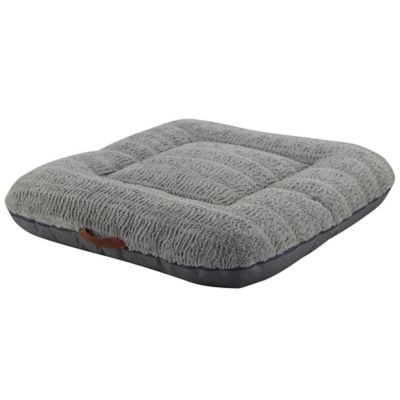
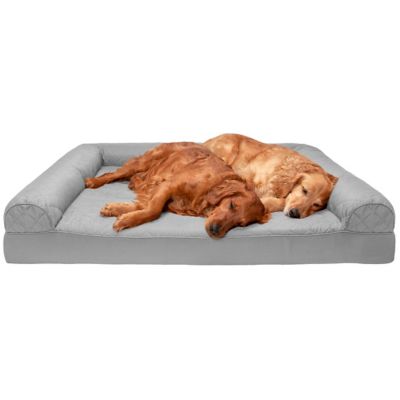
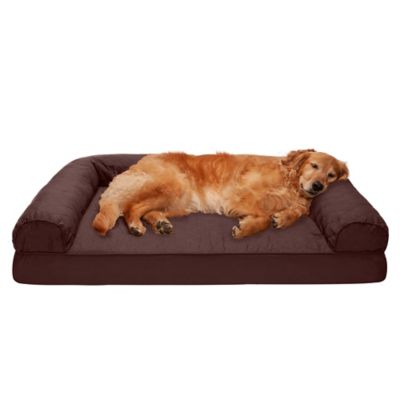
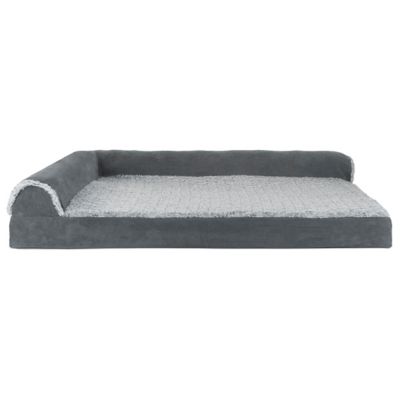
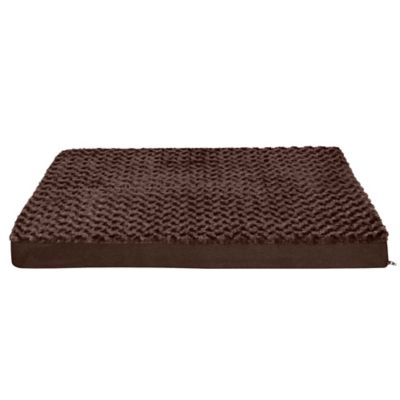
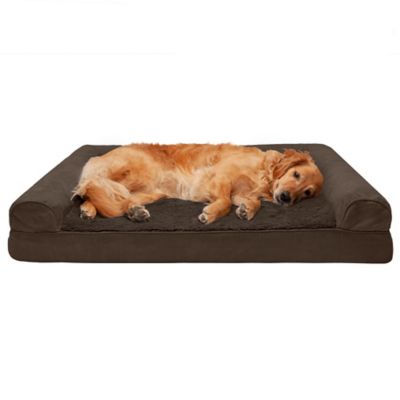
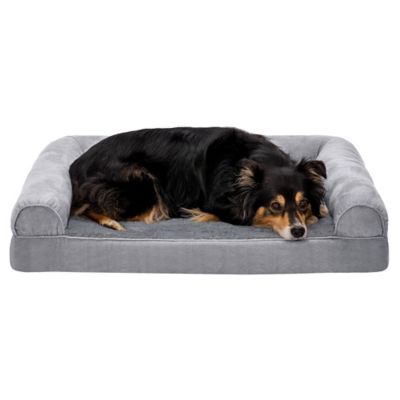
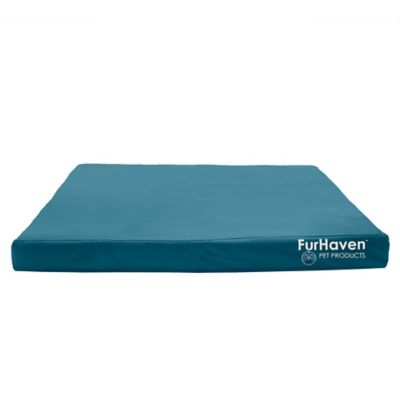
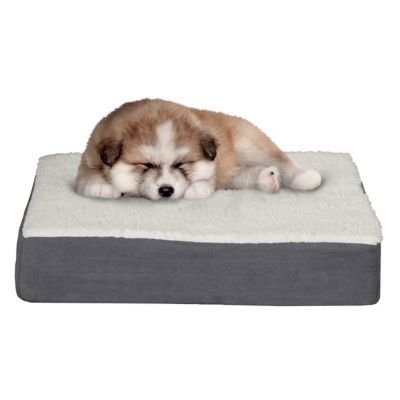
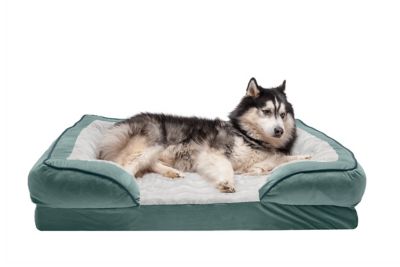
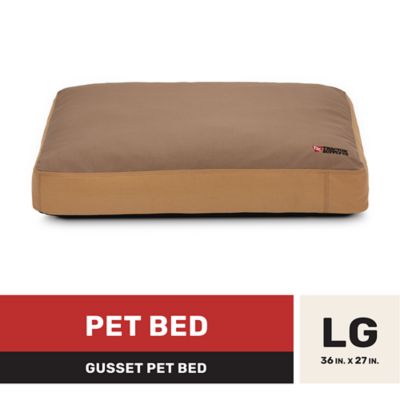
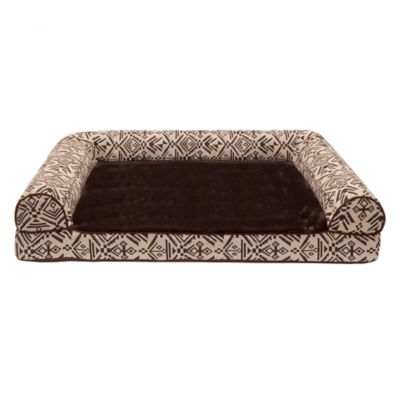
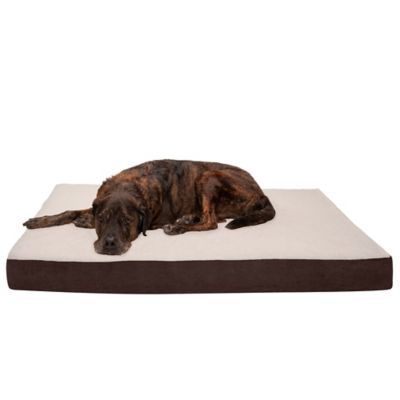
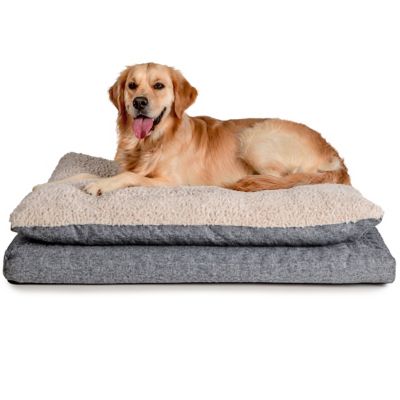
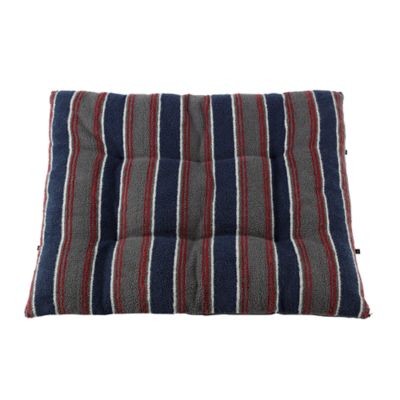
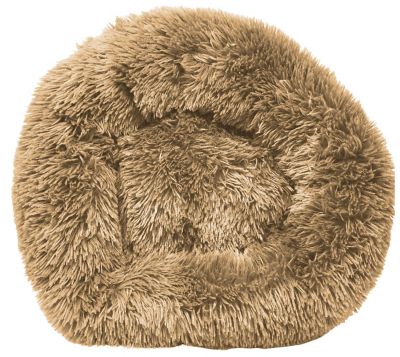
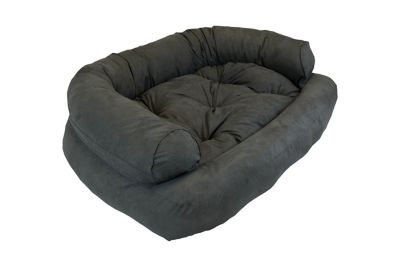
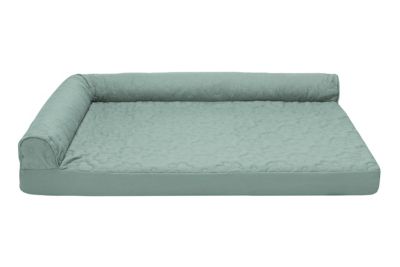
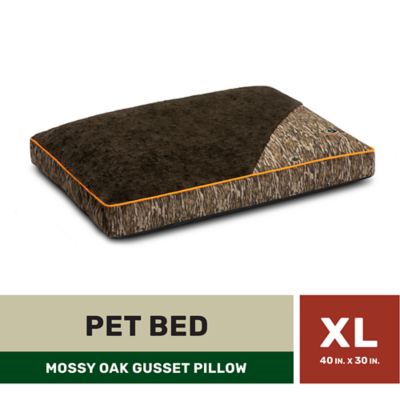
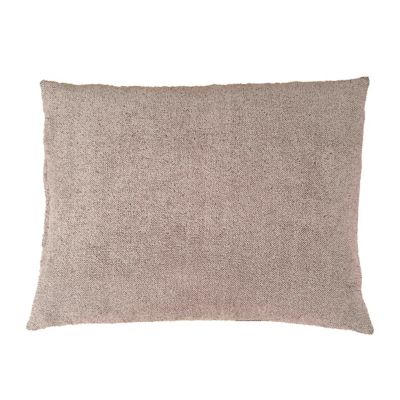
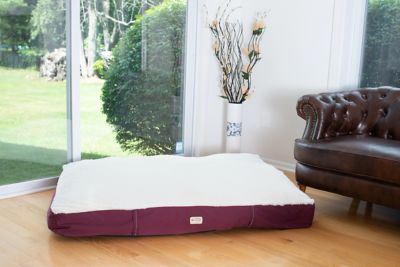
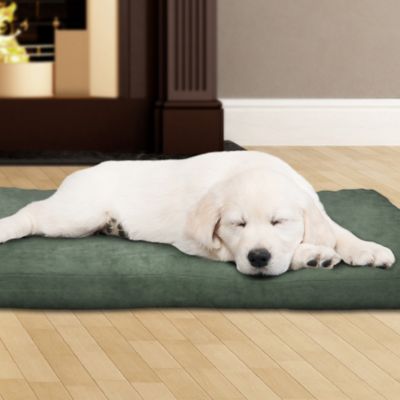
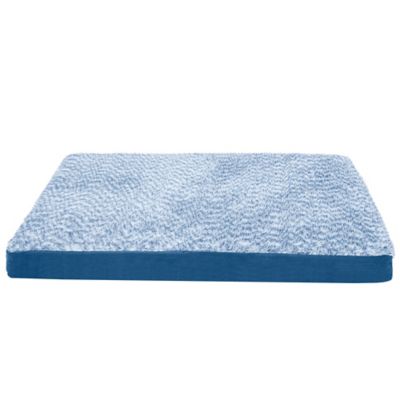
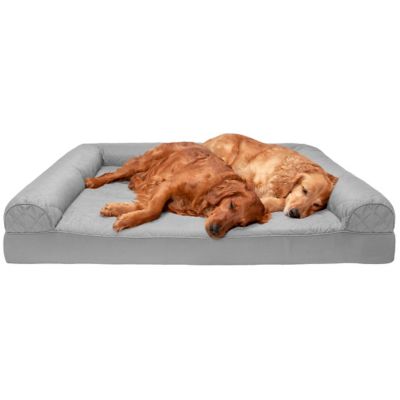
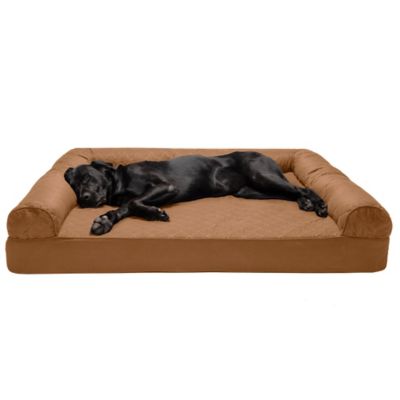
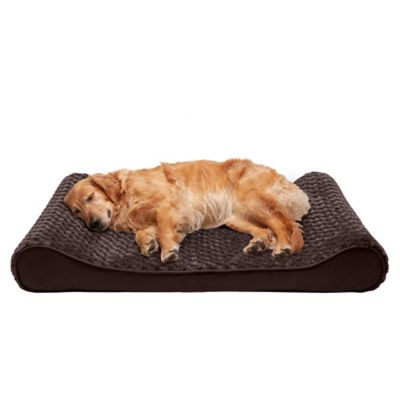
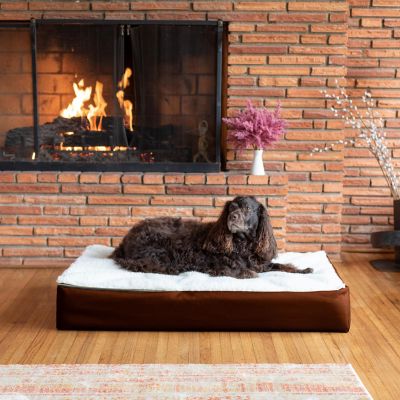
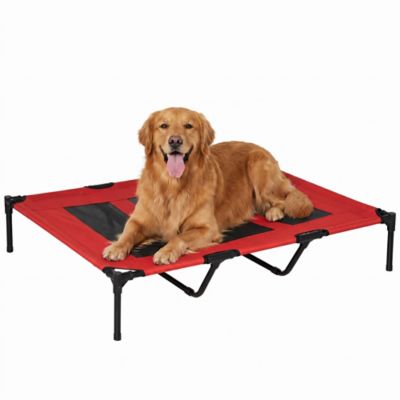
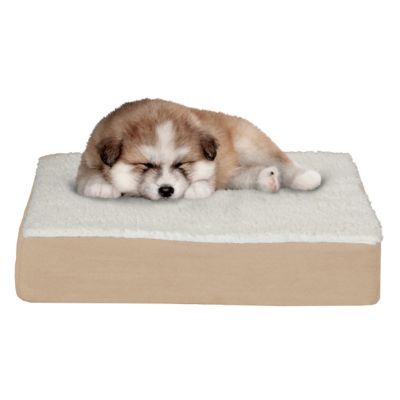
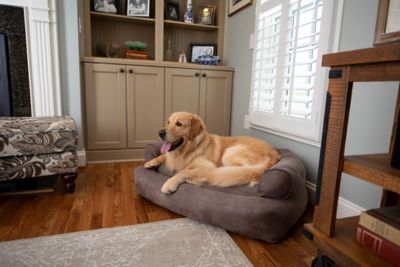
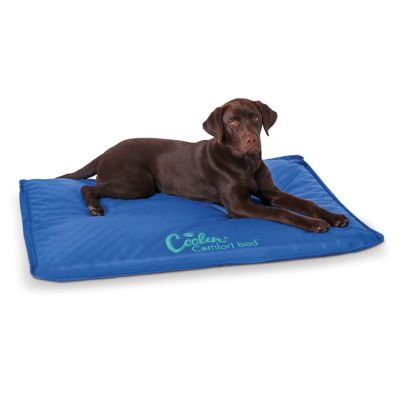
Washable large dog beds give bigger dogs a roomy place to stretch out while making the hair, paw prints, and everyday mess of life with a pet easier to manage. Depending on the construction, “washable” may mean a removable, machine-washable cover or a bed whose entire cushion can go through the wash; the care label makes that distinction clear. That matters when a dog comes in from a walk around the property, carries a favorite toy to bed, or settles down beside the couch after a busy day. A bed needs to suit the dog’s resting habits as much as its size. Long-legged dogs that sleep stretched out need plenty of open surface, while dogs that curl up or lean against something may prefer raised sides. Flat mats offer an easy place to step on and off, and bolster beds provide an edge for resting a chin. Overall measurements do not always tell the whole story, since thick bolsters take up part of the sleeping area. Measuring a dog in its usual sleeping position, then allowing extra room for its head and legs, gives a better sense of fit than choosing by a “large” label alone. Size names vary, and two dogs of similar weight can have very different builds. A broad-chested dog may need more width, while a tall, lean dog may need more length. The bed also needs to fit its spot in the house without crowding a doorway or turning a busy walkway into an obstacle course. In a crate, the cushion should lie flat without bunching against the sides or interfering with the door. For a dog that likes to keep an eye on the household, a quiet corner near the family’s usual gathering place can make more sense than a tucked-away room. Enough space to turn around, settle in, and change positions helps make a bed a comfortable everyday resting place.
Cover fabric and construction make a real difference when a large dog bed sees daily traffic. Smooth woven covers can be easier to brush free of loose hair, while fleece and plush surfaces offer a soft feel but may hold onto fur more readily. Canvas-style fabrics and tightly woven polyester are other options, with the feel, seams, and care requirements varying by bed. Reinforced stitching, neatly finished edges, and a zipper positioned away from a dog’s usual resting area are details worth a look. No fabric makes a bed chew-proof, though, and dogs that pull at seams or swallow pieces of bedding need close supervision and a setup suited to their habits. Removable covers are especially practical for large beds because the outer fabric can be cleaned without putting a bulky foam core into the washer. The cover still needs enough room in the machine to move freely; an oversized cushion or tightly packed load may be difficult to wash and rinse thoroughly. Brushing off hair and shaking out loose dirt before laundering can keep some of that mess out of the machine. Washing directions vary, so water settings, detergent choices, and drying methods should follow the label rather than a one-size-fits-all routine. Many foam inserts are not machine washable, even when their covers are. A waterproof or water-resistant liner can help protect the filling from damp paws, drool, and occasional accidents, but those terms are not interchangeable. Water-resistant material may handle light moisture without providing the same barrier as a waterproof layer, and seams or zipper openings can still be vulnerable. A liner does not eliminate the need to clean up spills promptly. Covers, liners, and any cleaned inserts should be fully dry before the bed is put back together. Easy access to the cover, a zipper that opens wide, and clear care directions can make routine cleanup less of a chore, especially in a home with more than one big dog.
What is inside a washable large dog bed matters just as much as what goes through the laundry. Loose fiber filling offers a cushioned resting surface, though it can shift or flatten and may need occasional reshaping. Foam bases provide a more structured surface, with different thicknesses and firmness levels affecting how much a heavier dog sinks into the bed. Memory foam, solid support foam, and egg-crate foam each have different constructions; an orthopedic label alone does not explain the bed’s full design. The base should offer enough support that a dog’s shoulders and hips are not pressing straight through to the floor. For dogs that need more room along with a supportive resting surface,
Extra Large Orthopedic Dog Beds are another option to consider. Older dogs, dogs with stiff movement, and dogs that prefer an easy step onto their bed may be more comfortable with a low entry rather than a tall wall on every side. Bolsters can still work well when one side leaves a clear opening. On smooth flooring, a nonskid bottom can help limit sliding as a dog steps on or shifts its weight, although the floor surface and the bed’s fit also affect how firmly it stays put. A washable bed can serve as a resting spot beside a home office, a cushion in a properly fitted crate, or a familiar place to settle after a ride. For travel, weight and flexibility matter alongside comfort, since a thick foam bed may be harder to carry than a flat padded mat. In a multi-dog household, separate beds give each dog room to relax without having to share a crowded cushion. A washable bed can also make a thoughtful gift for someone welcoming a large dog, provided the dog’s measurements and sleeping habits are known. Room to stretch, support that suits the dog, and manageable cleanup are the details that help a bed earn its place in daily life.