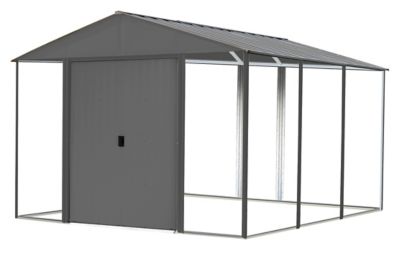
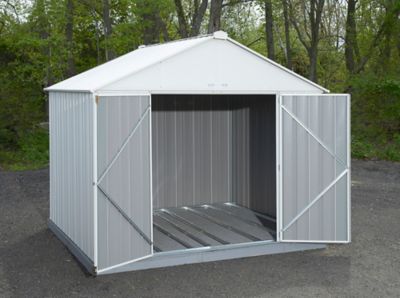
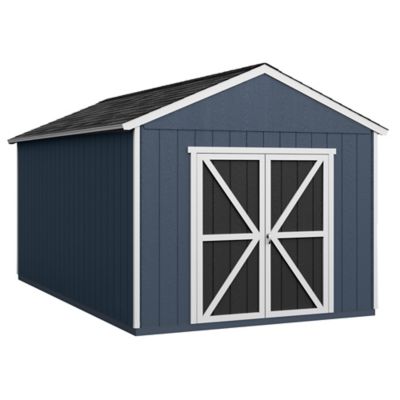
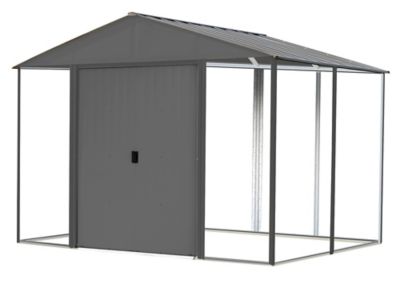
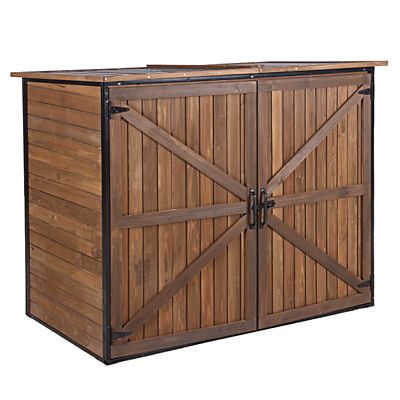
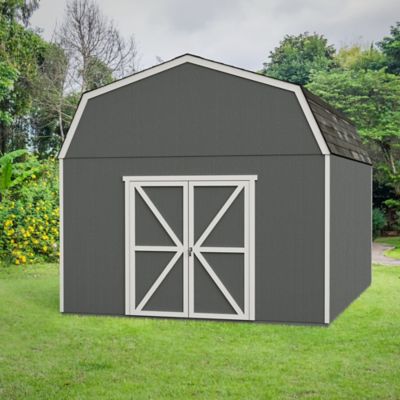
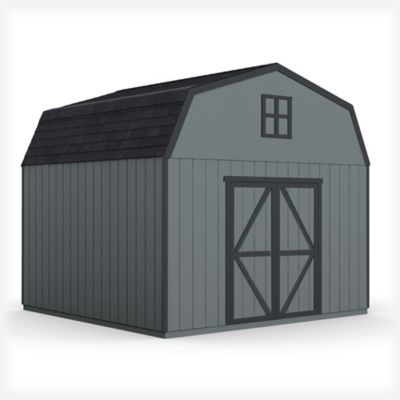
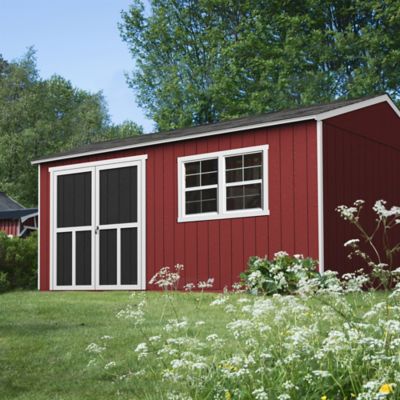
Do it yourself wood sheds give firewood a place of its own, keeping the stack off damp ground and bringing a little order to the yard. For folks who heat with wood, spend weekends at a cabin, or keep a supply for an outdoor fire pit, a well-planned shelter makes hauling and storing split logs less of a chore. The best fit for firewood is generally a roofed structure with open or slatted sides that allow air to move through the stack. That combination helps shield wood from overhead rain and snow while allowing moisture to escape as the logs season. A tightly enclosed shed serves a different purpose: it can provide covered storage for tools and equipment, but without adequate ventilation, it may hold moisture around freshly split wood. When comparing wood shed materials and kits, start with what the shelter needs to hold and how you expect to reach it. A small backyard stack has different space requirements than a season’s supply for a farmhouse wood stove. One full cord measures 128 cubic feet when neatly stacked, including the air spaces between logs, so stated shed capacity deserves a close look. Overall building dimensions do not always equal usable stacking space, especially where roof slopes, braces, or divided sections limit clearance. Room for a separate kindling area or more than one row of logs can be handy, provided the arrangement still leaves space for airflow and safe access. Picture coming back from the stack with an armload of oak, gloves on and daylight fading. An opening that is easy to reach, a firm path underfoot, and a sensible stacking height matter more in that moment than extra trim. A wood shed should suit the way work gets done around your place, whether that means carrying a few logs at a time or bringing a loaded cart over from the splitting area.
Choosing between wood shed kits and materials for a build comes down to how much measuring, cutting, and fitting you want to take on.
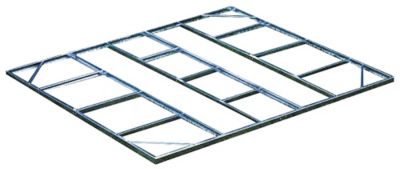
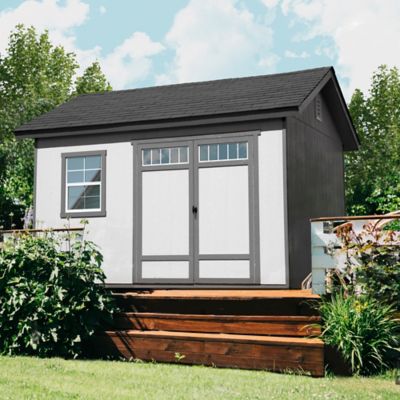
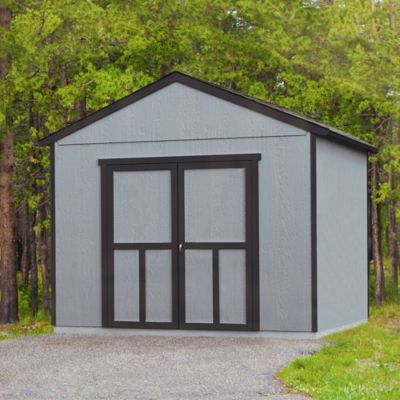
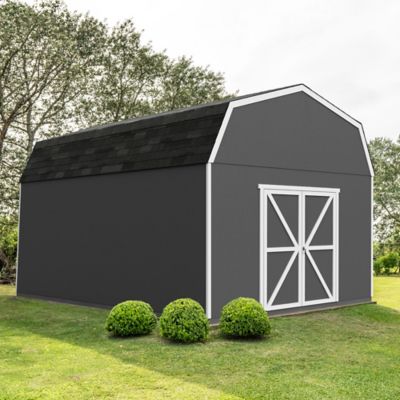
Pre Cut Wood Shed Kits can simplify material planning and reduce some cutting work, though the contents and assembly requirements vary. Before buying, check whether the package includes framing, siding, roofing, floor components, fasteners, and the hardware needed for anchoring. Some packages provide only part of the finished structure, leaving the foundation, roof covering, or other materials to purchase separately. Clear dimensions, an assembly manual available before purchase, and a complete parts list make it easier to understand the full project. The foundation is especially important because a loaded firewood shelter carries substantial weight. A level, well-drained location and a base suited to the soil, structure, and expected load help keep the shed supported and the wood away from standing water. Concrete pads, blocks, or other foundation systems are not interchangeable in every setting; the appropriate choice depends on the shed design, frost conditions, and local requirements. Where lumber contacts the ground, look for a treatment rating intended for that exposure, and match connectors and fasteners to the treatment manufacturer’s recommendations. Floor framing also needs enough support for stacked wood, not merely enough strength to walk across during assembly. Roof pitch, roofing compatibility, and overhangs deserve attention for the same reason: each affects how the shelter handles weather. A sloped roof directs runoff, while an overhang can reduce rain reaching the stack, but the dimensions should follow the structure’s design rather than a one-size-fits-all rule. In areas with heavy snow or strong winds, check applicable load ratings and anchoring requirements. These details may not be the first things that catch your eye, but they help distinguish a shelter that suits your property from one that needs more work and expense than expected.
A firewood shed earns its space when it fits naturally into the routine of the property. Homeowners with wood-burning heat may want generous capacity and easy access for frequent trips, while cabin owners might value a smaller footprint that leaves room for parking and unloading. Around a farm or acreage, a shelter near the wood-processing area can cut down on handling, though convenience should be balanced with drainage, access, and appropriate separation from buildings. Local building rules, property setbacks, utility locations, and wildfire guidance can all influence where a shed belongs. A low spot that stays muddy after rain is a poor trade for a shorter walk, and roof runoff should not empty onto the path where you carry wood. During the cooler months, enough clearance for a cart and a place to set down a load can make everyday chores easier. Air circulation matters throughout storage, too. Split logs generally season faster than whole rounds, but drying time varies with the species, split size, starting moisture, and weather. A shed supports that process; it does not make freshly cut wood ready to burn overnight. For wood-burning appliances, follow the manufacturer’s fuel guidance; properly seasoned firewood is commonly recommended at a moisture content of 20 percent or less, checked on a freshly split interior face with a wood moisture meter. Leaving access to older wood helps keep it from being buried behind the next delivery. Beyond storage capacity, consider the care the structure will need over time, including finish upkeep, roofing checks, and keeping vegetation from crowding the sides. Natural wood can sit comfortably beside a barn, workshop, or country home, whether left to weather where appropriate or finished according to the material supplier’s directions. Assembly space, delivery access, tool requirements, and the need for another pair of hands also belong in the buying decision. The right wood shed brings those practical details together: room for the supply you keep, shelter from the weather, and a layout that makes the next trip to the woodpile straightforward.