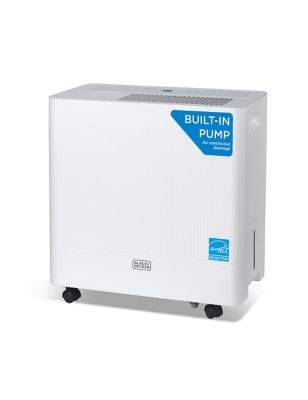
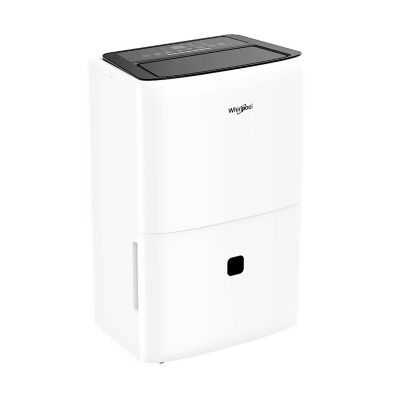
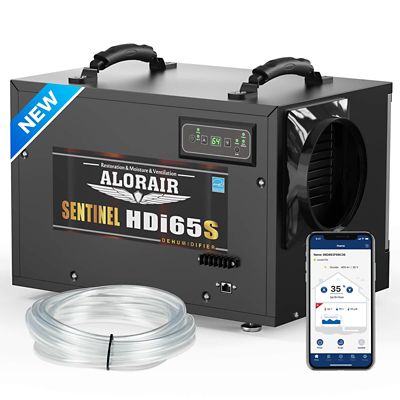
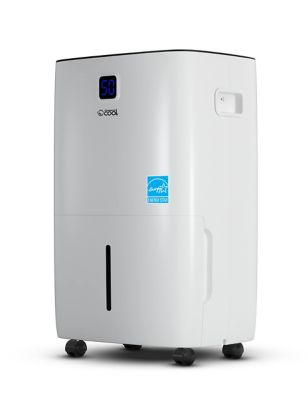
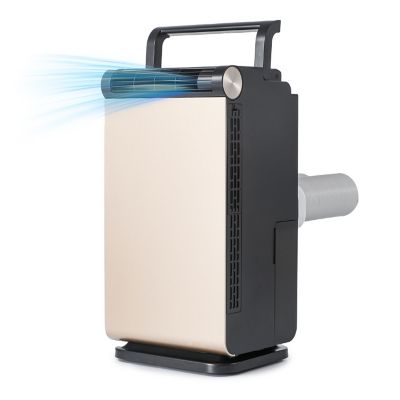
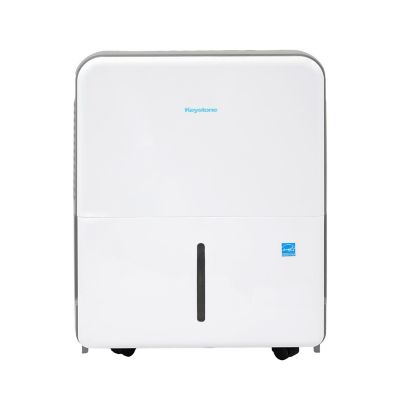
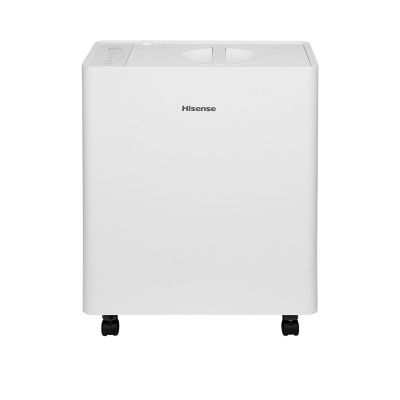
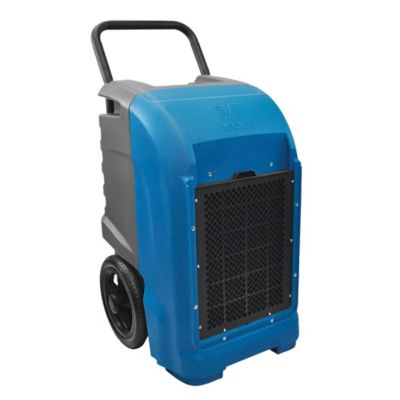
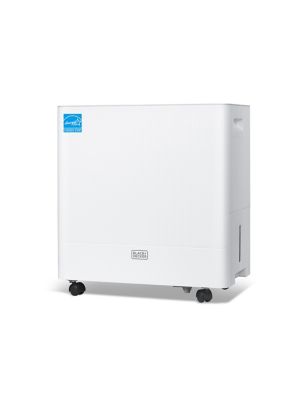
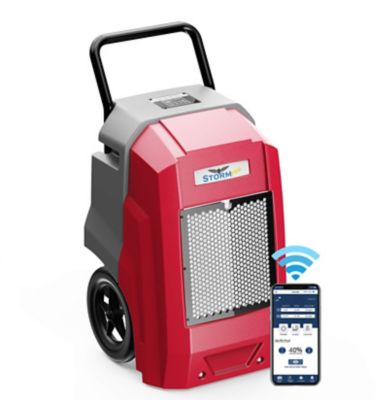
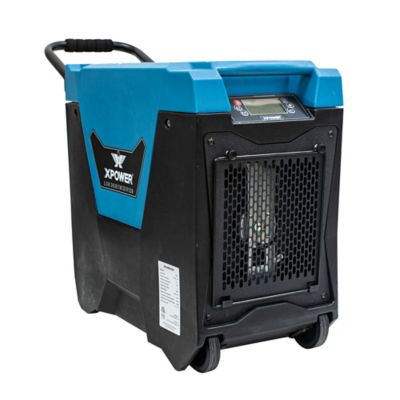
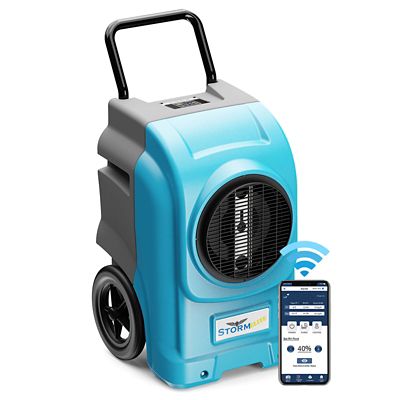
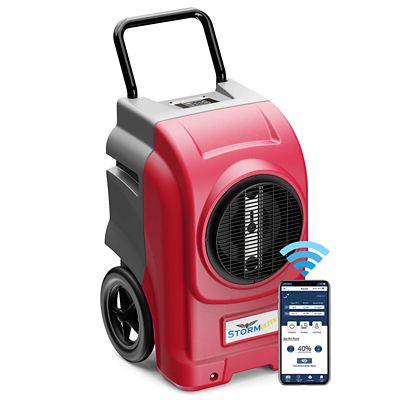
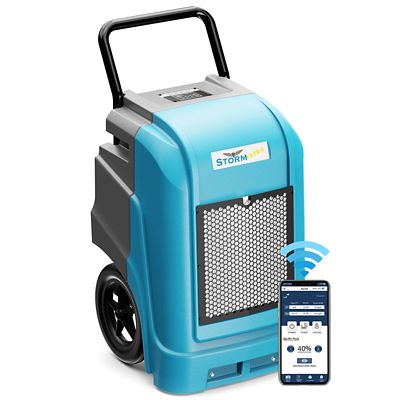
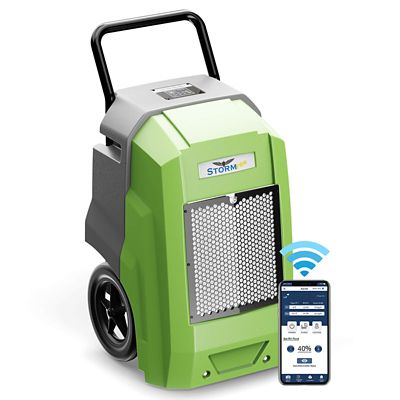
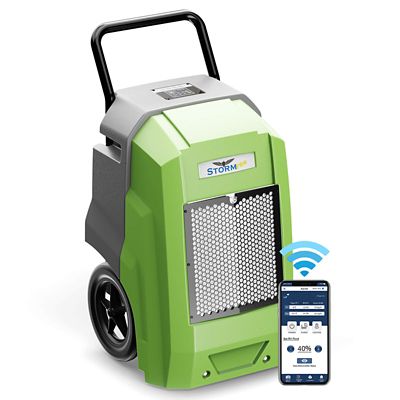
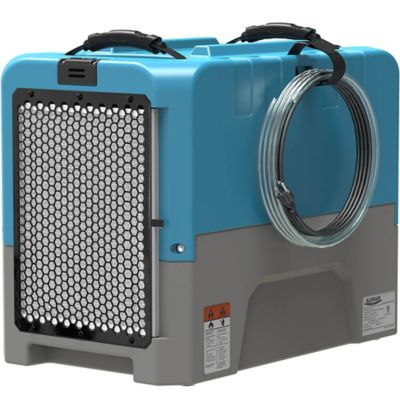
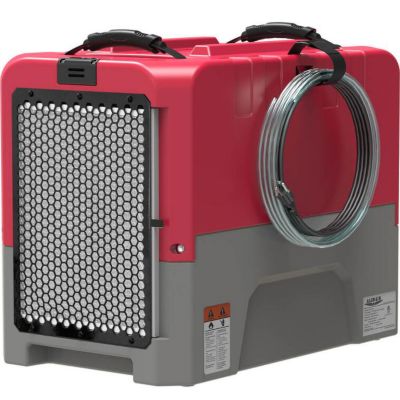
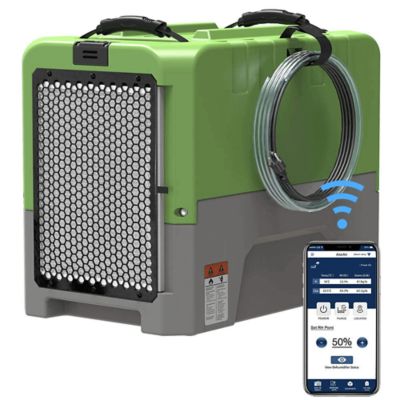
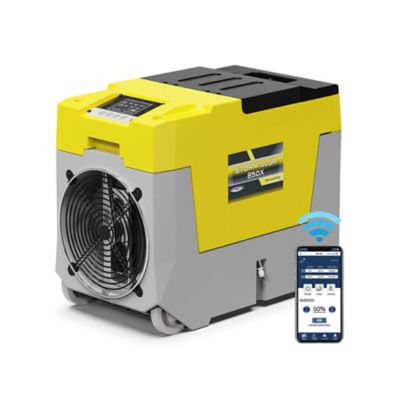
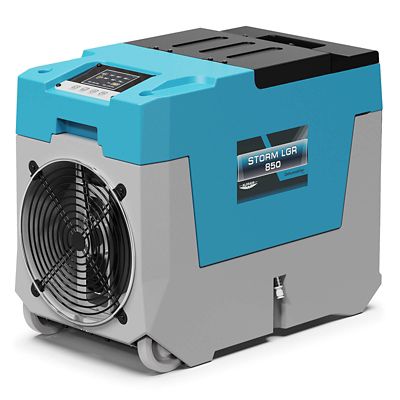
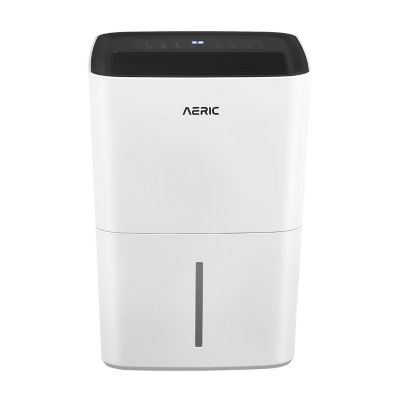
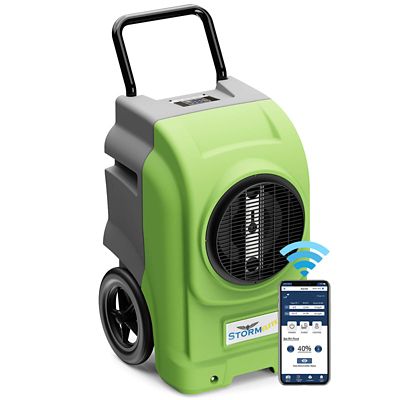
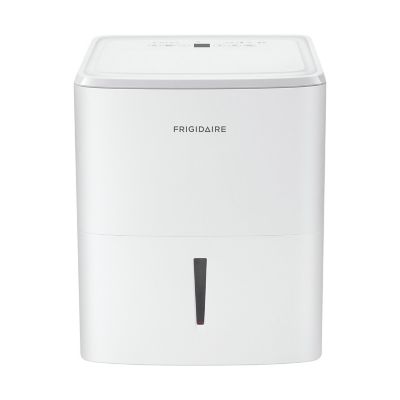
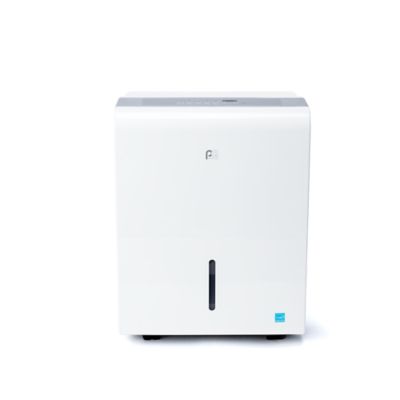
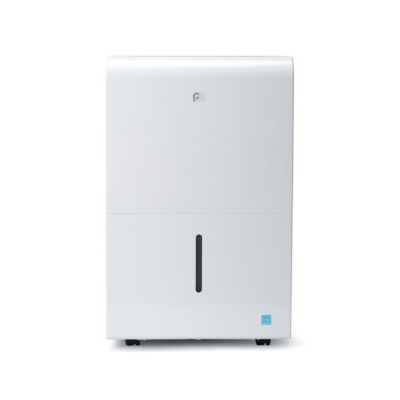
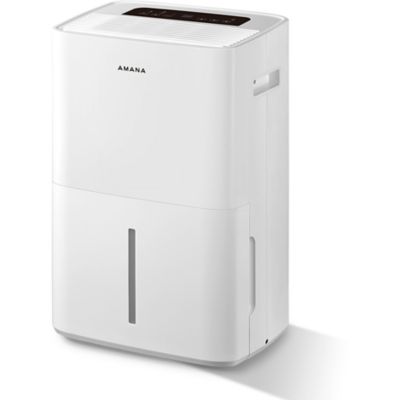
Dehumidifiers with pumps are a practical choice for basements, crawl spaces, garages, laundry areas, workshops, and other places where damp air tends to hang around. They work by pulling moisture from the air and collecting it as water, then using a built-in pump to move that water through a drain hose. Unlike a standard gravity-drain setup, a pump can push water upward or across a room to a sink, floor drain, utility tub, or exterior exit point. That added flexibility comes in handy when the dehumidifier cannot sit directly above a drain. A unit placed in the middle of a basement or along a crawl space wall may be able to send water up several feet and over a longer horizontal distance, depending on the pump’s rated lift and the hose layout. Many models are designed to remove roughly 50 to 70 pints of moisture per day, though actual performance depends on room temperature, humidity, insulation, and the size of the area. For a lightly damp finished room, a smaller-capacity unit may be plenty. Large basements, enclosed garages, farm buildings, and spaces with persistent moisture usually call for a higher-capacity machine built for longer run times. When comparing options, check the recommended coverage area, pint-removal rating, operating temperature range, and the manufacturer’s instructions for pump height and hose length. A unit that fits the space and drainage plan will do a better job than one chosen by capacity alone.
The built-in pump is especially useful for anyone who does not want to carry a heavy water bucket down basement steps or check a collection tank every day. Once the reservoir fills, the pump typically turns on automatically and sends water through the included or compatible hose. This can make a real difference during the cooler months, when wet weather, tracked-in water, condensation, and closed-up rooms can leave a musty smell behind. It is also helpful in a garage where a floor drain sits on the other side of the room, or in a crawl space where a convenient drain is higher than the unit. Before setting one up, measure the route from the dehumidifier to the drain and account for bends, doorways, and the vertical distance the water must travel. Keep the hose free of sharp kinks, secure it along a wall or joist, and make sure the outlet end cannot slip out of the drain. A short, direct route generally puts less strain on the pump. Some dehumidifiers also offer a gravity-drain option, which can be useful if the unit is raised safely and the hose can run continuously downhill. Look for automatic shutoff protection, a full-tank indicator, automatic restart after a power interruption, adjustable humidity controls, and washable filters. These features help a unit keep working with less daily fuss, but no pump is completely maintenance-free. Inspect the hose and drain connection from time to time, clean the filter as directed, and watch for standing water, unusual sounds, or a pump that runs without moving water. A backup pan or secondary drain may be worth considering in a finished basement or another area where an overflow could damage stored belongings.
Choosing the right dehumidifier also means thinking about how the space is used. A family may use one to protect cardboard boxes, seasonal decorations, tools, furniture, and clothing stored below ground. Someone with a detached garage or workshop may want drier air to help reduce surface rust on hand tools and keep wood, feed-related supplies, and equipment from sitting in a damp environment. In a barn office, utility room, or enclosed outbuilding, moisture control can make the space more comfortable and help limit the stale odor that builds up when air stays still. Homes with a musty basement, recent water intrusion, condensation around pipes, or damp concrete may benefit from steady humidity control, although a dehumidifier is not a substitute for repairing leaks, improving grading, sealing cracks, or correcting ventilation problems. Place the unit on a level surface with room around the air intake and exhaust, and keep it away from standing water. Avoid blocking airflow with boxes or stored supplies. Noise level can matter in a finished basement, guest area, or workroom, while energy use matters when the machine will run for long stretches. A digital humidity readout, timer, continuous-operation setting, and a washable air filter can make everyday use simpler. For a practical housewarming present, a new-home gift, or a thoughtful choice for someone fixing up an older property, a pump-equipped dehumidifier can provide useful support without taking up much attention after setup. Shoppers comparing options for a vehicle or equipment storage area may also find helpful choices among
Garage Dehumidifiers. With the right capacity, drainage route, and placement, a dehumidifier with a pump can quietly help keep damp spaces fresher and easier to manage through changing weather.