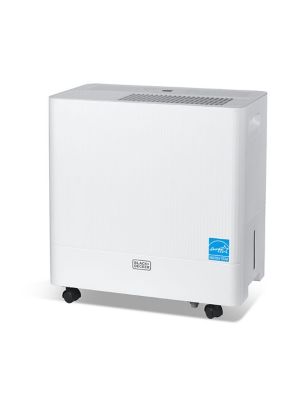
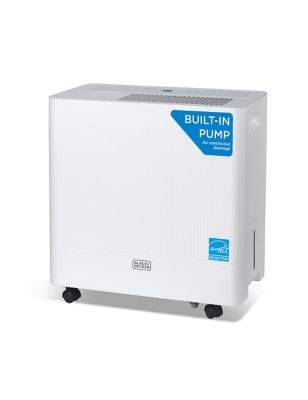
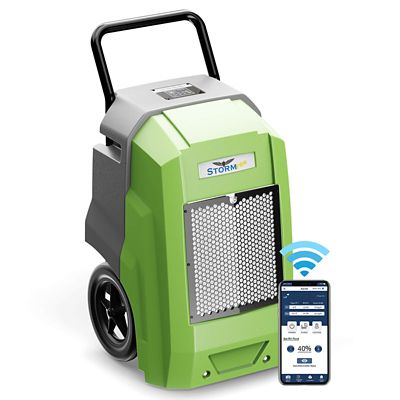
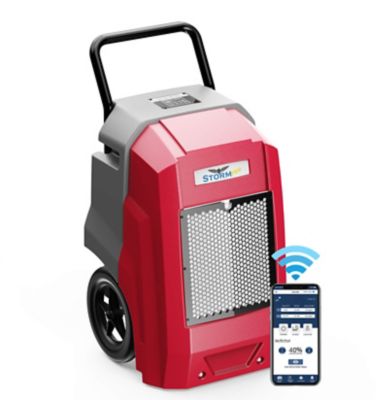
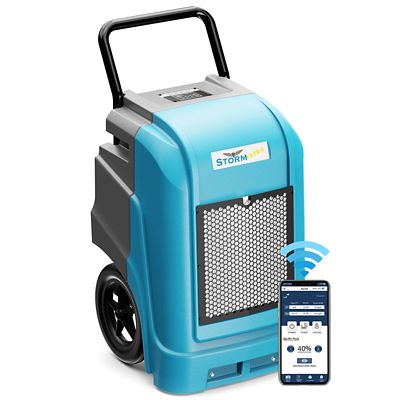
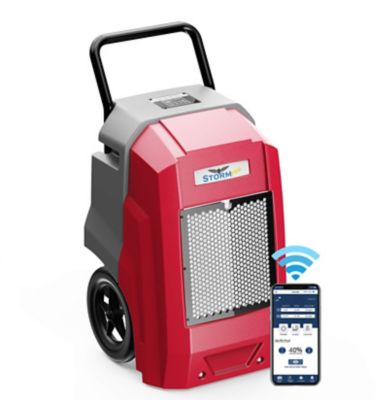
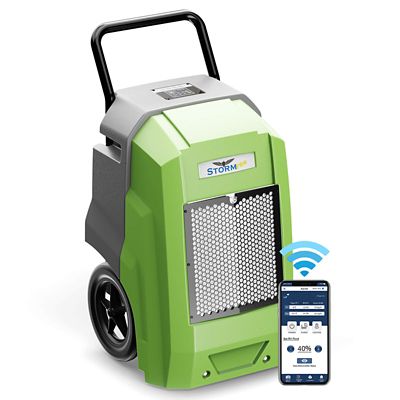
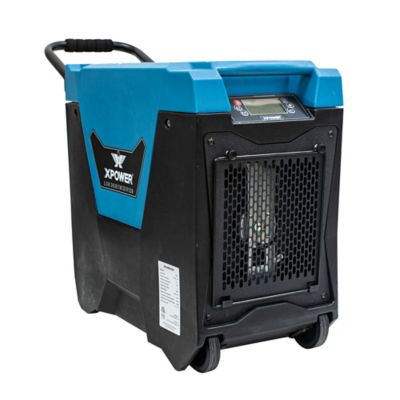
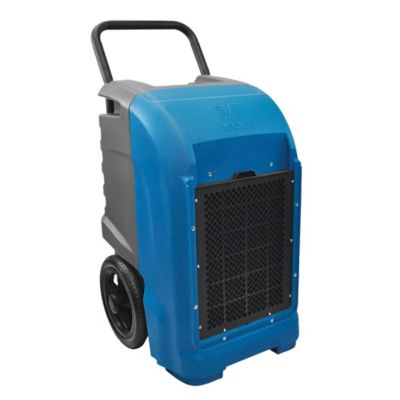
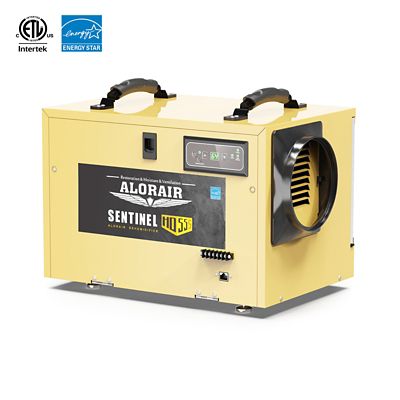
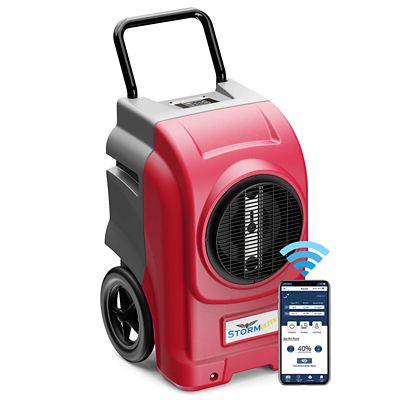
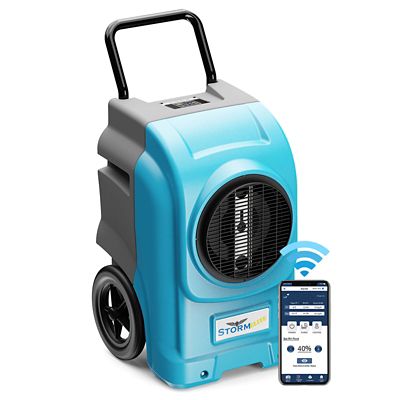
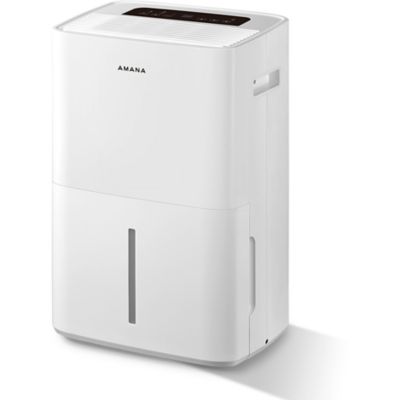
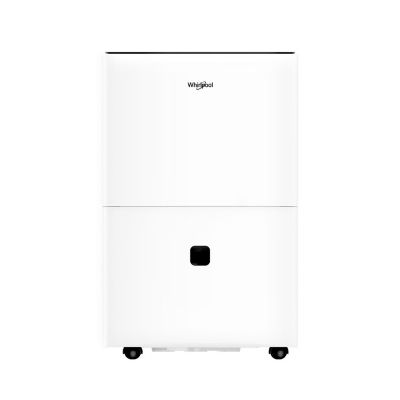
Dehumidifiers with drain hoses make it easier to manage damp air without stopping to empty a water bucket throughout the day. As the unit pulls moisture from the air, condensation collects in an internal reservoir and can flow through a hose to a floor drain, sump pit, utility sink, or another approved drainage point. That continuous setup is handy in basements, workshops, laundry rooms, crawl spaces, storage areas, and other places where humidity tends to hang around. It can also be useful in a garage, especially when wet vehicles, muddy boots, damp cardboard, or seasonal equipment bring extra moisture indoors. For more ideas suited to that kind of space, visit
Garage Dehumidifiers. A hose-connected dehumidifier can help cut down on musty smells, clammy surfaces, condensation on pipes, and the damp feeling that settles into stored belongings. During the warmer part of the year, it may help manage humid outdoor air that sneaks inside, while during cooler months it can be useful in enclosed areas where limited airflow leaves moisture trapped. These units are especially practical for homeowners, renters with an appropriate drainage setup, property managers, shop owners, and anyone caring for a barn office, hunting cabin, workshop, or rural outbuilding. They can also make a thoughtful housewarming gift for someone moving into an older home, finishing a basement, or setting up a new work area, since controlling moisture is part of keeping a space comfortable and protecting the things stored there.
The right drain arrangement depends on where the dehumidifier will sit and where the water needs to go. With a gravity-drain setup, the destination must be lower than the dehumidifier’s drain outlet, and the hose should run steadily downhill from the unit. Avoid upward bends, tight loops, sagging sections, and kinks, since water can collect in those spots and eventually back up or leak. A nearby floor drain is often the simplest option, but a sump pit or low utility sink may work as well when the hose can reach without being stretched or pinched. Many portable dehumidifiers use a threaded drain port that accepts a standard 3/4-inch hose connection, though fittings and hose requirements vary, so checking the product instructions before installation is important. Tighten the connection firmly without forcing it, and make sure any included washer or rubber gasket is seated correctly. A slow drip at the connection can go unnoticed until it damages flooring or leaves a wet patch behind the unit. Set the dehumidifier on a level, solid surface with clearance around the air intake and exhaust, and keep the hose secured so it cannot be pulled loose when sweeping, moving boxes, or walking through the room. A quick look at the drain line every so often helps catch a blocked hose, loose fitting, or unexpected bend before the water has a chance to collect on the floor.
When the available drain is higher than the dehumidifier, farther away, or across the room, a model with a built-in condensate pump may be the better fit. A pump can move collected water upward or across a longer run, often to a sink, standpipe, window outlet, or other suitable destination, but the maximum lift and hose length depend on the unit. Follow the manufacturer’s stated limits rather than assuming every pump can handle the same distance. The hose still needs to be routed carefully, supported along its path, and kept free of sharp bends. Before leaving the setup unattended, run the dehumidifier long enough to confirm that water is leaving the unit and reaching the intended drain without leaking. Capacity matters, too: a small room with occasional dampness may need less moisture removal than a large basement, enclosed shop, or area with frequent wet traffic. Look at the recommended room size, moisture-removal rating, bucket capacity, noise level, operating controls, and energy-use information, while also considering whether the unit will need to run near people, animals, or a sleeping area. Keep doors and windows closed while the dehumidifier is operating so humid outdoor air does not continually replace the air being dried. Clean the air filter as directed, inspect the hose and drain connection, and leave enough room for air to circulate. Used with a sound drainage plan, a dehumidifier with a hose can take much of the daily fuss out of moisture control and help keep work areas, storage rooms, and living spaces feeling drier through changing weather.