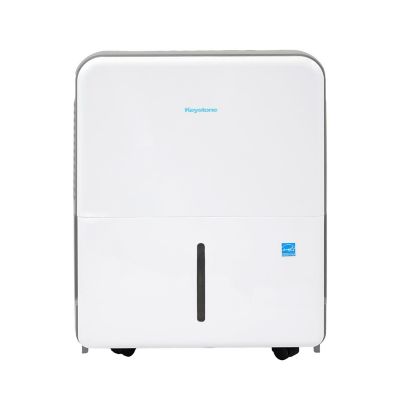
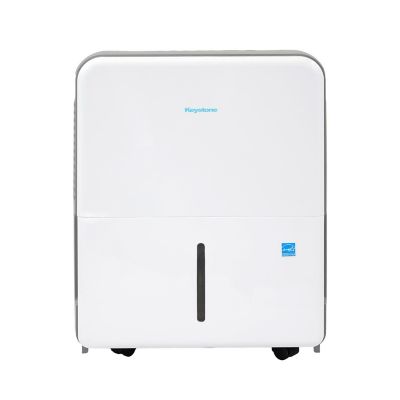
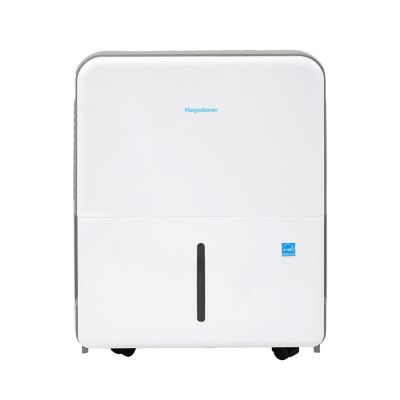
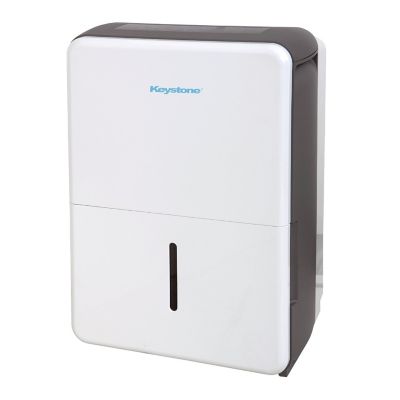
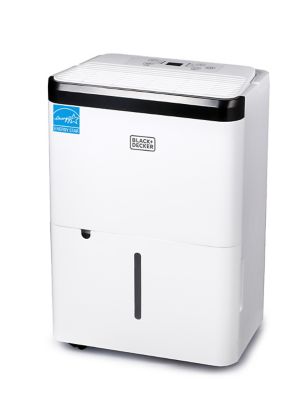
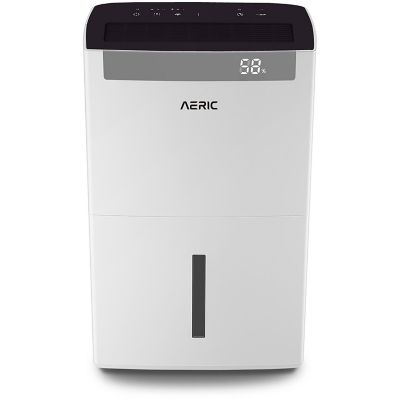
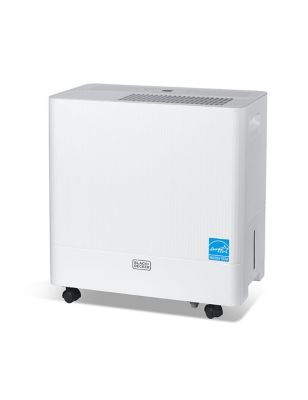
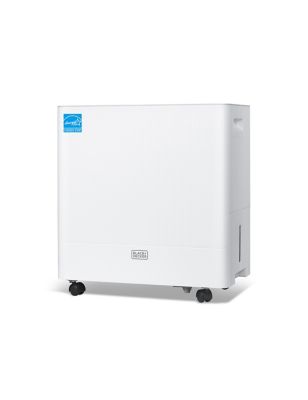
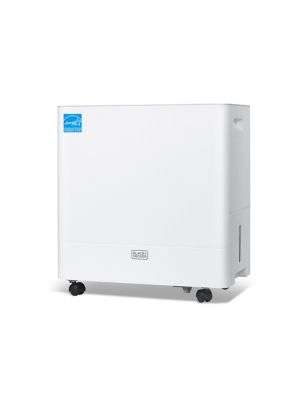
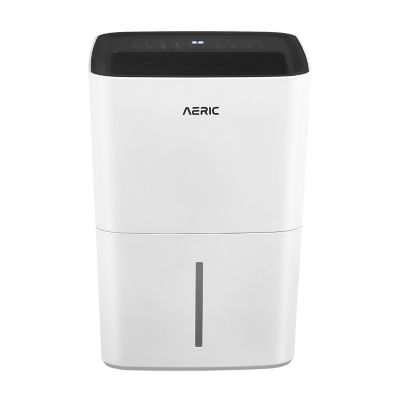
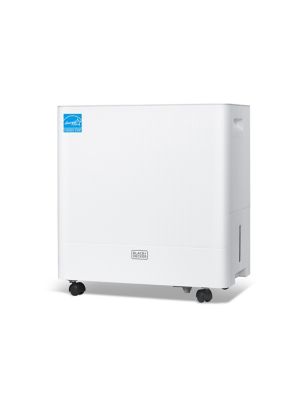
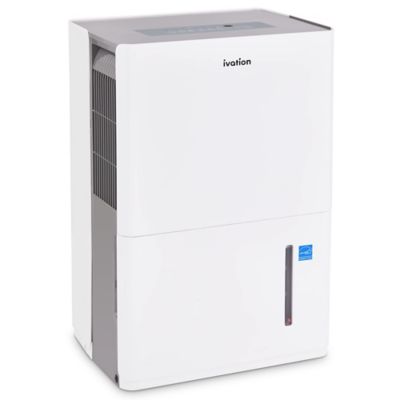
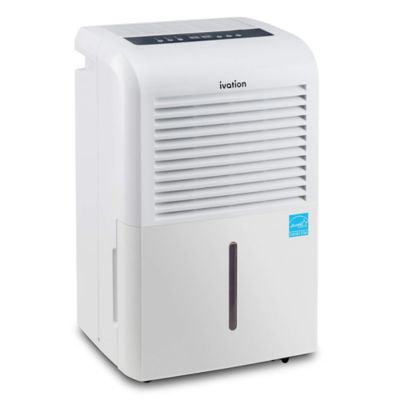
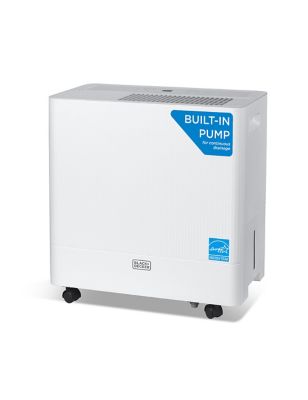
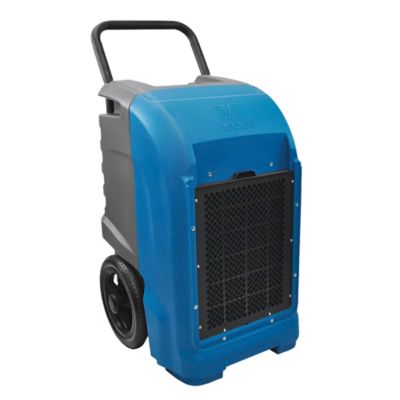
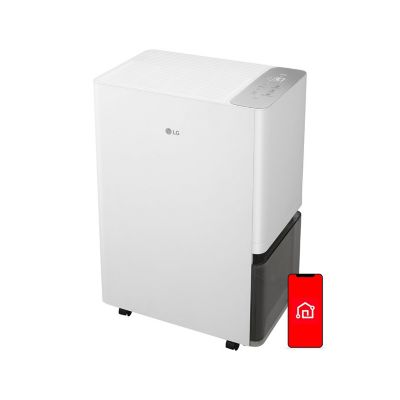
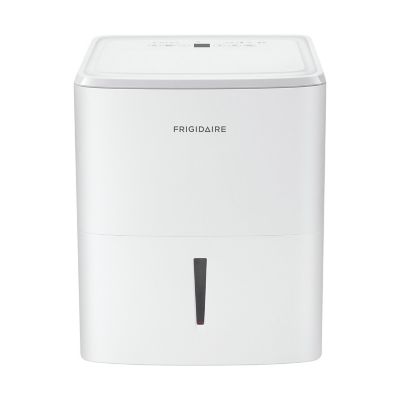
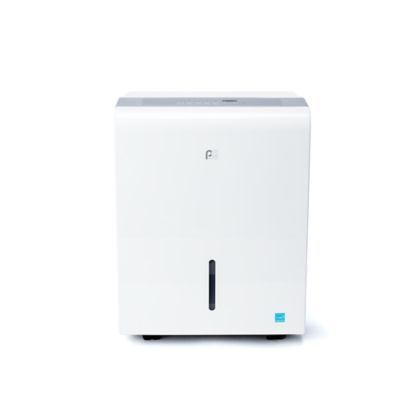
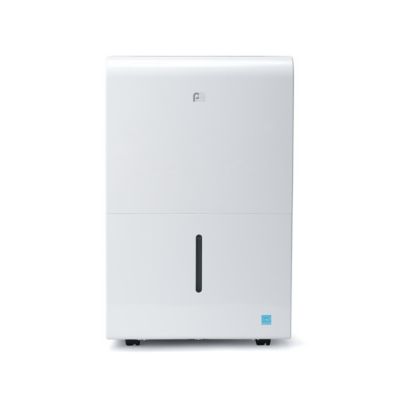
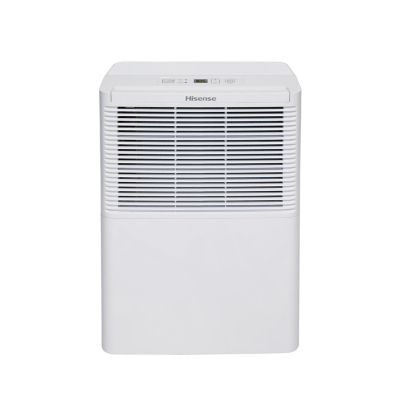
Dehumidifiers with auto restart turn back on after an interruption in electrical power, helping moisture control pick back up without someone having to press the power button. Many models also remember a target humidity setting and fan speed, though the settings retained depend on the unit. That combination comes in handy in a basement, enclosed storage room, or suitable workshop where damp air can leave cardboard boxes soft, fabrics musty, and metal tools more prone to rust. Instead of staying off after power returns, an auto-restart dehumidifier can resume its normal operating cycle when conditions call for moisture removal. A short compressor protection delay may come first, so the fan and compressor do not necessarily start at the same moment. Auto restart is not backup power: the unit cannot remove moisture while electricity is off, and it does not guarantee uninterrupted drainage or operation. A full collection bucket, an improperly seated tank, or another protective shutoff can still keep it from running. Timer behavior also varies, and a countdown or scheduled setting may need to be entered again after an outage. Product specifications and the operating manual should spell out which settings carry over and which conditions prevent a restart. For a homeowner who checks the basement between chores or a property caretaker looking after a separate building, those details matter more than the feature name alone. Automatic restart reduces one routine task, but it does not replace a sound drainage arrangement, regular checks, or attention to the source of dampness. Moisture coming through a foundation wall, a plumbing leak, or standing water needs its own fix. A dehumidifier handles moisture in the air rather than repairing those problems. With that distinction in mind, the feature makes practical sense for spaces that need ongoing humidity control, especially when the unit sits downstairs or somewhere outside the normal daily traffic through the house. It can also spare someone a trip across the property just to restore a setting after a brief power interruption, provided the space and electrical setup meet the unit’s requirements.
The right fit depends on more than whether a dehumidifier can restart itself. Moisture-removal capacity, usually expressed in pints per day, describes how much water a unit can pull from the air under stated test conditions; it is not the same as the amount its bucket holds. A larger bucket can mean fewer trips to empty it, while higher removal capacity addresses a different need. Room size, the amount of dampness, ceiling height, and connections to adjoining spaces all affect performance. A closed basement room with a damp concrete floor presents a different job from a finished room with occasional musty air. Square-footage ratings offer a starting point, but the conditions behind those ratings matter, too. Placement needs some thought in a working space: clear airflow around the intake and outlet helps the unit do its job, and a level floor keeps the collection system positioned as intended. Tucking a dehumidifier behind feed sacks, storage totes, or a workbench can block airflow and make the controls and bucket hard to reach. Drainage is another important distinction. Bucket collection suits locations where someone can empty the tank regularly. A gravity-drain connection can send collected water through a compatible hose to an appropriate drain below the outlet, with a continuous downhill path. A built-in condensate pump, when included, may allow water to travel upward within the lift and distance limits stated by the manufacturer. Neither arrangement should be assumed from an auto-restart label. Hose fit, secure connections, and a drain that can accept the flow are all part of a workable setup. For a crawl space, installation access, clearance, drainage, and equipment specifically intended for that location deserve close attention. A household portable unit should not be treated as suitable for every farm building, open shed, or animal area. Heavy dust, corrosive conditions, and electrical hazards can put a location outside its intended use, regardless of its moisture-removal rating.
Everyday convenience comes from the rest of the design as much as the restart function. A readable display, straightforward humidity controls, a bucket that slides out without a wrestling match, and a handle that feels steady when the tank contains water can make routine checks easier. Casters help with movement across a suitable level floor, but a full collection tank should generally be emptied before moving the unit, following the manual. Cabinet materials, protected coils, accessible filters, and well-supported hose connections are worth comparing for a space where equipment may share room with shelving and tools. Plastic housings can be wiped down as directed, while filters need the cleaning or replacement schedule specified for their design; not every filter is washable. Dust buildup restricts airflow, and a neglected bucket or drain hose can develop residue that calls for cleaning. Auto restart does not remove those upkeep needs. For ongoing operation, a humidistat helps the unit cycle around a selected moisture level rather than running simply because power is present. Indoor relative humidity between about 30% and 50% is a common target, although the needs of the space and its contents should shape the setting. Pulling the setting lower than necessary can add run time without a useful payoff. Shoppers comparing power consumption alongside automatic operation can also look at
Energy Efficient Dehumidifiers for another way to narrow the search. Noise level matters near a bedroom, home office, or gathering space, while easy drainage may carry more weight in a basement utility area. Electrical requirements matter everywhere: the outlet, circuit, and any restrictions on extension cords should match the manufacturer’s instructions. Taken together, sensible capacity, suitable placement, manageable upkeep, and clearly described power-loss memory make dehumidifiers with auto restart a practical option for moisture control that can resume after an interruption without adding another button to the chore list.