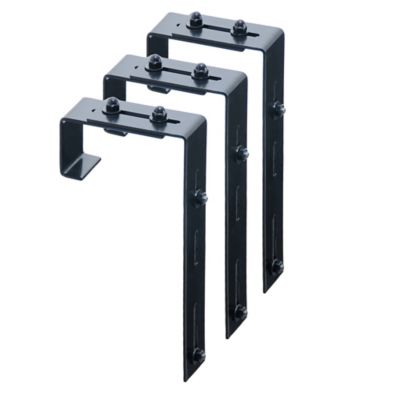
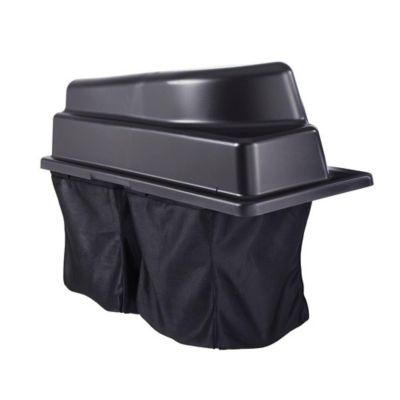
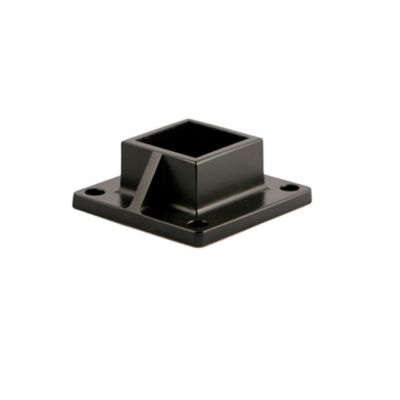
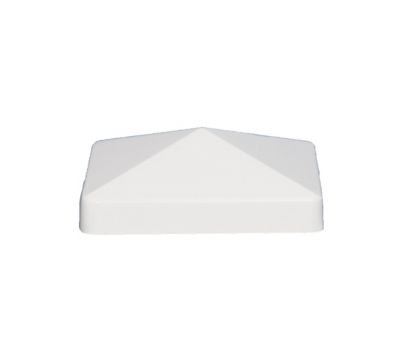
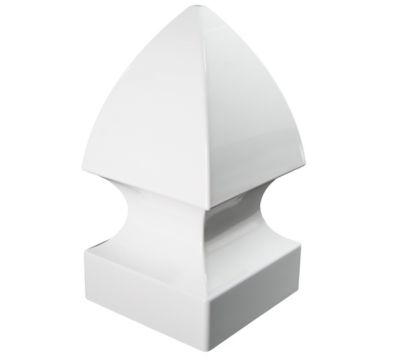
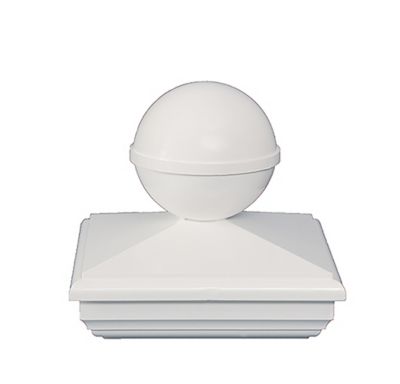
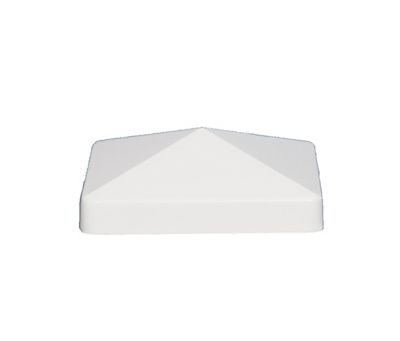
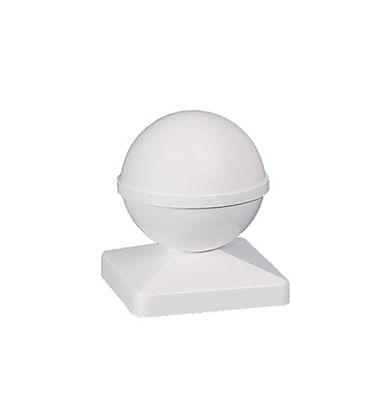
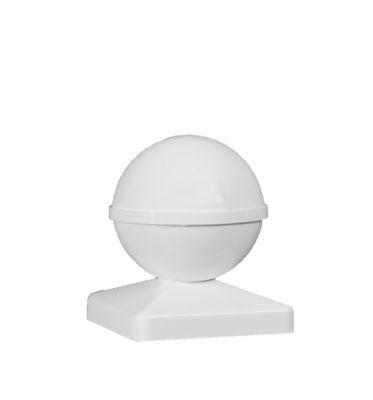
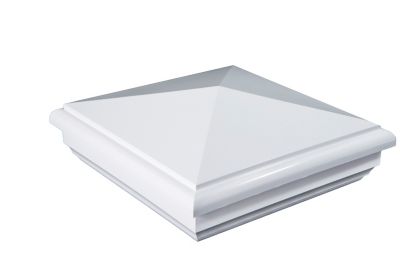
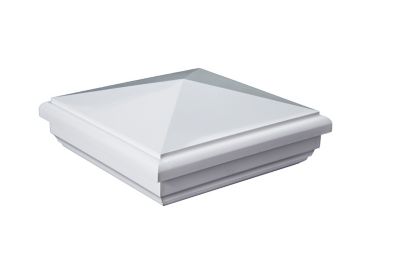
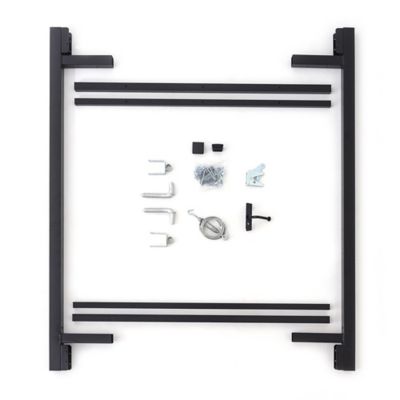
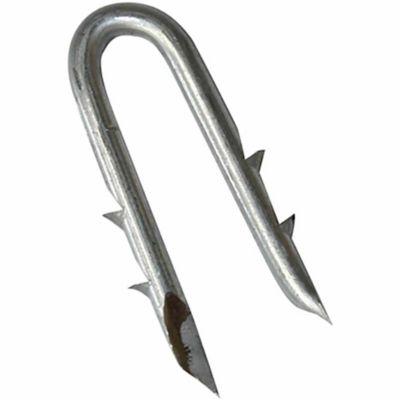
Deck accessories include the hardware, finishing pieces, lighting, and comfort additions that make an outdoor platform feel complete and work better day to day. Some connect framing members or cover exposed ends; others help define a gathering spot, brighten a stairway, or make room for a quiet cup of coffee after chores. The right mix depends on how the deck is built and what happens there, whether that means family suppers near the back door or a clear route between the house and the yard. Structural hardware serves a different purpose from finishing trim, so appearance alone does not tell the whole story. Connectors and fasteners need to match the framing material, board dimensions, connection type, and load requirements specified for the project. Steel components, stainless steel fasteners, and coated hardware have different applications, particularly around pressure-treated lumber and other materials that can affect metal over time. Manufacturer compatibility matters more than simply matching the color of a screw head or bracket. Hidden fastening systems can leave the walking surface with fewer visible fasteners, while matching plugs and end caps help finish edges and attachment points. These components need to fit the board profile and fastening system rather than just look close enough. Joist protection tape can help limit moisture contact at the tops of framing members, but it does not replace sound framing, proper spacing, or drainage. Wood, composite, metal, and plastic also differ in how they accept fasteners and respond to expansion or movement. A replacement cap that matches the outside measurement may still have the wrong inside opening, and a bracket meant for one post arrangement may not suit another. Those details matter on a small repair just as much as on a larger refresh. For load-bearing connections, the deck plan, applicable building requirements, and the hardware maker’s instructions remain the basis for selecting parts.
Railings, post accessories, and lighting shape how the deck feels from the doorway to the steps. Coordinating deck accessories with
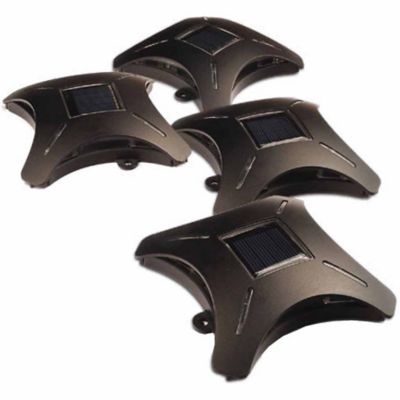
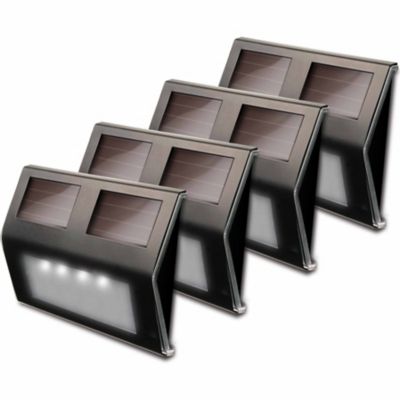
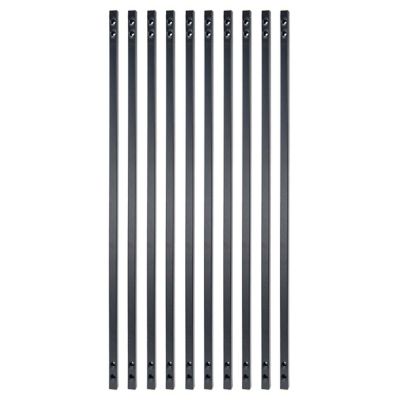
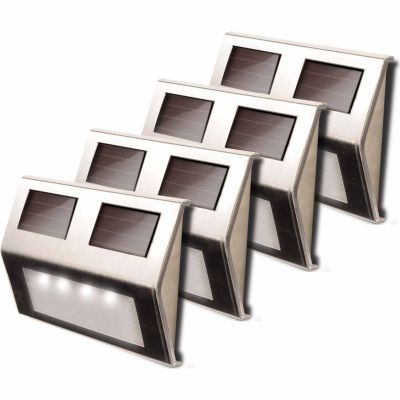
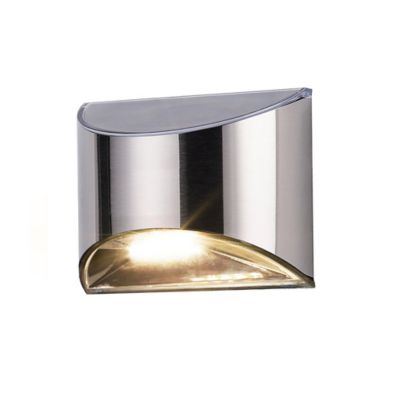
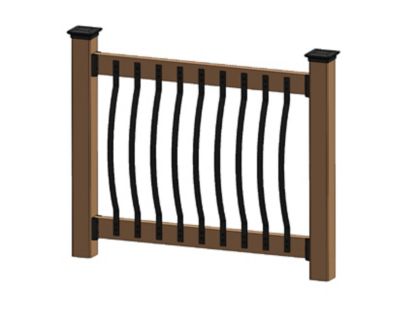
Deck Railings helps bring posts, balusters, caps, trim, and mounting hardware into one consistent look. A simple metal profile can keep sightlines open toward the pasture or garden, while wood and composite components can give the perimeter a more substantial appearance. Finish color is only one part of the match: post dimensions, rail height, mounting surfaces, and the slope of a stair run also affect compatibility. Level sections and stair sections are not interchangeable, and a handrail has a different job from a guard along an elevated edge. Local requirements determine where guards and handrails belong, along with their dimensions and spacing. Trim sleeves and post caps finish an installation, but they do not add structural support unless the component is specifically designed and rated for that purpose. Lighting adds another layer of function without needing to take over the whole space. Post-mounted, step, and under-rail lighting can help make edges and changes in elevation easier to see after dark. A softer light near seating keeps conversation comfortable, while a clearly lit route to the door helps when hands are full with supper dishes. Solar lighting depends on access to daylight, and low-voltage systems require compatible power supplies, connections, and cable routing. Fixtures should be rated for their intended location, with placement that keeps cords and hardware out of walking paths. Access for cleaning and replacing serviceable parts matters, too, especially around narrow stairways or closely spaced posts. Lighting supports visibility, but it does not take the place of secure rails, clear steps, and sound walking surfaces. Keeping those functions separate makes it easier to choose accessories that look right together while each does its own job.
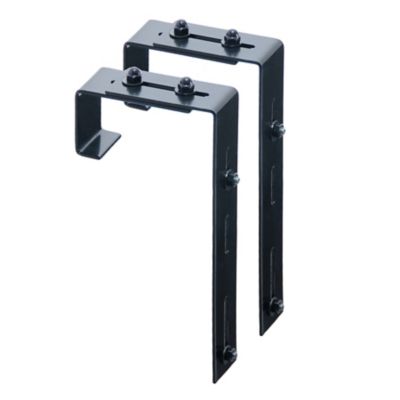
Comfort-focused deck accessories help turn a pass-through space into somewhere folks want to settle in. Seating, cushions, outdoor rugs, shade accessories, and storage can support everything from a short break in work clothes to a family meal that stretches into the evening. Scale makes a noticeable difference. Deep seating needs room beyond its footprint, dining chairs need space to pull back, and a storage lid needs clearance to open without hitting a rail. A deck that connects the kitchen to the yard also benefits from an open walking lane, especially with children, pets, and people carrying plates moving through the same area. Materials influence both feel and upkeep. Aluminum is relatively light to reposition, steel brings more heft, and wood offers a natural surface with care needs that depend on its species and finish. Woven surfaces and cushion seams can collect crumbs, dust, and pet hair, so accessible corners and removable covers can make cleanup less of a chore. Fabric care labels determine whether covers can go in a washing machine or need spot cleaning. Rugs and mats need backing suited to the deck surface, since some materials can leave marks or hold moisture against boards. Planters add color and a little growing space near a chair or doorway, but filled containers can weigh much more than empty ones. Drainage, protective feet, and the deck’s load capacity all deserve attention, especially when several containers sit together. Storage can keep cushions and small outdoor essentials close at hand without crowding steps or blocking access to gates. For someone settling into a country home or refreshing a favorite gathering spot, coordinating comfort accessories can make a thoughtful housewarming gift when dimensions and care preferences are known. Across the whole space, finishes that suit the home, parts that fit as intended, and surfaces that are straightforward to clean help the deck feel pulled together without making it fussy. The result is room for everyday living, with the practical details doing their share in the background.