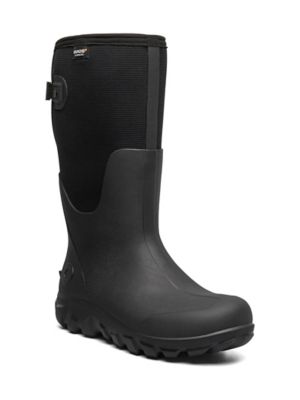
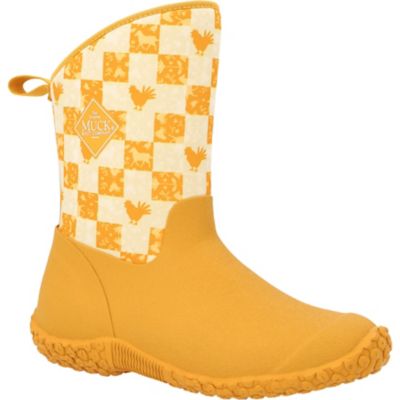
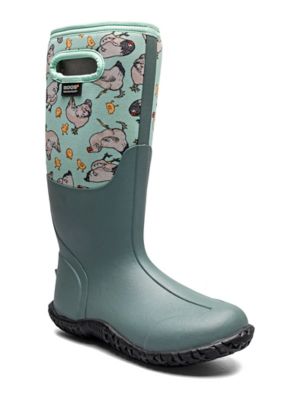
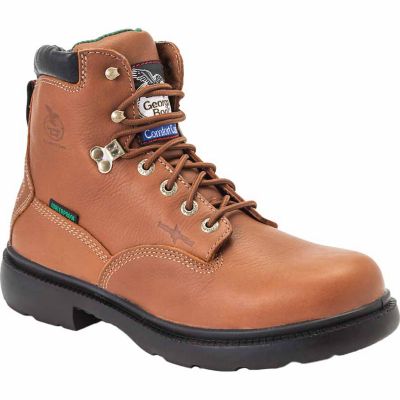
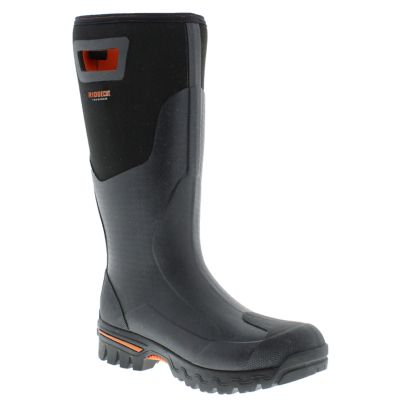
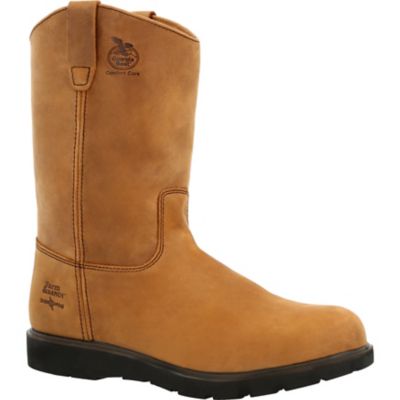
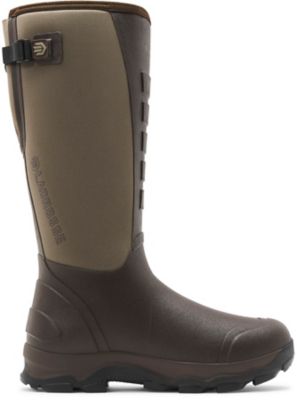
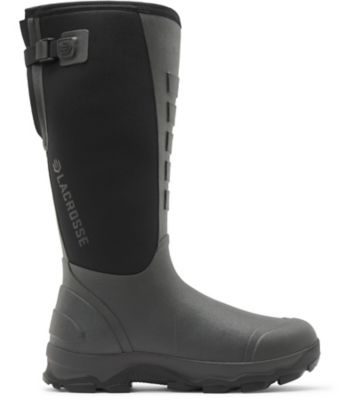
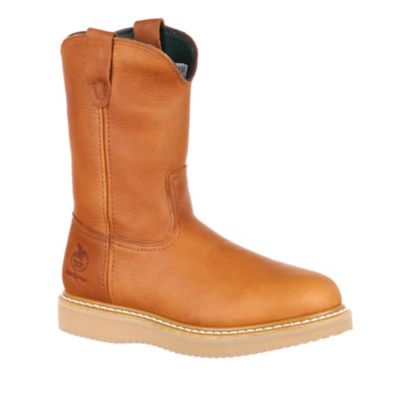
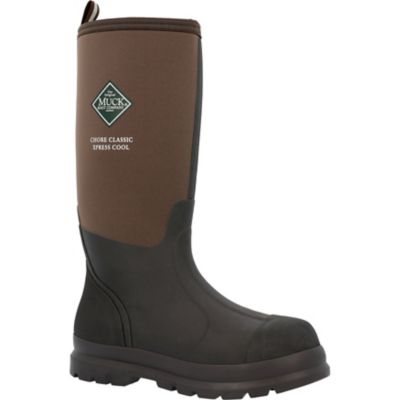
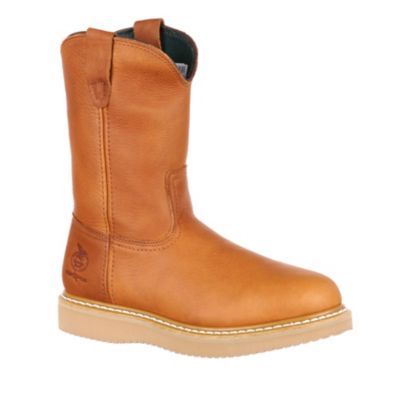
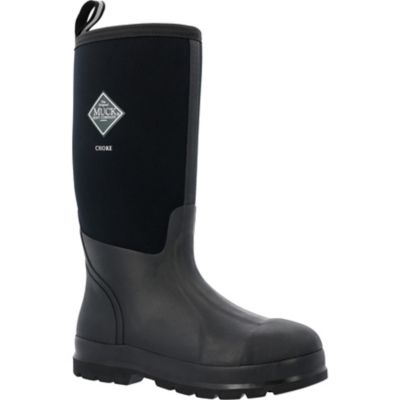
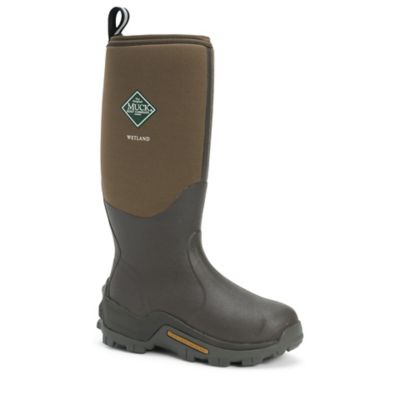
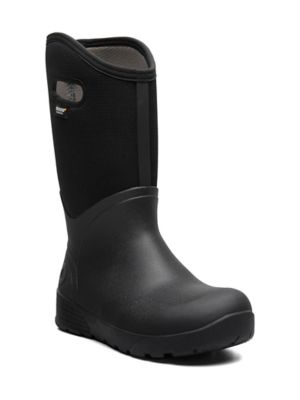
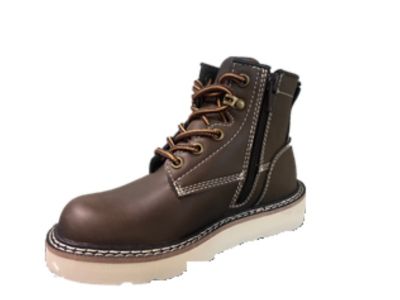
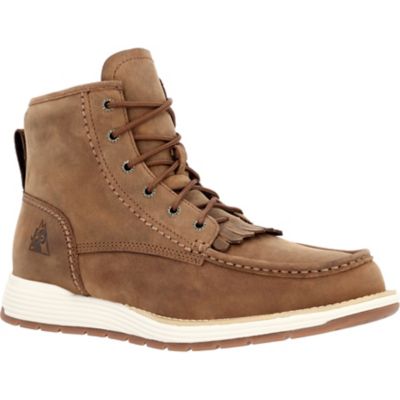
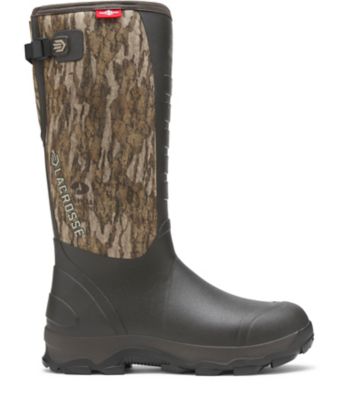
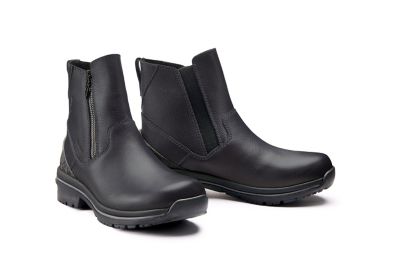
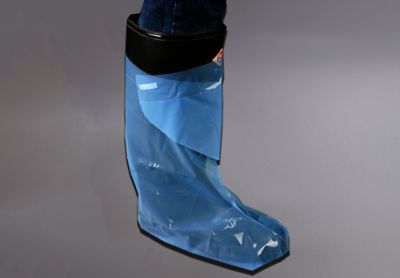
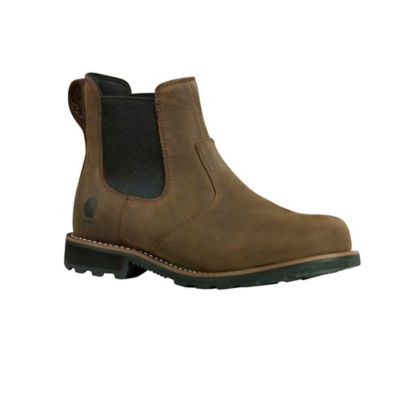
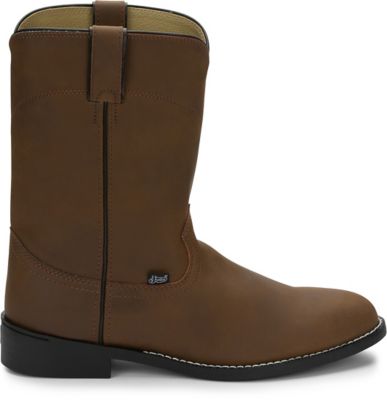
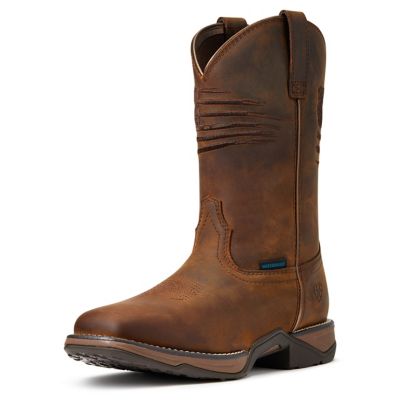
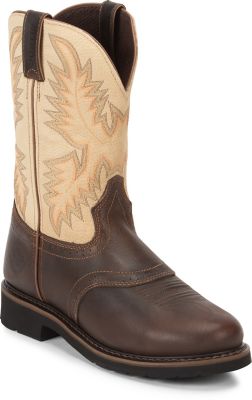
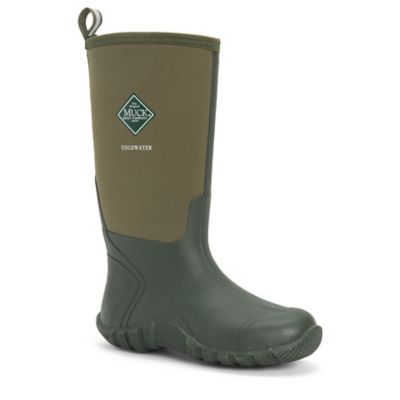
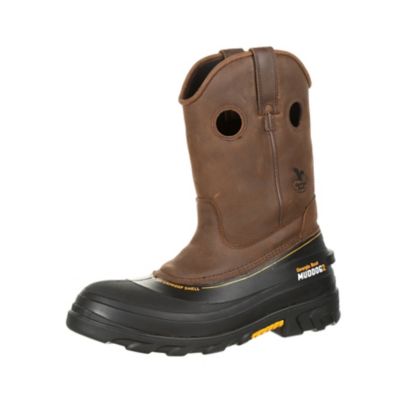
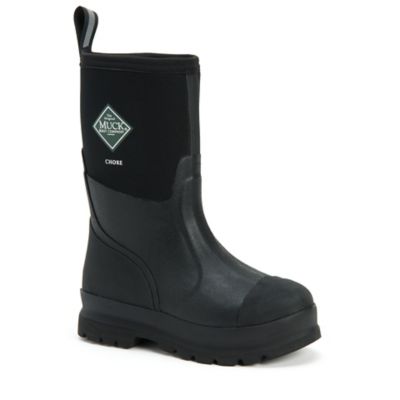
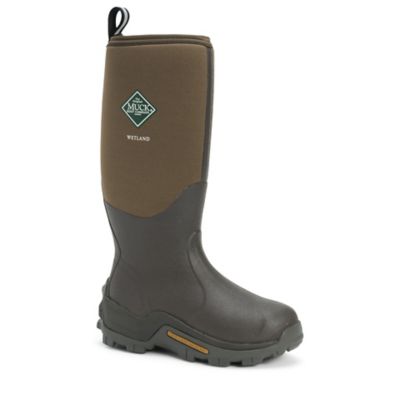
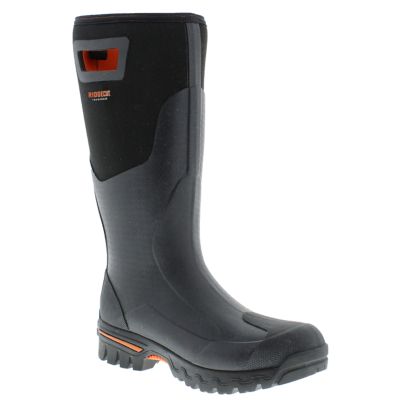
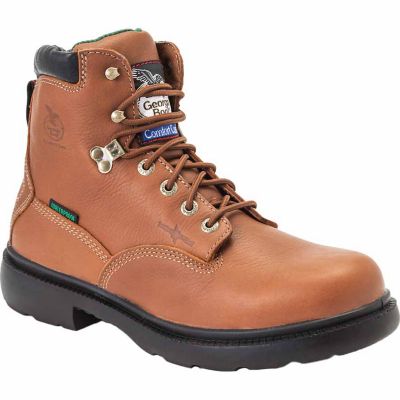
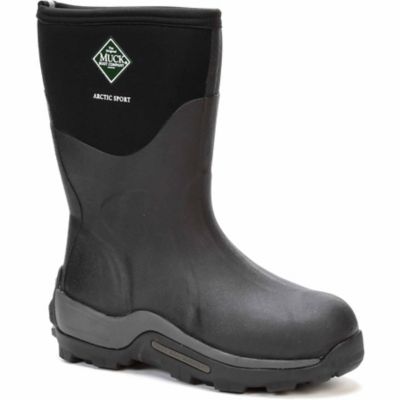
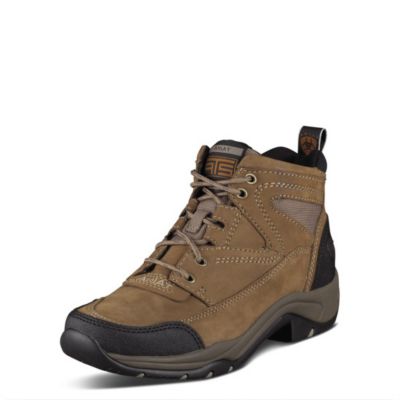
Farm boots are made for the kind of work that does not always wait for perfect weather. They help keep feet dry through wet grass, muddy lanes, spilled water, and early-morning chores, while giving you the support needed for long days on uneven ground. The right pair may be worn by a livestock owner walking fence lines, a farmer moving between the barn and the pasture, a gardener hauling soil, or anyone who spends time around mud, manure, tools, and heavy equipment. Rubber and PVC farm boots are popular for wet chores because they are waterproof, easy to rinse clean, and quick to pull on when a gate needs checking or animals need tending. Neoprene-lined styles can add warmth and cushioning during cooler months, while unlined designs may feel more comfortable as the weather warms. Leather farm boots are a dependable choice for general ranch work, long walks, and jobs that call for more structure around the ankle. Full-grain leather can stand up to daily wear and may resist punctures and barnyard acids better than lighter materials, though it usually needs some break-in time and regular conditioning to stay flexible. Waterproof-treated leather can help shed moisture, but no boot should be left wet for long periods; brush off dirt, let boots dry naturally, and keep them away from direct heat that can crack leather or damage adhesives.
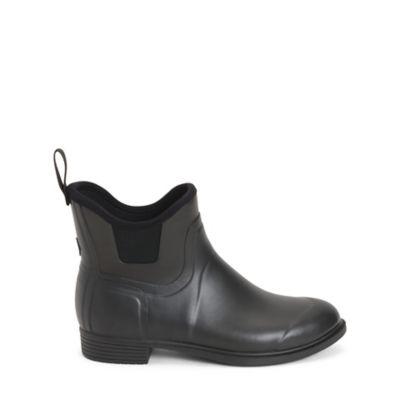
Boot construction makes a noticeable difference once you are on your feet for several hours. Pull-on Wellington-style farm boots are handy when chores come up fast, and their simple design makes them easy to remove before stepping into the house or truck. Look for sturdy pull tabs, a comfortable opening around the calf, and enough room to tuck in work pants without creating pressure. Lace-up farm boots allow a more customized fit around the foot and ankle, which can be useful when walking on slopes, climbing into equipment, or carrying feed. A well-fitted heel should stay in place without rubbing, and your toes should have room to move without sliding forward when you walk downhill. Try boots on with the socks you expect to wear for work, especially thicker wool or moisture-wicking socks during cooler months. Deep, well-spaced lugs help provide traction in mud, gravel, wet concrete, and pasture soil; wider channels can help dirt and manure shed from the sole instead of packing into every groove. A shank made from steel or nylon adds support beneath the foot and helps limit side-to-side twisting on uneven ground, which can reduce fatigue during long walks. If your work involves livestock, stacked materials, machinery, or other falling and rolling hazards, consider safety-toe farm boots with a steel, alloy, or composite toe. Check the boot's labeling for an ASTM F2413 rating when certified impact and compression protection is needed. Safety toes should feel roomy rather than tight, since pressure across the toes becomes especially uncomfortable after a full day of work. Insulation, height, heel design, and sole flexibility matter, too: taller boots help keep out deep puddles and loose debris, while a moderate heel can provide stability without making walking across pasture or packed dirt awkward.
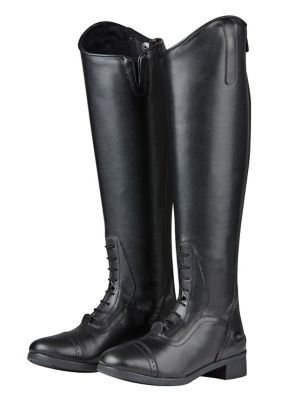
Choosing farm boots also means matching the boot to the chores, the ground, and the amount of time spent wearing them. Someone washing down a barn or working in consistently wet pens may value fully waterproof rubber or PVC construction above all else. A person repairing fences, hauling supplies, or walking several miles across a ranch may prefer the fit and support of leather lace-up boots. If the same pair will be used for both wet and dry work, compare waterproofing, breathability, cleanability, and drying time rather than focusing on one feature alone. Farm boots can make a practical gift for a new landowner, ranch hand, gardener, stable worker, hunter, or anyone settling into a routine of outdoor chores. For a gift, pay close attention to sizing, calf opening, preferred boot height, and whether the wearer needs a safety toe or extra insulation; a gift receipt or easy exchange option is useful when fit is hard to judge. Women shopping for a pair shaped with a more women-specific fit can browse
Women's Farm And Ranch Boots for options suited to farm and ranch work. No matter the style, a little care helps boots last: knock off dried mud before it hardens, rinse away manure and salt, remove insoles when possible so the inside can air out, and rotate between pairs when your schedule allows. Keep rubber boots stored in a cool, shaded place, and condition leather when it begins to look dry. With the right fit, dependable traction, and materials suited to the work, farm boots help keep daily chores moving when the ground is slick, the grass is heavy with dew, or the cooler air settles in around the barn.