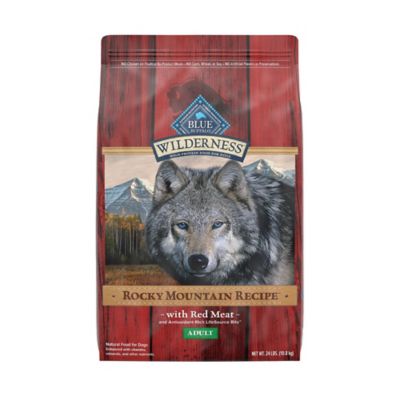
Cyber Monday Offers On Outdoor Pet Accessories
Shop Cyber Monday offers on outdoor pet accessories at Tractor Supply for time in the yard and outings with your pet. Compare prices, sizing and intended use across the selection to find gear that fits your pet and your outdoor routine.
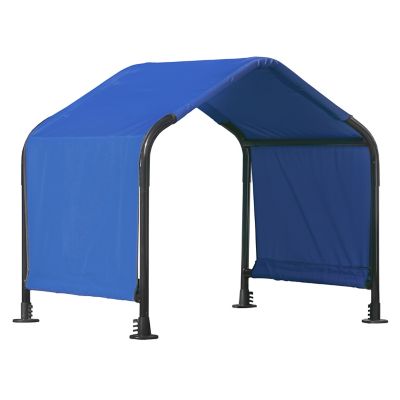
$59
.99
Sale Was $74.99 Save $15.00 (20%)
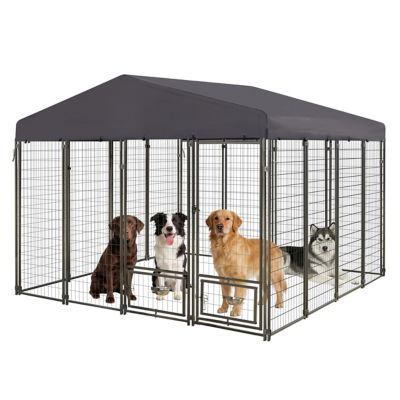
$569
.99
Sale Was $679.99 Save $110.00 (16%)
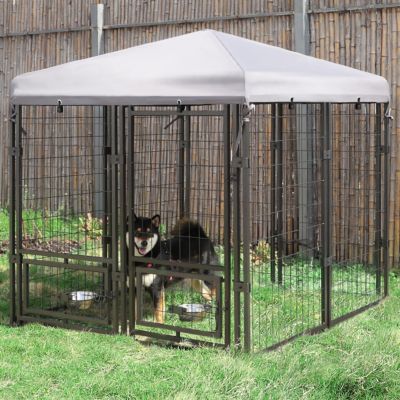
$169
.99
Sale Was $219.99 Save $50.00 (23%)
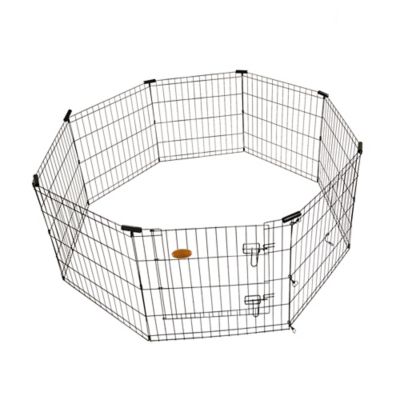
$42
.49
Sale Was $49.99 Save $7.50 (15%)
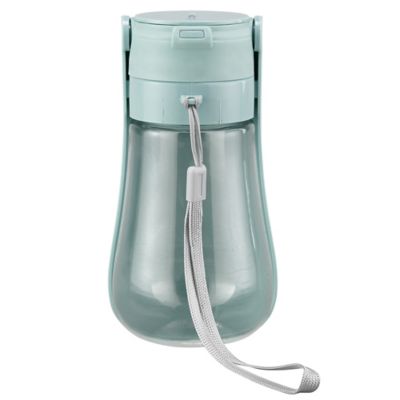
$10
.99
Sale Was $11.99 Save $1.00 (8%)
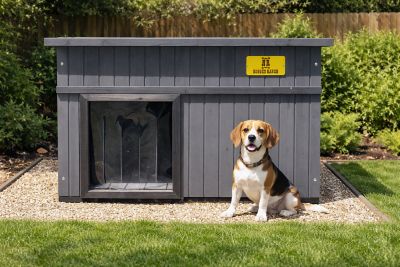
$139
.99
Sale Was $199.99 Save $60.00 (30%)
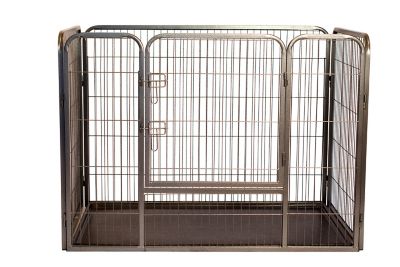
$119
.99
Sale Was $149.99 Save $30.00 (20%)
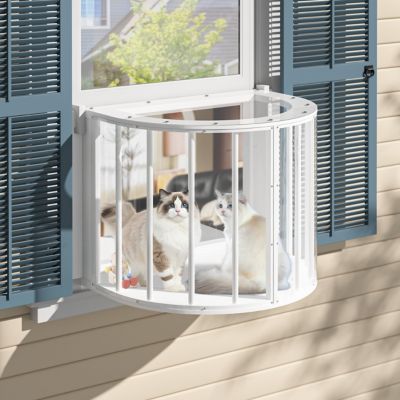
$109
.99
Sale Was $199.99 Save $90.00 (45%)
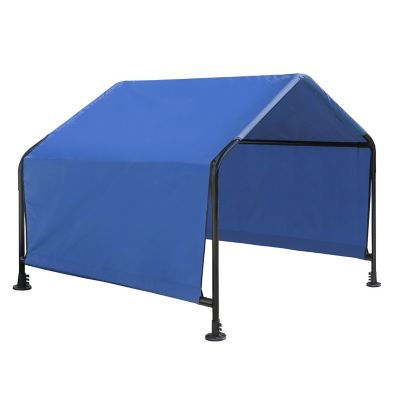
$79
.99
Sale Was $99.99 Save $20.00 (20%)

$54
.99
Sale Was $64.99 Save $10.00 (15%)
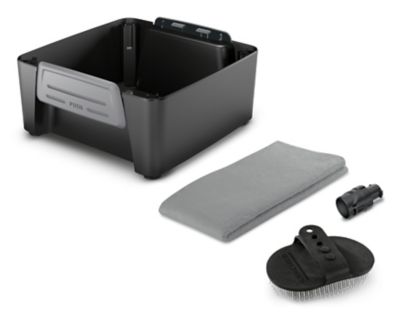
$38
.69
Sale Was $42.99 Save $4.30 (10%)
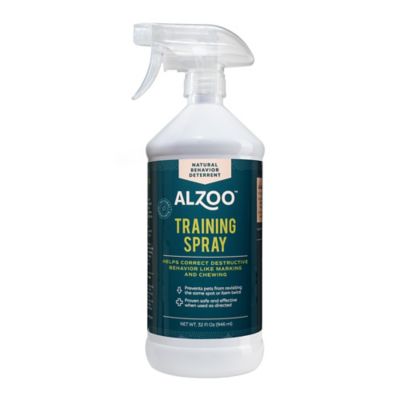
$15
.29
Sale Was $17.99 Save $2.70 (15%)
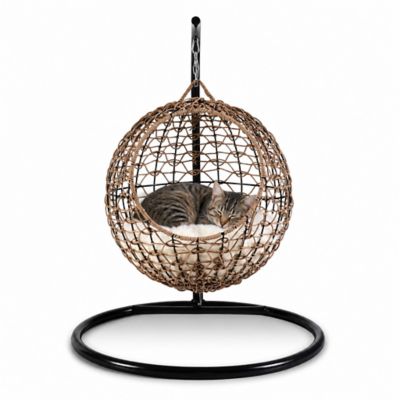
$116
.99
Sale Was $129.99 Save $13.00 (10%)
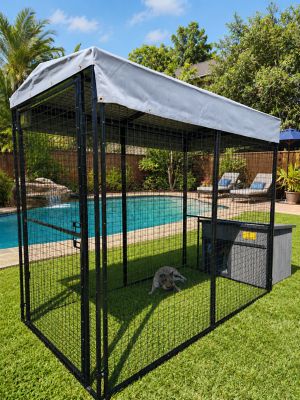
$545
.99
Sale Was $779.99 Save $234.00 (30%)
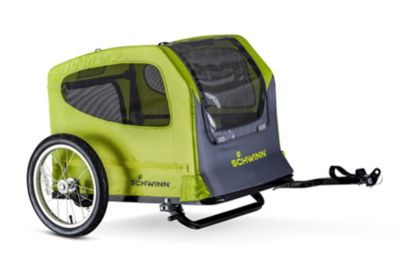
$215
.99
Sale Was $269.99 Save $54.00 (20%)
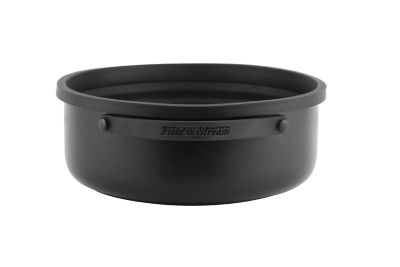
$9
.99
Sale Was $19.99 Save $10.00 (50%)
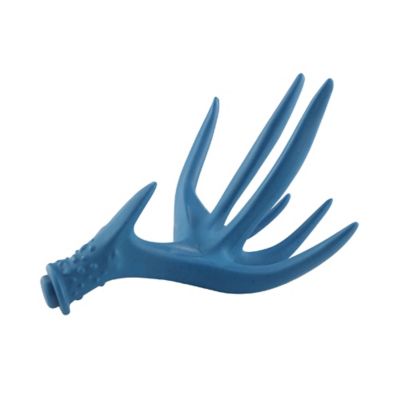
$9
.99
Sale Was $11.99 Save $2.00 (17%)
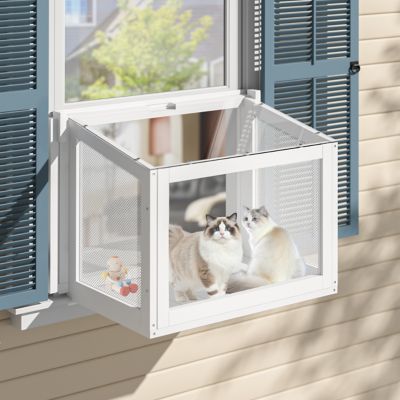
$99
.99
Sale Was $129.99 Save $30.00 (23%)
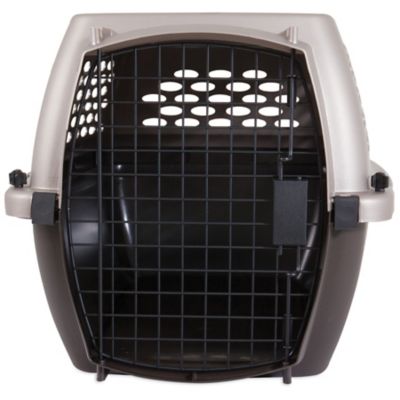
$47
.99
Sale Was $59.99 Save $12.00 (20%)
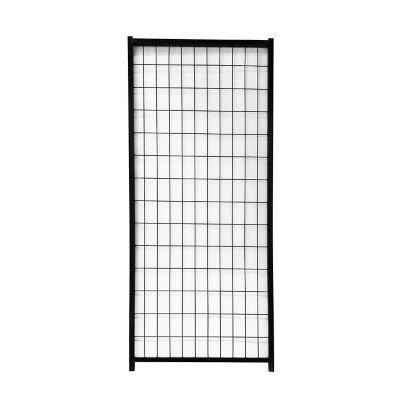
$38
.24
Sale Was $44.99 Save $6.75 (15%)
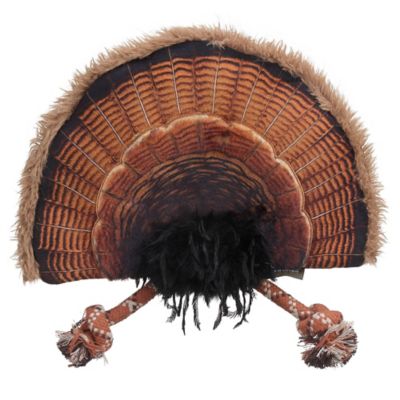
$5
.99
Sale Was $11.99 Save $6.00 (50%)
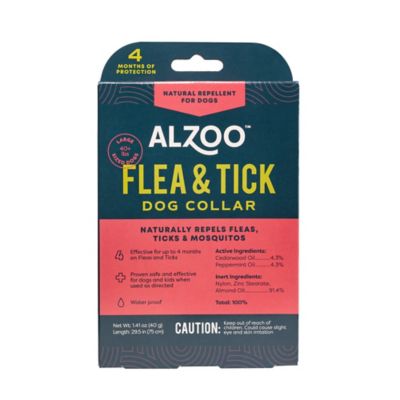
$15
.29
Sale Was $17.99 Save $2.70 (15%)
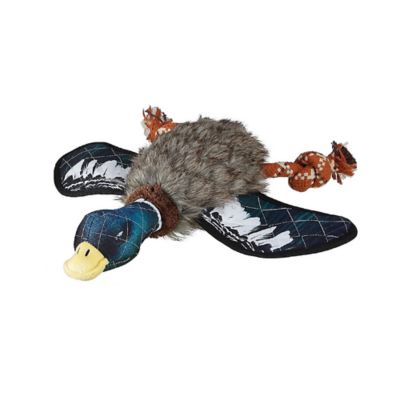
$7
.49
Sale Was $14.99 Save $7.50 (50%)
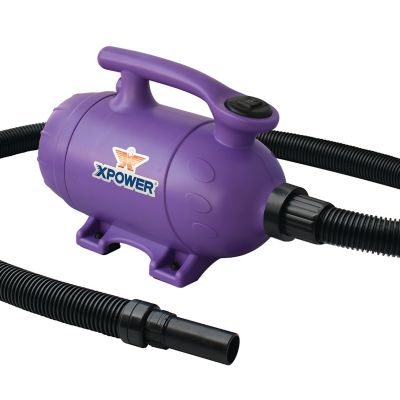
$78
.00
Sale Was $124.99 Save $46.99 (38%)
Best Of FAQ
How can I plan my Cyber Monday shopping for outdoor pet accessories?
Start with your pet’s routine, from walks down the lane to playtime in the yard. Make a list of categories such as leashes, collars, outdoor toys and travel bowls, then check the care details and materials as you browse.
What materials are common in outdoor pet accessories?
Nylon and polyester are common in collars, leashes and harnesses. Bowls often come in stainless steel, plastic or silicone, while outdoor toys may feature rubber or rope. Check each item’s description for its material and care information.
How do outdoor pet accessories differ for walks and backyard play?
Walking gear typically includes collars, harnesses, leashes and waste bag holders. Backyard play gear centers on fetch balls, flying discs and tug toys. Portable bowls can be part of either routine, whether you’re heading down the road or hanging around the yard.
How should I clean outdoor pet accessories after a muddy day?
Follow the care label for each item. Some fabric accessories call for hand-washing, while certain bowls and toys have dishwasher instructions. Brush off loose dirt first, and let washed gear dry fully before putting it away.
How can I organize outdoor pet accessories between outings?
Keep leashes and collars on hooks near the door, gather toys in a washable bin and give travel bowls a spot with your outing gear. A mudroom shelf or tote makes a handy home for the things you grab before heading outside.
Best Sellers
-
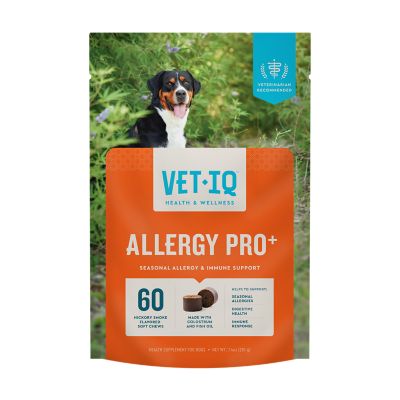
"These are perfect for seasonal allergies and keep our dogs feeling their best"
-
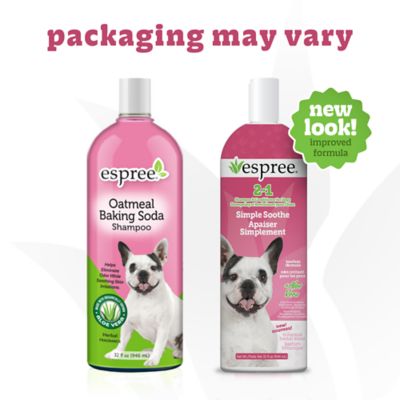
"Great shampoo for all dogs!! Easily rinses out with warm water and leaves dog smelling clean"
-
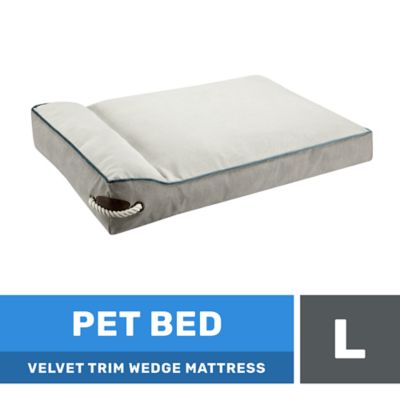
"Best dog bed I ever purchased. I have two dogs and they love them"
-
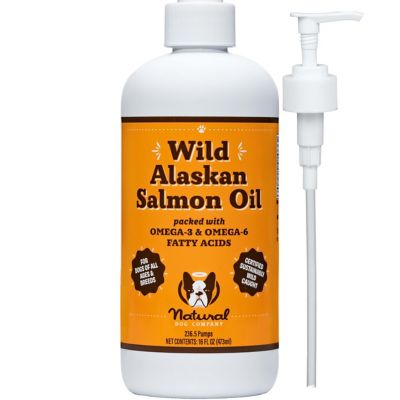
"My dogs love the salmon oil, there picky eaters and this stuff squirt on top of food they eat it right"
-
"We have a 5 year dd Great Pyrenees and he refuses to eat anything else. Only the best for him"