Cyber Monday Deals On Dog Food
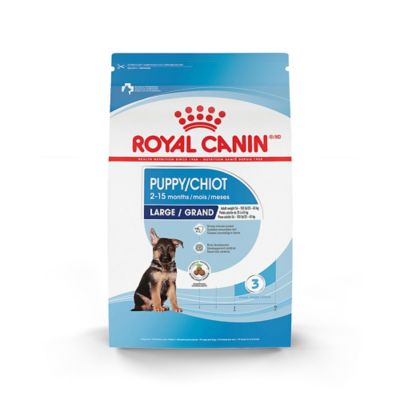
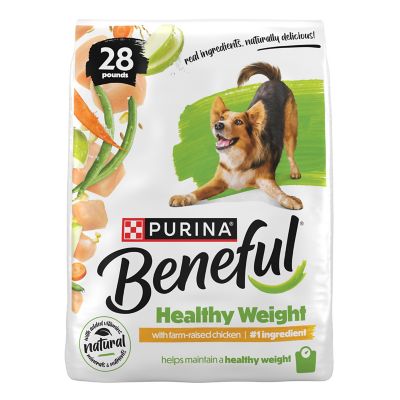
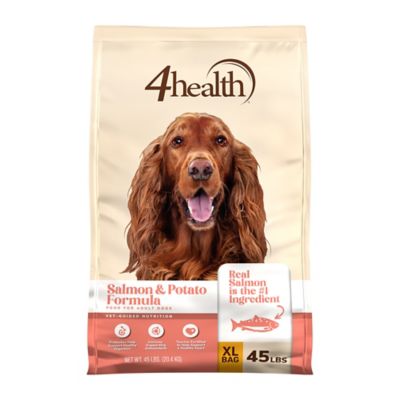
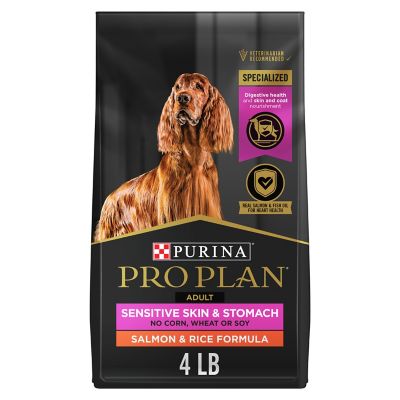
Shop Cyber Monday deals on dog food at Tractor Supply to stock up for your four-legged crew. Browse the current offers and compare prices, package sizes and feeding recommendations to find food that fits your dog's needs and your budget.

$25
.97
Sale Was $25.98 Save $0.01 (0%)
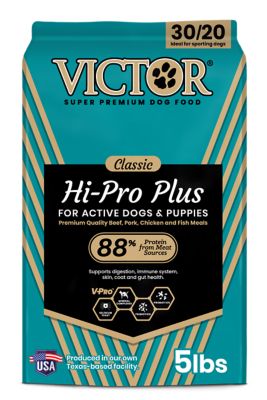
$12
.49
Sale Was $16.99 Save $4.50 (26%)
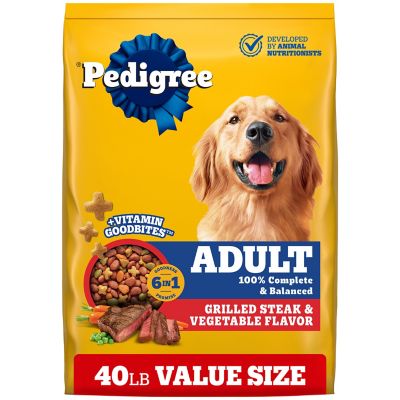
$25
.97
Sale Was $25.98 Save $0.01 (0%)
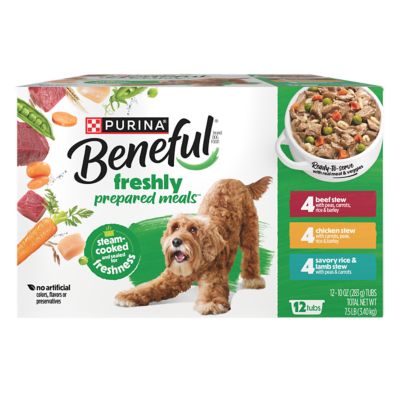
$24
.99
Sale Was $33.29 Save $8.30 (25%)

$79
.98
Sale Was $81.99 Save $2.01 (2%)
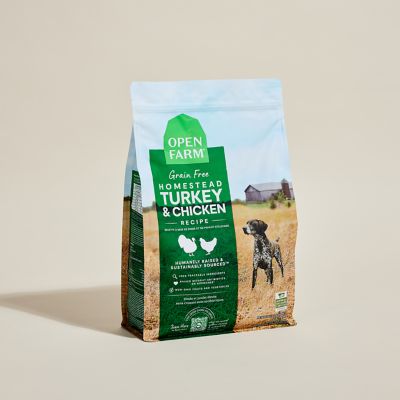
$82
.99
Sale Was $89.99 Save $7.00 (8%)
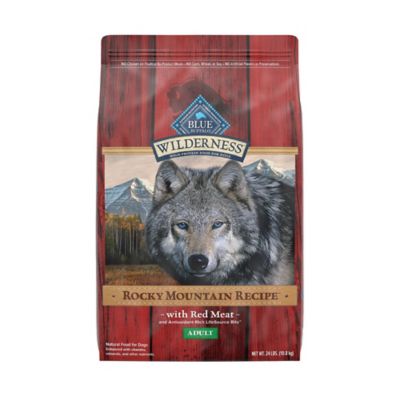
$73
.99
Sale Was $77.99 Save $4.00 (5%)

$87
.99
Sale Was $94.99 Save $7.00 (7%)
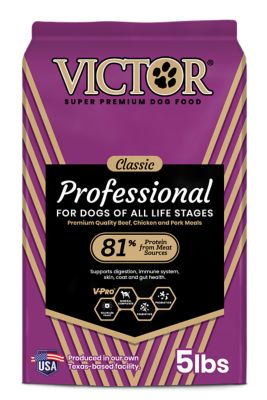
$10
.99
Sale Was $12.99 Save $2.00 (15%)
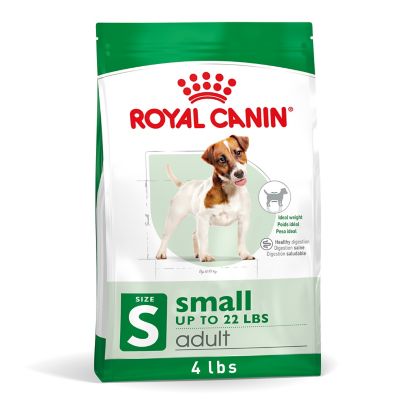
$23
.49
Sale Was $26.49 Save $3.00 (11%)
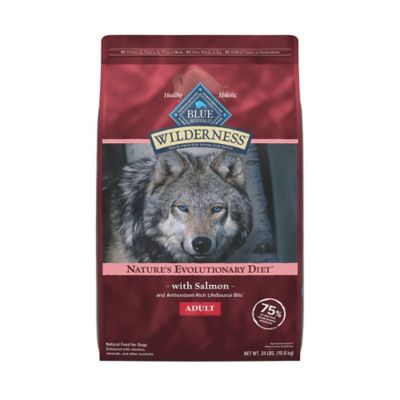
$72
.99
Sale Was $76.99 Save $4.00 (5%)

$11
.29
Sale Was $15.29 Save $4.00 (26%)

$74
.99
Sale Was $89.99 Save $15.00 (17%)
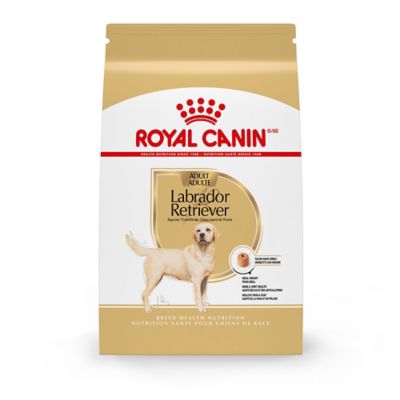
$89
.99
Sale Was $99.99 Save $10.00 (10%)
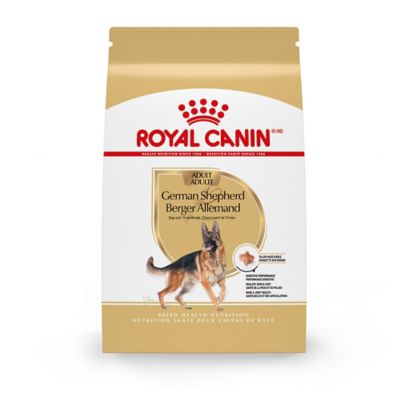
$89
.99
Sale Was $99.99 Save $10.00 (10%)

$10
.29
Sale Was $14.29 Save $4.00 (28%)
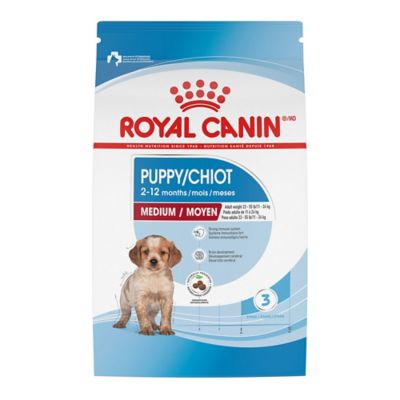
$24
.99
Sale Was $27.99 Save $3.00 (11%)
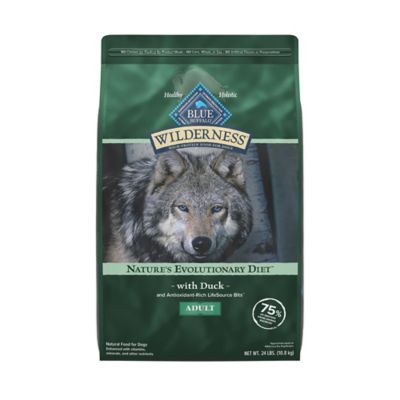
$72
.99
Sale Was $76.99 Save $4.00 (5%)
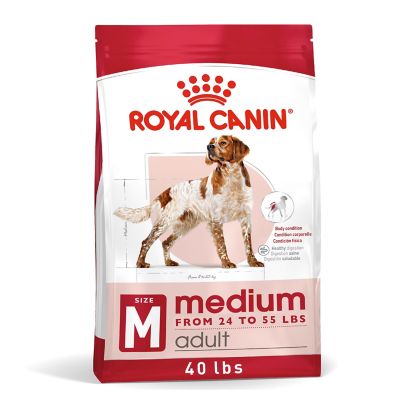
$89
.99
Sale Was $99.99 Save $10.00 (10%)
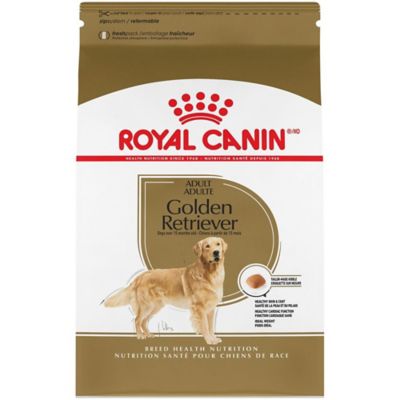
$89
.99
Sale Was $99.99 Save $10.00 (10%)
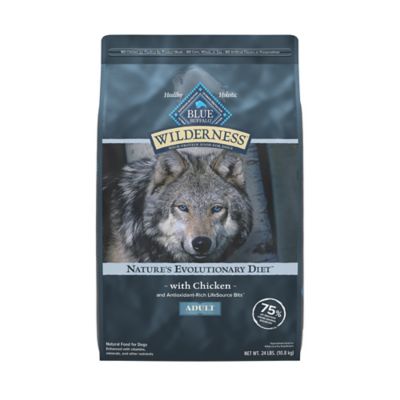
$67
.99
Sale Was $71.99 Save $4.00 (6%)

$13
.49
Sale Was $17.49 Save $4.00 (23%)
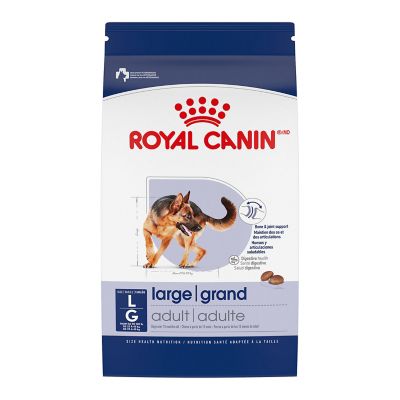
$89
.99
Sale Was $99.99 Save $10.00 (10%)
$89
.99
Sale Was $99.99 Save $10.00 (10%)
Best Of FAQ
What should I compare when browsing Cyber Monday deals on dog food?
Start with the food form, life-stage label and ingredient list. Comparing those details side by side helps you sort through recipes without getting sidetracked by packaging.
How do dry and wet dog food differ?
Dry dog food comes as kibble with a crunchy texture and less moisture. Wet dog food has more moisture and comes in textures such as pâté, chunks or shreds, often packed in cans, trays or pouches.
What is the difference between grain-free and grain-inclusive dog food?
Grain-inclusive recipes contain ingredients such as rice, oats or barley. Grain-free recipes leave out grains and may contain potatoes, peas or lentils instead. Grain-free doesn't mean carbohydrate-free, so check the ingredient list for the full picture.
How can I tell which protein sources are in a dog food recipe?
Check the ingredient list for named sources such as chicken, beef, salmon or lamb. Ingredients appear in descending order by weight, and a recipe named for one meat may contain other animal proteins, too.
What does the life-stage label on dog food mean?
The life-stage label identifies whether a recipe is intended for growth, adult maintenance or all life stages. Look for the nutritional adequacy statement on the package for that designation; front-label terms such as 'senior' provide additional recipe information.
Best Sellers
-
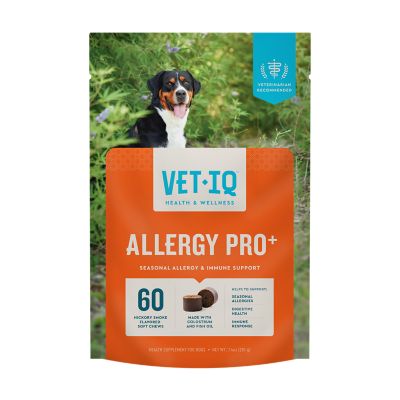
"These are perfect for seasonal allergies and keep our dogs feeling their best"
-
"Best dog bed I ever purchased. I have two dogs and they love them"
-
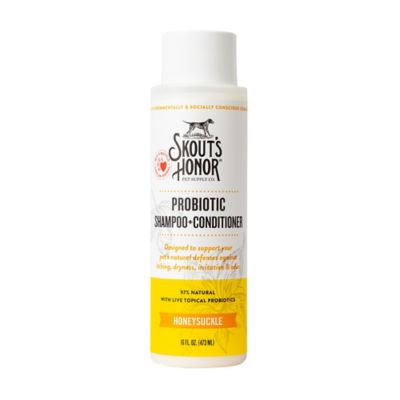
"Skout's Honor Probiotic Shampoo + Conditioner is probably the best available"
-
"They don’t give off a strong smell and my dogs love them! They’re soft for their smaller mouths"
-
"I love this store they are great the best service ever"