Cyber Monday Discounts On Animal Care Essentials
Shop Cyber Monday discounts on animal care essentials at Tractor Supply to restock supplies for your everyday care routine. Browse the selection and compare sale prices, sizes and intended uses to find options that fit the animals you care for and the chores ahead.
$11
.99
Sale Was $15.99 Save $4.00 (25%)
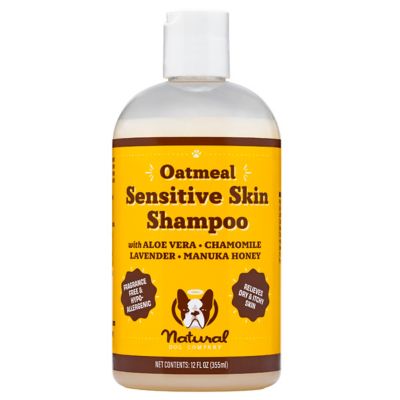
$15
.99
Sale Was $19.99 Save $4.00 (20%)

$10
.99
Sale Was $16.99 Save $6.00 (35%)
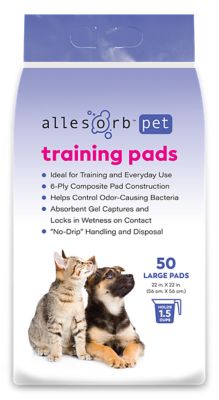
$11
.99
Sale Was $14.99 Save $3.00 (20%)

$10
.99
Sale Was $16.99 Save $6.00 (35%)

$9
.34
Sale Was $10.99 Save $1.65 (15%)
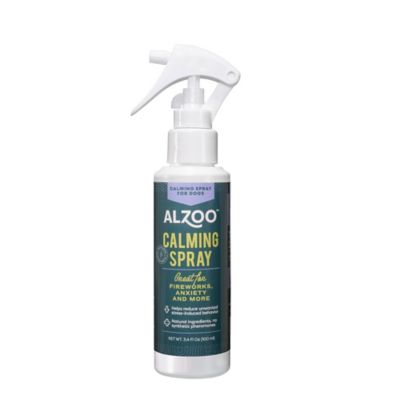
$14
.10
Sale Was $16.59 Save $2.49 (15%)
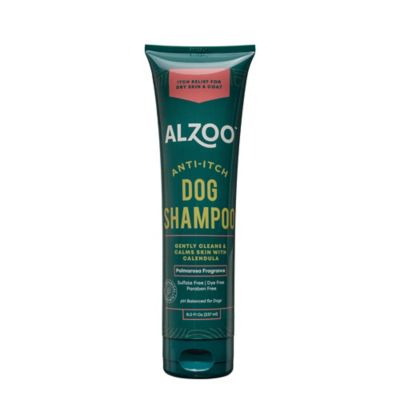
$11
.89
Sale Was $13.99 Save $2.10 (15%)
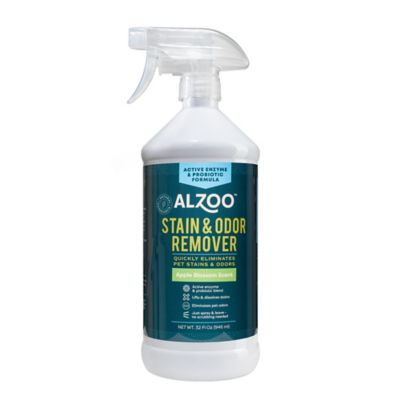
$13
.59
Sale Was $15.99 Save $2.40 (15%)

$14
.10
Sale Was $16.59 Save $2.49 (15%)
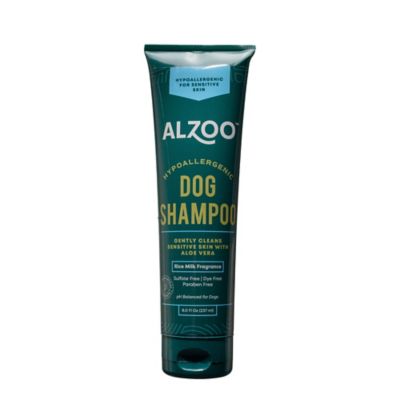
$11
.89
Sale Was $13.99 Save $2.10 (15%)
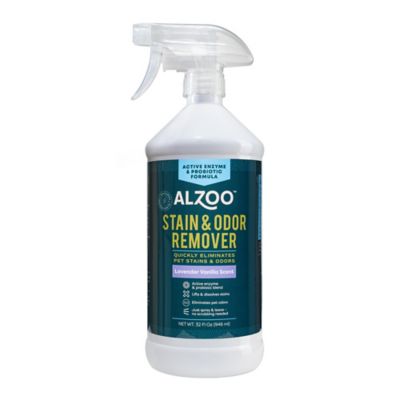
$13
.59
Sale Was $15.99 Save $2.40 (15%)

$10
.99
Sale Was $16.99 Save $6.00 (35%)
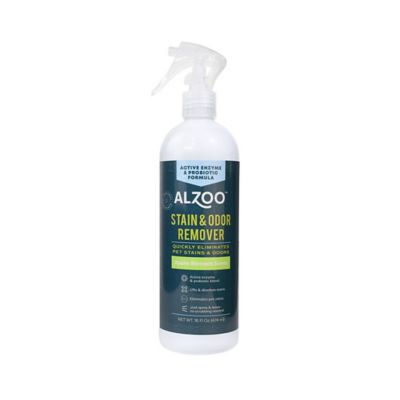
$9
.34
Sale Was $10.99 Save $1.65 (15%)

$10
.99
Sale Was $16.99 Save $6.00 (35%)
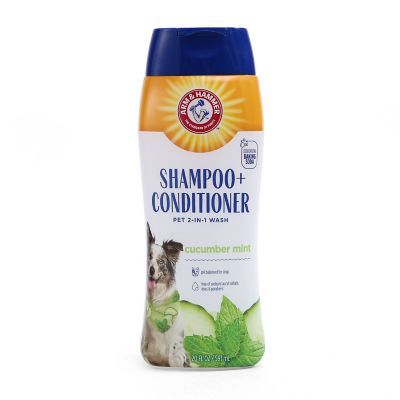
$6
.99
Sale Was $7.99 Save $1.00 (13%)
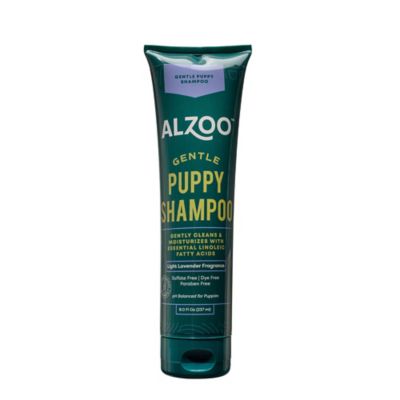
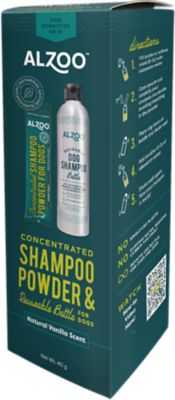
$13
.59
Sale Was $15.99 Save $2.40 (15%)
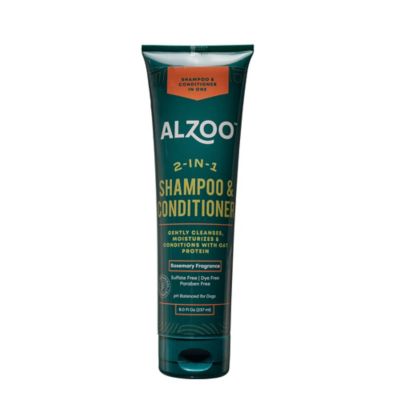
$11
.89
Sale Was $13.99 Save $2.10 (15%)
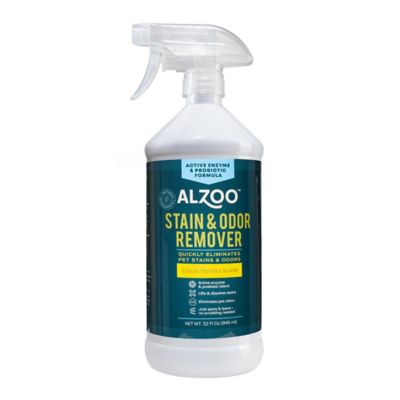
$13
.59
Sale Was $15.99 Save $2.40 (15%)
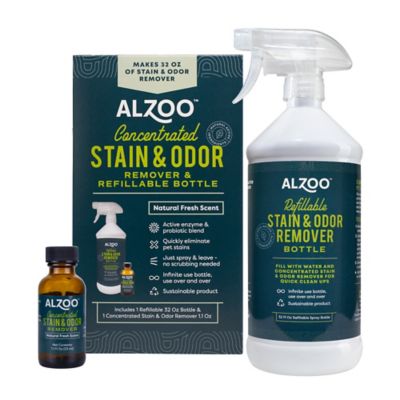
$13
.59
Sale Was $15.99 Save $2.40 (15%)
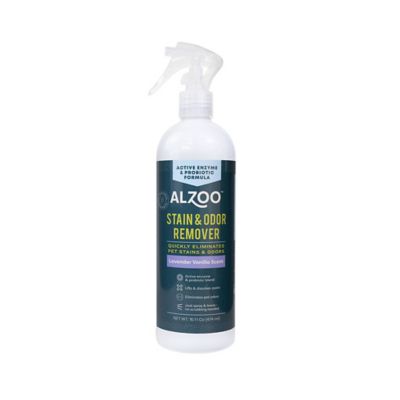
$9
.34
Sale Was $10.99 Save $1.65 (15%)
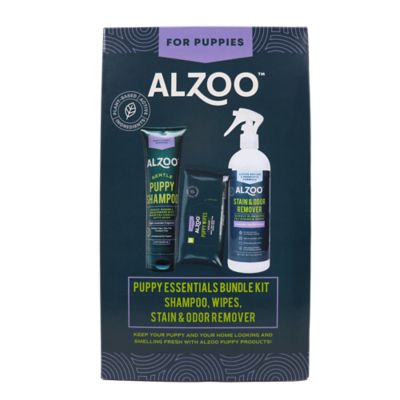
$21
.49
Sale Was $21.99 Save $0.50 (2%)
Best Of FAQ
What animal care essentials should I consider for my Cyber Monday shopping list?
Start with feeding, watering, grooming and cleanup. Feed scoops, bowls, waterers, brushes, bedding and cleaning tools make a practical checklist for everyday pet and barn chores.
What types of grooming supplies are part of an animal care kit?
Common grooming supplies include brushes, combs, shampoo, towels and grooming mitts. Horse grooming kits often include curry combs, mane and tail brushes, and hoof picks.
How do pet care essentials differ from livestock care essentials?
Pet care essentials often include food bowls, litter pans, leashes and grooming tools. Livestock care centers more on feeders, water troughs, stall bedding, feed scoops and muck forks. Your checklist will depend on the animals you keep and your daily chore routine.
What cleaning tools belong on an animal care shopping checklist?
Think buckets, scrub brushes, litter scoops, brooms and dustpans for pet areas. For barn chores, add stall forks, shovels and wheelbarrows to your list.
How can I organize animal care essentials for daily chores?
Group supplies by task, with separate spots for feeding, grooming and cleanup. A grooming tote keeps brushes and combs together, while labeled bins and wall hooks give smaller tools a home. Keep each group near its chore area so there's less back-and-forth.
Best Sellers
-
"They don’t give off a strong smell and my dogs love them! They’re soft for their smaller mouths"
-
"These are perfect for seasonal allergies and keep our dogs feeling their best"
-
"I feel like I am giving my dog the best option that is currently on the market"
-
"Love it"
-
"We have a 5 year dd Great Pyrenees and he refuses to eat anything else. Only the best for him"