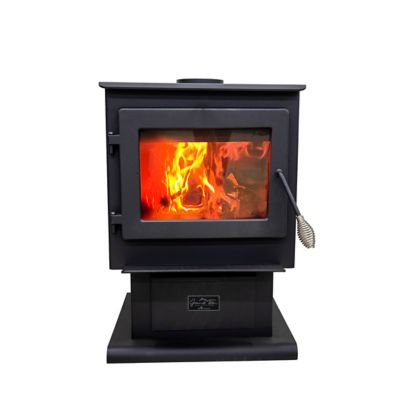
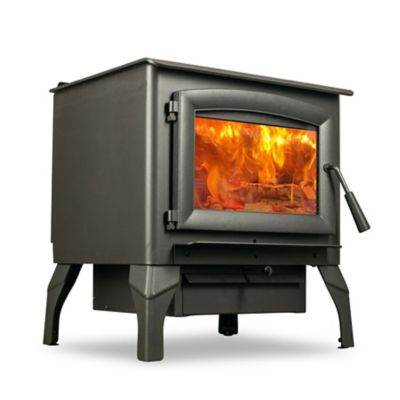
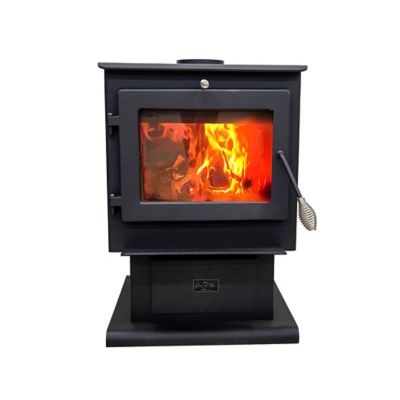
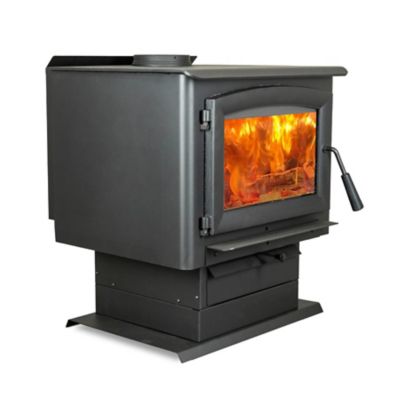
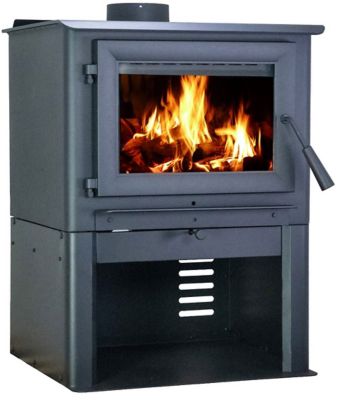
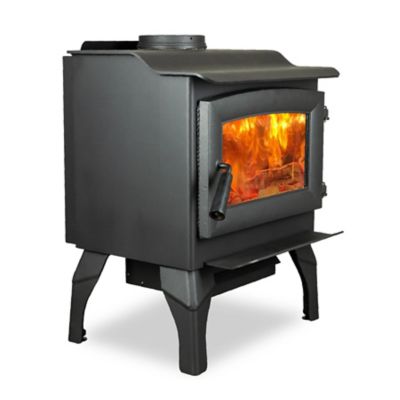
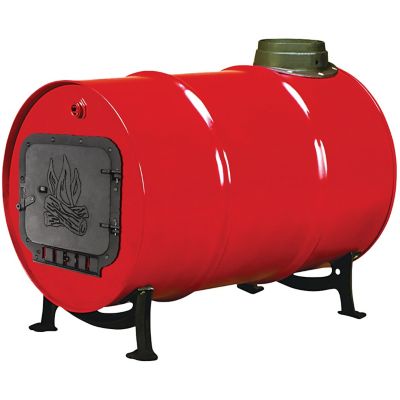
A wood burning stove brings a steady source of warmth and a familiar gathering spot to a home, whether it stands in a farmhouse living room or an open family space where everyone lands after chores. The right fit starts with the space itself, not simply the biggest firebox or highest heat output. Square-footage ratings provide a starting point, but ceiling height, insulation, windows, floor plan, and the path heat takes through the house all affect how comfortable a stove feels. An open room lets warmth travel differently than a string of small rooms connected by narrow doorways. A stove that’s too large can leave the nearest seats uncomfortably hot, while one that’s too small may struggle to meet the job. Heating capacity, firebox dimensions, and recommended log length help show how a stove might fit into everyday routines. Someone tending a fire between trips to the barn may value straightforward controls and convenient loading, while a household gathering around the hearth in the evening may put more weight on a broad fire view. Door placement matters, too: loading space needs to stay clear, and the door should open without putting furniture or a busy walkway in the way. Freestanding wood stoves also have a different footprint and installation setup than fireplace inserts, which belong in compatible existing fireplaces. A roomy-looking fireplace opening alone doesn’t establish whether an insert will fit or whether the chimney can support it. For supplemental heating, a stove can make a frequently occupied part of the house more comfortable without making every room feel the same. Expectations should stay grounded, though: warmth doesn’t automatically reach a closed bedroom at the far end of a hallway. Matching the appliance to the home’s layout and the household’s habits makes a bigger difference than choosing by appearance alone.
Cast iron and steel are common wood stove materials, and each brings a different look and feel to the hearth. Cast iron often has shaped panels and substantial detailing, while welded steel tends toward simpler lines. How quickly a stove warms up and how long it releases heat depend on the full construction, including its weight, lining, and any heat-storing components—not just the metal named in the description. Firebrick or other refractory lining helps protect the firebox and maintain the conditions needed for combustion. Baffles, door gaskets, hinges, and air controls also deserve attention because they handle repeated heating, cooling, and daily tending. Access to replacement wear parts can matter over years of ownership. Glass doors offer a view of the fire, but the glass remains extremely hot and needs the same respect as the rest of the stove. Households with children or pets need a layout that keeps them safely away without blocking required clearances or access. Inside the firebox, performance depends heavily on the fuel. Properly seasoned firewood generally has a moisture content of 20 percent or less, checked on a freshly split interior face with a moisture meter. Wet wood spends more of the fire’s energy driving off water and can contribute to smoky burning and creosote buildup. Split size matters as well, since the wood needs to fit comfortably rather than being wedged against the door or lining. Painted lumber, pressure-treated scraps, trash, and other unapproved materials don’t belong in a residential wood stove. Catalytic and noncatalytic designs manage combustion differently, so their operating routines and maintenance needs aren’t interchangeable. Published burn times also depend on the fuel load, wood species, draft, and operating conditions; they aren’t a promise of identical heat from evening until morning. A well-matched stove supports a manageable routine, with controls and loading requirements that make sense for the person tending it.
The hearth and chimney are just as important as the stove sitting in front of them. Installation requirements cover clearance from combustible walls, furniture, trim, and other materials, along with floor protection that meets the appliance’s stated ember-protection and thermal requirements. Tile or stone alone doesn’t necessarily provide the protection a particular stove needs, and a wall shield doesn’t automatically allow a closer installation. The stove’s listing and installation manual establish those details. Connector pipe and chimney components must also suit the appliance and the building; an existing chimney may need inspection, repair, or a suitable liner before it can serve a wood stove. A qualified installer can assess the setup, while local building officials and the home insurer can explain permit and coverage requirements. For new residential wood heaters, EPA certification and any additional state or local requirements are worth checking alongside the installation specifications. Care continues after installation with regular chimney inspection, sweeping as needed, and attention to worn gaskets, cracked lining, or changes in how the stove drafts. Ash belongs in a covered metal container on a noncombustible surface outdoors, well away from buildings and combustible materials, because embers can remain hot long after a fire looks finished. Working smoke alarms and carbon monoxide alarms add essential protection, and combustible belongings need to stay outside the required clearance area. A wood stove isn’t automatically suitable for a garage or workshop, particularly where gasoline, solvents, or flammable vapors may be present. Anyone comparing heating approaches for different buildings can explore
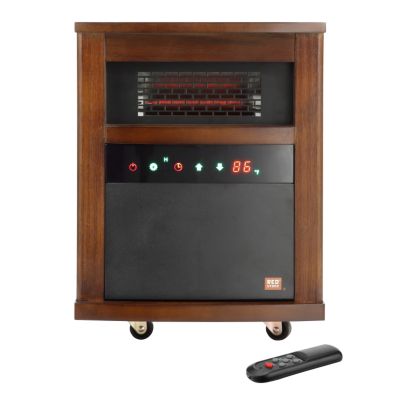
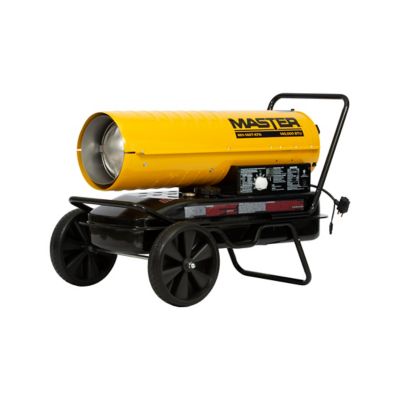
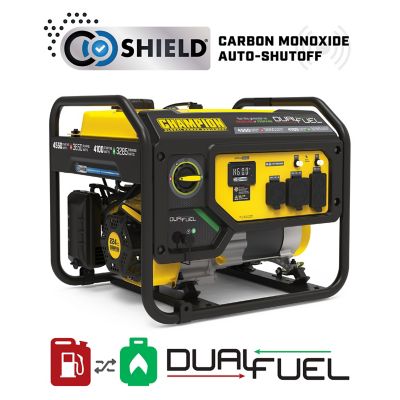
Cyber Monday Heating Deals for Home and Workshop, keeping each appliance’s approved setting in mind. Some wood stoves provide radiant heat without electricity, though blowers and other components may need power. That distinction matters when planning around outages. With the right installation, suitable firewood, and consistent care, a wood burning stove can become a familiar part of home life: a fire worth tending, a comfortable place to settle, and heat that suits the space.