Portable space heaters bring warmth closer to the places where folks spend time, whether that’s a home office off the mudroom, a favorite chair in the den, or a clean, enclosed work area suited to supplemental heat. Rather than replacing a home’s main heating system, these heaters serve smaller spaces and particular tasks, helping take the chill out of a spot that never seems to feel quite as comfortable as the rest of the house. The way a heater delivers that warmth makes a difference. Fan-forced designs move air across a heating element and out into the room, making them a practical match for someone settling in at a desk or working through paperwork at the kitchen table. Ceramic heaters often use this approach in a compact housing, while radiant heaters send warmth toward people and nearby surfaces within their reach. Oil-filled electric radiators warm more gradually and continue releasing stored heat for a while after the heating element cycles off; the oil stays sealed inside rather than serving as fuel that needs refilling. Convection styles encourage warm air to circulate without necessarily directing a strong stream toward one spot. Room layout matters just as much as the heating method. A small room with a closed door holds heat differently from a drafty room with tall ceilings, and an open doorway lets warmed air travel beyond the space where it’s wanted. Manufacturer room-size recommendations provide helpful context, but insulation, windows, ceiling height, and air leaks all affect how a heater feels in everyday use. A compact footprint can make placement easier, though the space around the heater still needs to stay clear. For a household with several different routines, the best fit is less about an oversized cabinet and more about matching the heat delivery, controls, and placement requirements to the spot where someone will be sitting or working.
The everyday details become noticeable once a heater has a regular place in the house. A broad base helps it sit steadily, while a built-in handle makes carrying it between suitable locations less awkward after it has cooled. Larger radiator-style designs may have casters, which suit level floors better than stairs, thick rugs, or uneven thresholds. Housing materials also affect handling and care: metal cabinets can become hot, molded surfaces have their own temperature limits, and protective grilles are barriers rather than surfaces to touch. A heater’s weight, handle position, and overall shape matter when moving it from a storage closet to a workroom, especially for anyone who would rather avoid lifting a bulky appliance. Controls range from straightforward dials to digital displays, with adjustable thermostats helping maintain a chosen comfort level. Multiple heat settings offer flexibility, although selecting a lower setting does not remove the need to follow electrical and placement requirements. Oscillation can spread a stream of warm air across a wider area, while a fixed-direction design keeps its output aimed toward a particular part of the room. Fan sound is another consideration for phone calls, conversation, or an evening spent reading. Fanless designs avoid blower noise, though switches and expanding metal may still make occasional sounds. Display brightness, control size, and clearly marked settings can make operation easier without adding fuss. Timers and remote controls can be handy, but they do not make unattended operation appropriate. Tip-over shutoff and overheat protection are important features to consider, with the understanding that neither takes the place of proper placement and supervision. Cord length deserves attention before choosing a location, since a plug-in electric space heater belongs directly in a suitable wall outlet, not on an extension cord or power strip. A smaller cabinet also does not automatically mean a lighter electrical load; the heater’s wattage and the circuit’s capacity matter more than its appearance.
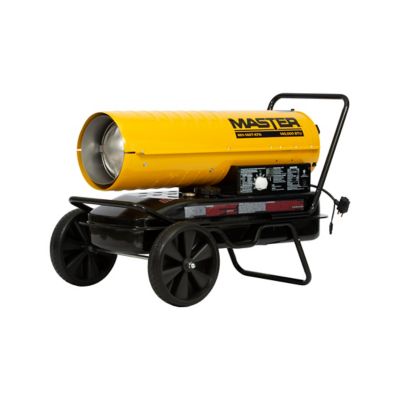
A portable heater fits into daily life best when the surroundings support safe operation. That means a firm, level surface and at least three feet of clearance from bedding, curtains, furniture, paper, clothing, and other combustible materials, with any greater clearance in the manufacturer’s instructions taking priority. The corner where chore coats collect, the space beneath a crowded workbench, and the spot beside a feed sack are not suitable simply because an outlet is close by. Garages and farm work areas need particular care because gasoline, solvents, airborne dust, and other flammable materials can make an otherwise convenient location unsafe. A heater must be specifically rated for its intended setting; a household model does not belong outdoors, in a damp area, or in a livestock enclosure unless its instructions expressly permit that application. Fuel-burning portable heaters have different operating requirements from electric models, including fuel handling, ventilation, and combustion safety. Only equipment expressly approved for indoor operation belongs indoors, and its ventilation requirements still apply. Working carbon monoxide alarms are essential wherever fuel-burning equipment operates, but an alarm does not make an unsuitable heater safe for an enclosed space. For any style, children and pets need separation from hot surfaces and cords, and the heater should be switched off when the room is unattended or people are sleeping. Routine care generally means allowing the unit to cool, disconnecting power as directed, and clearing dust from accessible grilles according to the manual without getting electrical parts wet. Cracked housings, damaged cords, loose plugs, or signs of overheating call for stopping operation rather than making do. When heating needs extend beyond one room or task,
Cyber Monday Heating Deals for Home and Workshop brings the broader heating selection into view. Matching a portable heater to the space, power source, and daily routine keeps the focus where it belongs: comfortable warmth with sensible handling around the home and work area.