Cyber Monday Deals On Portable Generators
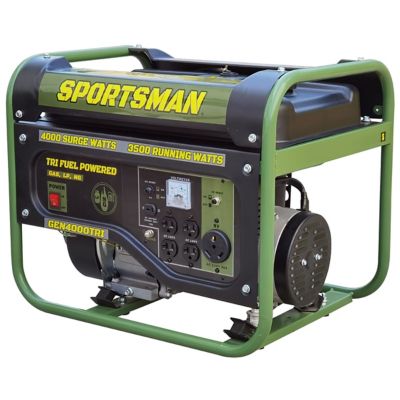
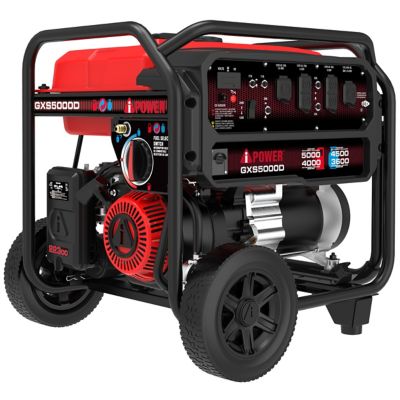
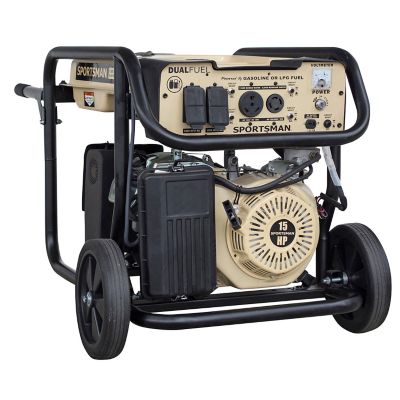
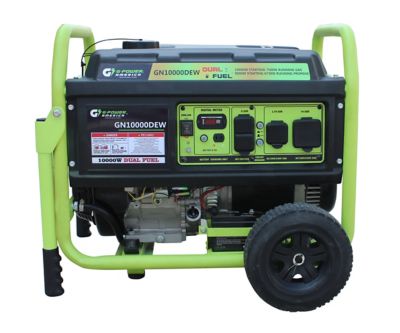
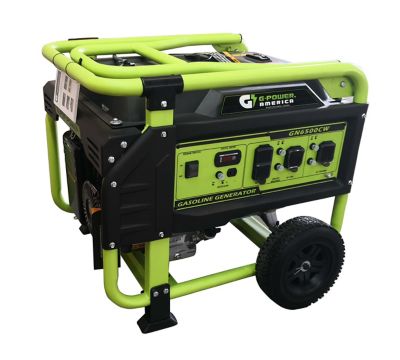
Shop Cyber Monday deals on portable generators at Tractor Supply for backup power at home or power for work around the farm. Compare available models by starting and running watts, fuel requirements and outlet options to find a generator that fits the tools or appliances you need to run.
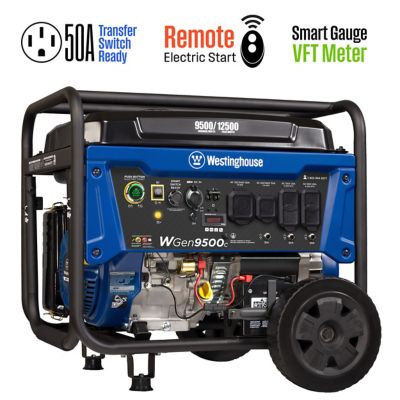
$1,169
.99
Sale Was $1,299.99 Save $130.00 (10%)
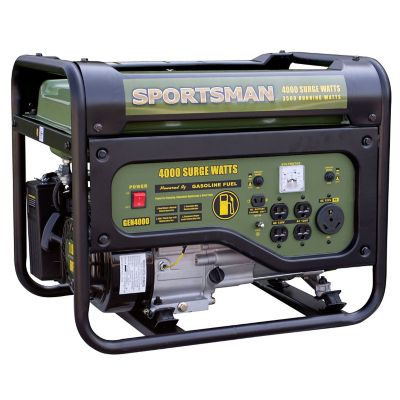
$296
.99
Sale Was $329.99 Save $33.00 (10%)
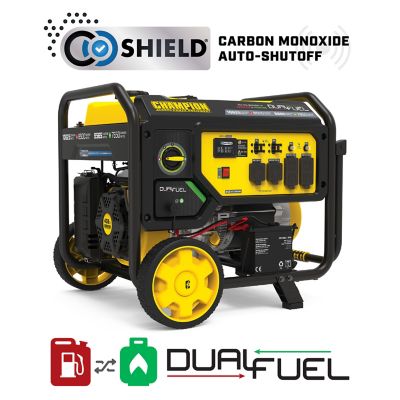
$1,079
.99
Sale Was $1,199.99 Save $120.00 (10%)
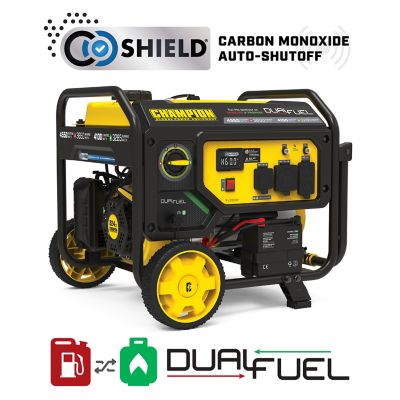
$529
.99
Sale Was $699.99 Save $170.00 (24%)
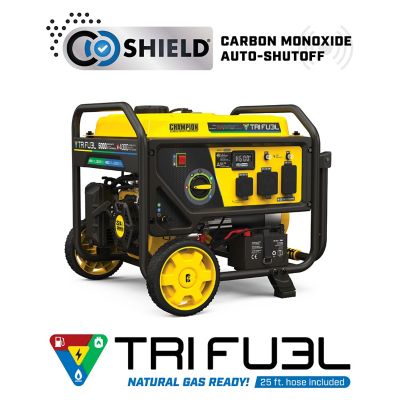
$764
.99
Sale Was $849.99 Save $85.00 (10%)
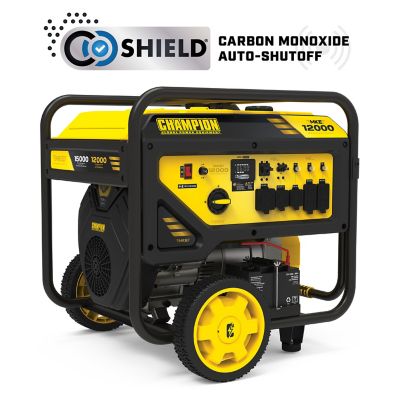
$2,099
.99
Sale Was $2,499.99 Save $400.00 (16%)
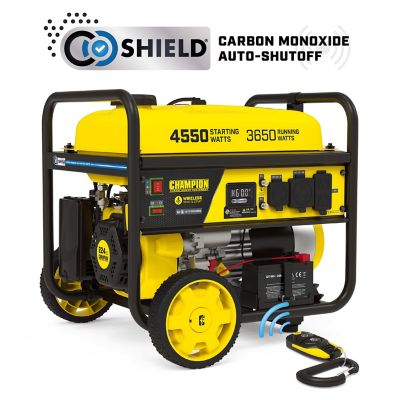
$479
.99
Sale Was $534.99 Save $55.00 (10%)
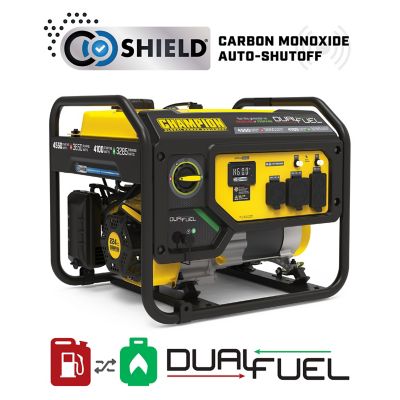
$449
.99
Sale Was $579.99 Save $130.00 (22%)
$719
.99
Sale Was $799.99 Save $80.00 (10%)
$499
.99
Sale Was $549.99 Save $50.00 (9%)
$1,349
.99
Sale Was $1,499.99 Save $150.00 (10%)
$808
.82
Sale Was $999.99 Save $191.17 (19%)
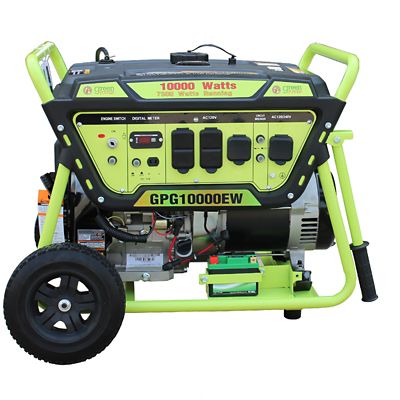
$732
.20
Sale Was $899.99 Save $167.79 (19%)
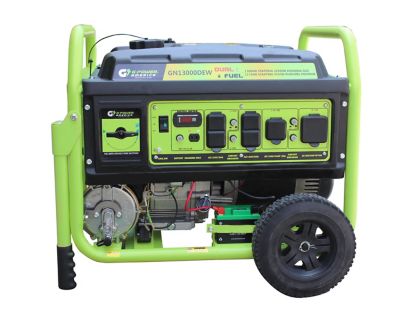
$1,210
.63
Sale Was $1,399.99 Save $189.36 (14%)
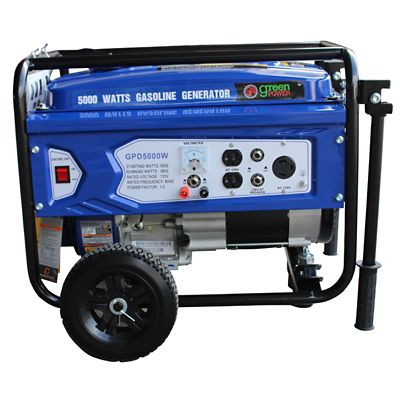
$449
.99
Sale Was $499.99 Save $50.00 (10%)
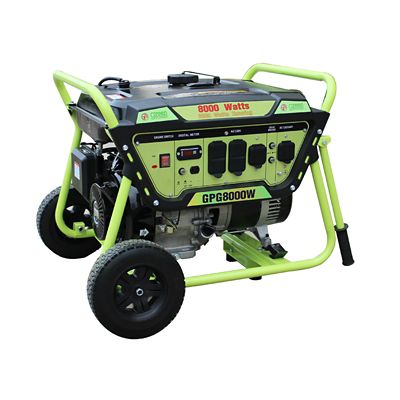
$600
.71
Sale Was $749.99 Save $149.28 (20%)
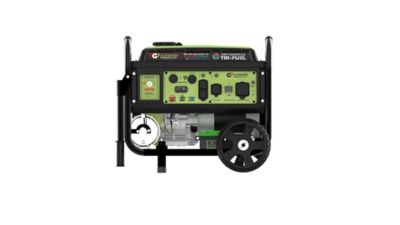
$1,347
.63
Sale Was $1,549.99 Save $202.36 (13%)
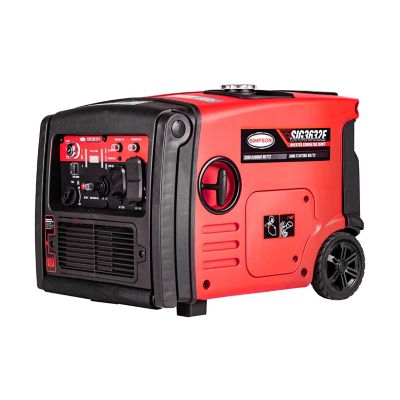
$549
.99
Sale Was $1,049.99 Save $500.00 (48%)
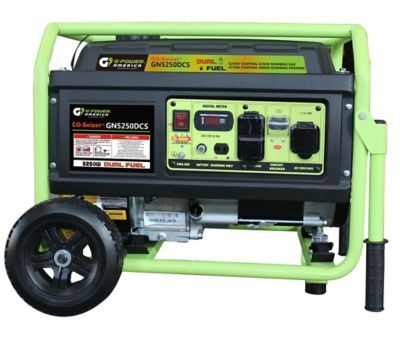
$548
.98
Sale Was $699.99 Save $151.01 (22%)
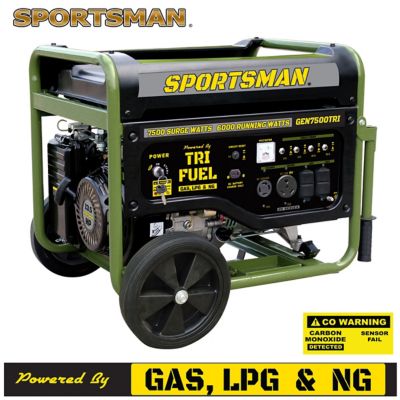
$764
.99
Sale Was $849.99 Save $85.00 (10%)
$674
.99
Sale Was $749.99 Save $75.00 (10%)
Best Of FAQ
What fuel types do portable generators run on?
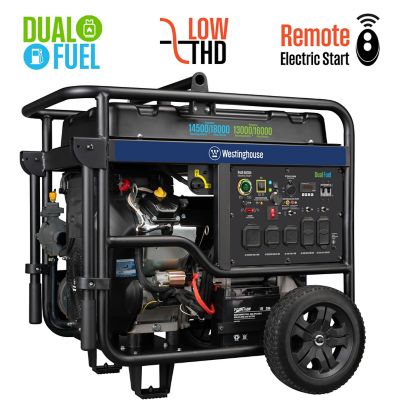
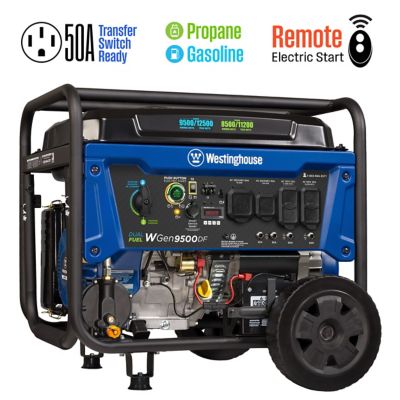
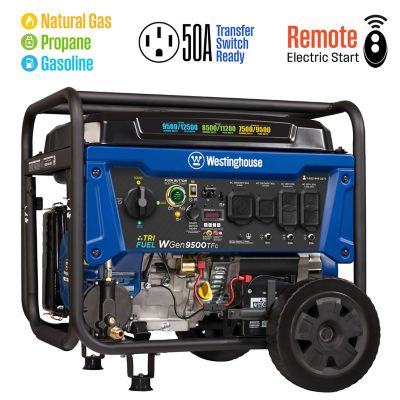
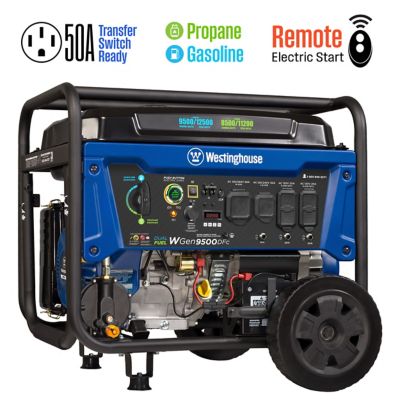
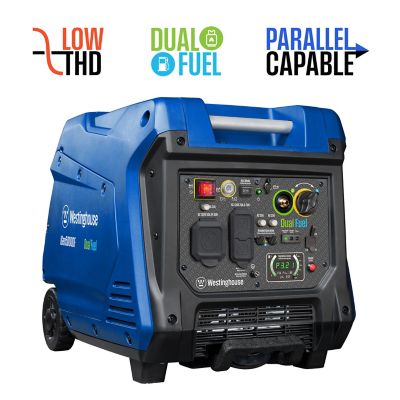
Portable generators can run on gasoline, propane or natural gas, depending on the model. Dual-fuel models accept two fuel types, while tri-fuel models accept three. As you browse Cyber Monday deals on portable generators, check each model's listed fuel options.
What starting options do portable generators have?
Common options include pull-start, push-button electric start and key start. Some models also offer remote start. Check whether an electric-start model includes its starting battery or calls for a separate purchase.
What does an hour meter track on a portable generator?
An hour meter records how long the generator has been running. That gives you a handy reference for logging operation and keeping up with maintenance intervals in the owner's manual.
What routine maintenance does a portable generator need?
For engine-powered models, routine upkeep typically includes oil changes, air filter checks and spark plug inspections. Fuel-system and battery care may also be part of the schedule. Follow the owner's manual for model-specific tasks and intervals.
What kinds of handles and wheels do portable generators have?
Depending on the model, portable generators may have built-in carrying handles, folding handles or frame-mounted wheels for moving around the property. Some come with a wheel kit, while others offer one separately, so check what's included.
Best Sellers
-
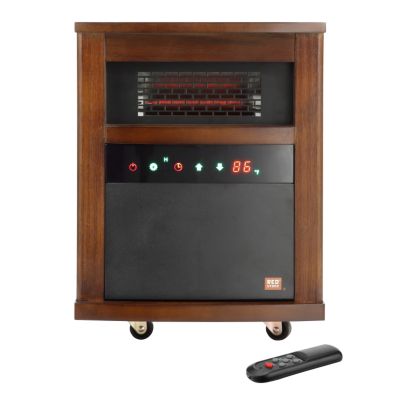
"great heater, best I've owned so far, accurate heat settings quiet operation, good looking cabinet"
-
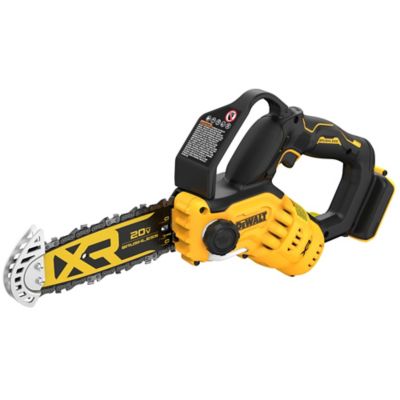
"I’d recommend it — DeWalt stays the best in my book"
-
"Love the stove , great quality for the price"
-
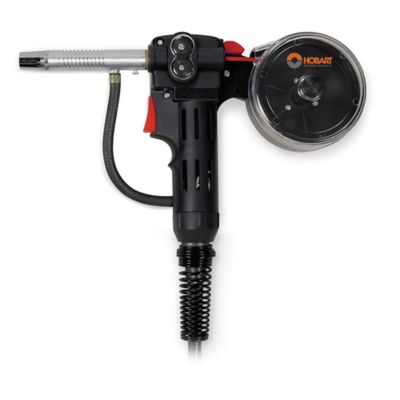
"Great product, works great on my Hobart handler, easy to operate plugs ride in perform great"
-
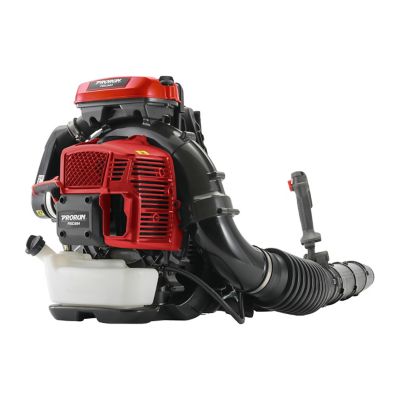
"I bought this last week and it is by far the best leaf blower I have ever had"