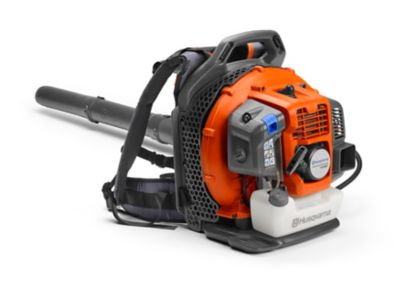
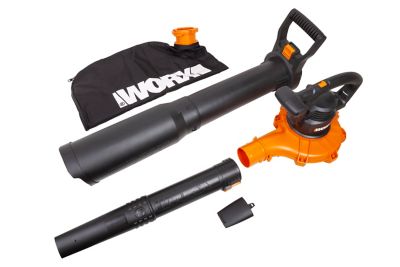
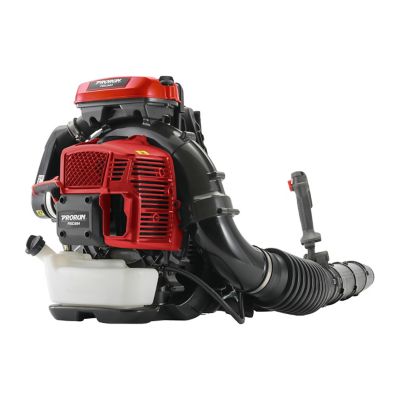
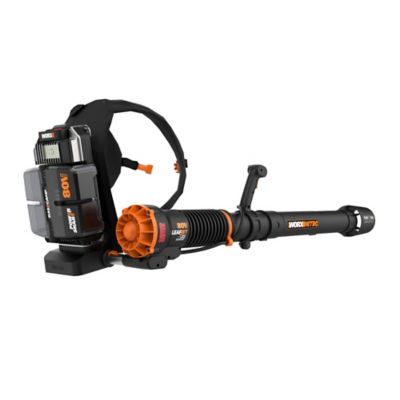
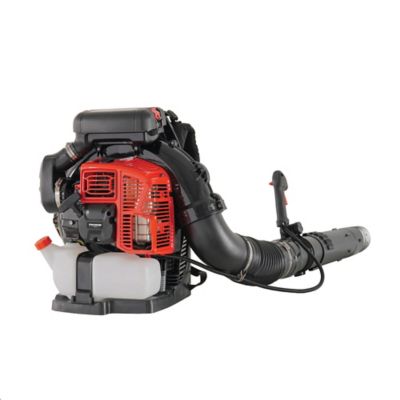
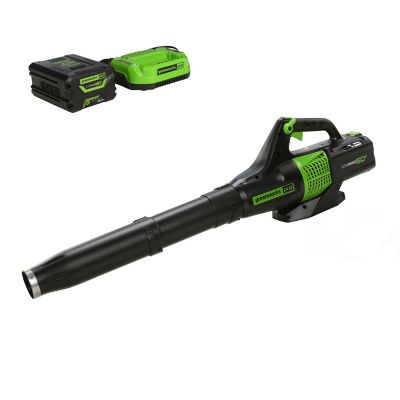
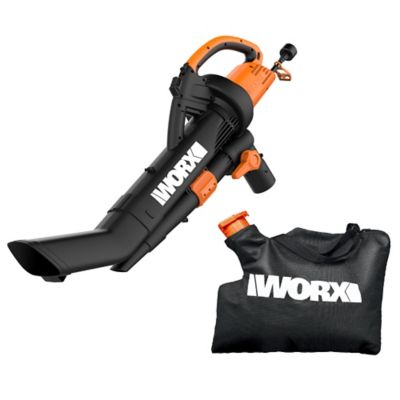
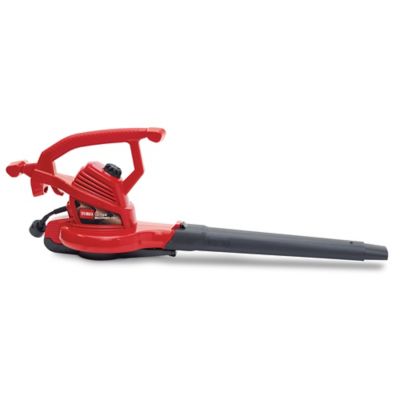
Leaf blowers and accessories help keep the everyday mess around a place from turning into a bigger chore. A layer of leaves across the walk, grass clippings along the driveway and loose debris outside the workshop all call for equipment that fits the space and the job. Handheld blowers suit shorter cleanup sessions and areas where maneuvering around steps, planters and fence corners matters. Backpack designs carry the main weight on the back, which can make longer passes across a larger property more comfortable when the harness fits properly. Power source makes a difference, too. Battery-powered blowers offer cordless movement without mixing fuel, while gas-powered equipment can suit extended work away from an outlet when the correct fuel and routine maintenance are part of the setup. Corded electric blowers can make sense near the house or garage, provided the extension cord meets the equipment’s requirements and the work area stays within reach. Air volume and air speed tell different parts of the performance story: volume describes how much air moves through the blower, while speed describes how fast that air travels. Both matter, along with nozzle design, when comparing equipment for broad sweeps of scattered leaves versus more concentrated cleanup along an edge. Bigger numbers alone do not tell how a blower will feel after several trips down a long walk. Overall weight, handle shape, balance and vibration all affect comfort, especially when a job takes longer than expected. Variable-speed controls allow a gentler pass beside mulch and more airflow across open pavement, while a speed-hold feature can reduce the need to keep constant pressure on a trigger. For anyone working around a farmhouse, a small yard or several outbuildings, the best fit comes down to the ground being covered, the material being moved and how comfortably the equipment handles the work. A blower that feels manageable at the start should still feel manageable when the last stretch of driveway needs attention.
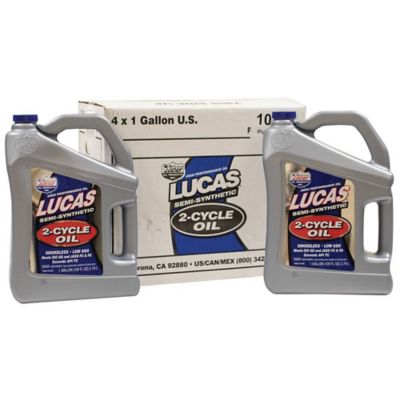
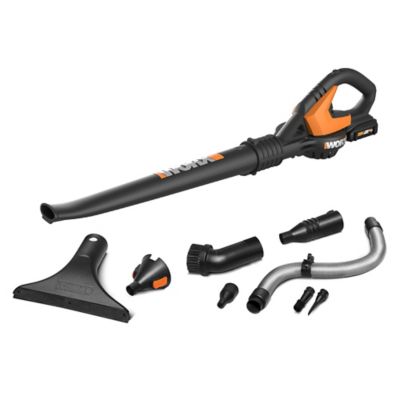
Accessories help match that equipment to the work, but compatibility matters more than appearance. A nozzle, replacement tube, collection bag, battery or charger needs to match the blower’s listed connections and specifications; a similar-looking part is not necessarily interchangeable. Concentrated airflow can help move debris out of pavement seams, while wider outlets can spread the air across a broader path. Vacuum and mulching attachments belong only on equipment designed to accept them, and their collection bags need secure closures and unobstructed airflow. Bag fabric, seams and attachment points deserve attention because leaves and small bits of yard debris put regular wear on those areas. For cordless equipment, battery voltage, platform compatibility and charger requirements all come into play. Battery capacity can influence runtime, though actual operating time also depends on speed settings, workload and the blower itself. A spare compatible battery can help with a longer cleanup, but its weight and charging needs still belong in the decision. Gas equipment has its own upkeep considerations, including the specified fuel, air filter care and spark plug service described in the owner’s manual. Housings, handles, intake guards and tubes should stand up to ordinary handling without making the tool unnecessarily heavy; reinforced connections and secure latches are practical details worth considering. Storage matters just as much as construction. A clean, sheltered spot protects equipment and attachments from unnecessary exposure, and a supported tube is less likely to get bent beneath other gear. Batteries and fuel each have storage requirements that should follow the manufacturer’s directions. Before any cleaning or attachment change, disconnecting the power source as instructed helps prevent an unintended start. Eye protection, hearing protection suited to the equipment and closed-toe footwear also belong with the setup. Dusty cleanup may call for suitable respiratory protection, and some fine materials are better handled by another method altogether. That is especially important around animal bedding, feed and enclosed workspaces, where blowing debris into the air can create more trouble than it clears away.
A good match between blower and property makes the difference between a tool that gets regular use and one that stays parked in the shed. On a smaller place, that might mean a light handheld setup for the front walk, porch steps and the strip beside the garage. On a larger property, it may mean a comfortable harness, enough operating time for several stretches of fence and controls that remain easy to reach while moving around gates and corners. Loose gravel, fresh mulch and nearby vehicles all change how much airflow makes sense; moving the leaves without scattering everything underneath them is often the real measure of control. Leaf moisture and the depth of a pile affect the work as well. Scattered leaves on a hard surface behave differently from a packed layer caught in grass, so intended use matters more than choosing the largest machine. Thoughtful cleanup also keeps debris away from roads, neighboring property, people and animals. A clear discharge path and room to work help prevent small stones or sticks from becoming flying hazards. Gas-powered equipment belongs outdoors, never inside a garage, barn or other enclosed area, even with doors open. Sound levels and nearby activity deserve consideration, too, particularly around livestock or homes close together. As a gift, a leaf blower or compatible accessory can be a practical choice for someone who takes care of a yard, keeps a workshop entrance tidy or handles regular property chores. The recipient’s preferred power source, existing battery platform, storage space and comfort with equipment maintenance are more useful starting points than sheer size. For other jobs around the place,
Cyber Monday Deals On Tools connects the cleanup theme with a broader range of tools. Leaf blowers and their accessories earn their place through straightforward work: clearing the path to the house, tidying the hard surfaces around a building and helping leave the place ready for whatever needs doing next.