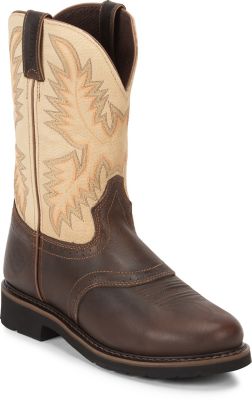
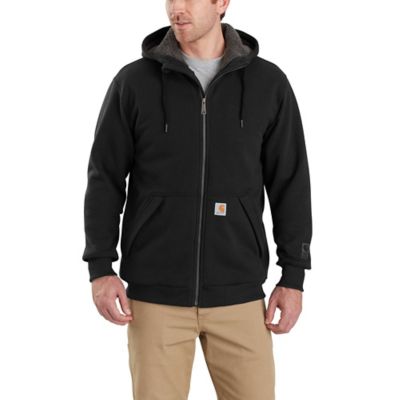
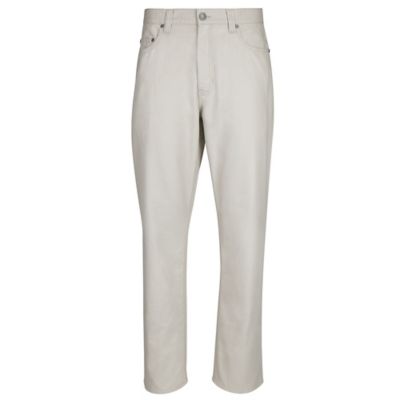
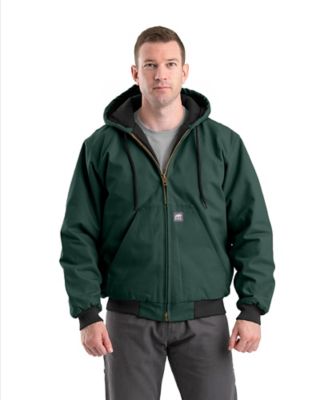
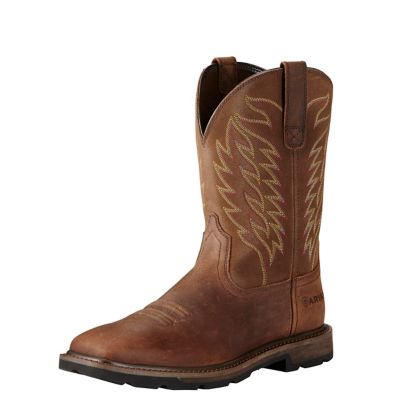
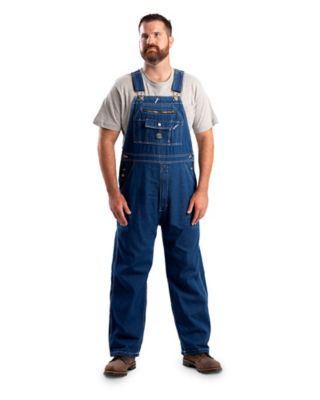
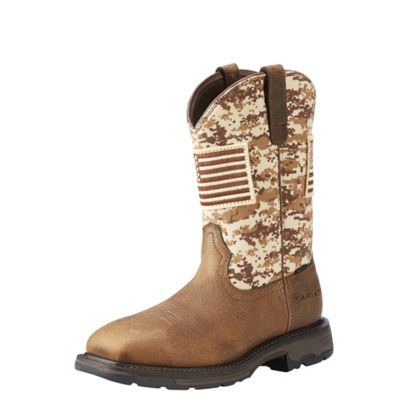
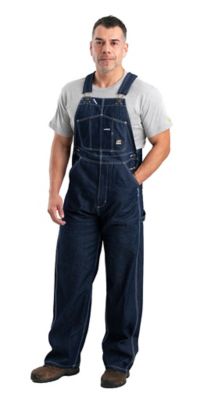
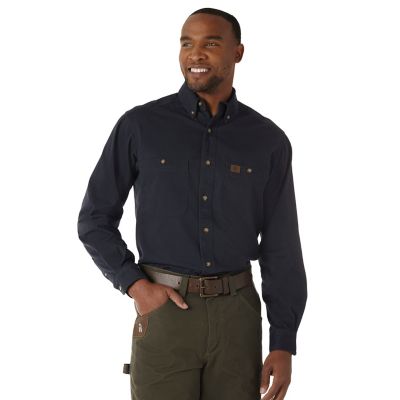
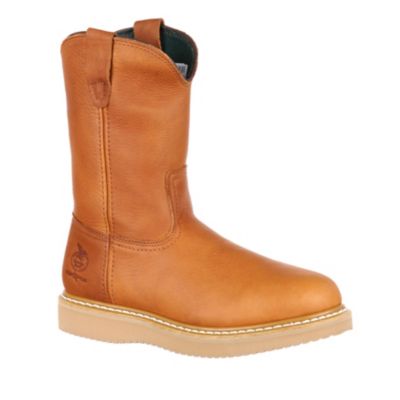
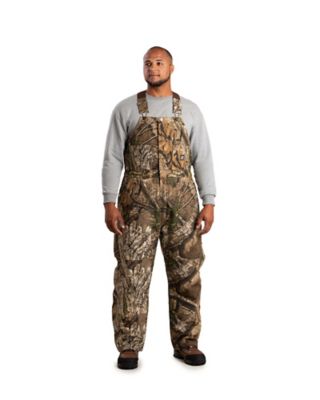
Men’s farm workwear has to make sense from the first feed run to the last gate check. There’s bending to fill a trough, climbing into a tractor cab, kneeling beside a fence post, and plenty of walking between jobs. Clothing that fits those routines gives a man room to move without leaving loose fabric hanging where it doesn’t belong. For Cyber Monday shoppers, the starting point is often the work itself: daily livestock care, equipment maintenance, hauling feed, or keeping a small acreage running alongside a job in town. Each calls for a slightly different balance of fabric weight, coverage, and flexibility. Cotton duck has a firm, closely woven feel suited to regular contact with rough boards and barn surfaces, while denim brings a familiar structure that softens with wear. Twill can feel less stiff for jobs that involve getting in and out of a truck all day. Cotton blends may help with wrinkle resistance or drying time, depending on their construction, and a little stretch can make crouching and stepping over low obstacles more comfortable. Fabric weight matters, too. A heavier cloth may provide more substance at the knees and seat, but extra weight is not always the best match for every chore. Someone moving feed sacks by hand may value flexibility more than a person spending much of the day seated at the controls. Reinforced stitching, extra fabric at high-contact areas, and secure pocket edges are useful details because those spots take repeated strain. Work shirts, pants, bib overalls, and outer layers all have a place in a farm wardrobe, with the right mix depending on how the day unfolds. The common thread is clothing that feels ready for real work rather than something that needs fussing with between chores. That matters whether the wearer manages a full-time farming operation, helps out on family land, or spends weekends tending a few animals and keeping fences straight.
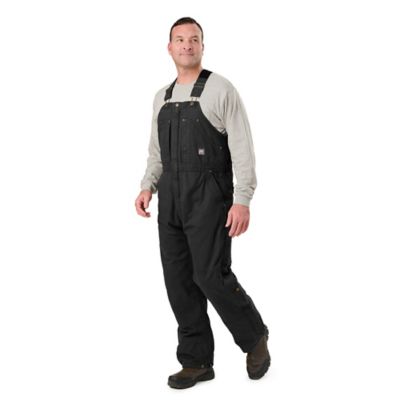
Fit becomes especially noticeable once the work starts. A waistband that feels fine while standing can pinch when seated on equipment, and a shirt that seems roomy at the shoulders may pull across the back when reaching for a latch. Men’s farm workwear benefits from enough space through the seat, thighs, shoulders, and elbows to handle those movements without constant adjustment. Straight and relaxed cuts offer different amounts of room, while stretch panels, gussets, and shaped knees can add movement without requiring a looser fit everywhere. Length deserves attention as well. Shirt tails need enough coverage for bending, sleeves should allow a full reach, and pant hems should clear the ground rather than drag through the barn aisle. When work pants go over boots, the leg opening needs to accommodate the shaft without bunching heavily around the ankle. Bib straps should sit securely without digging into the shoulders, with enough adjustment for the layers worn underneath. Layering works best when each piece leaves space for the next without stacking too much fabric at the elbows or under the arms. Pocket placement can be just as important as pocket count. A phone pocket that stays clear of the hip joint can feel better during a long stretch in the tractor seat, while deeper front pockets may hold everyday essentials more securely during bending and walking. Small compartments can keep a pencil or pocket notebook within reach when checking feed amounts or jotting down a repair measurement. Closures should be manageable with working hands, and cuffs should stay out of the way around latches and handles. Loose sleeves, dangling cords, and oversized fits are poor matches for moving machinery. Ordinary work clothing also is not a substitute for task-specific protective equipment. Welding, chemical handling, chainsaw work, and other specialized jobs call for clothing and protection rated for the hazard, not simply a thicker fabric or an extra layer.
Care habits have a big say in how farm workwear holds up over time. Soil, grit, and dried mud can work into folds and seams, so brushing off loose dirt before washing helps keep the laundry load manageable. Care labels take priority over a one-routine-fits-everything approach, especially with stretch fabrics, water-repellent finishes, insulation, and specialty protective garments. Fastening zippers and closures before laundering can limit snagging, while following the listed wash temperature and drying directions helps protect fit and finish. High dryer heat may shrink some cotton garments or affect certain performance materials. Workwear with fuel, solvent, pesticide, or other hazardous contamination needs handling according to the substance’s safety information and the garment maker’s directions rather than going straight into the household wash. Between washes, a look at pocket corners, belt loops, knees, and seams can catch small repairs before they become bigger tears. A loose button or an opening along a seam is easier to deal with before another full day of chores. Having more than one work outfit also leaves time for washing, drying, and mending without rushing a damp garment back into service. For gift giving, men’s farm workwear is most useful when it follows the recipient’s habits instead of guessing at a whole new style. Familiar sizing, a preferred rise, room for a tucked shirt, and the pocket layout he reaches for every morning can matter more than a different look. A dad who spends hours fixing equipment may want a different fit from a son handling livestock or a neighbor tending a garden and small flock. The rest of the setup matters alongside clothing, and browsing
agricultural supplies can help round out what those daily routines require. With farm workwear, the details that earn appreciation are often simple: sleeves that stay put, knees that bend freely, pockets that sit where they should, and a fit that still feels right when the last chore takes longer than planned.