Cyber Monday Deals On Comfortable Ranch Boots
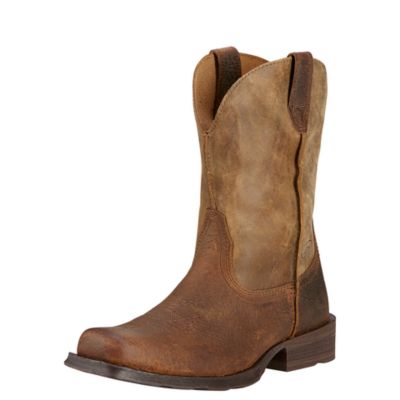
Shop Cyber Monday deals on comfortable ranch boots for chores and everyday wear. Browse the available selection and check each pair’s sizing, materials and comfort features to help find the right fit for your routine around the ranch.
$169
.99
Sale Was $189.99 Save $20.00 (11%)
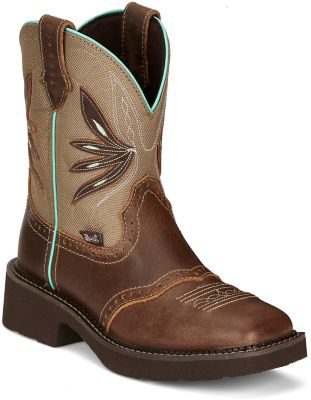
$76
.99
Sale Was $109.99 Save $33.00 (30%)

$97
.99
Sale Was $139.99 Save $42.00 (30%)
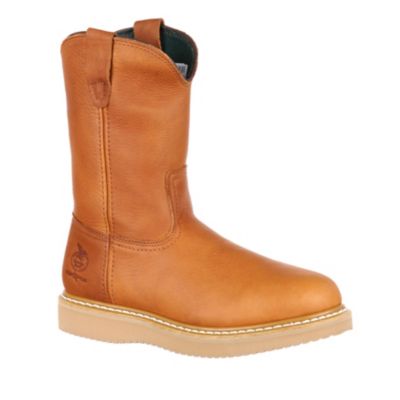
$143
.99
Sale Was $179.99 Save $36.00 (20%)

$189
.99
Sale Was $219.99 Save $30.00 (14%)
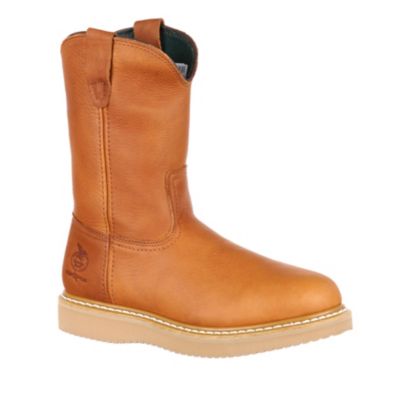
$143
.99
Sale Was $179.99 Save $36.00 (20%)
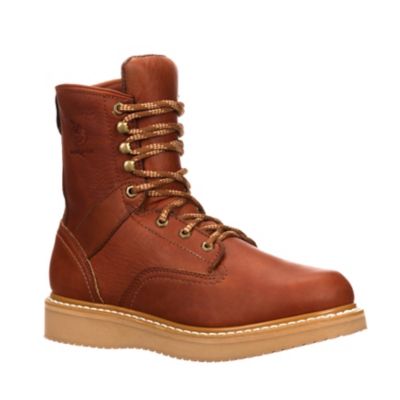
$135
.99
Sale Was $169.99 Save $34.00 (20%)
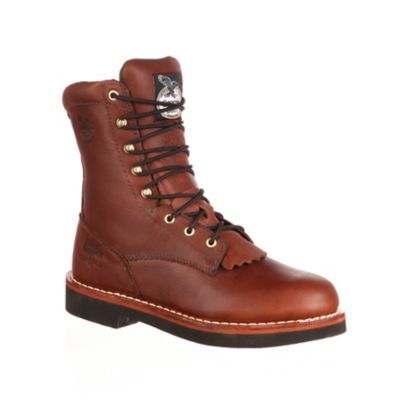
$147
.99
Sale Was $184.99 Save $37.00 (20%)

$71
.99
Sale Was $89.99 Save $18.00 (20%)

$139
.99
Sale Was $174.99 Save $35.00 (20%)
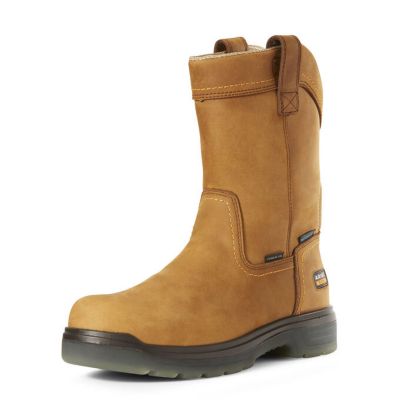
$116
.99
Sale Was $194.99 Save $78.00 (40%)
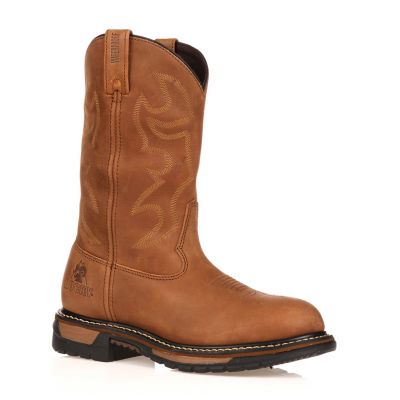
$159
.99
Sale Was $199.99 Save $40.00 (20%)
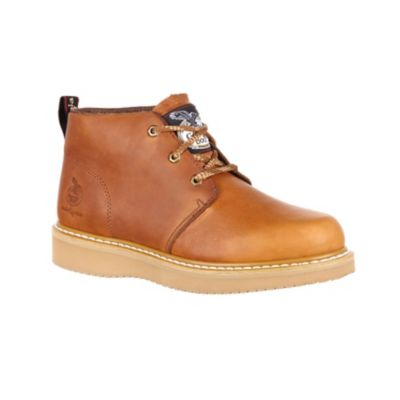
$115
.99
Sale Was $144.99 Save $29.00 (20%)
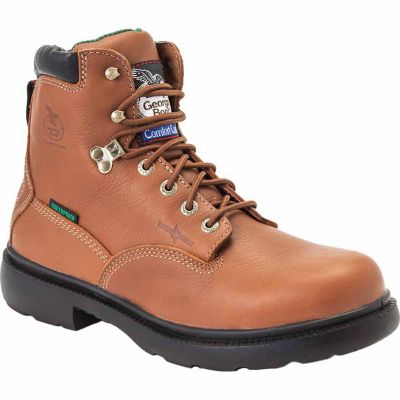
$163
.99
Sale Was $204.99 Save $41.00 (20%)
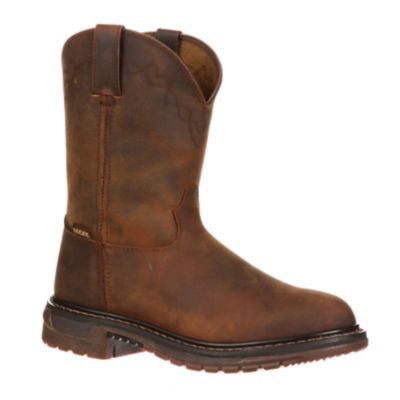
$135
.99
Sale Was $169.99 Save $34.00 (20%)
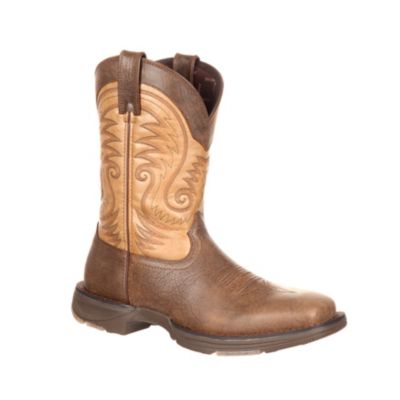
$151
.99
Sale Was $189.99 Save $38.00 (20%)

$139
.99
Sale Was $174.99 Save $35.00 (20%)
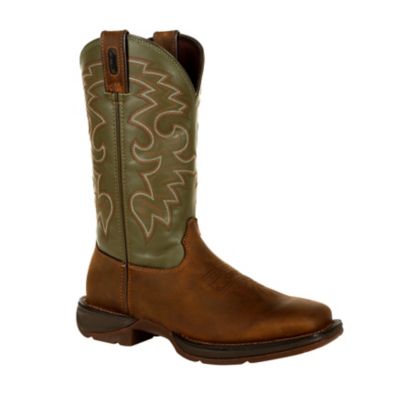
$143
.99
Sale Was $179.99 Save $36.00 (20%)

$155
.99
Sale Was $194.99 Save $39.00 (20%)

$142
.99
Sale Was $179.99 Save $37.00 (21%)

$91
.99
Sale Was $114.99 Save $23.00 (20%)
$147
.99
Sale Was $184.99 Save $37.00 (20%)
$149
.99
Sale Was $199.99 Save $50.00 (25%)

$159
.99
Sale Was $199.99 Save $40.00 (20%)
Best Of FAQ
What ranch boot styles should I compare while browsing Cyber Monday deals?
Roper boots typically have shorter shafts and lower heels, while classic Western boots often feature taller shafts, angled heels and stitched patterns. Lace-up ranch boots offer a different look from traditional pull-on styles.
What materials are common in comfortable ranch boots?
Leather and synthetic uppers, fabric or mesh linings, and cushioned insoles are common features. Check the material details to see whether a pair has smooth leather, suede or a mix of materials.
What toe shapes do ranch boots come in?
Common toe shapes include round, square and pointed, along with variations like broad square and snip toes. Square toes have a broad, straight-lined look, while pointed and snip toes give boots a more tapered Western profile.
How do I care for leather ranch boots?
Brush off loose dirt, then follow the boot maker’s cleaning and conditioning directions. Let wet boots air-dry away from direct heat, and choose care products intended for the leather finish—suede needs different treatment than smooth leather.
What clothes pair well with ranch boots?
Bootcut jeans, a flannel shirt and a canvas jacket make an easy everyday outfit. For a dressier Western look, pair ranch boots with dark denim and a snap-front shirt, or wear them with a denim skirt or casual dress.
Best Sellers


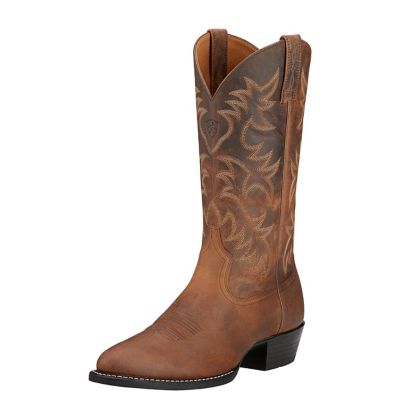
-
"Great quality and best comfort. Cant go wrong with a Justin boot"
-
"Woks great, fit my MF 1428v great, I recommend this item"
-
"I love it! Fits great, it warm enough that on a 20 degree day it's all I wear"
-
"These are my first pair of boots and I love them I will be buying all my boots from y’all"
-
"Bought these a few weks ago, tried on, fit and feel great, large i'm 5'10 170"