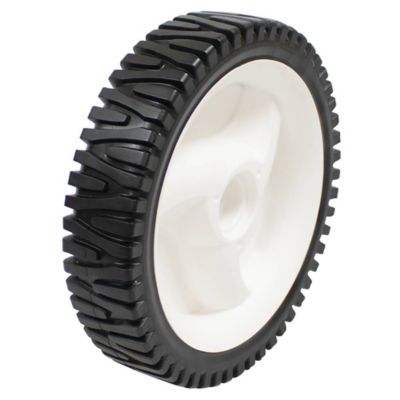
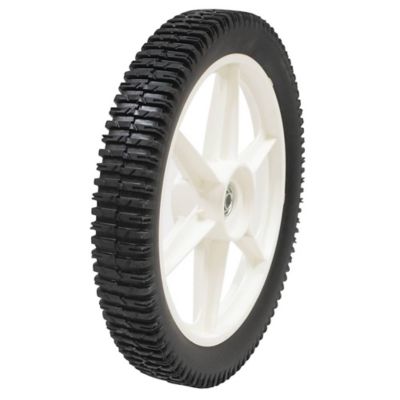
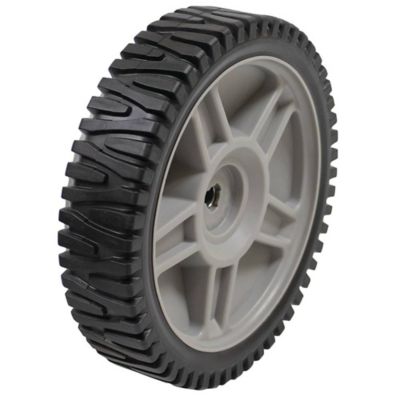
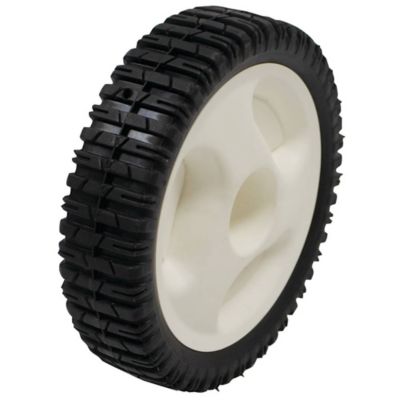
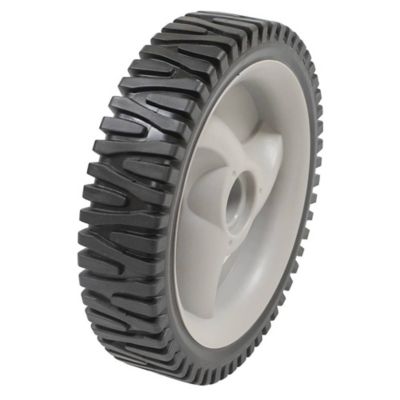
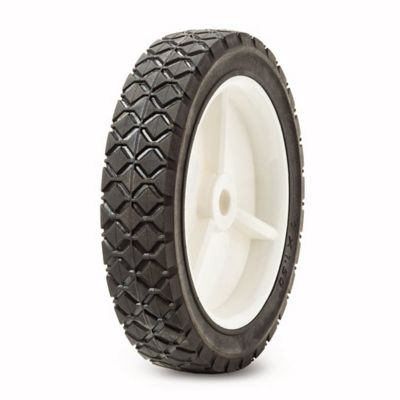
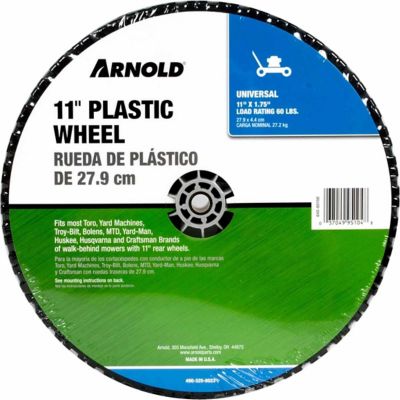
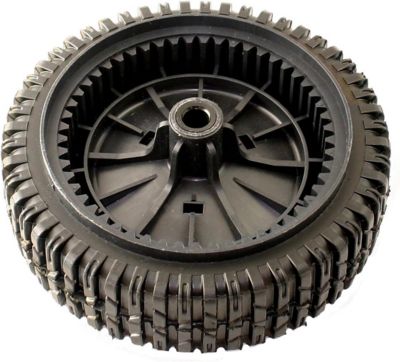
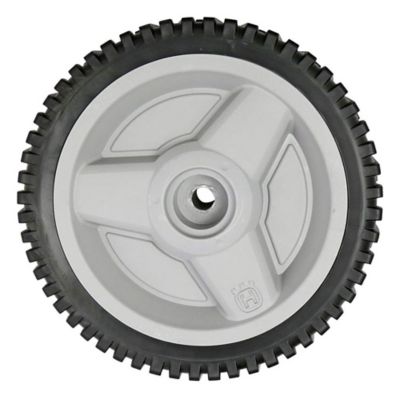
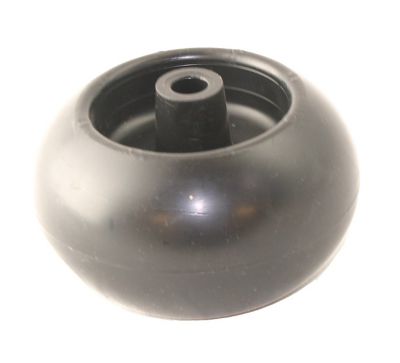
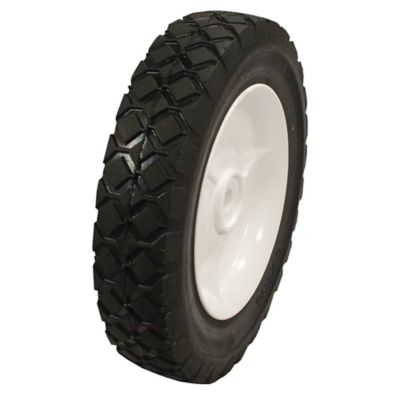
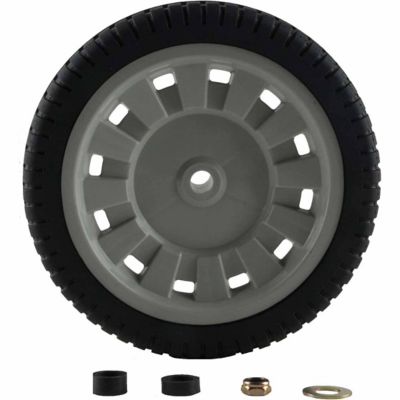
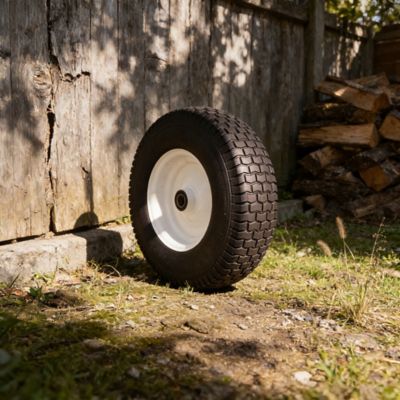
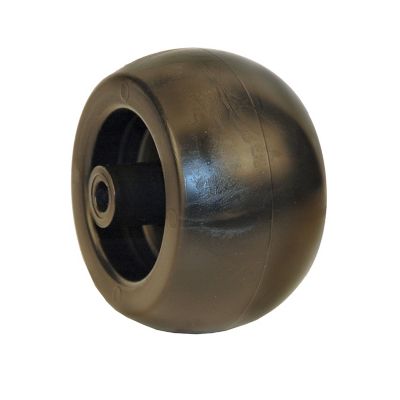
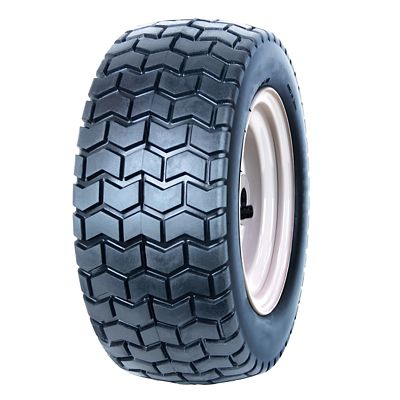
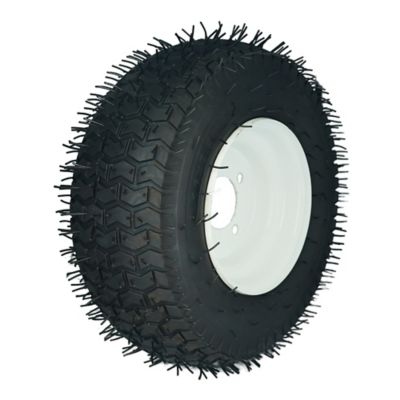
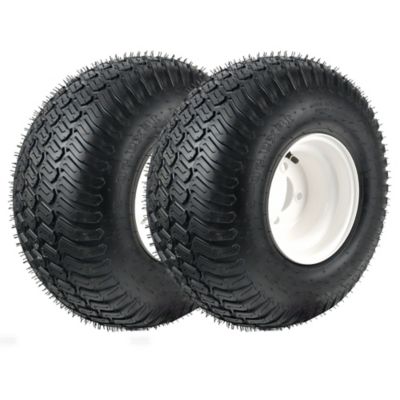
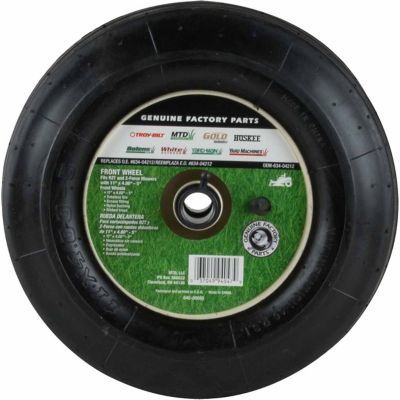
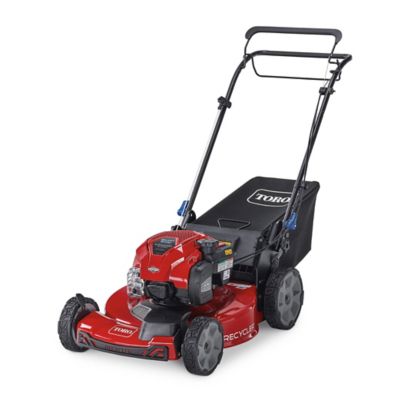
Replacement mower wheels help keep lawn equipment rolling steadily, whether the job is a small yard beside the house or a long stretch along a fence. On a walk-behind mower, the wheels support the deck at its selected cutting height and influence how easily the machine follows the ground. On a riding mower, the wheel and tire assemblies carry the machine, support steering, and transfer power where the design calls for it. Those jobs require different parts, so matching a replacement starts with the mower’s full model number and the wheel’s position—not just its appearance. Model labels are often found on the deck or near the rear of a walk-behind mower, while riding mower labels may sit beneath the seat or elsewhere on the frame. Label locations vary, and the operator’s manual or parts diagram is the best reference for identifying the correct assembly. Many walk-behind mowers have wheels around 7 to 8 inches in diameter, but larger rear wheels and other arrangements are common. Even two wheels with the same outside diameter can differ in axle opening, hub length, tread width, or mounting hardware. A wheel that looks close can sit too far inward, rub against the deck, or leave too little room for the retaining hardware. Front and rear positions are not necessarily interchangeable, either. For self-propelled equipment, the replacement also needs to match the drive system. Some drive wheels have molded internal teeth that engage a pinion gear, while others rely on a different connection. Tooth count, gear dimensions, and left- or right-side requirements can matter as much as wheel size. For homeowners maintaining their own equipment, checking those details helps keep a straightforward repair from turning into a second round of parts shopping. The same care matters for property caretakers who need a mower ready for repeated trips around gates, garden edges, and outbuildings.
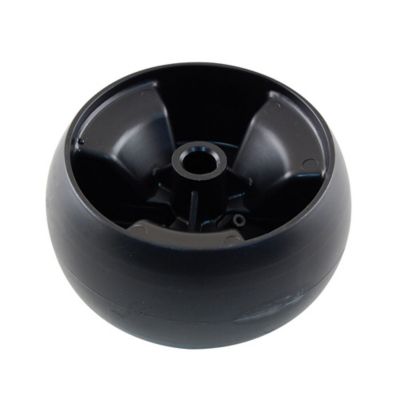
Wheel construction makes a noticeable difference in how a mower handles everyday ground conditions. Molded plastic wheel bodies are common on walk-behind equipment, often paired with a separate tread surface, while other assemblies have metal centers or different hub designs. Solid and semi-pneumatic constructions do not depend on an air-filled chamber in the same way a pneumatic tire does, though their cushioning and weight capacity vary. Rubber tread can provide grip and some give over small bumps, while tread shape affects how the wheel rolls and turns on grass. A smooth, closely maintained lawn puts different demands on a mower than a yard crossed by shallow ruts, exposed roots, or a gravel drive. Larger rear wheels can make some walk-behind mowers easier to maneuver over uneven patches, but a larger wheel is not automatically a suitable replacement for the original size. Changes in diameter can affect deck position, clearance, and handling. When comparing
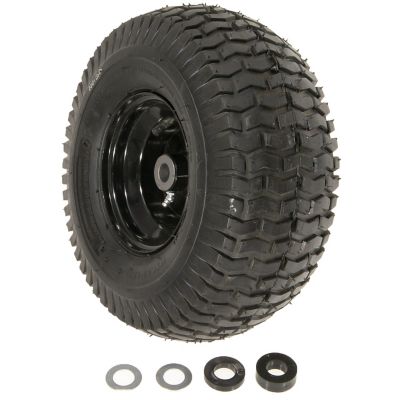
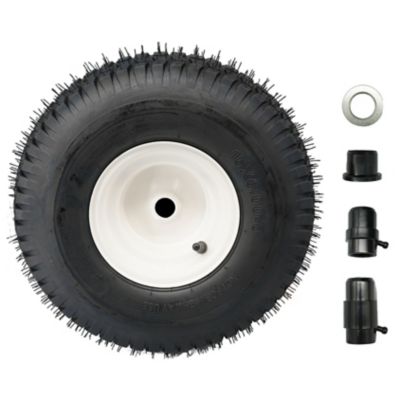
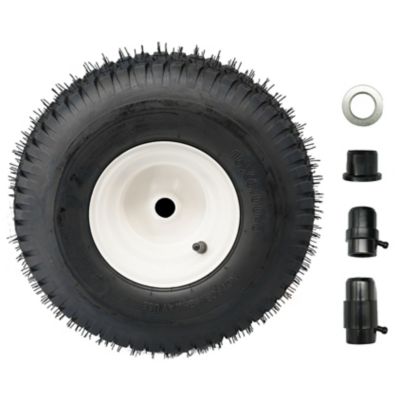
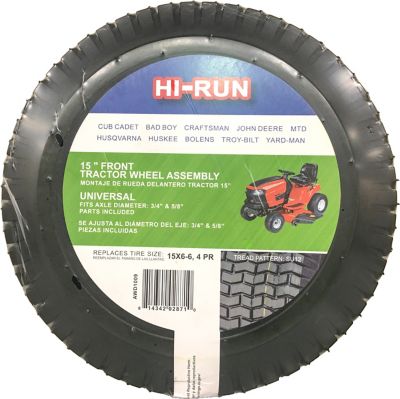
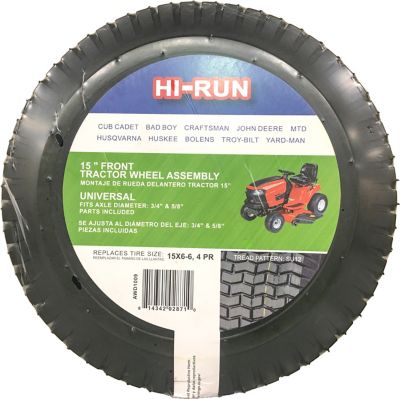
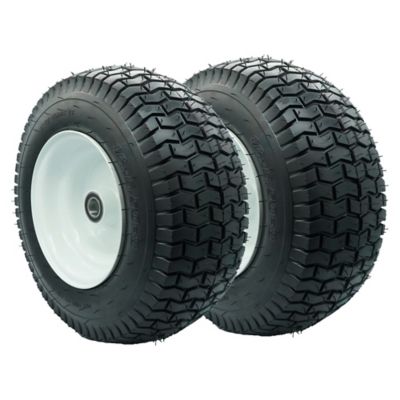
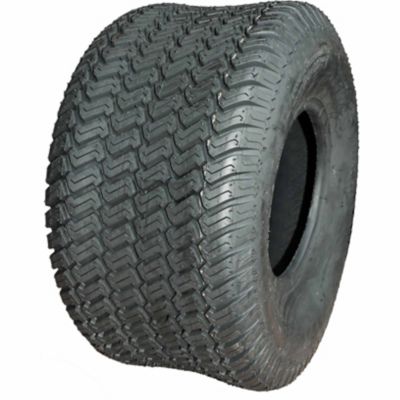
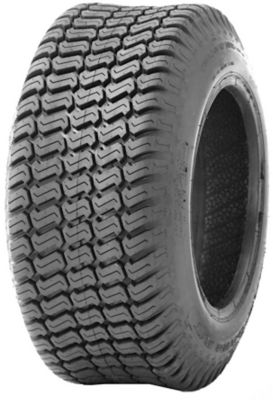
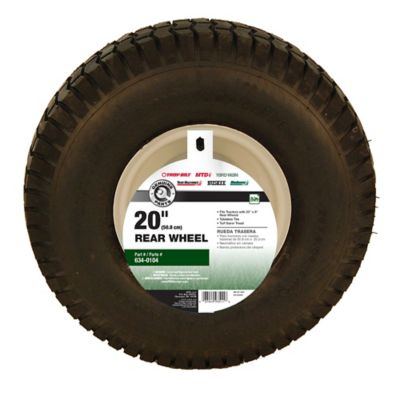
Walk Behind Mower Wheels, axle fit and drive compatibility deserve just as much attention as the tread. Bushings and bearings also influence how freely a wheel turns, and the assembly needs to match the mower’s axle and fastening arrangement. Riding mower wheels bring additional considerations, including rim diameter, tire width, axle connection, and load capacity. A tire size such as 15x6-6 describes nominal tire dimensions, not a guarantee that the complete wheel assembly will fit a particular machine. The hub, bearing size, offset, and valve clearance still need to match. Some replacements are wheels alone, some are tires, and others combine the wheel and tire, so the contents of an assembly matter. On powered axles, keyways, splines, or other drive features must also line up with the original design. Turf-oriented tread is generally intended to balance traction with gentler turning on grass, but no tread pattern can prevent scuffing in every situation. Tight turns, soft ground, and abrupt changes in direction all affect how a mower treats the yard.
Everyday wear offers useful clues about when a wheel needs attention. A cracked wheel body, loose hub, damaged drive teeth, or tread separating from its center can make a mower harder to push or keep on course. Excessive side-to-side movement may come from the wheel, but it can also point to a worn axle, missing spacer, or loose mounting hardware. A fresh wheel will not straighten a bent axle or repair a damaged height-adjustment bracket. Looking at the surrounding parts helps protect the replacement and addresses the cause of repeated wear. For walk-behind mowers, matching the specified wheel diameter helps preserve the intended cutting-height range; mismatched sizes can leave the deck sitting unevenly. For riding equipment, correct tire pressure, where applicable, supports handling and deck setup, while the mower’s manual provides the proper pressure and service requirements. Routine care is usually simple: removing packed grass and grit from around the hub, checking for looseness, and keeping tread free of tightly wrapped string or wire. Lubrication needs depend on the design, since a grease fitting, a serviceable bushing, and a sealed bearing do not all call for the same treatment. Inspection and maintenance belong with the engine off and the mower secured according to its safety instructions. Storage away from direct sunlight and contact with fuels or solvents can help limit damage to susceptible tire and wheel materials. For a homeowner mowing around a clothesline, a caretaker working along several buildings, or someone maintaining a larger rural property, a properly matched wheel helps the mower travel with less wobble and less wrestling at the handle or steering wheel. The best fit comes down to the details: the correct model, wheel position, dimensions, mounting arrangement, and drive connection. With those matched, replacement mower wheels can put familiar equipment back to work without changing how it was designed to handle.