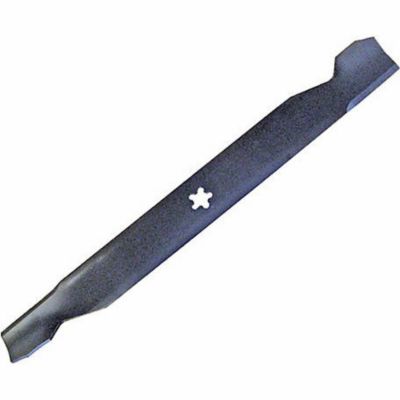
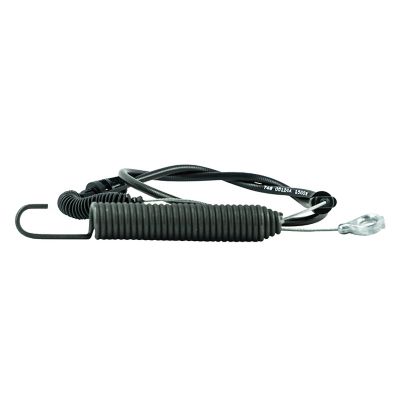
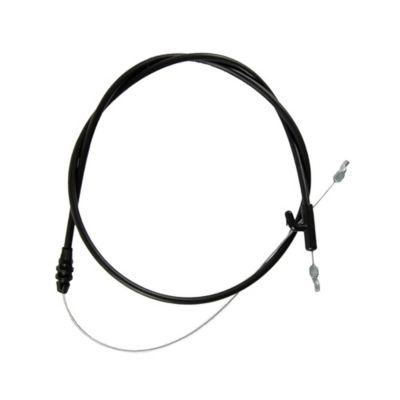
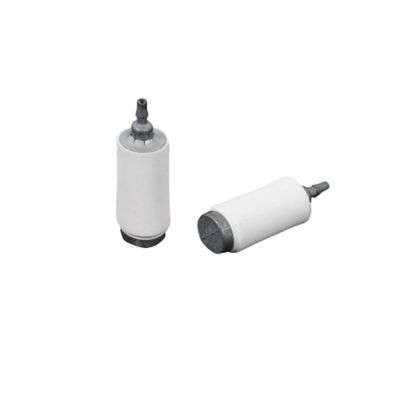
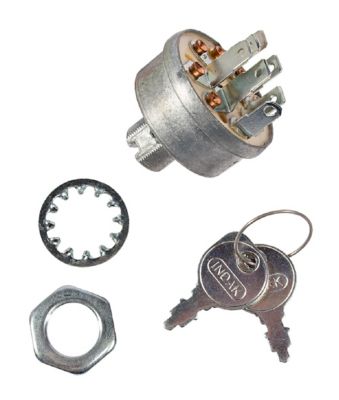
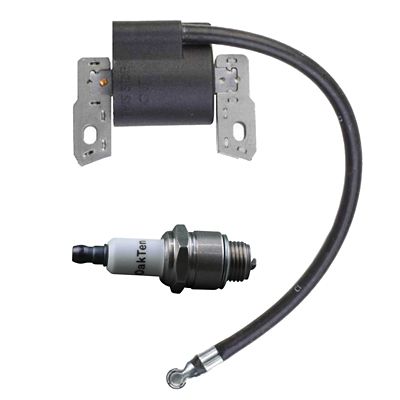
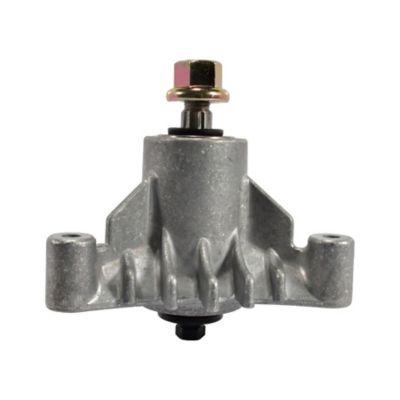
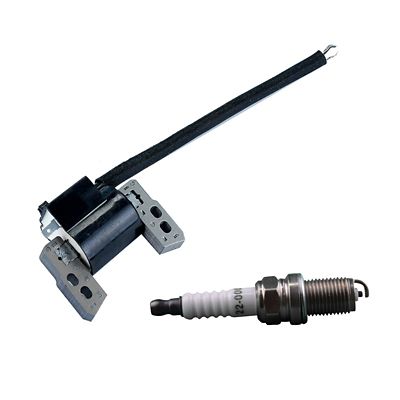
Generator parts help keep backup power equipment ready for the jobs that do not stop when the lights go out. Around a rural home, farm, or small business, that can mean supporting essential equipment during an outage or running tools where an outlet is a long walk away. Replacement parts serve several needs, from routine engine upkeep to addressing wear in starting, fuel, and electrical systems. The right choice depends on the generator’s design, its engine, and the particular component being replaced—not simply its appearance or advertised wattage. For shoppers comparing generator replacement parts, the complete model number and the manufacturer’s part number are the strongest starting points for checking compatibility. A generator’s identification label may be on its frame or housing, while its engine may carry separate identification details. Label locations vary, and the owner’s manual can help confirm where those details belong. That distinction matters because an engine component may be matched through engine information, while a frame-mounted or power-generation component may require the generator’s own model information. Serial numbers can also matter when a manufacturer changes a design during production. Two machines that look much the same parked beside the barn may call for different replacements under the cover. Product descriptions, compatibility lists, and illustrated parts diagrams help narrow those differences before a purchase. A matching photograph is helpful, but it does not establish fit by itself. Connection styles, mounting points, dimensions, and part-number references all deserve attention. For an owner who has kept the same generator through years of chores and storm seasons, finding a properly matched replacement can make more sense than replacing the whole machine, provided its overall condition supports the repair. Having the machine’s details close at hand makes shopping less of a guessing game and helps separate parts intended for that equipment from ones that only look similar.
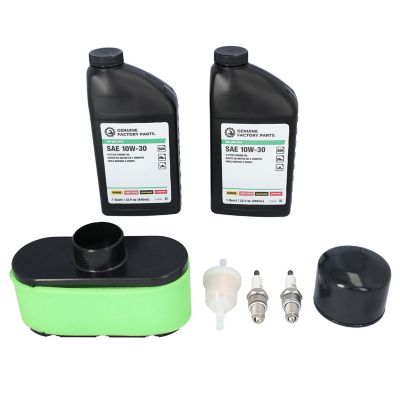
The selection of generator parts spans components that support engine operation, starting, electrical output, and the physical condition of the equipment. Engine-service parts help address the wear and buildup that come with working around dust, grass clippings, and dirt floors. Fuel-system components must suit the engine’s specifications and the fuel the manufacturer allows, with the correct connections and materials for their location. Starting-system replacements need to match the original arrangement, whether the machine starts by hand or has an electric-start setup. Electrical replacement parts demand especially careful matching because voltage ratings, connector layouts, and system designs can differ between generators with similar power ratings. A component intended for one electrical design is not automatically suitable for another. That is why clear application information carries more weight than a broad claim that a part fits many machines. Purchase considerations also include what comes in the package. Some replacements arrive as an assembly, while others cover only one component; necessary mounting or sealing pieces may be separate. The product listing should make those differences clear so shoppers can judge the full scope of the purchase. Manufacturer part-number changes are another detail worth checking: a newer number may replace an earlier one, but that relationship should be documented rather than assumed. For owners maintaining several types of outdoor power equipment,
Brigg & Stratton Lawn Mower Parts offers a separate place to shop for mower applications; shared engine features alone do not establish compatibility with a generator. Across any equipment category, the best match follows the machine’s documented requirements. Price matters, too, but comparing package contents, fit information, and installation needs gives a clearer picture of the total expense. A smaller purchase is not much help if the required companion pieces are missing or the mounting arrangement does not match. Shoppers planning a repair through a service shop may also want the technician’s confirmed part number before ordering, especially when symptoms could have more than one cause.
Generator replacement parts are a practical purchase for homeowners, acreage owners, contractors, property caretakers, and anyone responsible for keeping backup equipment in working order. Their needs vary with how the generator earns its keep. A machine that travels between work sites sees different conditions from one that stays sheltered until an outage, and equipment around livestock buildings may encounter more airborne dust than equipment stored in an enclosed residential garage. Hours of operation, storage conditions, maintenance history, and exposure to moisture all influence what may need attention. During the cooler months, a generator that has been sitting between jobs can become a bigger part of a household’s backup plans. There is a familiar kind of frustration in having chores lined up, daylight fading across the fence line, and equipment that will not start as expected. Shopping for compatible maintenance parts ahead of a known service interval can help owners plan around that inconvenience without treating every starting problem as proof that one particular component has failed. Replacement parts work best as part of care based on the manufacturer’s schedule and a sound diagnosis. An engine that runs unevenly, for example, may have several possible causes; buying a replacement solely from a symptom can lead to unnecessary expense. Electrical-output problems and repairs involving fuel leaks warrant professional evaluation when the owner does not have the training or equipment to assess them safely. For households that share equipment duties, keeping model information and service records together also makes future purchases easier, whether one person handles the ordering or a local shop handles the work. Parts can be a thoughtful practical gift for an equipment owner when the exact application and requested replacement are known, though these are better matched to a confirmed need than chosen as a surprise. Above all, generator parts are about keeping useful equipment serviceable for the work ahead. Clear fitment details, complete package information, and an understanding of the machine’s condition help shoppers choose replacements with a purpose, whether that purpose is scheduled upkeep, a planned repair, or getting a hardworking generator ready for its next call.