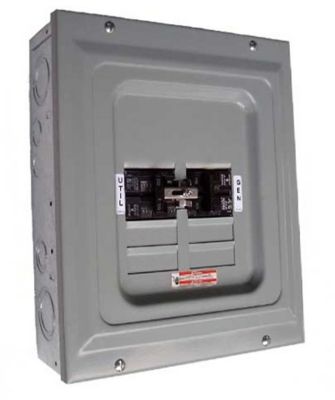
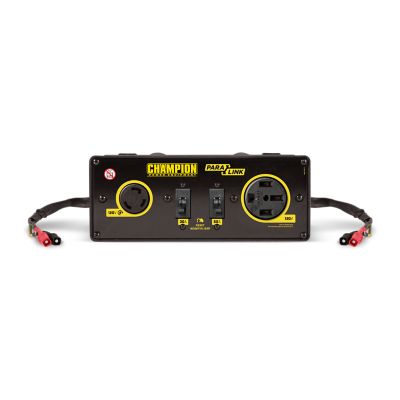
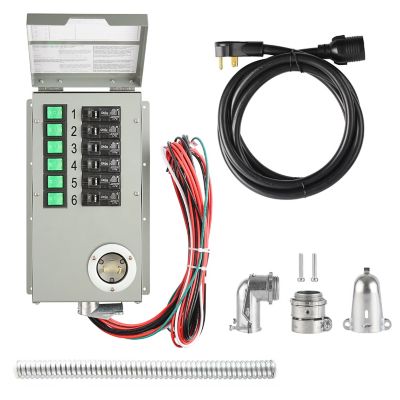
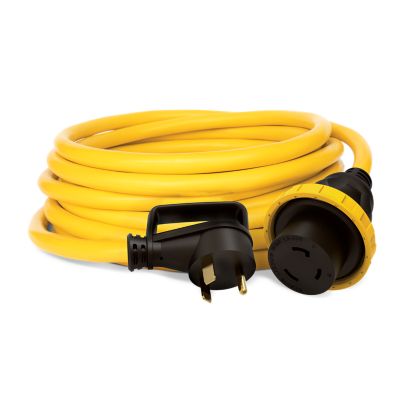
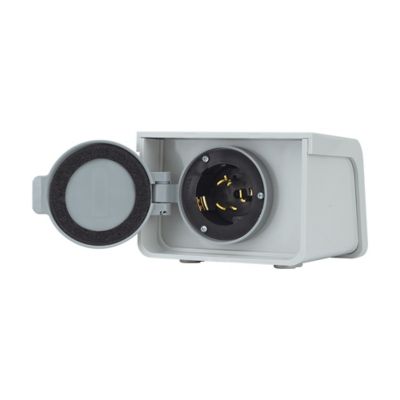
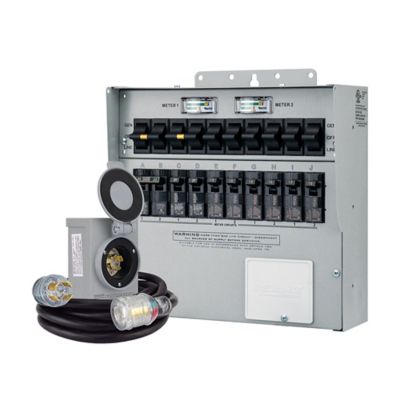
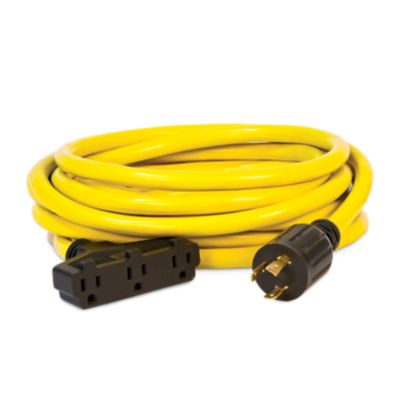
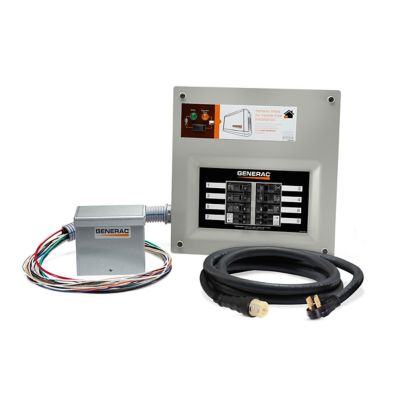
Generator parts and accessories help connect the power your generator makes with the jobs that need doing, whether that means running tools at a fence repair, supplying equipment at a remote shed, or keeping essential household circuits working through an outage. The right match starts with the generator itself: its outlet style, voltage, running wattage, starting wattage, and the equipment it will supply. Power cords, plug adapters, connection kits, and replacement electrical components each serve a different purpose, so matching a plug shape is only part of the picture. A cord also needs the proper amperage rating, conductor size, grounding arrangement, and length for the load. Heavy copper conductors carry electricity, while the outer jacket helps protect them from abrasion and contact with the ground. Outdoor-rated cords make sense for outdoor connections, and jackets with oil resistance can be helpful around engines and work areas. Extra length may be handy when the generator needs to sit well away from a building, but a longer cord can also increase voltage drop, especially with heavier loads. A power tool on a jobsite and a motor-driven pump at the barn can have very different starting demands, even when their running power needs seem similar. Adapters change the connection; they do not add capacity to a generator or raise a circuit’s rating. Parallel connection equipment also needs to match generators specifically designed to work together, rather than simply fitting their outlets. For home backup connections, generator inlets and transfer equipment belong in a properly planned electrical setup installed by a qualified electrician. That arrangement separates generator power from utility power and helps prevent dangerous backfeeding; a household wall outlet is never a connection point for generator power. These details matter to homeowners, livestock owners, contractors, and anyone working beyond the reach of a regular receptacle. Good connections also reduce the temptation to improvise with mismatched plugs or several cords strung together. Accessories matched to the equipment, the distance, and the electrical load help make a generator setup easier to manage when there is real work waiting.
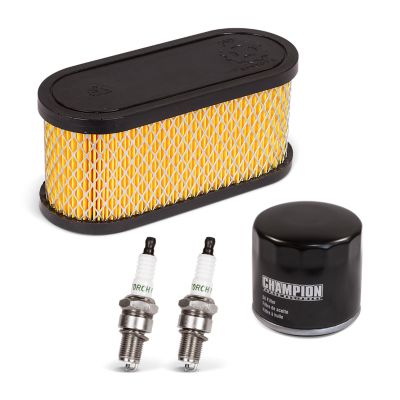
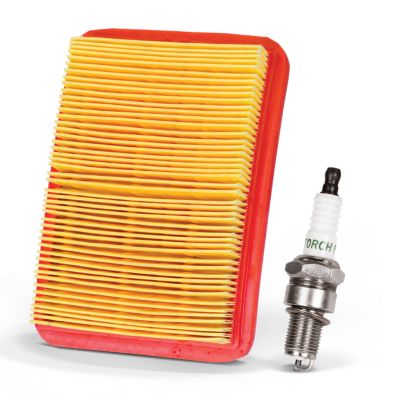
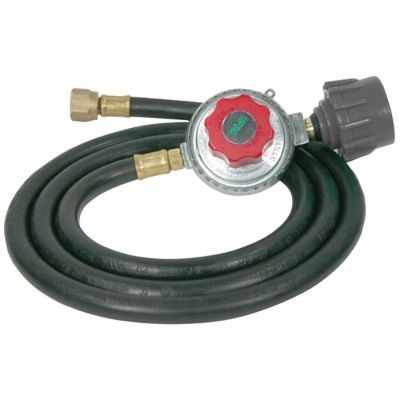
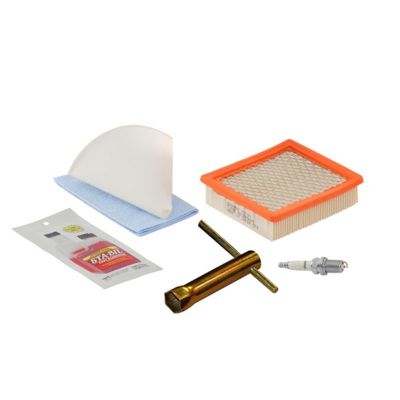
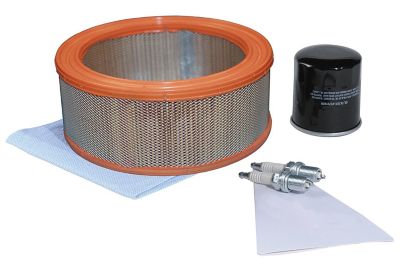
Replacement generator parts support the engine and electrical system behind every hour of operation. Air filters, spark plugs, fuel-system components, starter assemblies, batteries, and other service parts have particular jobs, and their fit can vary even among generators that look much alike. A model number, engine identification, and the manufacturer’s part reference are better starting points than appearance alone. Filter dimensions, spark plug specifications, hose diameter, connector shape, and mounting-hole spacing can all affect whether a replacement belongs on a particular machine. Owners shopping for that make can also explore
Honda Generator Accessories, with the generator’s model information close at hand. Materials matter alongside fit. A fuel hose must be rated for the fuel passing through it, seals need to match their intended application, and electrical terminals need the right connection and protection against corrosion. Steel brackets and housings provide support, while rubber mounts can help isolate vibration where the generator’s design calls for them. Replacement does not always mean changing how the machine works; often, it means restoring the original fit and function after normal wear. A pull-start assembly that has become difficult to operate, an air filter packed with fine dust from a gravel worksite, or a battery that no longer holds its charge can each interrupt a job for a different reason. Routine service parts give owners a way to address those needs without guessing at substitutions. Care requirements also differ by component: some filters allow cleaning according to the manual, while others need replacement, and engine oil must meet the generator manufacturer’s specifications. Service intervals depend on the machine and operating conditions, not just the calendar. Keeping the correct parts information with the generator makes future maintenance less of a hunt through the shop. Before service, the engine should be off, cooled, and isolated from unintended starting as directed by its manual. Repairs involving wiring, fuel leaks, or unfamiliar engine faults are jobs for a qualified service professional.
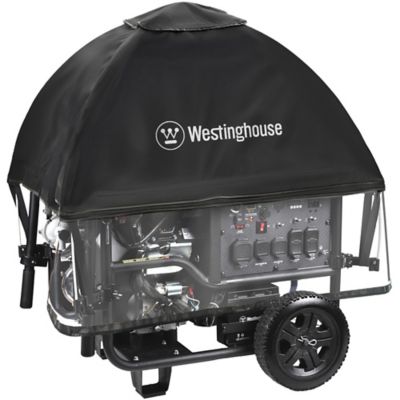
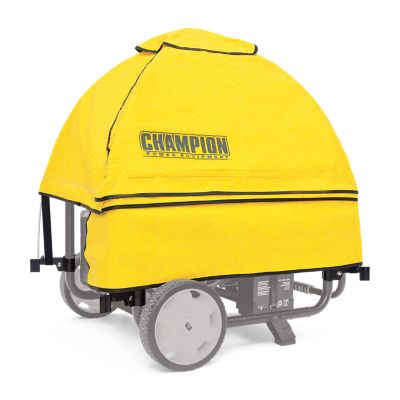
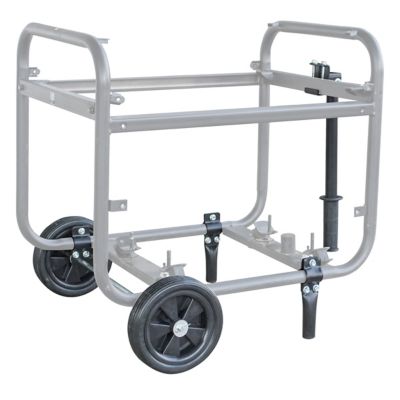
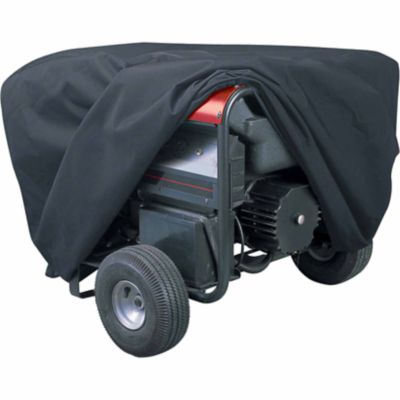
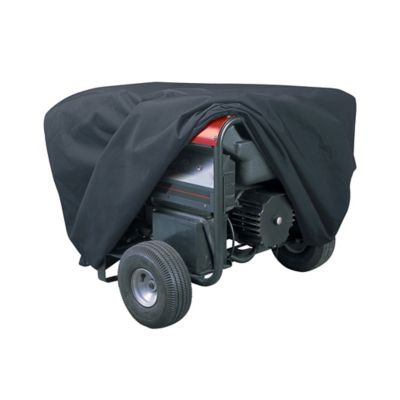
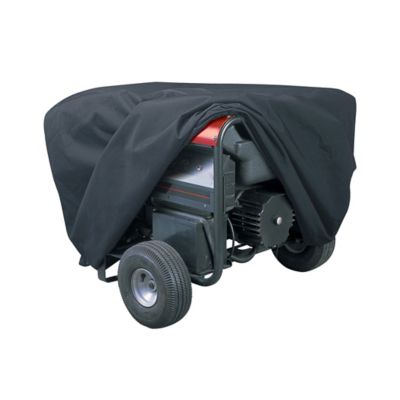
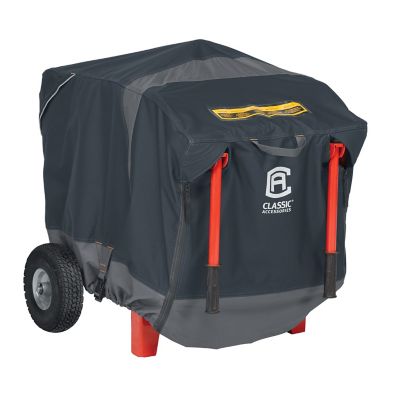
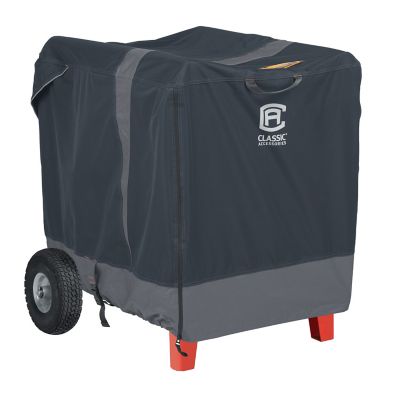
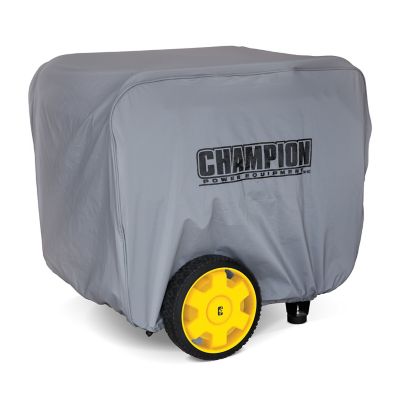
Generator accessories also cover the practical side of moving, protecting, and organizing equipment between jobs. A wheel kit and handles can make a compatible portable generator easier to position on suitable ground, but axle size, mounting points, weight capacity, and clearance all need to match the frame. Steel hardware, secure fasteners, and wheels suited to the surface help support the machine without changing its intended operating position. A farm lane, a packed shop yard, and the space beside a parked trailer present different handling needs, so portability is about more than adding wheels. Storage covers help shield a parked generator from dust and grime, with dimensions that account for the frame, handles, and other attached equipment. Fabric weight, seam construction, and the way a cover fastens affect how well it stays in place, while proper clearance helps keep it from catching on controls or fittings. Storage covers need to come off before operation, and a generator should cool before being covered or put away. Portable generators belong outdoors, at least 20 feet from buildings, with exhaust directed away from doors, windows, and vents; an open garage door does not make a garage a safe operating space. Cord storage and carrying accessories can help keep connections organized and prevent heavy cables from becoming a tangled pile under the workbench. Inspection still matters: cracked insulation, loose terminals, leaking hoses, and damaged mounting hardware call for attention before the next job. Fuel containers should be approved for their contents, and refueling belongs with the engine shut off and cooled. For folks who split their time between the house, barn, and worksite, parts and accessories are most useful when they fit an established routine. A manageable cord length, a cover that clears the handles, and service parts that match the engine can make the whole setup simpler to keep ready. The best fit comes from the generator’s specifications, the work it needs to support, and the care its components require over time.