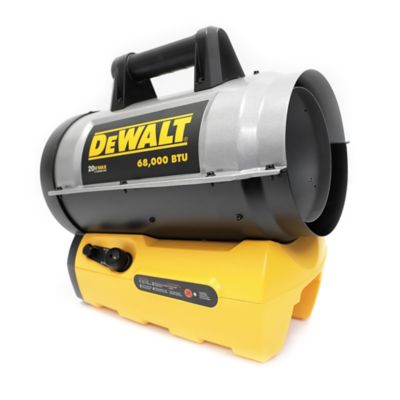
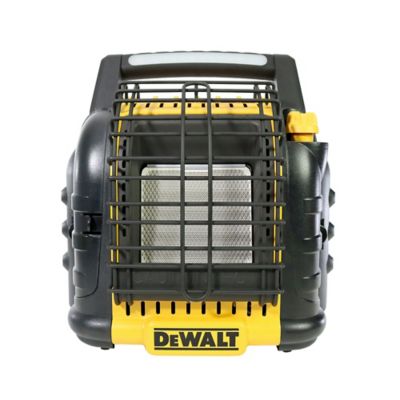
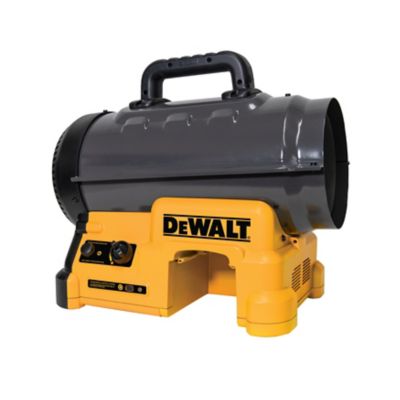
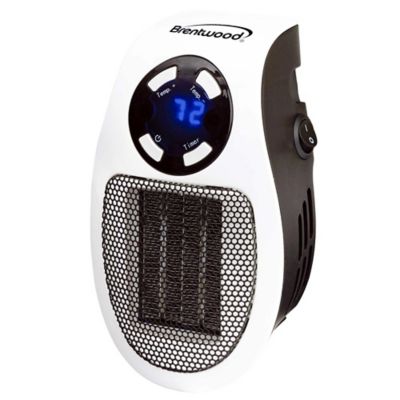
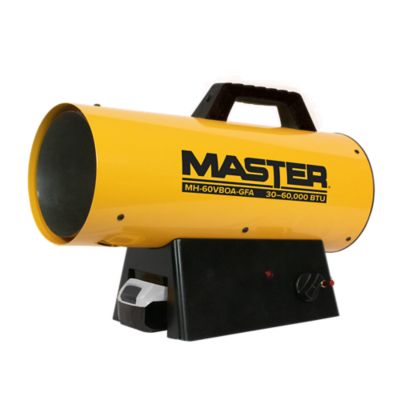
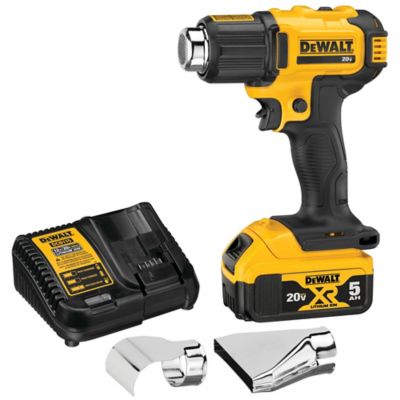
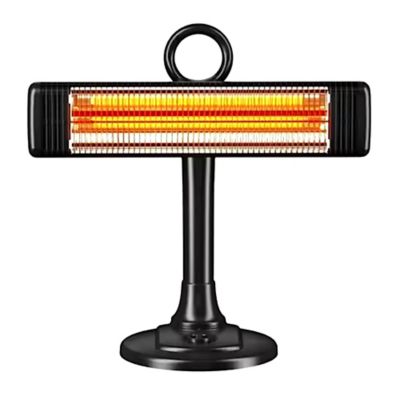
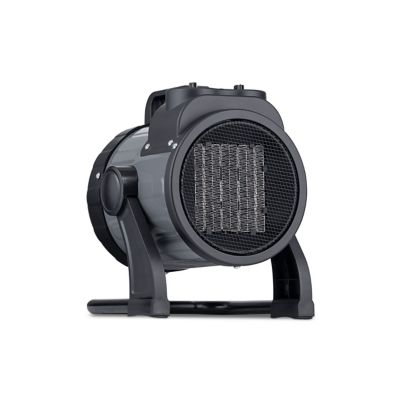
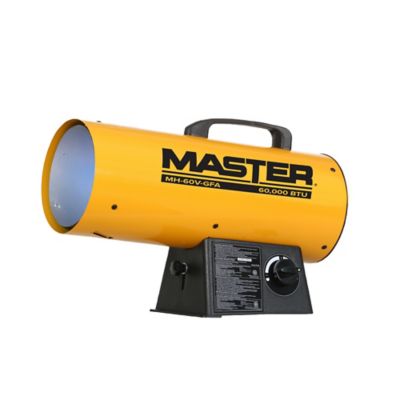
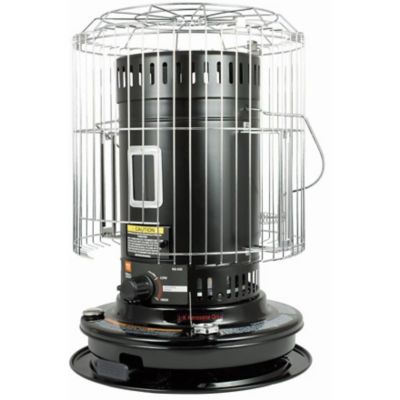
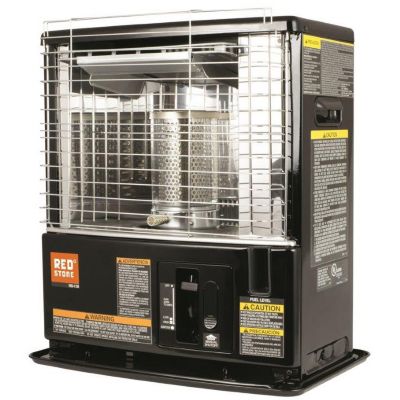
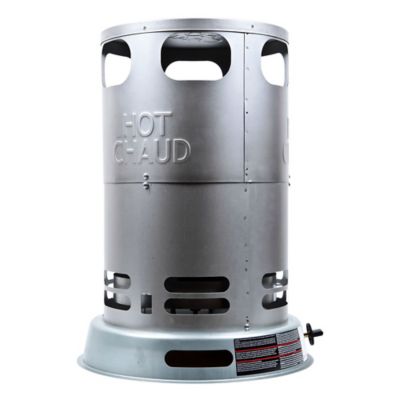
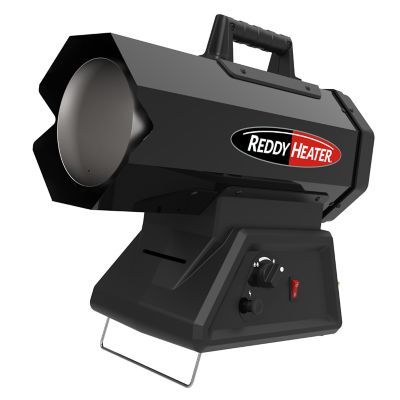
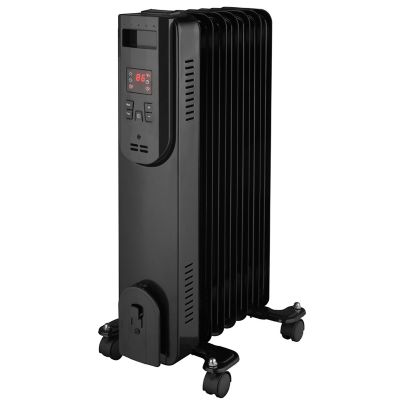
Cordless heaters bring portable warmth to work areas where an outlet is out of reach or an extension cord would get in the way. That can mean a repair beside the equipment shed, a sheltered outdoor work area or an open jobsite with no electrical hookup. The important distinction is that cordless does not necessarily mean battery-heated. Many cordless portable heaters burn propane to make heat, while a rechargeable battery powers the blower, ignition or controls. Some radiant propane designs operate without an electrical connection at all. A battery-only electric heater draws its heat energy from the battery itself, which limits how much heat it can deliver and how long it can run. For larger work areas, fuel-powered designs can provide substantial heat without drawing heating power from a wall outlet. Radiant heaters send warmth toward nearby people and objects, making them worth considering for a relatively stationary task, such as working at an outdoor repair bench. Forced-air heaters move heated air with a fan and are often intended for larger, properly ventilated work areas. Neither style makes an unsuitable location safe for fuel-burning equipment, and the operating location needs to match the heater’s approved applications. Heating output is commonly listed in British thermal units per hour, or BTU/hr. Higher output means more heating capacity, but it does not guarantee comfortable conditions across a particular square footage. Ceiling height, insulation, drafts, outdoor temperature and open doors all affect the result. A breezy, open-sided work area loses heat much faster than a sheltered space, so a coverage estimate is only a starting point. For a suitable indoor location with an appropriate electrical supply,
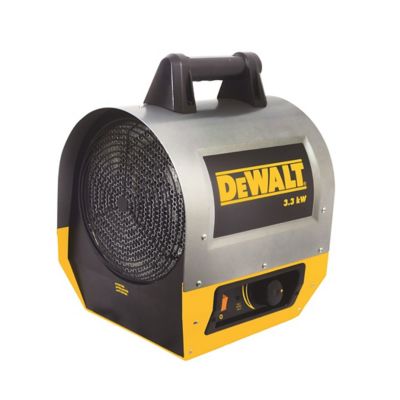
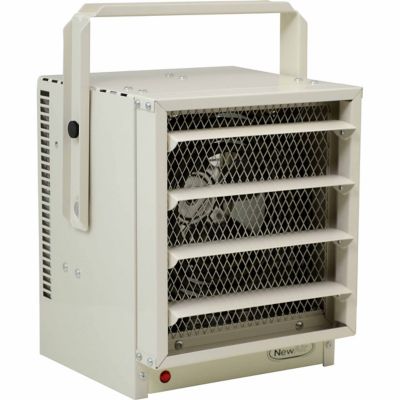
Electric Portable Heaters offer another way to add warmth without burning fuel at the heater. Choosing between these categories starts with the work location, the available power source and the kind of warmth the task calls for—not simply the largest output number.
Battery compatibility, fuel connections and carrying size all matter when a heater has to travel with the job. A rechargeable tool battery must match the heater’s specified platform; matching voltage alone does not establish compatibility. Check whether the required battery and charger are included or need to be purchased separately, along with any specified fuel hose or regulator. Battery capacity, often expressed in amp-hours, influences electrical run time, while fuel supply and heat setting determine how long combustion can continue. Those are separate limits: a heater can have propane remaining when its blower battery runs down, or battery charge remaining when the fuel runs out. Higher-capacity batteries may extend operation, but they do not automatically increase heat output. Cold conditions can also affect battery performance, so operating and charging temperature limits deserve attention before an early start out by the shop. Adjustable heat settings help match output to the task, and variable fan settings, where provided, can change airflow and battery demand. For someone carrying tools, gloves and repair parts, a balanced handle, manageable weight and a base that sits firmly are practical details. Consider the heater’s dimensions with its battery attached and its fuel connection in place, not just the bare housing. A hose needs room without becoming a trip hazard or passing near hot surfaces. Steel housings and protective grilles can stand up to everyday handling, although a grille does not make the heater cool to the touch or safe to crowd against nearby materials. Accessible controls can be easier to manage with work gloves, provided the manufacturer permits operation that way. Fan noise also deserves a thought when the job involves conversation or listening for equipment sounds. Farm owners, contractors and folks who maintain their own equipment may value different combinations of portability and output. A heater meant for short, close-range tasks serves a different purpose from one intended to move warm air through a larger approved work area.
Safe placement and routine care are part of owning any cordless fuel-burning heater. Cordless operation removes the power cord; it does not remove combustion hazards, hot surfaces or the need for ventilation. Follow the manufacturer’s location restrictions and ventilation requirements every time, including any minimum opening sizes. Outdoor-only heaters must stay outdoors, and opening a window does not make an outdoor-only model suitable for an enclosed room. Never run a fuel-burning heater while sleeping or leave it operating unattended. Where the heater is approved for an enclosed work area, keep a functioning carbon monoxide alarm as directed, but remember that an alarm does not replace required ventilation. Carbon monoxide has no smell, and propane odor is not a warning of carbon monoxide exposure. Headache, dizziness or nausea around operating fuel-burning equipment calls for getting everyone into fresh air immediately and seeking emergency help. Set the heater on the stable, noncombustible surface specified in its instructions, with the required clearance from walls, clothing, hay, bedding, sawdust and other materials that can catch fire. Keep children and animals away, and do not aim heated airflow at fuel containers or equipment that cannot tolerate heat. Tip-over switches, flame monitoring and overheat protection, when present, are backup safeguards rather than permission to leave a heater alone. Before each session, inspect the fuel hose, fittings, battery connection and housing for damage. Follow the prescribed leak-check procedure and never check for a gas leak with a flame. Shut the heater off and let it cool before moving it, changing fuel connections or cleaning it. Clear dust from approved intake and grille areas according to the care instructions, without spraying water into electrical components or altering safety controls. Store the heater dry and protected from bumps, and store batteries and propane cylinders according to their separate requirements. Propane cylinders belong upright in an approved, ventilated outdoor location, away from ignition sources. A little attention between jobs helps keep the next setup straightforward and prevents worn connections, blocked airflow or transport damage from going unnoticed.