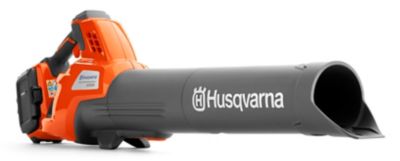
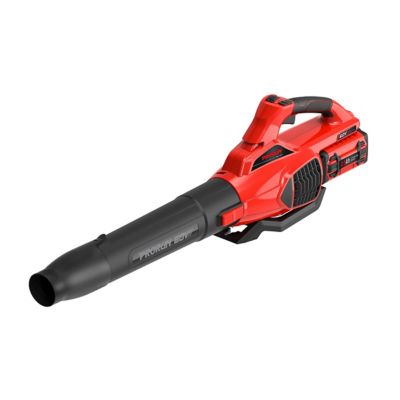
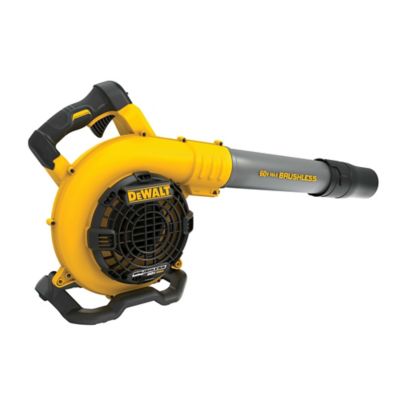
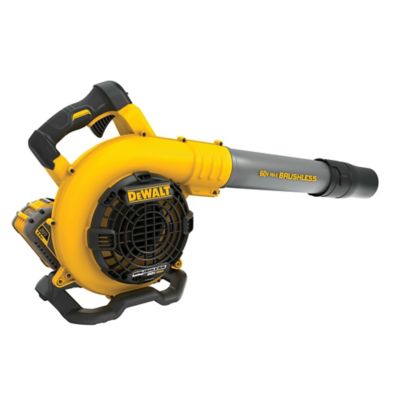
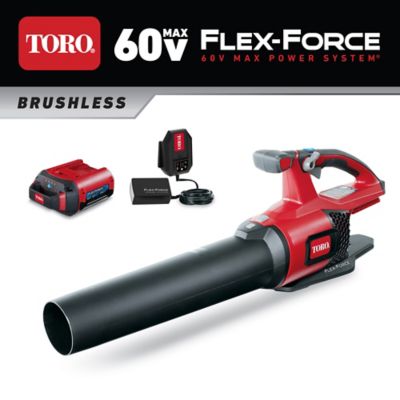
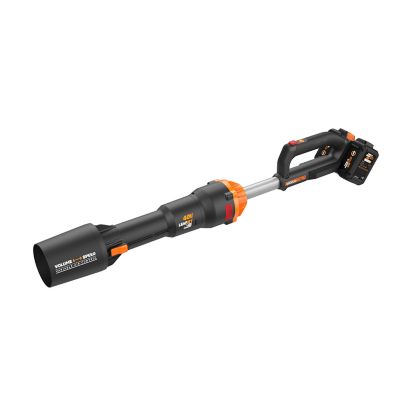
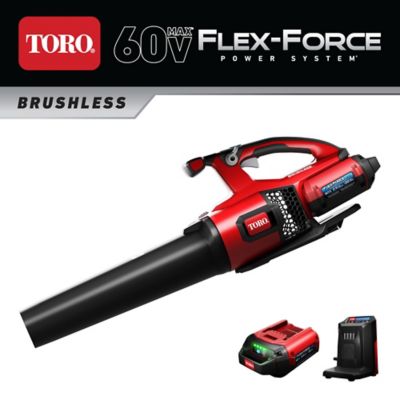
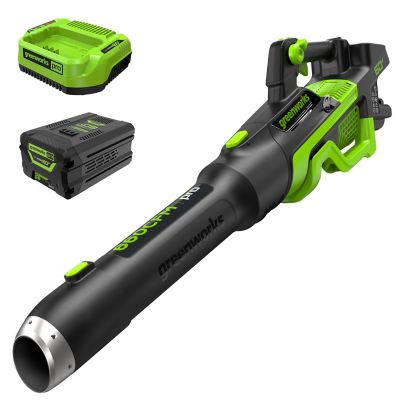
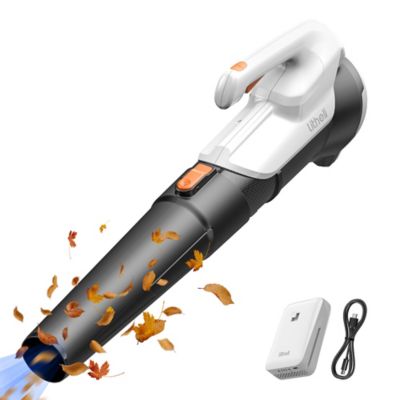
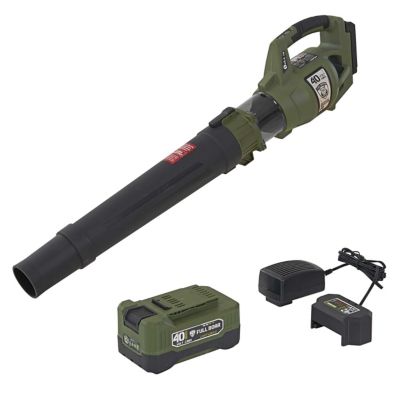
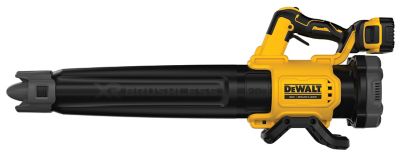
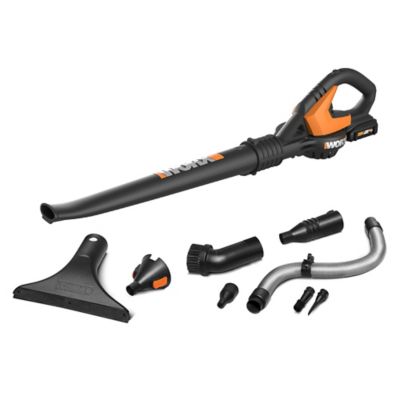
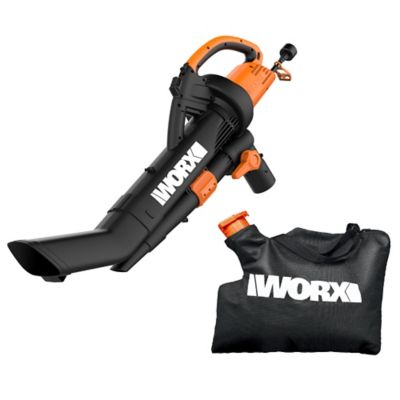
Cordless leaf blowers are battery-powered outdoor tools that move leaves, grass clippings, and loose yard debris without a power cord or gasoline engine. They make sense for the everyday cleanup that comes with keeping a place tidy, from clearing a front walk after mowing to gathering leaves along a fence line. Two performance measurements help describe what a blower can do: CFM, or cubic feet per minute, measures the volume of air it moves, while MPH, or miles per hour, measures air speed. Higher air volume helps move larger amounts of loose material, while higher air speed can help lift heavier debris or dislodge leaves caught in pavement cracks. Neither number tells the whole story on its own; nozzle design, power settings, and the material being cleared also affect results. A broad layer of dry leaves on a driveway calls for a different balance of airflow and control than damp leaves tucked into thick grass. Battery-powered leaf blowers with variable-speed triggers let the operator ease off around porch furniture and planting beds, then increase airflow across open ground. A boost setting can provide extra power for stubborn patches, though running at maximum output generally draws the battery down faster. Cruise control, where included, holds a selected setting without constant trigger pressure, which can make longer passes along a lane or sidewalk more comfortable. Narrower nozzles concentrate the air stream, while wider openings can help cover more ground, depending on the blower’s design. For gravel drives, loose mulch, and areas near small plants, gentle airflow matters as much as outright power because the goal is to move the leaves without scattering the surface beneath them. Wet, matted piles may still need loosening with a rake before a blower can move them effectively. The best fit is a blower whose airflow, controls, and working time match the cleanup around the property, rather than one chosen by a single performance figure. That might mean light, controlled passes around the house or longer stretches moving scattered leaves toward a collection area.
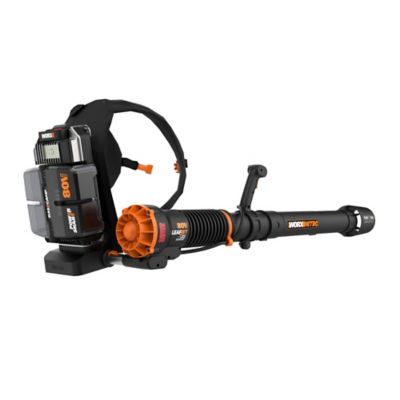
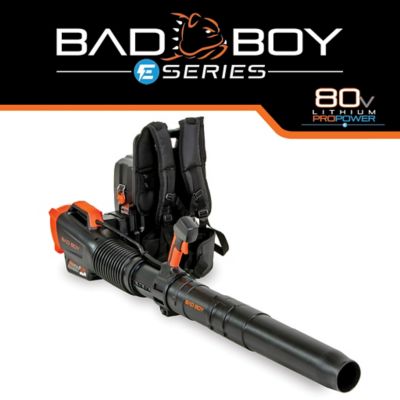
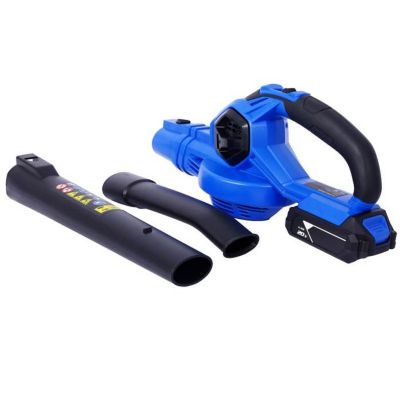
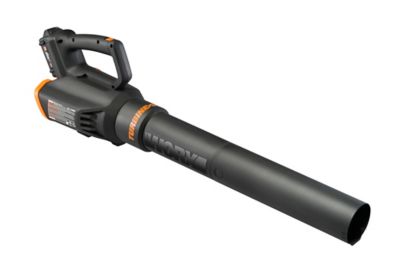
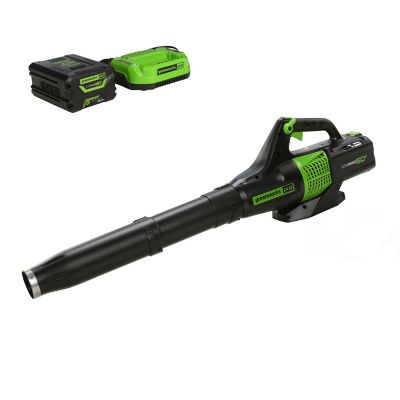
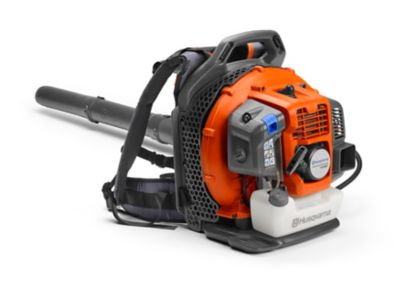
Battery capacity, tool weight, and grip comfort all shape how a cordless leaf blower feels once the job stretches beyond the front steps. Handheld designs keep the tool in one hand and work well for moving between gates, walkways, patios, and outbuildings. Backpack-style battery blowers place much of the load on the back, with straps and harness adjustments helping distribute weight across the body. On either style, balance matters: a tool that feels manageable without a battery can feel noticeably different with a larger pack attached. The working weight, handle shape, trigger reach, and position of the air tube are worth considering together, especially for someone clearing long stretches of fence or making repeated passes around a broad yard. Molded plastic housings help keep weight down, and cushioned grips can make the handle easier to hold securely. A housing built for outdoor chores still needs protection from hard drops, vehicle traffic, and rough storage among loose tools. Battery voltage identifies part of the power system, while amp-hours describe battery capacity; neither figure alone establishes blowing performance or runtime. Actual working time depends on the battery, motor, selected speed, and how steadily the trigger stays engaged. A larger battery can extend working time within a compatible system, but it also adds weight. For bigger cleanup jobs, a charged spare can keep work moving while another battery recharges, provided the charger and battery instructions allow that setup. Compatibility deserves close attention because battery packs are not interchangeable simply because their voltage ratings look similar. Tool-only configurations and packages with a battery and charger also serve different needs, so the included components matter when comparing options. For a homeowner already running compatible cordless yard equipment, staying within that battery platform can simplify storage and charging. A cordless blower can also be a practical gift for someone who takes pride in a neat yard, especially when the battery system, lifting comfort, and size of the property are already known.
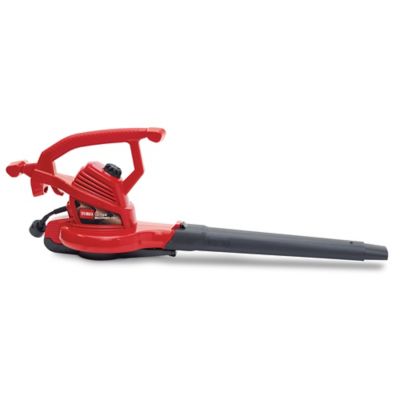
Intended use helps separate a convenient cleanup tool from one that feels like too much to carry or not enough for the job. A compact cordless blower can handle scattered clippings on a sidewalk, leaves collected against garage doors, and light debris around outdoor seating. A larger property with long driveways, mature trees, and several gathering spots for leaves places more emphasis on sustained airflow, battery capacity, and comfortable controls. Blowers move material rather than collect it, so space for gathering leaves and a plan for composting or disposal remain part of the cleanup. Directing leaves toward a collection area keeps them from simply ending up against the next fence or back on the path. Around parked trucks, windows, pets, and people, keeping the air stream pointed away helps limit flying grit and debris. Eye protection and any hearing protection specified by the manufacturer belong with the tool, and battery operation should not be mistaken for silent operation. Care is generally straightforward, but the details matter for service life. Air inlets need to stay clear of leaves and grass, battery contacts need to stay clean and dry, and a cracked tube or loose attachment deserves attention before the next job. Removing the battery before clearing a blockage, checking an attachment, or performing maintenance helps prevent an unexpected start. Storage in a dry location, away from excessive heat and moisture, protects the tool and battery; charging and long-term battery storage should follow the manufacturer’s directions. For cleanup close to an outlet,
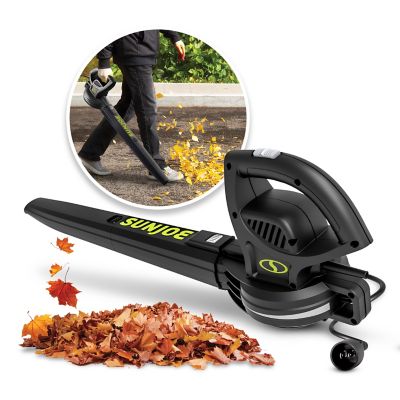
Corded Electric Leaf Blowers offer another electric option, though their reach depends on a suitable outdoor extension cord and access to power. Cordless models keep that cord out of the work area, making it easier to circle trees, pass through gates, and move between separate parts of the property. Matched to the work and cared for between jobs, a battery-powered leaf blower earns its place alongside the rake, mower, and other tools that keep a yard in shape.