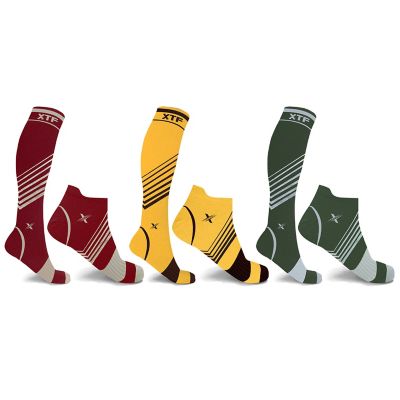
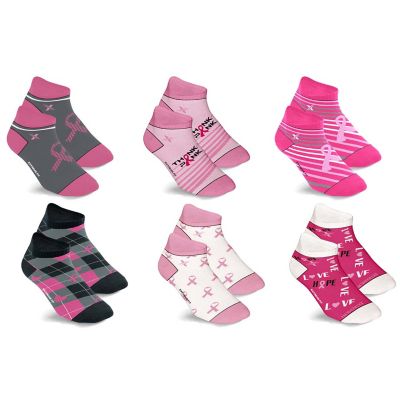
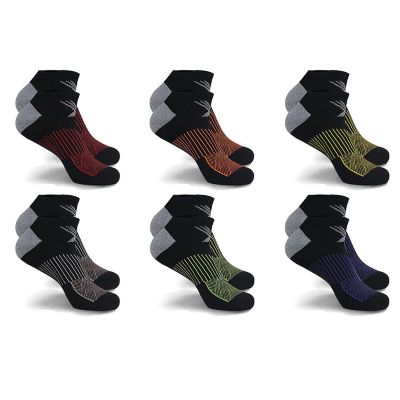
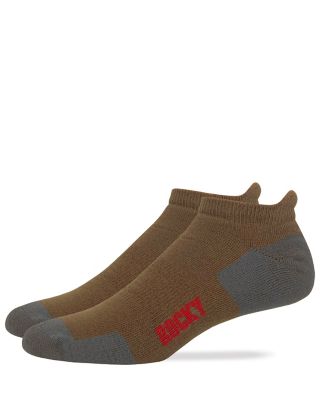
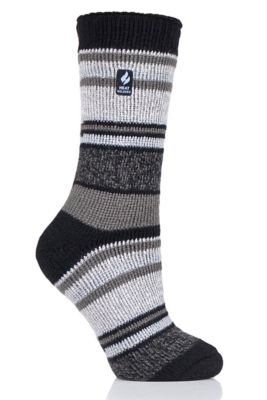
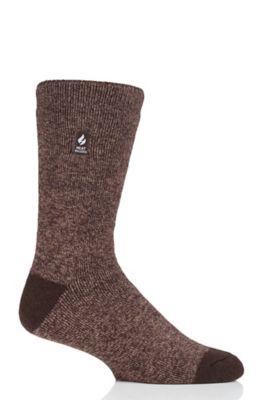
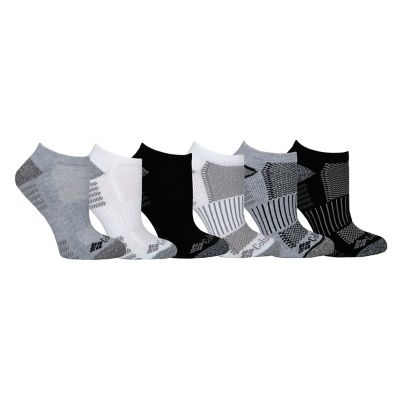
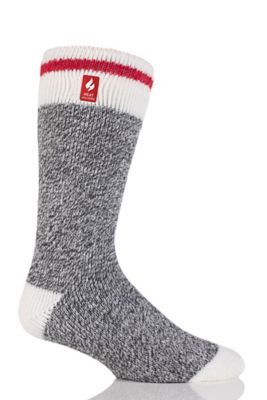
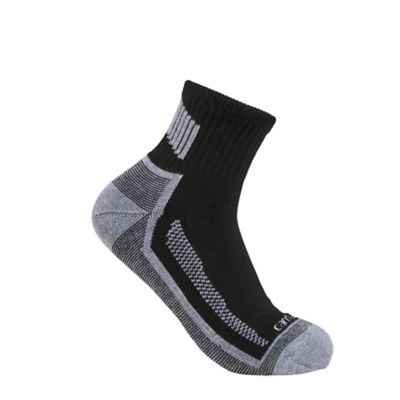
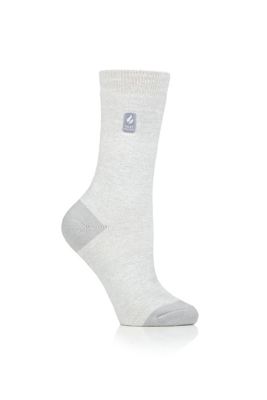
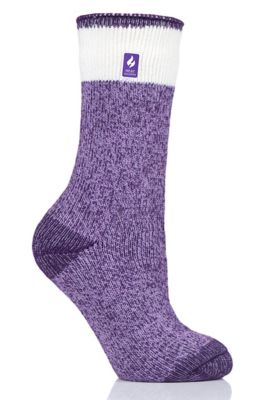
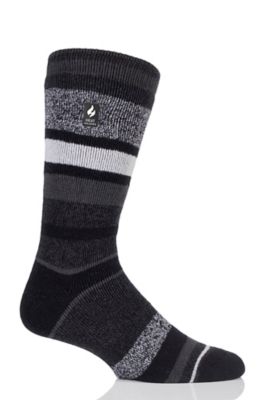
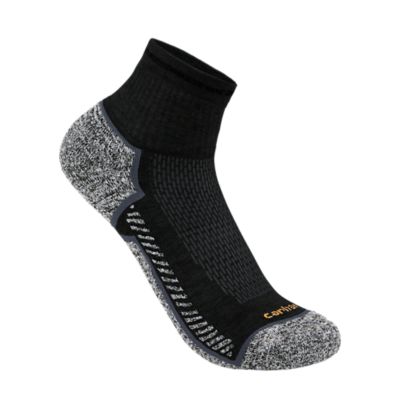
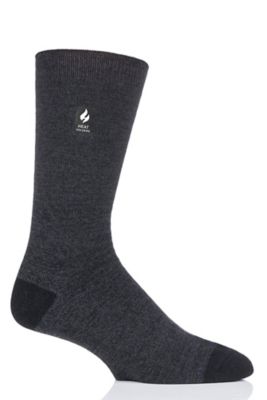
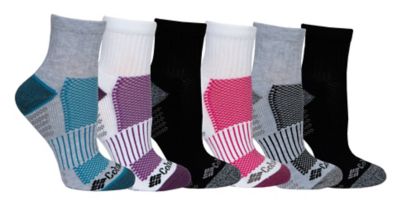
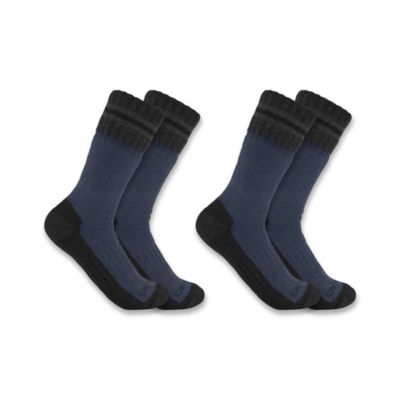
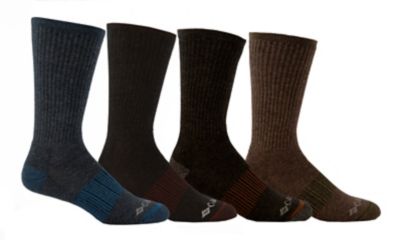
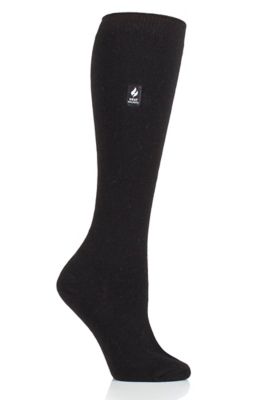
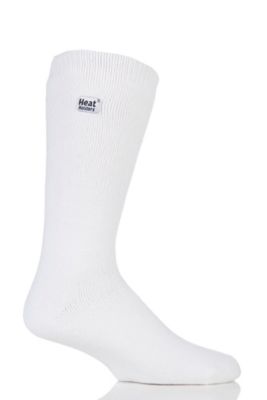
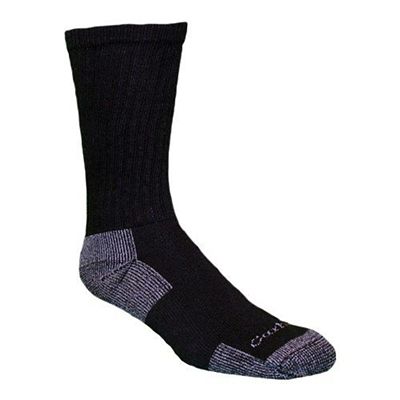
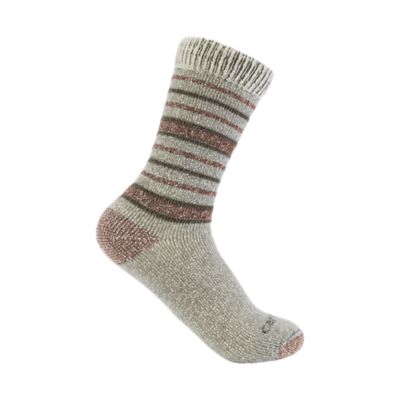
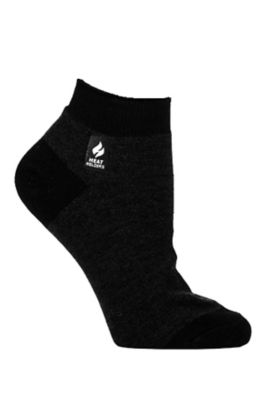
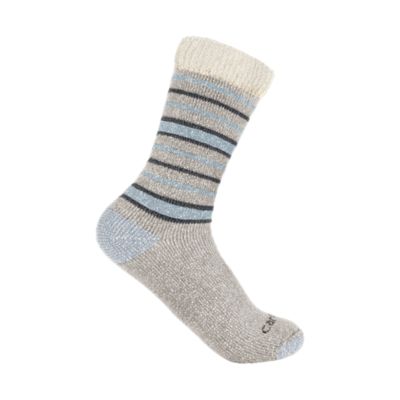
Moisture-wicking running socks move sweat away from the skin and spread it through the fabric, where it can evaporate. That moisture management helps feet feel less damp during a run and may reduce the friction that contributes to blisters, though sock fit and shoe fit matter, too. Whether the route follows a gravel lane, a wooded trail or a treadmill belt, the goal is a sock that stays in place without leaving extra fabric bunched beneath the foot. Polyester and nylon blends are common choices for running socks because they can move moisture through the knit and dry relatively quickly. Nylon can also add resistance to abrasion around the heel and toes, while a small amount of spandex or elastane provides stretch and helps the sock hold its shape. The fiber blend is only part of the story: yarn construction, fabric thickness and mesh panels all influence how a sock handles sweat. Merino wool blends offer another option, combining wool’s ability to absorb moisture vapor with the stretch and strength of other fibers. For runners who prefer wool against the skin,
Moisture Wicking Wool Socks are another category worth considering. Wool can help manage odor, but any running sock still needs regular washing and enough time to dry between outings. Cotton-heavy socks tend to hold onto moisture longer than many performance blends, which can leave feet feeling damp on longer routes. A soft feel straight out of the drawer does not always tell the whole story once the miles add up. For a runner heading out after chores or fitting a workout into a lunch break, a comfortable fabric blend can make the difference between noticing every damp wrinkle and keeping attention on the path ahead. Moisture-wicking socks cannot keep feet completely dry under every condition, but they can help manage the sweat that builds up inside running shoes.
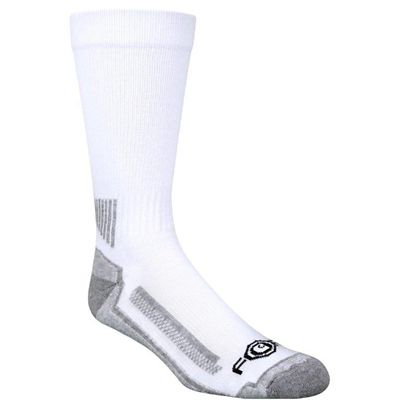
Fit gives those moisture-managing fabrics a chance to do their job. A running sock should follow the shape of the foot, with the heel pocket sitting around the heel rather than creeping beneath it or stretching up toward the ankle. Too much length can leave folds near the toes; too little can pull across the forefoot and put tension on the toe seam. Shoe size ranges are a useful starting point, but foot width, arch shape and the sock’s stretch also affect the feel. Runners between sizes may find that the manufacturer’s sizing details help more than simply matching a familiar everyday sock size. A close fit is helpful, but tight bands, pinched toes and deep pressure marks are not the aim. Some designs include a fitted band through the arch to limit shifting, while others use shaped knitting or separate left and right foot construction. These features can improve how a sock sits without replacing the support of a properly fitted running shoe. Cushioning deserves the same attention. Thin socks take up less room and offer a closer connection to the shoe, while cushioned soles put more material beneath the heel and ball of the foot. Targeted cushioning can soften contact in those areas without adding the same thickness across the entire sock. Extra padding is not automatically better, especially in shoes that already fit closely across the toes. Flat or low-profile toe seams can help reduce rubbing, and reinforced heels and toes can add protection where fabric sees repeated wear. Sock height comes down to coverage and preference. No-show designs sit low inside the shoe, ankle socks cover a little more, and quarter or crew lengths extend farther above the collar. A heel tab can provide a fabric barrier where the back of a shoe touches the skin. Along trails with loose grit, a taller cuff may also help keep small bits of debris from settling directly against the ankle, though no sock can seal out everything.
The right balance of fabric, cushioning and coverage depends on how the socks fit into a runner’s day. Someone building a walking-and-running routine may want a secure everyday fit with moderate padding, while a runner putting in longer distances may pay closer attention to seam placement and how the fabric feels after sustained effort. Trail routes bring repeated changes in footing, and a sock that stays put can help prevent distracting folds as the foot shifts inside the shoe. On a treadmill or a paved loop, lighter cushioning may feel less bulky, especially with a close-fitting shoe. Moisture-wicking running socks can also suit brisk walks, gym sessions and active errands, provided their thickness and shape work with the footwear. They make a practical gift for a runner, a student athlete or someone training for a first local race when foot size and preferred sock height are known. Familiar preferences matter more than picking the thickest pair or the most technical-looking knit. Care has a direct effect on how long running socks keep their shape and feel. The care label should guide washing and drying, especially for wool blends, since different fiber combinations have different needs. Washing after sweaty outings helps remove perspiration and grit that can remain in the fabric. Turning socks inside out can help expose the foot-facing surface to washing, and a mesh laundry bag can keep pairs together. Fabric softener can leave residue that interferes with moisture movement, so it is generally best left out unless the manufacturer says otherwise. Air-drying or label-approved low-heat drying can help protect stretch fibers from unnecessary heat exposure. Rotating between pairs gives each pair time to dry fully before another run. Over time, thinning heels, worn toe areas, loose cuffs and stubborn bunching are signs that a sock may no longer fit or perform as intended. Socks with intact cushioning, secure stretch and a smooth fit are better suited to keeping feet comfortable from the first stretch of driveway to the last turn toward home.