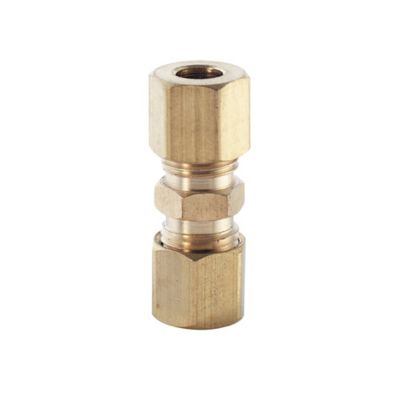
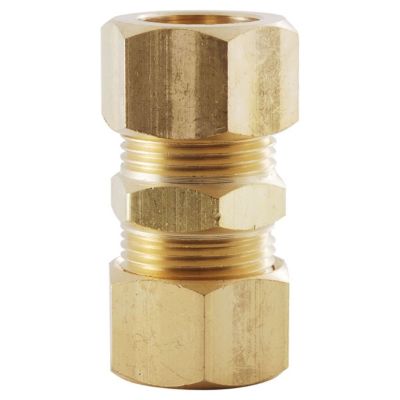
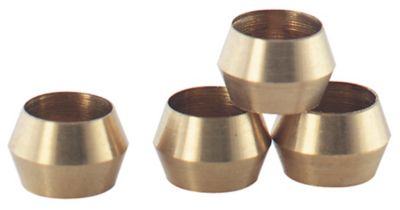
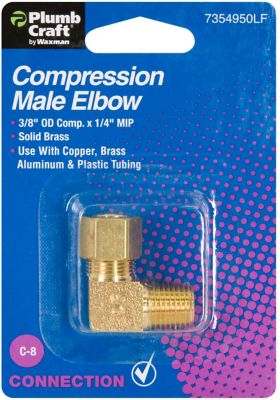
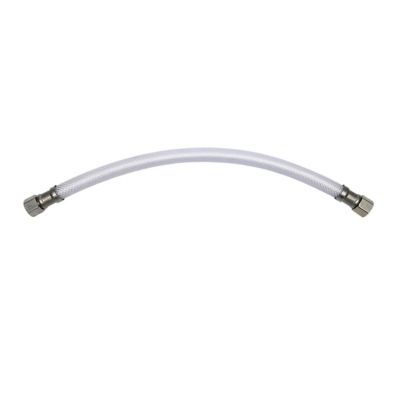
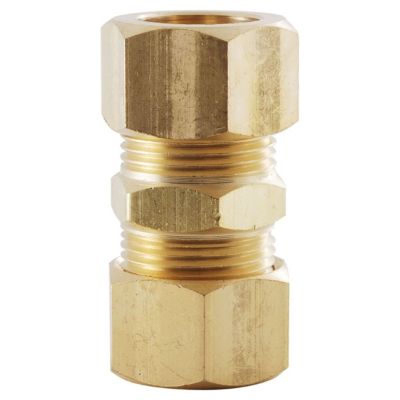
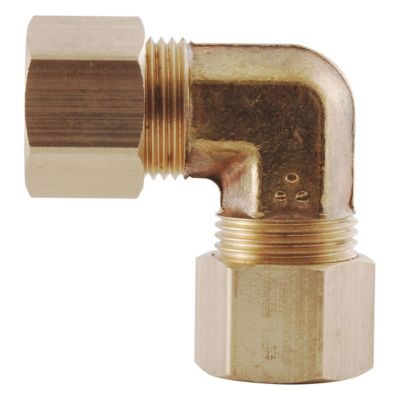
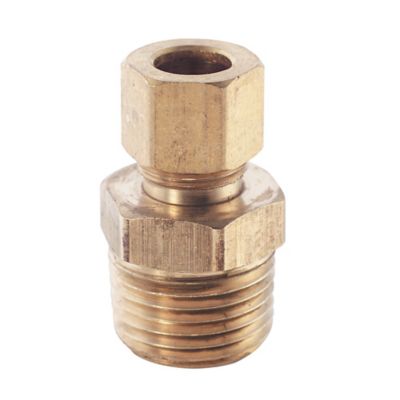
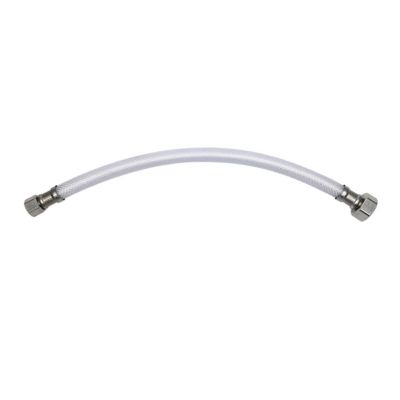
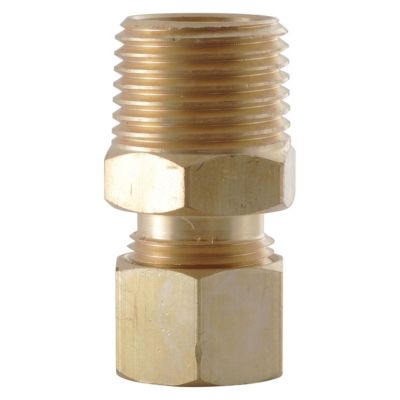
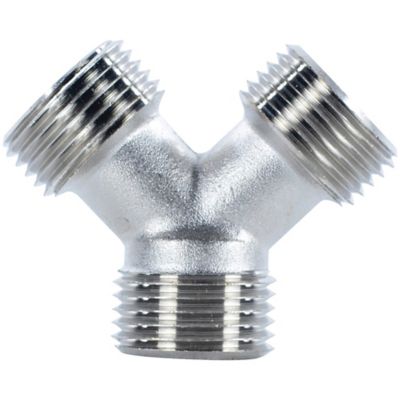
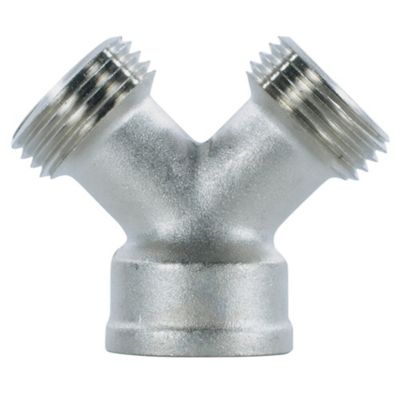
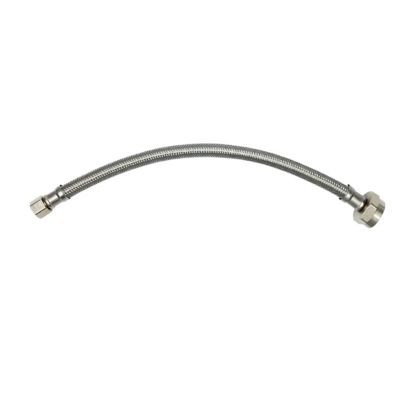
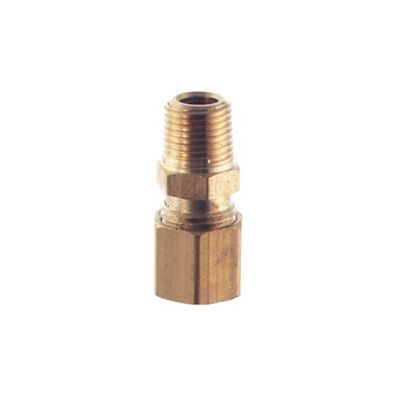
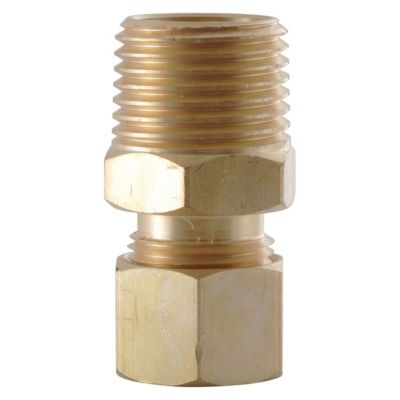
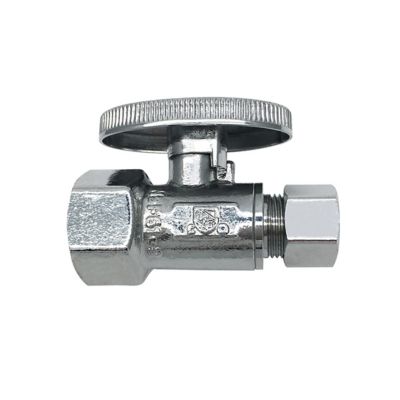
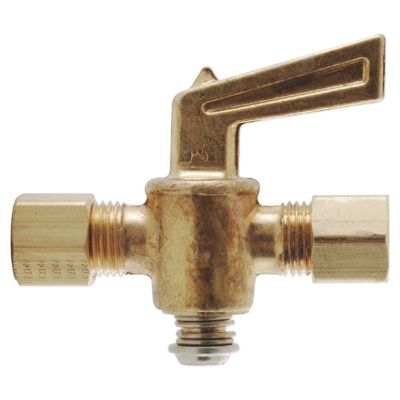
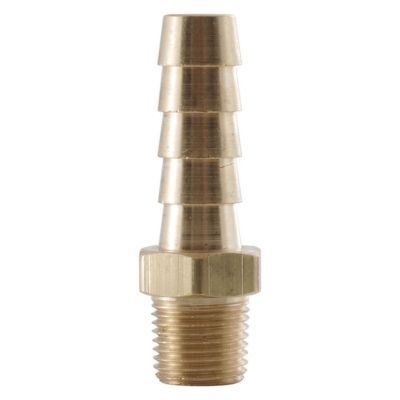
A plumbing compression fitting is a mechanical connector that joins compatible tubing or connects tubing to a valve or fixture without solder, glue, or an open flame. A typical fitting has three main parts: a fitting body, a compression nut, and a ferrule, sometimes called an olive or sleeve. Tightening the nut presses the ferrule against the tubing and the fitting seat to create a watertight seal. That straightforward design makes compression fittings practical for plumbing repairs, fixture connections, and small water lines around the house, barn, or workshop. They can be especially helpful in a tight spot beneath a sink, where bringing in soldering equipment would make an already cramped job harder. Straight couplings connect two lengths of tubing, elbows change direction, and tees create a branch for another connection. Reducing fittings connect different tubing sizes when the plumbing layout calls for a transition. The right shape can keep a connection tidy without forcing a supply line into a sharp bend or leaving a loop hanging in the way. Compression fittings generally work with common hand tools, although the proper assembly method depends on the fitting and tubing combination. Unlike a tapered pipe-thread joint, a conventional compression joint seals at the ferrule and mating surfaces rather than at the nut threads. Thread tape on those compression threads does not replace a properly seated ferrule. Some fittings have a compression connection on one end and a threaded pipe connection on the other, so recognizing each connection type matters. For homeowners replacing a fixture, property owners tending an outbuilding, or plumbers working through a repair list, these fittings offer a way to make a mechanical connection without soldering. Their usefulness comes down to matching the connection to the job, not simply choosing a fitting that looks close enough. Sound tubing, compatible parts, and enough room to reach the nut all help support a connection that stays serviceable after the tools go back in the box.
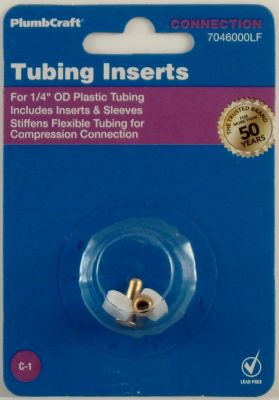
Material and sizing deserve a close look because two compression fittings with similar shapes can serve different purposes. Brass is common in plumbing connections, while stainless steel and certain engineered plastics serve applications that call for other material properties. The fitting material, ferrule, seals where present, and tubing all need to suit the water or other fluid moving through the line. For drinking-water plumbing, look for the required potable-water certifications and lead-content compliance rather than assuming that every brass connector is appropriate. NSF/ANSI/CAN 61 and NSF/ANSI/CAN 372 markings can help identify relevant drinking-water and lead-content requirements, though local plumbing rules still apply. Suitability for hot-water service, working pressure, and exposure to cleaning chemicals also depends on the manufacturer's specifications. Tubing compatibility is just as important as the fitting body. A connector intended for copper tubing may not accept plastic tubing unless its design permits that combination and the specified sleeve or tube support is part of the assembly. Soft tubing can need an internal support insert to resist collapse under compression. PEX, CPVC, polyethylene, and copper are not automatically interchangeable just because their measurements seem similar. Compression connection sizes often refer to tubing outside diameter, while nominal pipe sizes follow a different sizing system. For example, nominal 1/2-inch copper water tube has a 5/8-inch outside diameter, so a 1/2-inch outside-diameter compression connection is not the same size. Reading the connection designation closely helps prevent a return trip with a fitting that will not seat. Both ends matter on adapters, especially when one side has pipe threads and the other accepts tubing. Matching nuts and ferrules to the fitting manufacturer's requirements also matters; threads that happen to engage do not prove the components belong together. These details are worth checking whether the job involves one supply line under a farmhouse sink or several connections along a shop wash station. A proper fit gives the sealing surfaces a fair chance to work as intended, without relying on extra force to make mismatched parts meet.
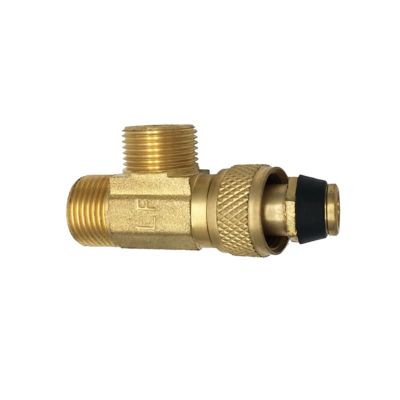
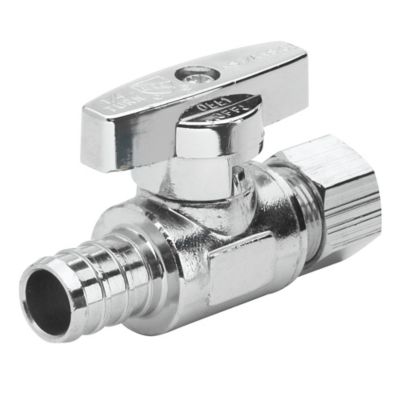
The best compression fitting for a plumbing job also suits the space and the way the line will be handled afterward. A straight connection may work well along an open wall, while an elbow can help route tubing around a cabinet corner without putting strain on the joint. Connections near pumps or equipment need consideration for vibration, and exposed lines need support so the fitting does not carry the weight of a long tubing run. A supply line that gets bumped by stored buckets or tugged during cleaning needs a better route or protection, not simply a tighter nut. Where a fixture needs its own flow control,
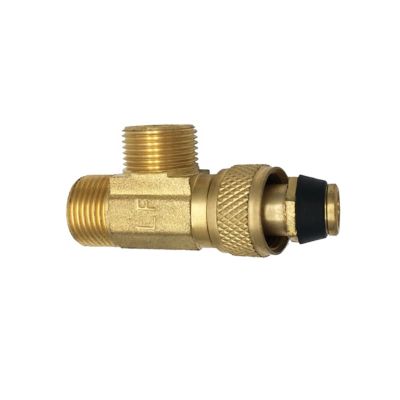
Compression Fitting Shut Off Valves pair a tubing connection with a way to isolate that branch for service. That can make a faucet repair more manageable without interrupting water elsewhere, provided the plumbing layout permits it. Access matters here: a shutoff tucked behind fixed shelving is harder to operate when a leak needs attention. Long service life starts with tubing that is round, clean, and free of damage at the sealing area. Overtightening can deform components rather than improve the seal, so manufacturer directions take priority over guesswork. Compression fittings should not be treated as endlessly reusable; a ferrule can remain tightly formed around the tubing, and disassembly may call for replacement parts or a fresh section of tube. After a repair, checking the connection under normal operating conditions helps reveal seepage before it stains a cabinet floor or leaves a puddle beside the workbench. Periodic checks for moisture, corrosion, loosened supports, and tubing movement are sensible wherever connections stay accessible. Concealed installations, gas service, and other specialized applications require fittings expressly approved for that purpose and compliance with local code. For everyday water plumbing, careful attention to connection type, material, size, and service ratings helps narrow the choices to fittings that belong on the line. The result is a practical connection that fits the space, supports routine maintenance, and lets the plumbing do its job without getting in the way of the day's chores.