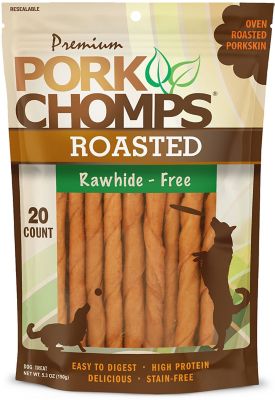
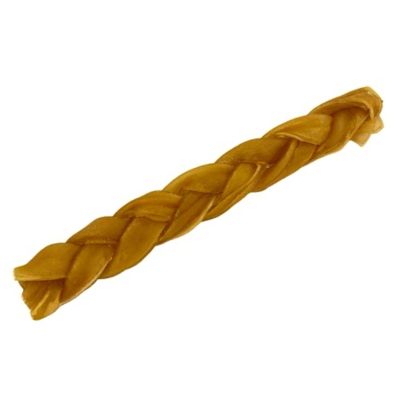
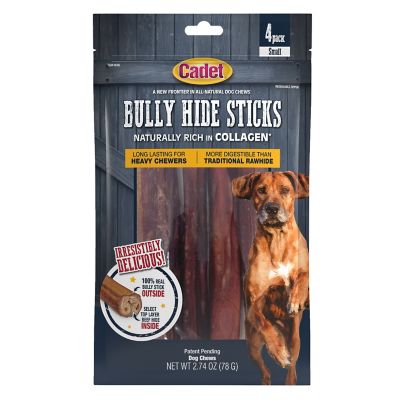
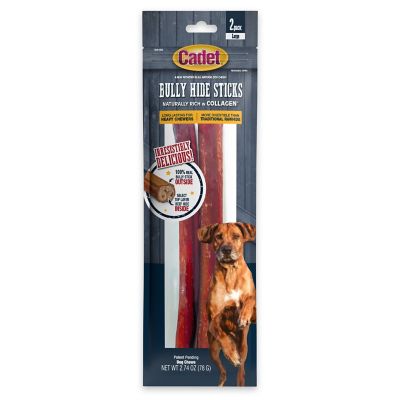
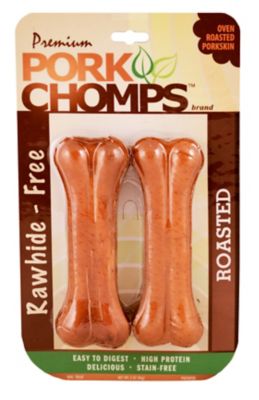
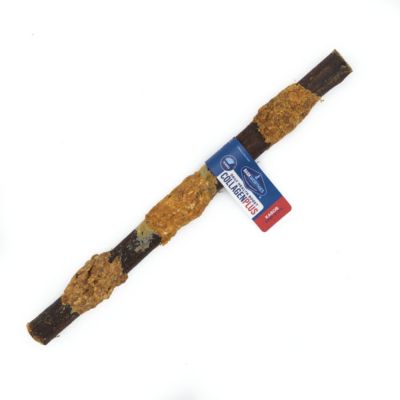
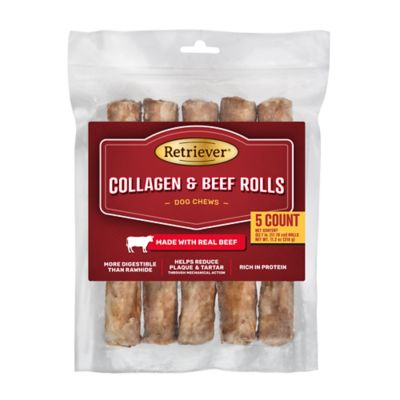
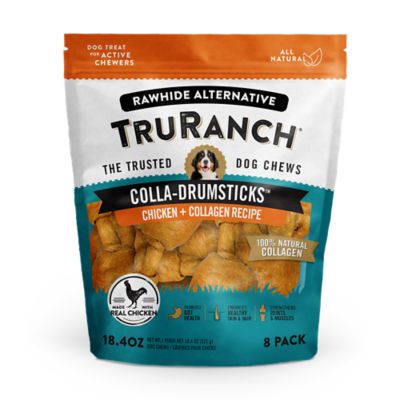
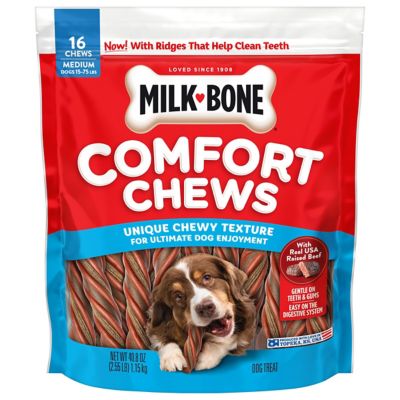
Collagen dog chews are chewable treats made with collagen-rich animal tissue, often beef hide, that give dogs an outlet for their natural urge to gnaw. Many beef collagen sticks come from the corium, a collagen-rich layer of skin, though ingredients and processing methods vary by product. Collagen is a structural protein found in skin, cartilage, tendons, and other connective tissues. In a chew, that material creates a firm, fibrous texture that gradually softens with saliva and chewing. For a dog settling onto a mat after a walk around the property, that texture can provide an engaging activity while keeping chewing directed toward an appropriate treat rather than a boot or chair leg. Sticks, rolls, braids, and rings offer different shapes to grip between the paws, and their thickness and construction affect how a dog works through them. A straight stick offers a simple shape for steady gnawing, while a braid gives a dog several ridges and strands to work at. Some collagen chews contain a single animal ingredient; others include flavorings, coatings, or additional ingredients that change their taste, texture, and nutritional profile. A beef-based chew may appeal to a dog that enjoys meaty flavors, but the ingredient panel matters more than the shape or color when food sensitivities are a concern. Grain-free does not mean free of potential allergens, and a beef chew is not a suitable choice for every dog with a restricted diet. Collagen chews are often marketed as alternatives to traditional rawhide, but that description alone does not establish their digestibility, processing method, or suitability for a particular dog. Claims such as low odor, limited ingredients, or no added colors should come from the package rather than assumptions about the category. The most useful comparison brings together the animal source, full ingredient list, chew dimensions, and feeding directions. Those details help separate a straightforward chewing treat from a formulated supplement that happens to contain collagen.
The right size and texture depend on more than a dog's weight. Jaw strength, age, dental condition, and chewing habits all matter when comparing collagen dog chews. A broad-headed dog that bites off chunks has different needs from a similarly sized dog that patiently nibbles at one end. Length and thickness should allow the dog to hold and work on the chew without fitting the whole piece into its mouth, while the manufacturer's size and age recommendations provide an important starting point. A thin stick may disappear quickly with a determined chewer, and an oversized, very firm chew may be a poor match for a small dog or one with tender teeth. Braided construction can create more surfaces to explore, but no shape guarantees a longer chewing session. How long a collagen chew lasts depends on the individual dog as well as the chew's dimensions, moisture level, and structure. Even a firm chew can soften, split, or break into pieces, so these treats belong in supervised downtime rather than in a crate while everyone is away. A spot within sight of the kitchen table or beside a porch chair makes it easier to notice when a dog starts trying to gulp the remaining end. Remove pieces that become small enough to swallow whole, and discard any portion that develops sharp edges or seems too hard for comfortable chewing. A properly sized chew holder may help keep a short end out of reach, but it does not replace supervision. Puppies with developing teeth, older dogs with dental wear, and dogs with a history of swallowing treats whole may need a different texture or a veterinarian's recommendation. In a home with several dogs, separate chewing spaces can reduce competition and the urge to rush through a treat. Collagen chews can fit an everyday settling routine, but they are not a substitute for exercise, interaction, or meals. Their role is a supervised chewing activity that matches the dog, not a test of how much force a dog can put behind its bite.
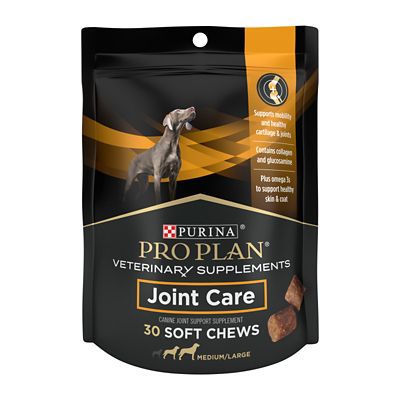
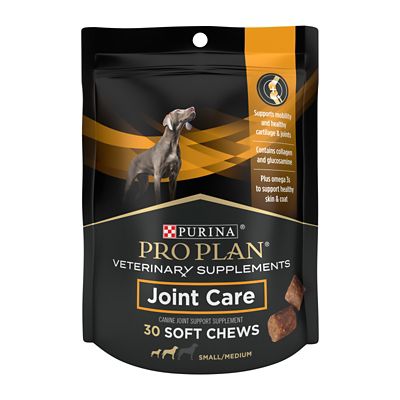
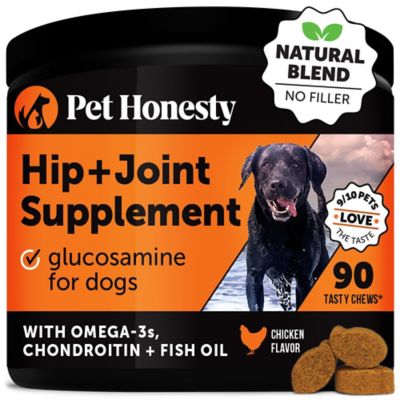
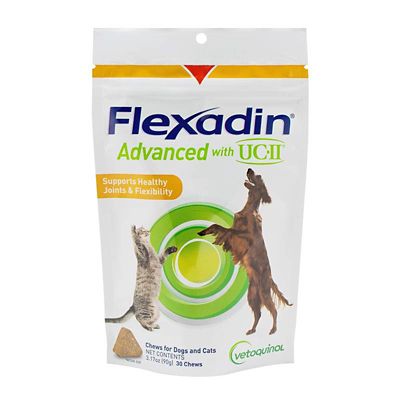
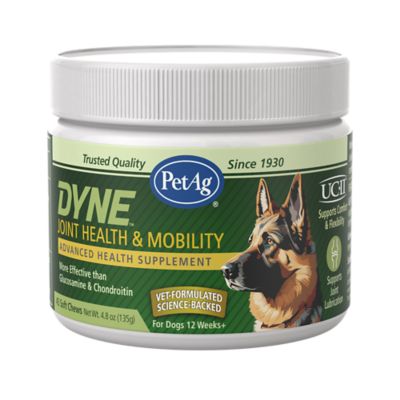
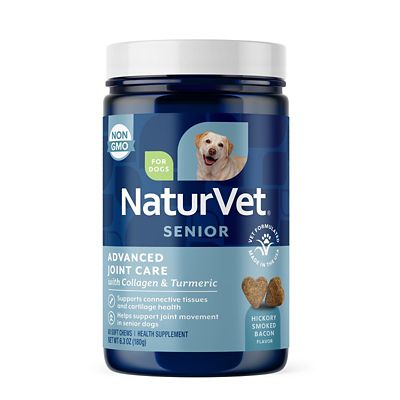
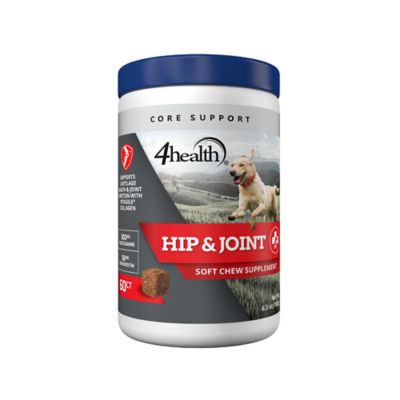
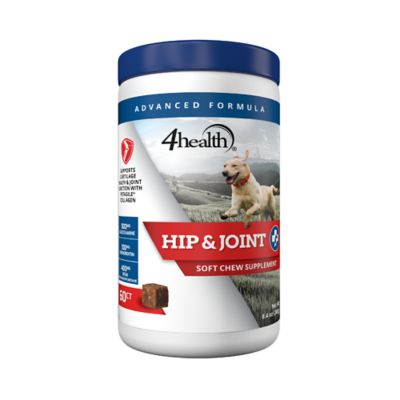
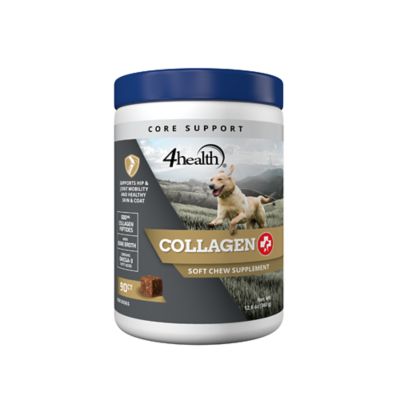
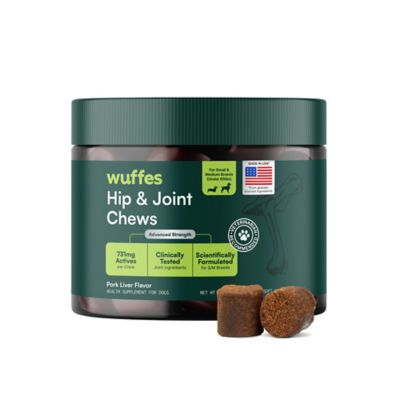
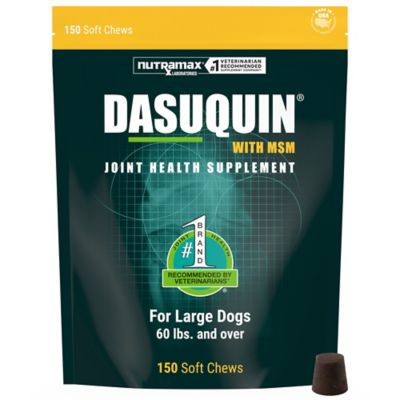
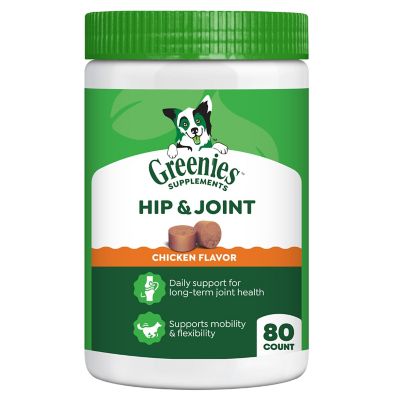
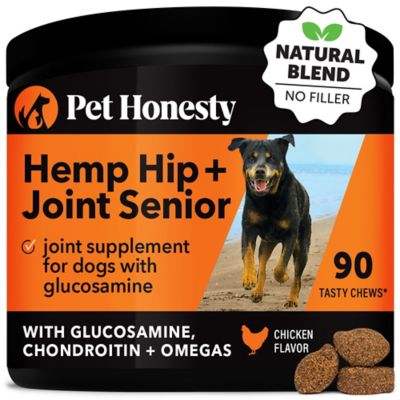
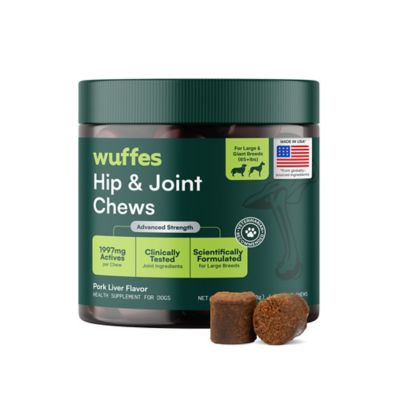
Nutrition and care details round out the comparison between collagen chews. Although collagen contributes protein, a collagen treat is not a complete and balanced food, and its presence does not prove that a chew will improve joint comfort, skin condition, or mobility. Some products contain additional ingredients intended for joint support, but glucosamine and chondroitin should not be assumed to occur in meaningful amounts in every collagen stick. Dogs needing a targeted supplement may be better served by comparing
Joint Health Dog Treats and discussing ingredient amounts and suitability with a veterinarian. A firm collagen chew and a soft joint-support chew can serve different purposes even when both list collagen on the label. Chewing may provide some mechanical cleaning as teeth rub against the treat, but it does not replace toothbrushing or veterinary dental care, and plaque or tartar claims need product-specific support. Digestibility also varies with the formulation and processing, and even a digestible material can pose a choking or blockage risk when swallowed in large pieces. Introducing a new chew gradually and watching for vomiting, loose stool, or discomfort is especially important for dogs with sensitive stomachs. Fat levels and calories vary, so package nutrition information deserves a close look rather than assuming all collagen chews are lean. Treats generally should account for no more than 10 percent of a dog's daily calories unless a veterinarian recommends otherwise; a large chew can represent a substantial share of a small dog's allowance. Fresh drinking water should be within easy reach during chewing time. Between sessions, follow the package's storage directions and keep untouched chews in a clean, dry, closed container away from pets that might help themselves. Partly chewed pieces need extra attention because saliva adds moisture; follow any directions for saving them, and discard pieces with mold, an off smell, or heavy contamination. Wash hands after handling animal-based treats and clean the chewing area. With sensible sizing, clear ingredient information, and attentive supervision, collagen dog chews can offer satisfying texture and a familiar way for a dog to settle in alongside the household.