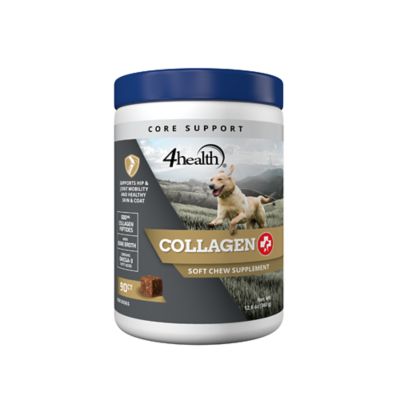
Collagen for dogs is a supplemental protein ingredient found in powders, liquids, soft chews, and chew treats formulated for joint, skin, or coat support. Collagen is a structural protein naturally present in connective tissues, including cartilage, tendons, ligaments, and skin. Supplemental forms include hydrolyzed collagen, which is broken down into smaller protein fragments called peptides, and undenatured type II collagen, which retains its native structure. These forms work differently and are not interchangeable by serving size or weight. Their potential benefits depend on the formulation, the amount provided, and the individual dog; a collagen chew and a measured joint supplement do not necessarily deliver the same kind of support. For an older companion who takes a little longer getting up from the porch, or an active dog that spends plenty of time walking fence lines, joint-support formulas may be part of a broader care routine. Skin- and coat-focused formulas serve a different purpose, often pairing collagen with other nutrients. Collagen is not a pain reliever or a treatment for arthritis, and improvements in mobility or coat condition are not guaranteed. Some canine research supports particular collagen formulations for joint comfort, but those findings do not apply equally to every supplement or chew. A balanced diet, appropriate exercise, and a healthy body weight remain important foundations for everyday comfort. Collagen also does not replace a complete and balanced dog food, since it does not supply the full range of nutrients a dog needs. Age alone does not determine whether a supplement is a good fit: activity level, existing food, medical history, and the reason for adding collagen all matter. A working dog with a steady appetite may take a powder easily with dinner, while a companion that picks around anything unfamiliar may do better with a different texture. The best fit is a format that suits the dog’s needs and can become part of a consistent routine without crowding out regular meals.
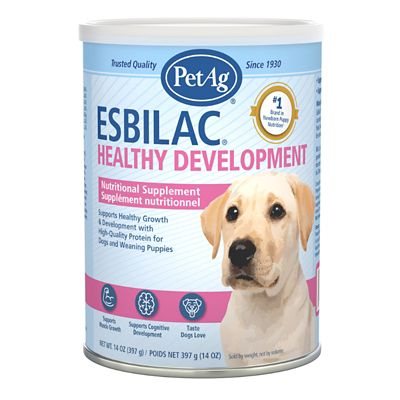
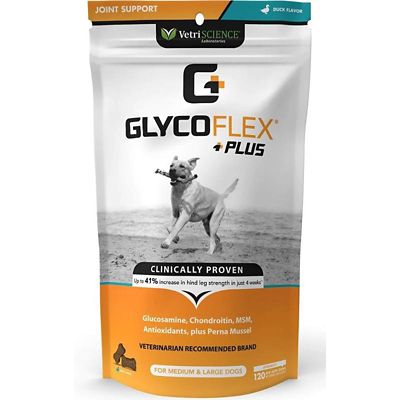
Ingredient sources and serving details help distinguish one collagen formula from another. Bovine collagen comes from cattle, porcine collagen comes from pigs, marine collagen generally comes from fish, and chicken cartilage can provide type II collagen. Those sources matter when a dog has a known food allergy or follows a veterinarian-directed diet. Flavorings and other animal proteins deserve attention, too, because a formula’s main collagen source may not be its only animal-derived ingredient. Powders may contain collagen alone or a blend of ingredients, while soft chews and liquids often include additional components for taste, texture, or a broader nutritional purpose. Joint-support blends may also contain glucosamine, chondroitin, or other ingredients, making the whole formula more useful to consider than the collagen amount alone. More ingredients do not automatically mean more benefit, especially when another supplement already provides some of the same nutrients. A clearly stated collagen form, serving amount, weight range, and calorie content can make it easier to understand how a formula fits into daily feeding. Hydrolyzed collagen amounts may be listed in grams, while undenatured type II collagen formulas can have much smaller labeled amounts; comparing those numbers as though they measure the same thing can be misleading. Feeding directions also vary, so scoops, pumps, and individual chews are not universal measures. A powder that blends into a little moistened food may suit a dog that eats every bite, whereas leftover food makes the amount swallowed less certain. Soft chews can simplify serving for some households, but their calories still count alongside training rewards and other treats. Liquids may offer another texture, though they can have their own measuring and storage requirements. For households with several dogs, each dog’s portion belongs to that dog’s weight and care plan rather than a shared scoop divided by eye. Palatability matters in practice: even a thoughtfully chosen supplement contributes little if it stays at the bottom of the bowl.
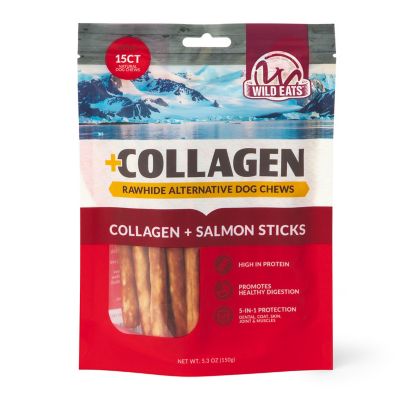
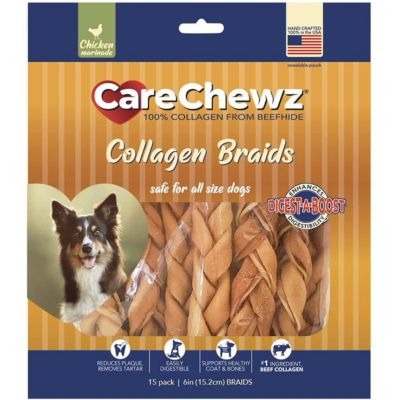
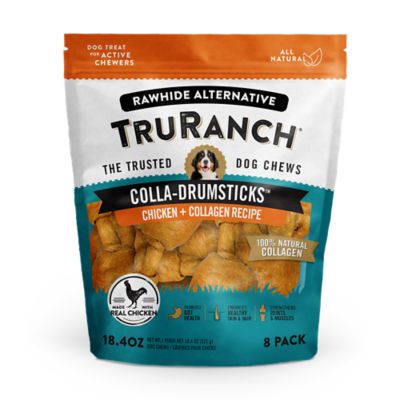
For dogs that enjoy settling down with something to gnaw,
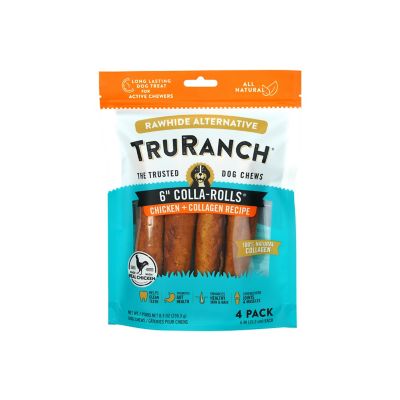
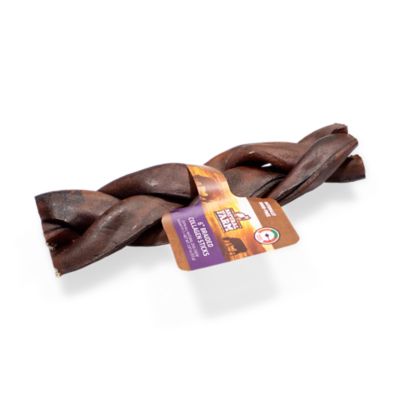
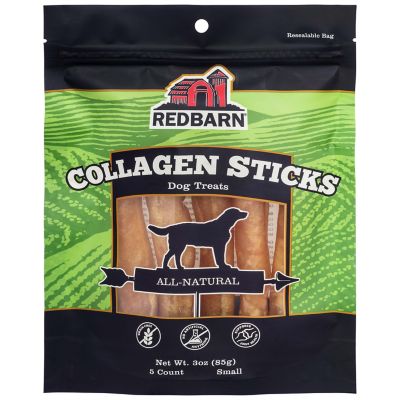
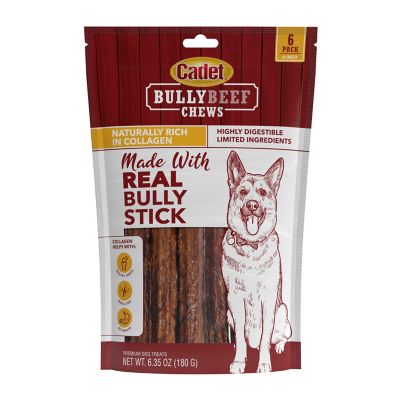
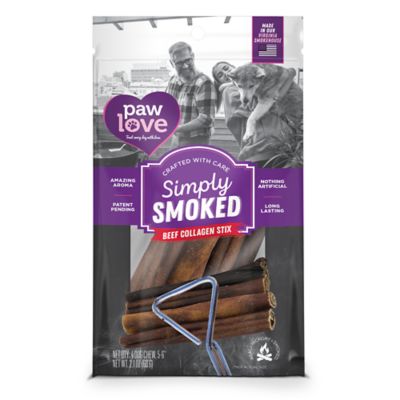
Collagen Dog Chews offer a chew format rather than a powder mixed into supper. Chew selection involves more than ingredient preferences, since size, thickness, texture, and chewing habits affect how safely a dog can handle a piece. A small dog that nibbles slowly has different needs from a broad-jawed dog that tries to swallow the last few inches whole. A chew should be appropriate for the dog’s size and labeled life stage, with supervision throughout the chewing session. Collagen content does not make a chew free of choking, blockage, or tooth-injury risks, and no chew is indestructible. Pieces that become small enough to swallow whole, break into troublesome chunks, or develop sharp edges should come out of reach. Dogs with dental disease, missing teeth, or a history of swallowing chews may need another format, with a veterinarian’s input. Chewing can provide an engaging activity, but it does not take the place of toothbrushing or veterinary dental care. Storage matters across formats as well: tightly closed packaging helps keep powders dry, and liquid formulas may have refrigeration directions after opening. Chews belong in a clean, dry spot away from pets that might help themselves to the whole package. Package directions govern storage and serving, including any limits after opening. When adding collagen, a veterinarian can help account for medications, prescription diets, digestive sensitivities, and conditions that affect protein intake. New limping, reluctance to move, persistent itching, or hair loss calls for an examination rather than simply another supplement. Any benefit is better judged through everyday patterns, such as ease of rising or willingness to take a familiar walk, than an expectation of an overnight change. Keeping the rest of the routine steady makes those patterns easier to notice. With sensible portions, suitable textures, and attention to the whole dog, collagen can fit into a practical feeding and care routine.