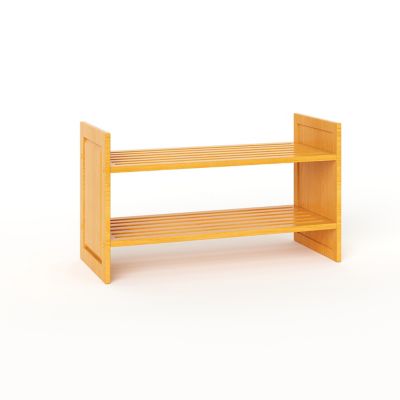
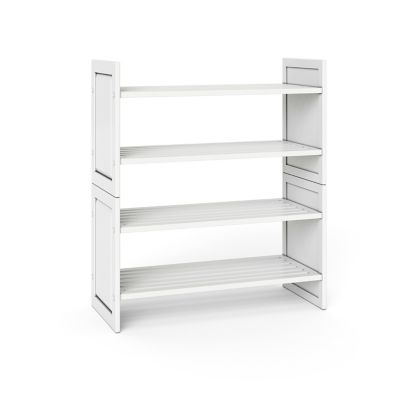
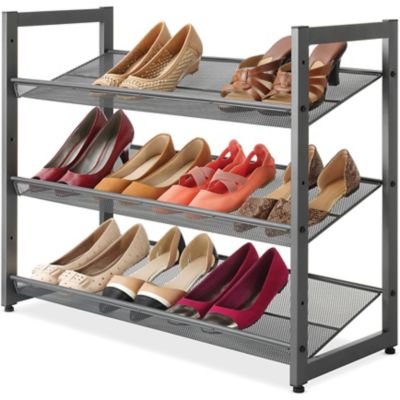
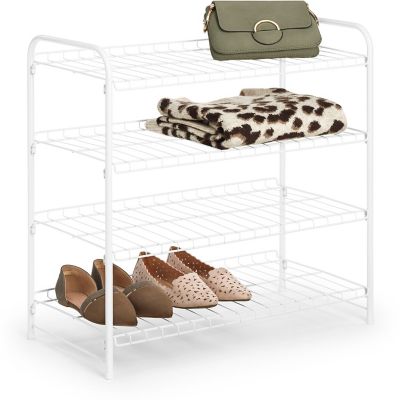
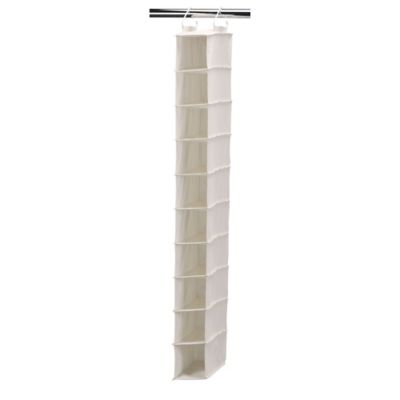
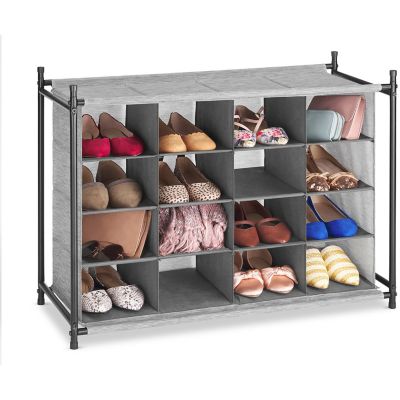
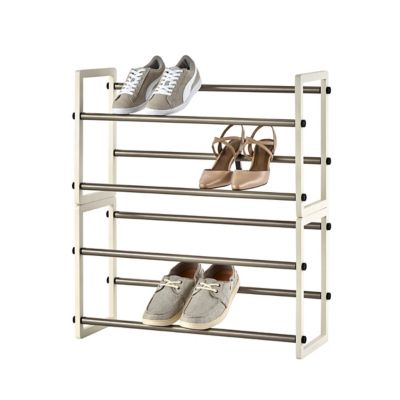
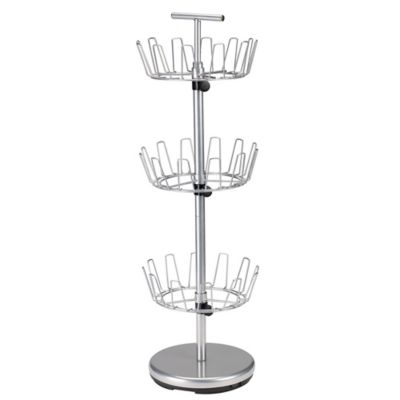
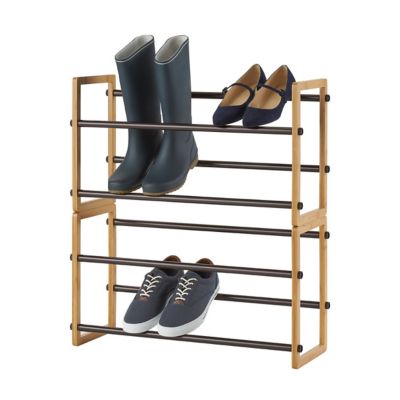
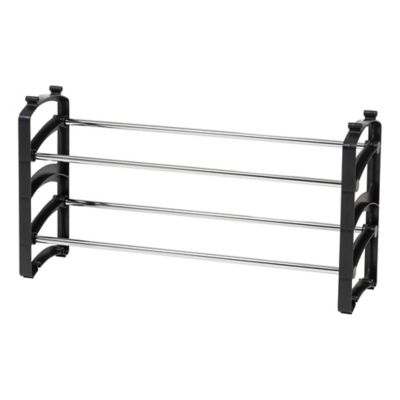
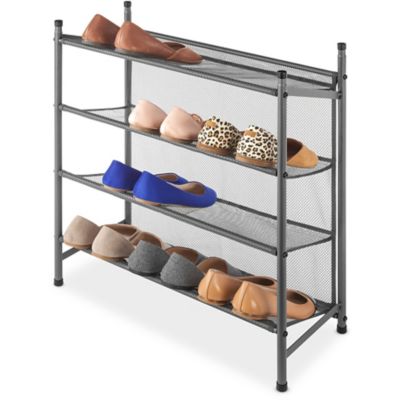
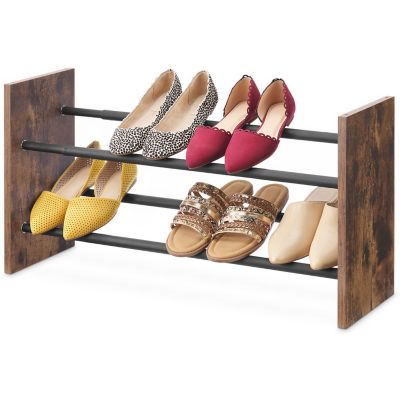
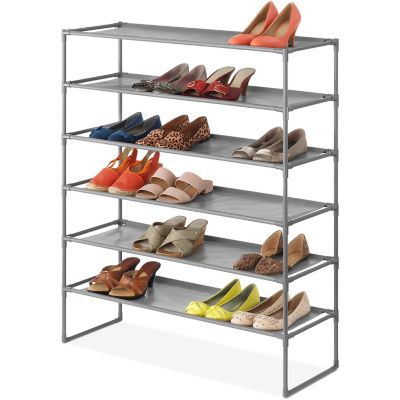
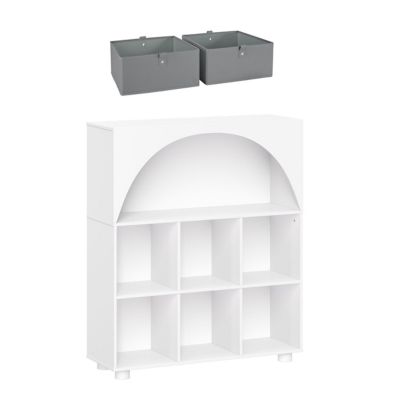
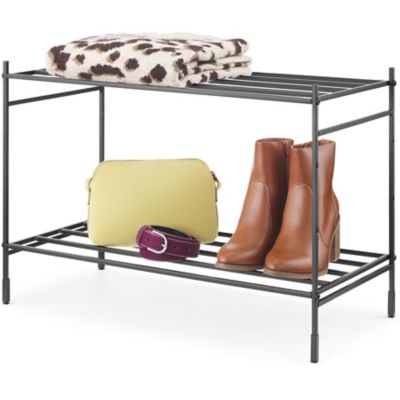
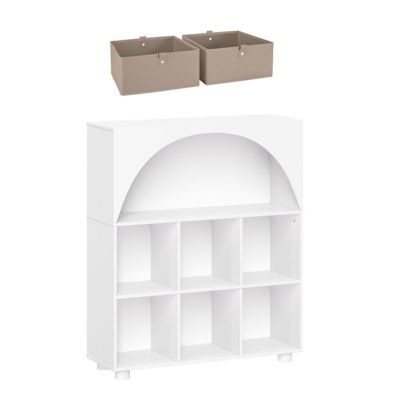
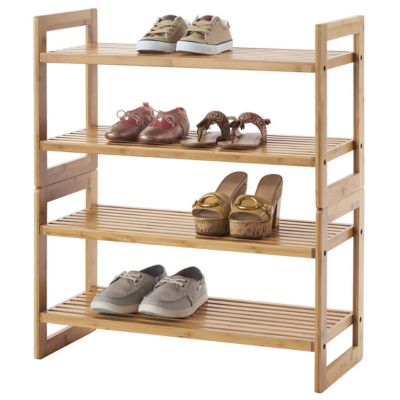
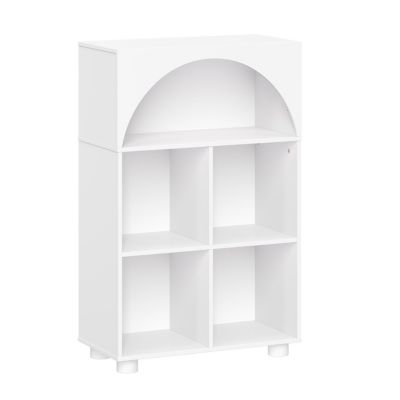
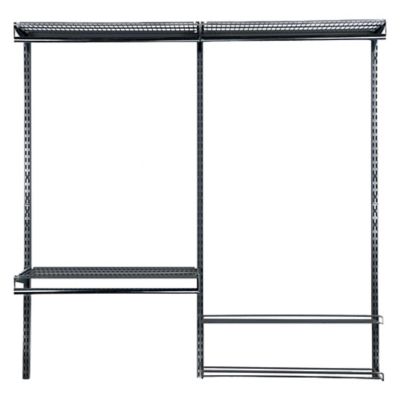
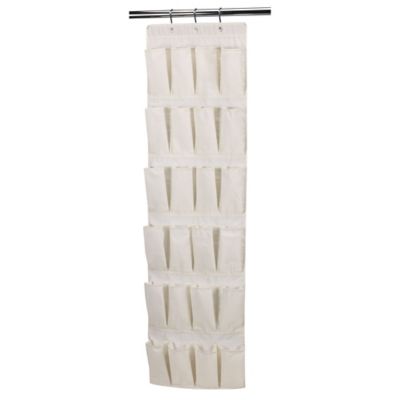
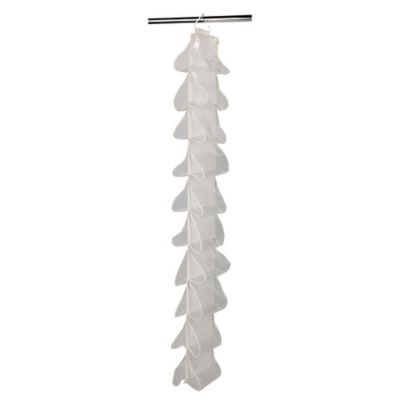
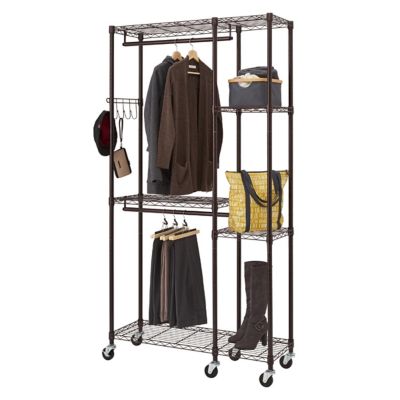
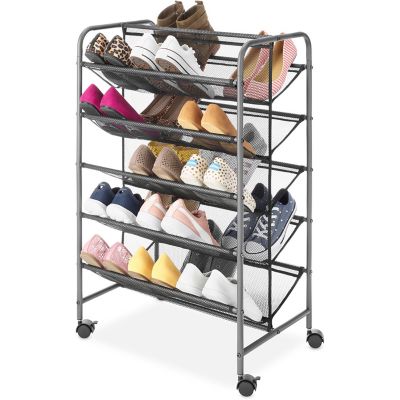
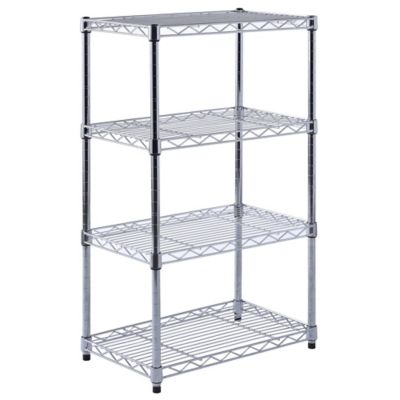
Shoe racks for small closets help turn a crowded floor, narrow side gap, or unused door into useful storage for everyday footwear. When closet space is tight, the best setup usually takes advantage of height instead of spreading shoes across the floor. Over-the-door pocket organizers keep pairs off the ground and make good use of the back of a closet door, with clear pockets that make it easier to spot work shoes, sandals, slippers, or kids’ footwear at a glance. Narrow freestanding racks with several tiers can slide beside hanging shirts and jackets, while stackable cubbies build upward within the space you have available. Hanging canvas shelves are another option for closets with a sturdy clothing rod, creating separate compartments without taking up much floor area. Before choosing a rack, measure the open width, height, and depth of the closet, including the clearance needed for the door to close. A few inches can make a big difference in a tight space, especially when the rack sits near trim, hinges, or a baseboard. Count the pairs you plan to store, then leave a little room for seasonal changes and new additions. A rack that holds eight pairs may suit a small entry closet, while a taller arrangement with several tiers may better serve a household sharing one closet. For more ways to make the most of a compact home, visit
Closet Solutions For Small Spaces.
Shoe shape matters just as much as pair count. Flats, sandals, and children’s shoes can fit on shallow shelves or in pockets, while work boots, hiking boots, and bulky sneakers need more depth and open space. Look for shelves around 10 to 12 inches deep when storing larger footwear, and check the distance between tiers so high-topped shoes do not press against the shelf above. Angled shelves can keep toes pointed forward and make pairs easier to grab, while open wire or slatted shelves allow air to move around shoes after a damp walk across wet grass, gravel, or a muddy driveway. Clear pockets and open tiers also help keep pairs visible, which saves time when everyone is getting ready for school, chores, work, or a trip into town during the cooler months. If you keep boots in the closet, place them on the lower levels for easier lifting and better balance. Lighter shoes can go higher, and slippers or sandals can fit into smaller compartments near the top. A simple sorting plan can make a small closet feel less cramped: keep the shoes worn most often at eye level, set special-occasion footwear to one side, and move warm-weather pairs higher when the weather turns cooler. Wipe dirt from soles before putting shoes away, and allow damp footwear to dry before storing it in an enclosed pocket or bin. These small habits help the storage area stay cleaner and make every inch easier to manage.
A compact shoe rack can be a thoughtful gift for someone moving into a first apartment, settling into a smaller home, organizing a mudroom, or making room for children’s growing footwear. It can also help a ranch, farm, or workshop household keep outdoor shoes close to the entry without letting them take over the hallway. When choosing a rack as a gift, consider the recipient’s routine rather than guessing at style. Someone with several pairs of boots may need a sturdy, open arrangement with generous shelf spacing, while a family with children may appreciate low compartments that make it easy for little hands to return shoes to their place. A renter may prefer an over-the-door option that does not require wall mounting, while a homeowner with a narrow reach-in closet may have room for a tall tiered frame. Neutral colors and simple shapes can fit easily with existing furnishings without taking attention away from the rest of the room. For a closet with limited floor space, prioritize vertical storage, visible compartments, and a footprint that leaves the door and clothing rod clear. For an entry area, choose a rack that gives muddy or dusty footwear a defined spot and keeps walkways open. With careful measuring and a little sorting, shoe racks for small closets can make daily routines smoother from early fall through the colder stretch of the season, whether the shoes belong to one person, a busy family, or everyone coming in from a day outdoors.