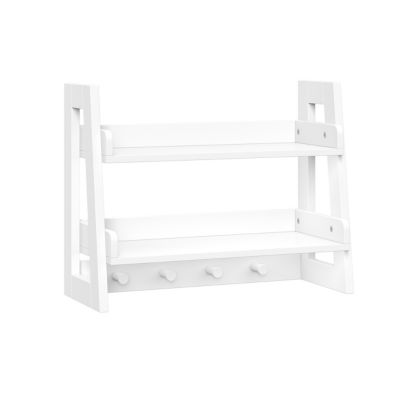
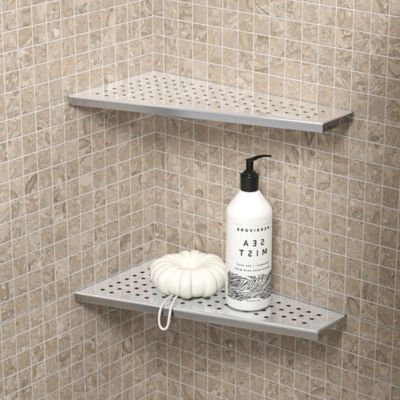
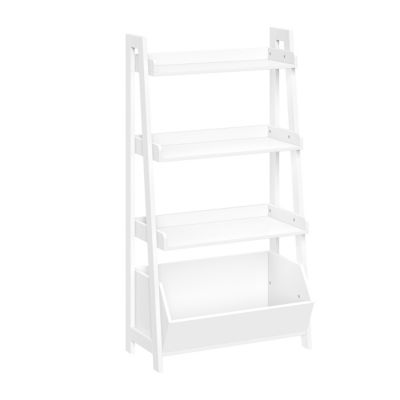
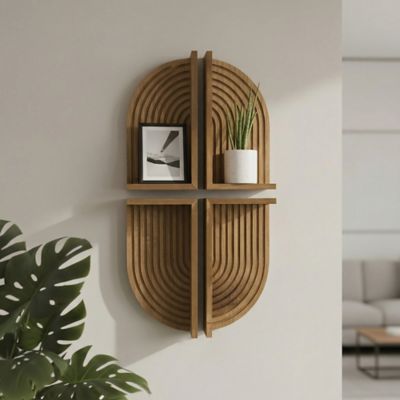
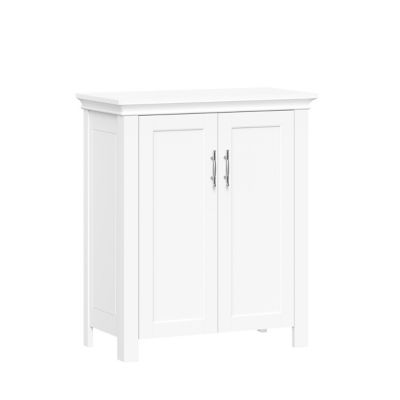
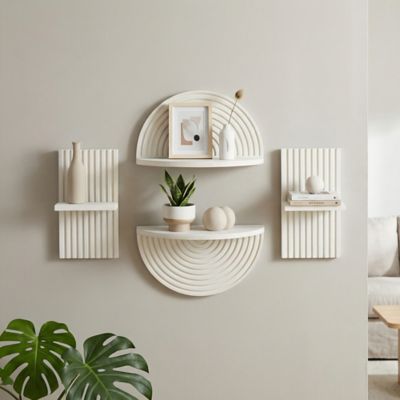
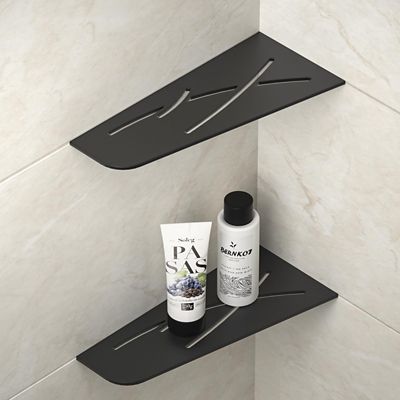
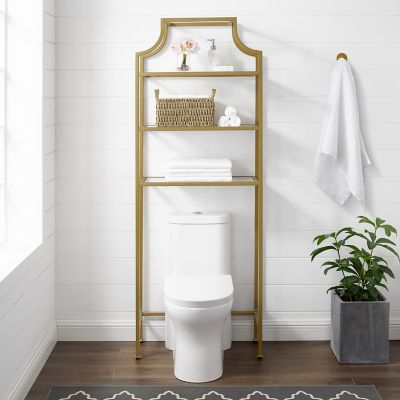
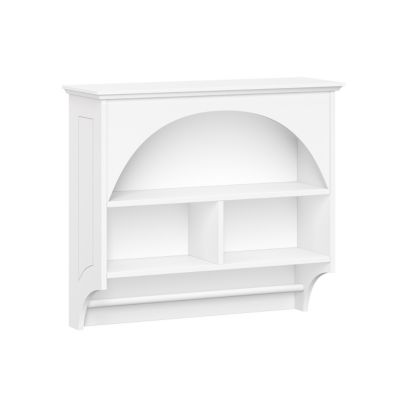
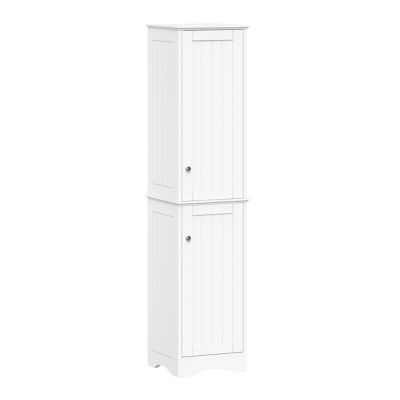
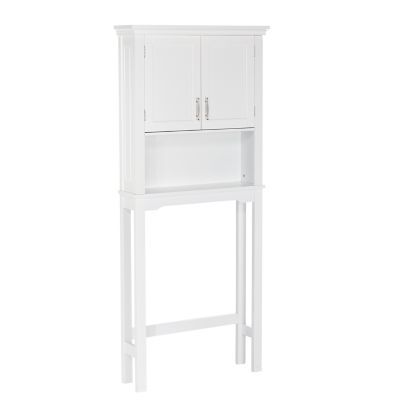
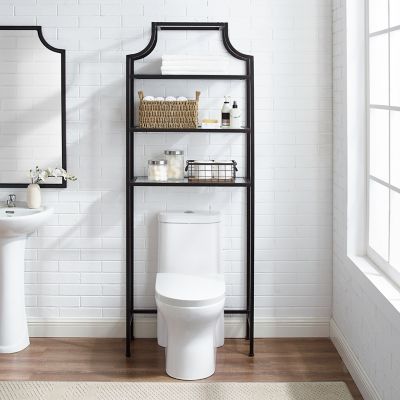
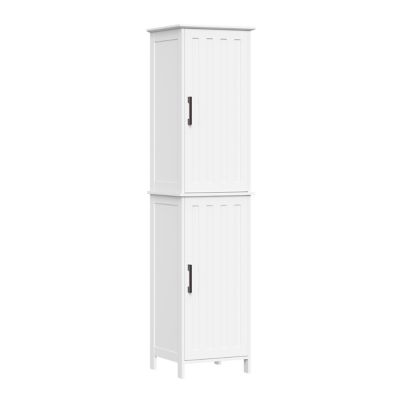
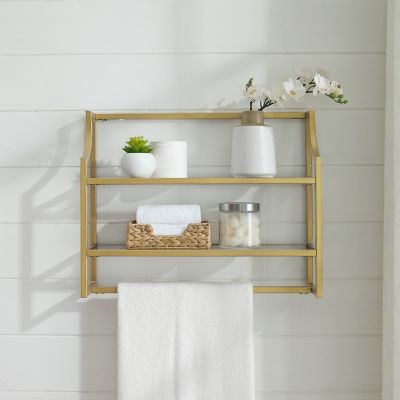
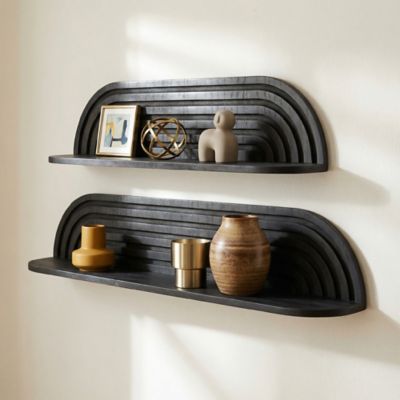
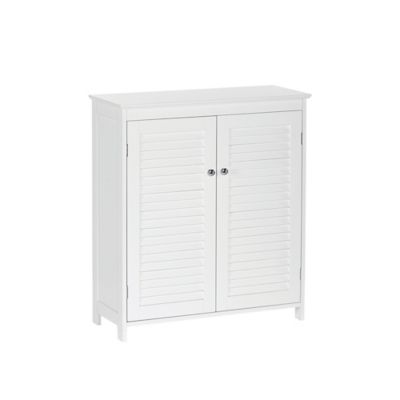
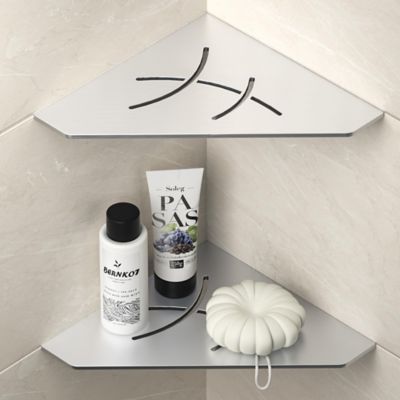
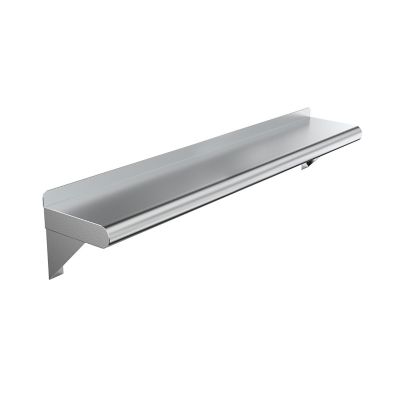
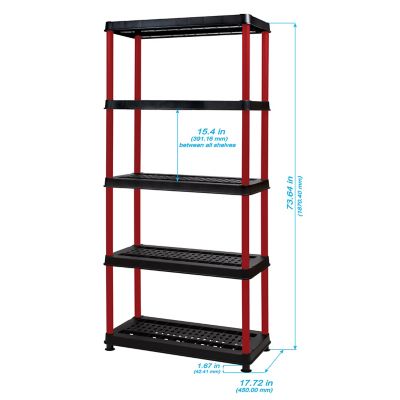
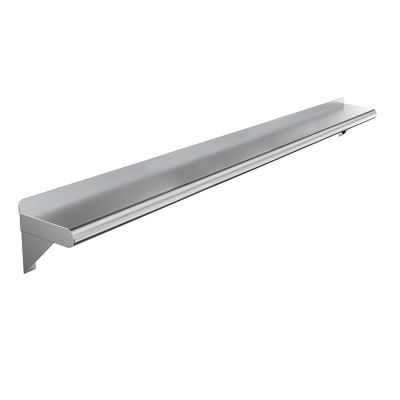
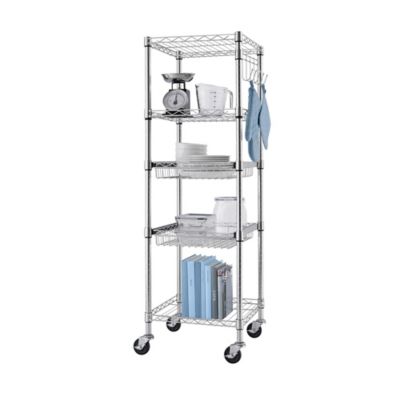
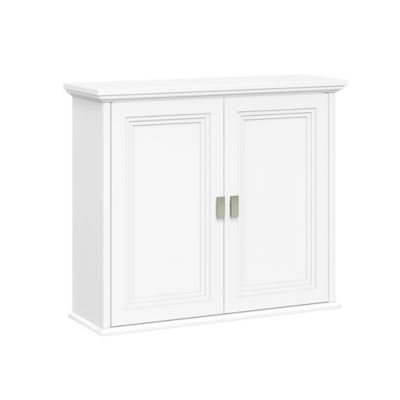
Bathroom shelves for small spaces put open wall space, narrow gaps, and the area above the toilet to work without crowding the floor. Wall-mounted shelves keep the walkway clear, slim freestanding shelves fit into tight corners, and over-the-toilet shelving adds storage where a wider cabinet may not fit. The best fit depends on the room’s layout and what needs a home, whether that means folded hand towels, spare toilet paper, or the bottles that otherwise gather around the sink. Shallow shelves can make a small bathroom feel less crowded while keeping everyday supplies easy to see. Deeper shelves leave more room for towel stacks and baskets, but their edges should stay out of the path between the doorway, sink, toilet, and shower. In a powder room, a little storage near the sink may be plenty. A shared family bathroom usually calls for more shelf space, with separate spots for each person’s things and an easy-to-reach place for clean towels. Height matters just as much as width: a shelf that fits neatly above a toilet still needs enough clearance for the tank lid to lift and for the flush handle or button to work freely. Shelving beside a vanity should account for drawer pulls, cabinet doors, and the space needed to stand comfortably at the sink. Baseboards, plumbing, towel bars, and light switches can also affect how closely a shelf fits against the wall. A clear stretch of wall may look roomy until the bathroom door swings open or someone bends down to reach a lower shelf. Checking the full footprint, including legs, brackets, and any projecting rail, gives a better picture than shelf width alone. For a bathroom shared by adults and children, keeping daily essentials within comfortable reach can cut down on stretching and climbing. Higher shelves are better suited to lighter backup supplies, while heavier containers belong lower down, within the unit’s stated weight limits.
Material and construction make a real difference in a room where splashes and damp towels are part of everyday life. Metal bathroom shelving can have a slim frame that leaves more open space around it, while a finish intended for bathroom conditions helps protect the surface from moisture. Welds, joints, feet, and shelf edges all deserve a look, especially on a tall unit that will carry several bottles or stacks of towels. Wood and bamboo bring a warmer look alongside painted walls, tile, or a plain white sink, but their suitability depends on the finish and the care directions. Neither should be treated as waterproof just because it appears in a bathroom setting. Standing water, damp fabric left against a shelf, and moisture trapped beneath containers can affect surfaces over time. Glass shelves keep sightlines open and provide a smooth place for small containers, though shelf thickness, mounting hardware, and stated load limits remain important. Tempered glass is a consideration where breakage safety matters, and any chipped or damaged shelf needs attention before more belongings go on it. Solid shelves support small bottles without the wobble that can happen on widely spaced wires or slats. Open slats and wire designs allow airflow around stored belongings, but narrow containers may need a stable tray or basket that fits fully on the shelf. Raised edges can help keep belongings from sliding off, though they do not replace a level installation or sensible loading. Wall-mounted shelving needs fasteners appropriate for the wall material and the expected load; drywall, tile over a backing surface, and masonry require different approaches. Placement should also account for plumbing and wiring behind the wall. Freestanding shelves need level footing, and tall units may require anchoring according to their instructions, particularly in homes with children. For renters, mounting rules matter, too. A floor-standing design may reduce the need for wall holes, but any required restraint still needs to be addressed rather than skipped.
The most useful bathroom shelving makes daily routines simpler without turning every open inch into storage. A short stack of washcloths near the sink, a basket of spare rolls beside the toilet, and a clear spot for shower supplies can do more for a tight room than filling every shelf from end to end. Leaving some breathing room makes belongings easier to grab and gives a cleaning cloth room to pass along the surface. Adjustable shelves are worth considering when storage needs include both tall pump bottles and shorter jars, since fixed spacing can leave awkward gaps or rule out containers that otherwise fit. Shelves with towel rails or hooks can serve more than one purpose, provided hanging towels do not block access, brush against the floor, or crowd the toilet. In a guest bathroom, visible towels and spare supplies help visitors settle in without opening every cabinet. In a hardworking family bathroom, separate baskets can keep toothbrush supplies, hair ties, and washcloths from spreading across the counter. A compact layout also benefits from matching the shelf’s visual weight to the room: open sides and slender supports feel lighter, while solid panels give stored belongings a more enclosed backdrop. For rooms beyond the bathroom,
Storage Shelves for Small Spaces offers another place to explore compact storage. Care should suit the material, with spills wiped promptly, surfaces cleaned as directed, and hardware checked occasionally for looseness or signs of corrosion. Baskets should come off easily for cleaning underneath, and folded towels need enough space to stay clear of wet sinks and shower spray. After chores, during the morning rush, or when company stays over, practical shelf placement keeps the basics close without making the room harder to move through. Bathroom shelves earn their place when their dimensions, materials, and storage layout suit the people reaching for them every day.