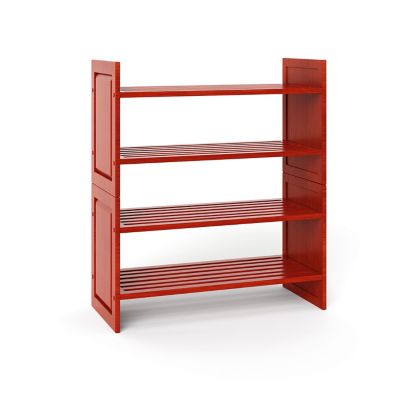
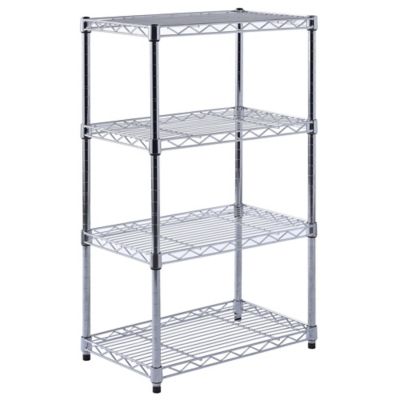
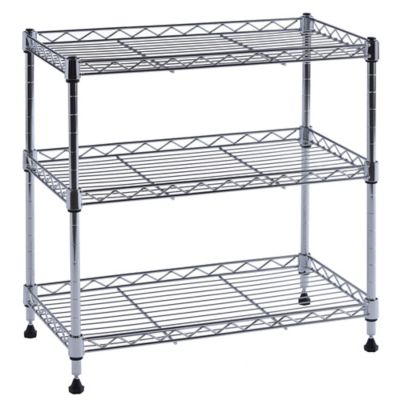
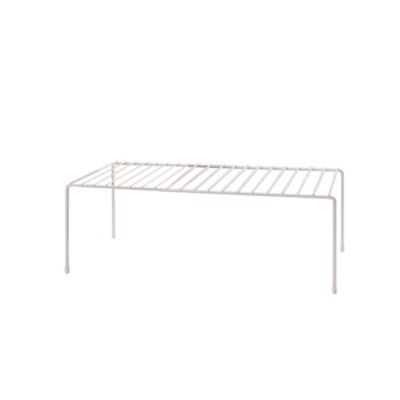
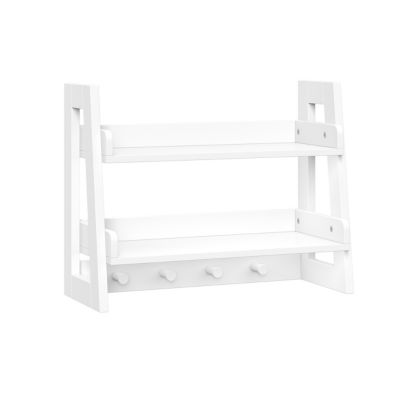
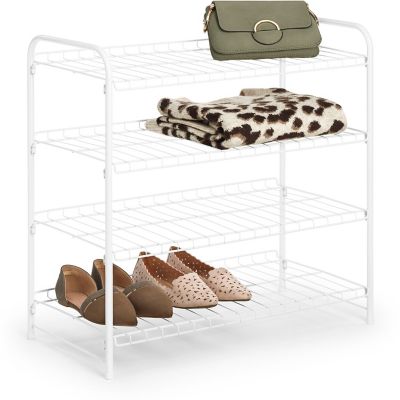
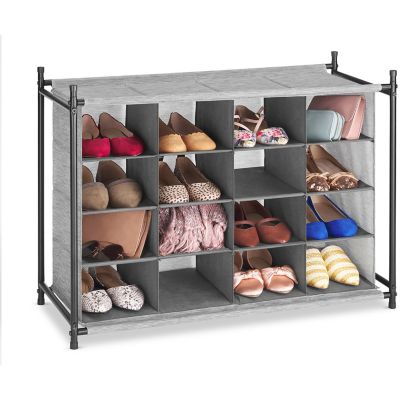
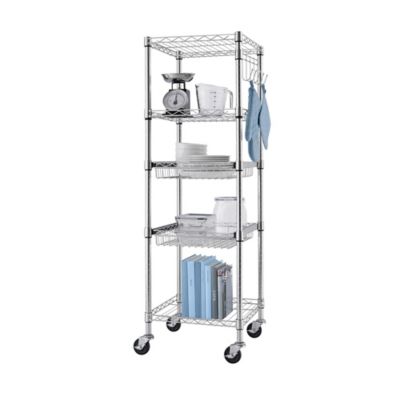
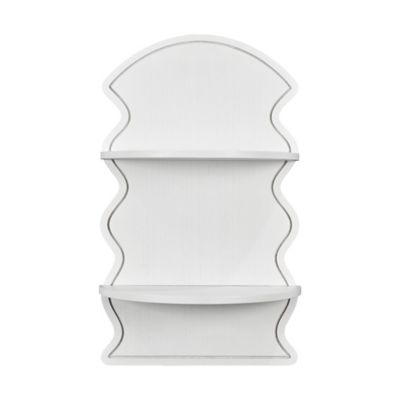
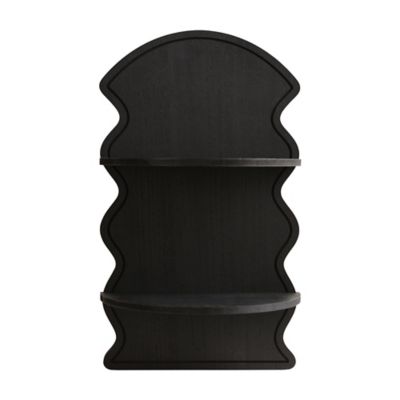
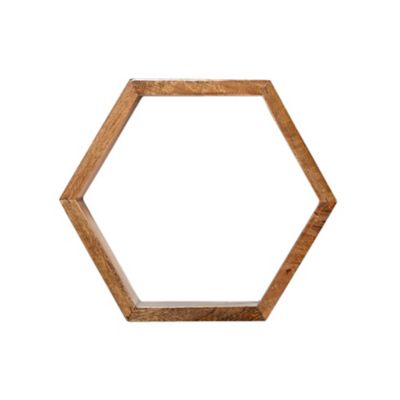
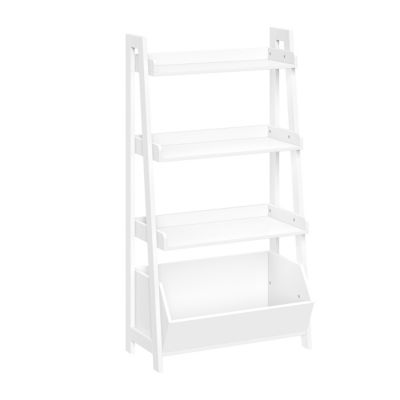
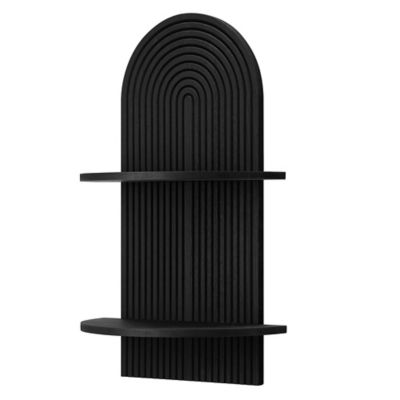
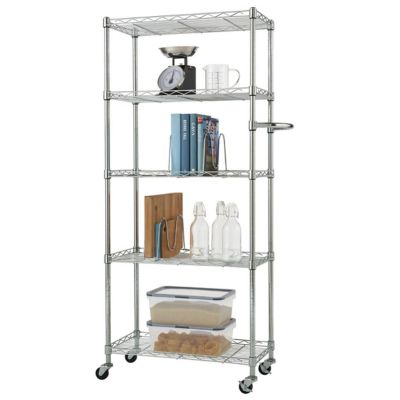
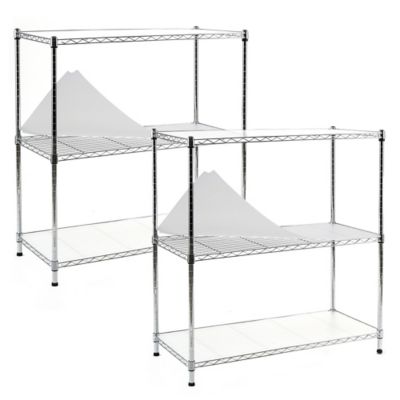
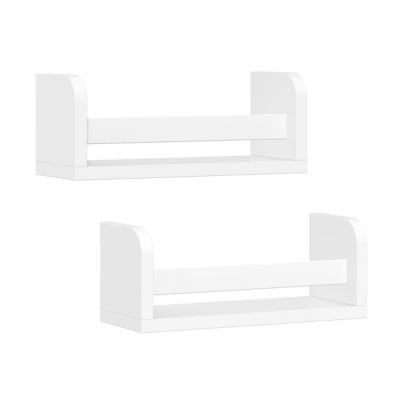
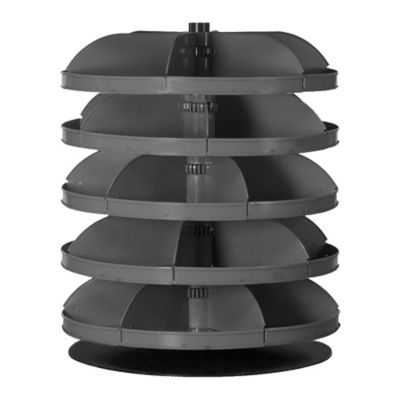
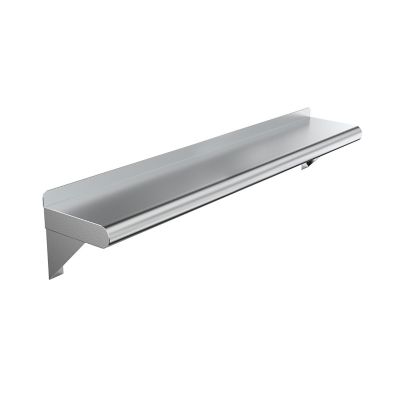
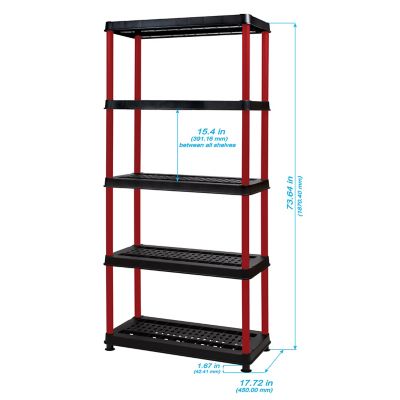
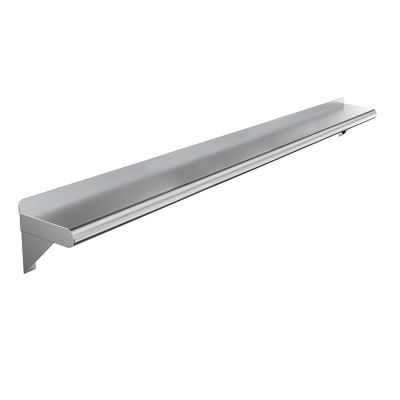
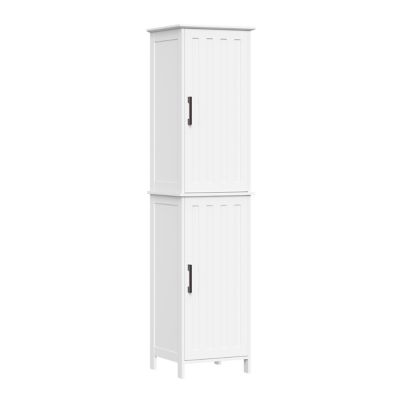
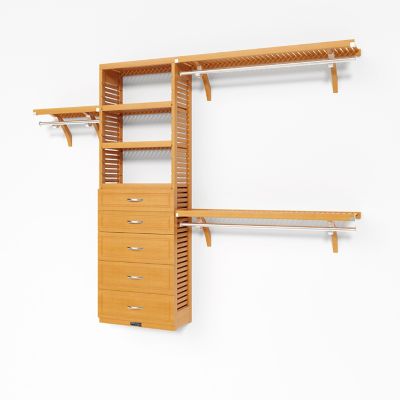
Storage shelves for small spaces help turn narrow footprints, open wall space, and overlooked corners into practical places for everyday supplies. Common options include slim freestanding shelves, wall-mounted shelves, corner units, and compact rolling racks, each suited to a different layout. A tall, shallow unit can make sense beside a laundry station, while a short shelf may fit beneath a workbench without taking away elbow room. In a small mudroom, open shelving gives work gloves, lunch bags, and chore supplies a place to land instead of piling up on a bench. The best fit depends on more than the width of an empty wall. Shelf depth affects walking room, and the distance between shelves determines whether a tall jug, toolbox, or storage bin will sit upright. Baseboards, door trim, outlets, and nearby cabinet doors can all change how much space is actually available. A shelving frame may fit neatly into a nook while its feet or handles extend beyond that footprint, so overall dimensions matter as much as shelf dimensions. Open-sided frames keep contents visible, while shelves with raised edges help keep smaller containers from sliding off the sides. Corner shelves can make an awkward meeting of two walls useful, though their shape may limit the size of bins they hold. Wall-mounted styles leave the floor clear for sweeping and can work above an existing counter, provided the wall structure and mounting hardware support the intended load. Tall freestanding units need particular attention to stability and any anchoring requirements. A narrow tower is not a substitute for a properly supported storage rack when heavy supplies are involved. Load ratings may apply to each shelf, the whole unit, or both, and those limits shape what belongs where. Keeping the heaviest belongings low helps a compact storage setup stay practical, with lighter supplies within comfortable reach and everyday essentials close at hand.
Materials play a big part in how small-space shelving handles daily wear, spills, and cleanup. Steel shelving suits garages, utility rooms, and compact workshops where tools and maintenance supplies need a steady home. Finishes help protect the metal surface, although scratches and lingering moisture can leave some steel vulnerable to rust. Wire shelves allow airflow and let loose dirt fall through, which can be handy around dusty work areas. That open design also means small bottles, narrow feet, and loose hardware may need a tray or a shelf liner approved for the unit. Solid shelves provide a flat resting surface for containers that might wobble on wire, but spills stay on the shelf until they are wiped away. Wood shelving brings a warm, familiar look to a home office, pantry, or entryway, with care needs that depend on the wood and finish. Engineered wood shelves often have specific limits around moisture and concentrated weight, making them better suited to dry indoor spaces when their construction calls for it. Plastic and resin shelves can be easy to wipe down, though their weight ratings and resistance to particular cleaners vary. Neither shelf thickness nor a sturdy-looking frame tells the whole story about load capacity. Supports, connections, shelf span, and assembly all contribute to how a unit performs. Adjustable shelf heights offer room for changing storage needs, but moving a shelf can affect bracing on some designs. Assembly and adjustment should follow the manufacturer’s directions, including any requirements for leveling feet, fasteners, or wall restraints. Routine care is usually straightforward: remove grit, wipe spills promptly, and check connections for looseness. Cleaning products need to suit the shelf material and finish rather than simply being the strongest cleaner nearby. A shelving unit that is easy to reach around and beneath also makes it easier to keep a tight room tidy without pulling half its contents into the hallway.
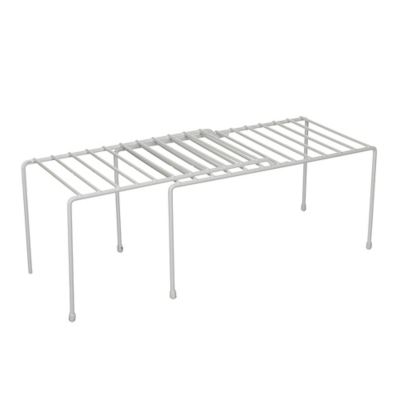
The most useful storage shelves for small spaces match the habits of the people reaching for them. A homeowner keeping repair supplies near a small workbench may need sturdy lower shelves for tool cases and shallow upper shelves for labeled containers. Someone organizing a laundry nook may care more about upright bottle clearance and a surface that wipes clean after a drip. In a compact feed room or tack area, shelving can keep grooming supplies and closed containers organized without crowding the walking path. Feed, seed, and other animal supplies still need containers and storage conditions suited to their contents; an open shelf alone does not protect them from pests or moisture. Indoors, the same attention to footprint and reach matters for
storage solutions for small kitchens, where a few inches of shelf depth can affect whether a cabinet opens freely or a walkway feels cramped. Shelves holding food should be easy to clean, and household chemicals belong in separate, appropriate storage. Rolling shelves offer flexibility when a narrow gap needs to stay accessible, but the floor surface, wheel clearance, and caster locks all matter. A loaded rack needs room to move without catching on thresholds or bumping nearby cabinets. For renters, freestanding shelving can offer flexibility, although required safety anchors should never be skipped to avoid wall holes. Shared households benefit from keeping frequently reached-for supplies at a comfortable height and giving each category a clear place. Baskets and bins can contain loose belongings, but containers that overhang the shelf create snags and take away precious clearance. Leaving a little room between stored supplies makes labels easier to read and handles easier to grab. Compact shelving earns its place when it clears a counter, opens up a walkway, or keeps the things needed for daily chores from disappearing into a deep pile. The goal is storage that fits the room and the routine, with enough breathing room to put things away again.