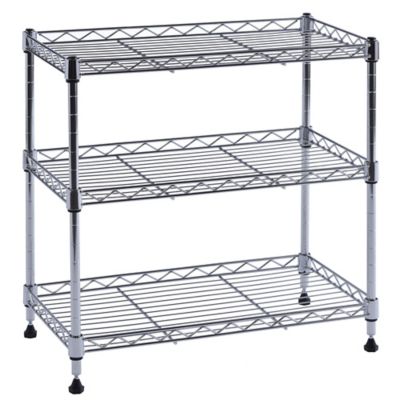
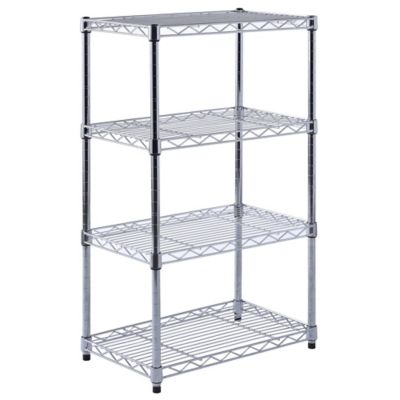
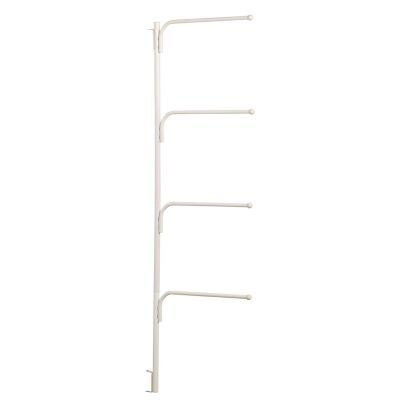
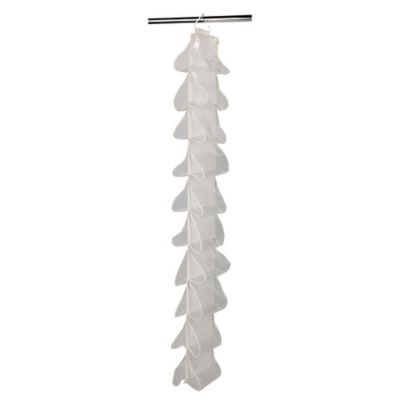
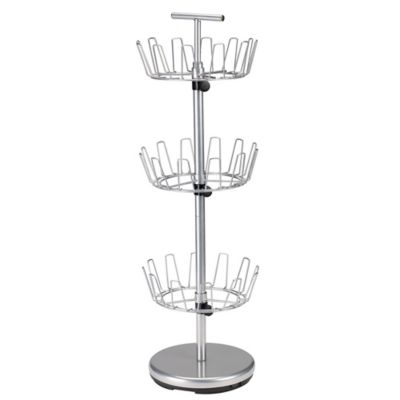
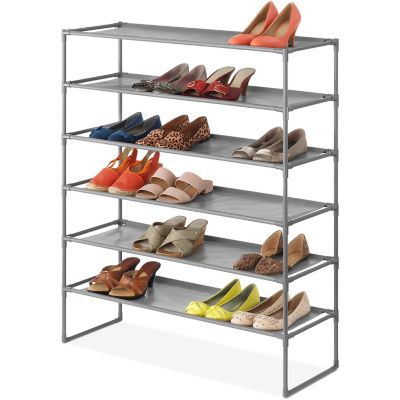
Closet solutions for small spaces make the most of the room between the floor, hanging rod, top shelf, and door without crowding the clothes that need to fit there. In a farmhouse bedroom, a compact apartment, or a spare room that handles more than one job, a little breathing room goes a long way. The most useful closet storage matches the shape of the space and the kind of clothing it holds. Double hanging rods create two levels for shorter garments, such as shirts and folded pants, while a single taller section leaves room for long coats, coveralls, and dresses. That second rod can add hanging capacity, provided there is enough clearance between levels to keep hems off the clothes below. Slim hangers take up less rod space than thicker styles, and velvet-covered surfaces help keep lightweight shirts and slippery fabrics from sliding off. Heavier work jackets need hangers with enough strength and shoulder support to hold their shape. Hanging closet organizers turn a section of rod space into open compartments for folded T-shirts, sweaters, or accessories. They work especially well where shelf space is limited, although their width and loaded weight matter just as much as the number of compartments. A narrow shelving unit can put an awkward floor gap to work for folded jeans or shoes, as long as it does not block hanging clothes or the closet opening. These different forms of small closet organization serve the same purpose: giving everyday belongings a place without making the morning routine harder. For a shared bedroom, separate hanging sections and clearly divided shelves can keep two wardrobes from getting tangled together. For a child’s room, lower storage brings everyday clothing within reach. The right arrangement makes it easier to spot a clean sweatshirt before heading out to feed the animals, find a pair of gloves before an early start, or put away laundry without balancing another stack on an already crowded shelf.
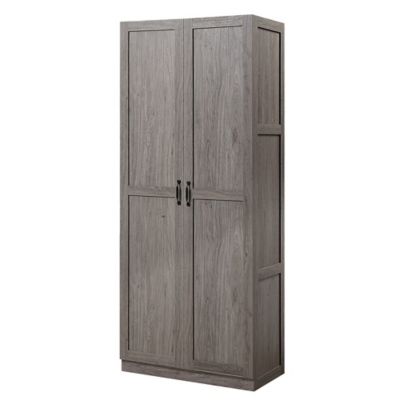
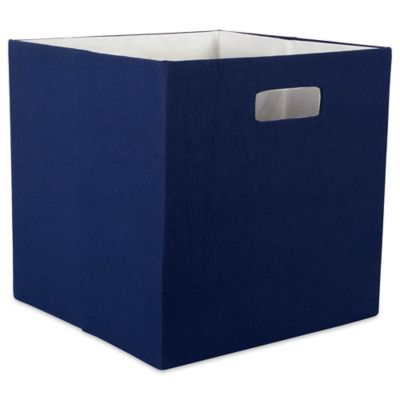
Materials, dimensions, and construction make a real difference in how closet organizers handle daily life. Steel frames and rods can suit heavier clothing loads, but weight limits, connection points, and proper installation still determine what a setup can support. Wire shelving allows airflow and makes contents easier to see from below, while closely spaced wires or shelf liners help keep smaller belongings from tipping or slipping through. Solid wood shelves offer a firm surface for folded clothing, and engineered wood gives storage units a smooth, finished look; either needs care around damp footwear and wet outerwear. Fabric compartments and soft-sided bins are lighter options for scarves, knitwear, and other belongings that do not need rigid support. Reinforced panels help those compartments hold their shape, though heavy stacks can still cause sagging if they exceed the stated load. Fit involves more than whether an organizer matches the closet’s width. Shelf depth affects the room left for hangers, baseboards can keep a floor unit from sitting flush against the wall, and a door track may narrow the opening enough to limit access to drawers or baskets. Over-the-door organizers need clearance above the door and along the frame so the door can close without scraping. Wall hooks can give belts, hats, and bags a home along an otherwise empty side wall, with hardware suited to both the wall surface and the expected load. Freestanding units need level footing, and tall storage should be secured according to the manufacturer’s directions, especially where children may reach or climb. Everyday care is usually straightforward: wipe compatible hard surfaces as directed, clear dust from shelf corners, and follow fabric care labels rather than assuming every cloth bin can go in the washing machine. Let damp coats and muddy boots dry before returning them to an enclosed closet. Keeping moisture and grit out helps protect clothing, shelving surfaces, and the closet floor through busy mornings and cooler weather.
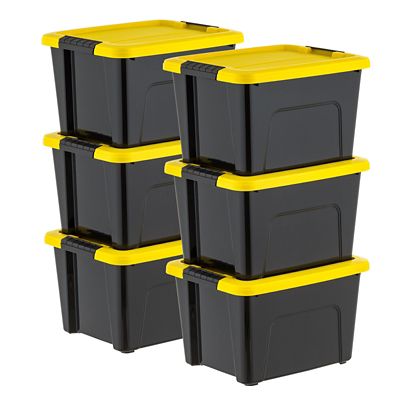
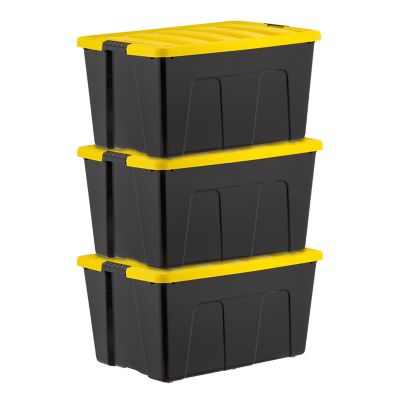
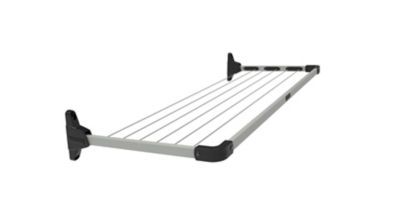
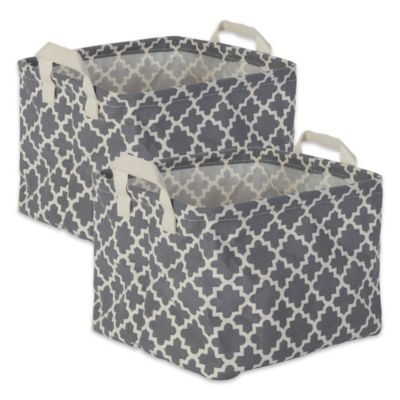
Small-space closet storage also works best when it reflects what actually comes through the door. A household with work boots, chore jackets, and stacks of denim has different needs from one storing mostly office shirts and lightweight shoes. Boot storage needs enough height for shafts and enough room for pairs to sit without being crushed; shallow shoe shelves may be a better fit for sneakers and everyday flats. Shelf dividers help separate stacks of folded clothing, while baskets and bins gather loose accessories that would otherwise disappear behind larger belongings. Open compartments make frequently worn pieces easy to grab, and covered containers can help shield less frequently worn clothing from settling dust. Clear fronts or simple labels make the contents easier to recognize without pulling everything down. Upper shelves are well suited to lighter belongings that do not need daily access, leaving comfortable reaching height for everyday clothing. During the cooler months, having space for thicker sweaters and jackets matters more than squeezing every inch full. Tightly packed clothing is harder to remove, harder to put back, and more likely to end up draped over a chair. Where an existing closet cannot handle the whole wardrobe,
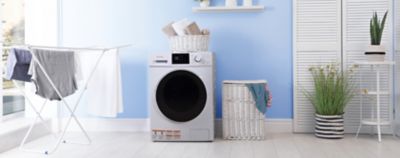
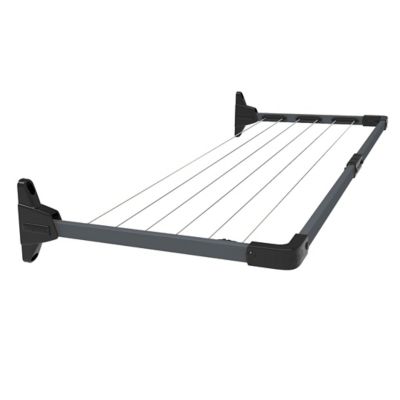
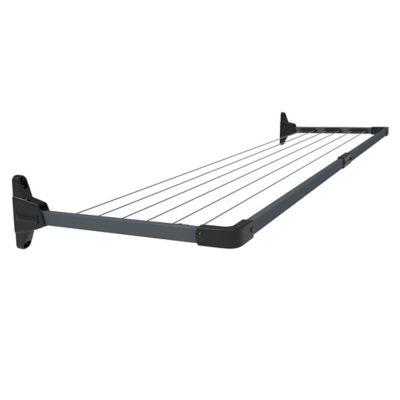
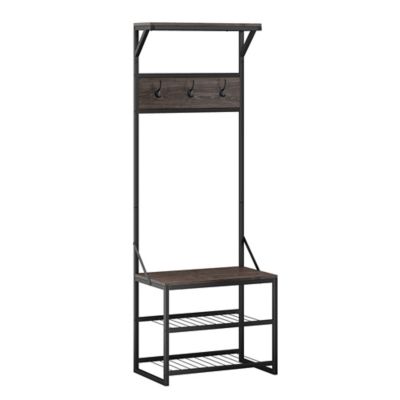
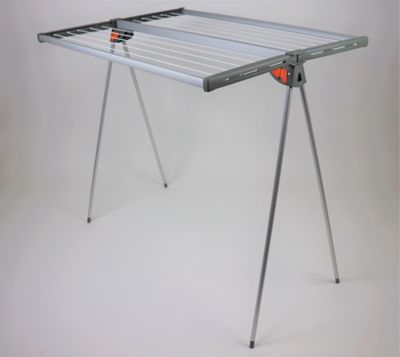
Clothes Racks for Small Spaces can provide a separate hanging area in a bedroom, laundry room, or entry space. A compact rack gives frequently worn layers a place outside the main closet, though its footprint needs to leave a clear walking path and room for doors to swing. Rolling designs offer flexibility where clothing moves between rooms, while stationary frames suit a dedicated corner; either needs a load rating appropriate for the garments it will hold. For renters, freestanding storage and compatible hanging organizers can add function without permanent shelving changes, subject to lease rules and installation requirements. For busy families, a practical mix of hanging space, shelves, and contained storage keeps clean clothes separate from the day’s muddy gear. Small closets do not need to hold everything in the house. They need to hold the right things where they are easy to reach, easy to see, and easy to put away.