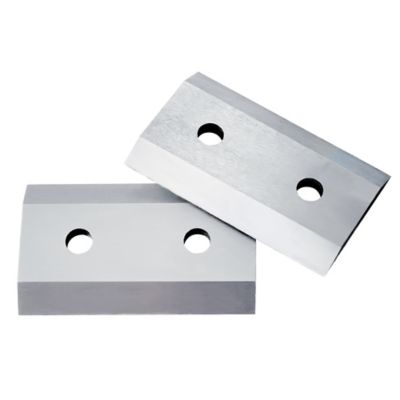
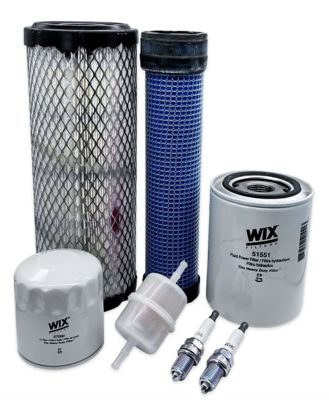
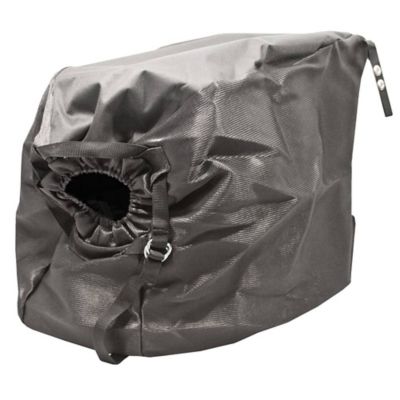
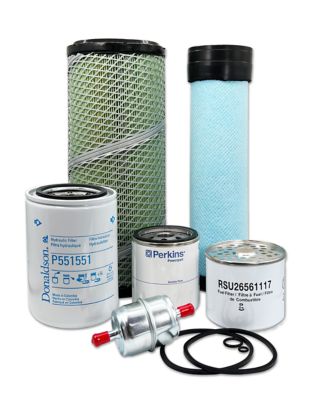
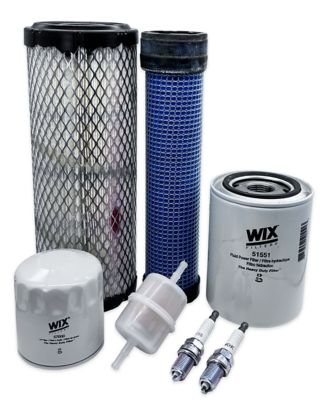
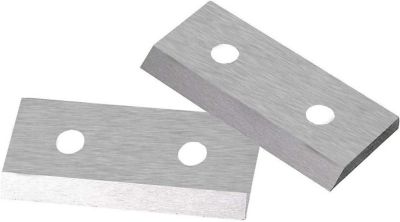
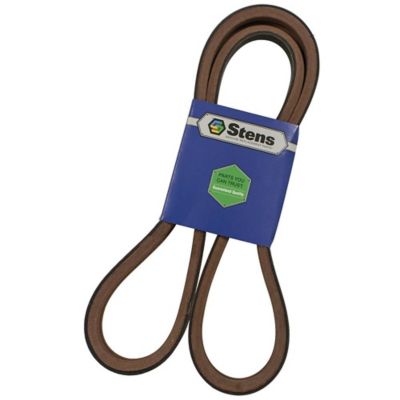
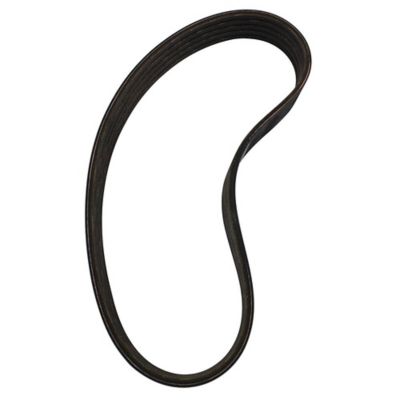
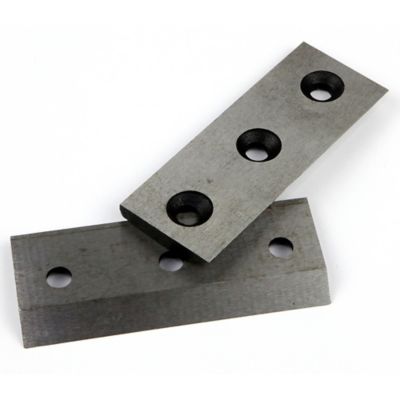
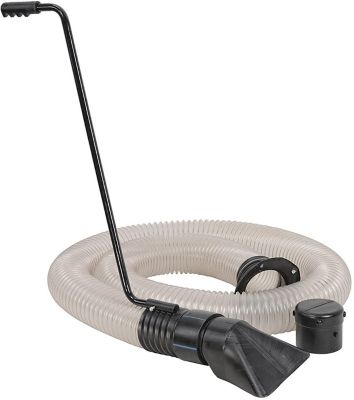
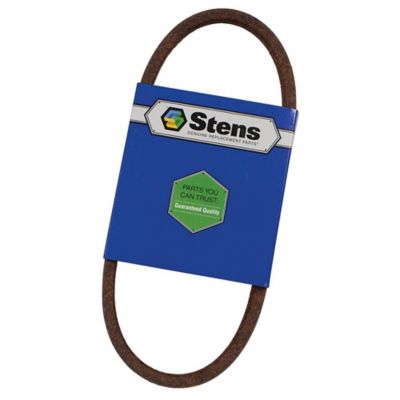
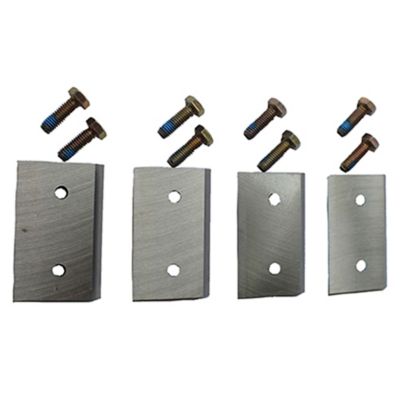
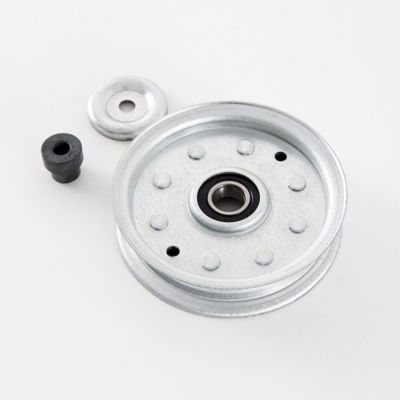
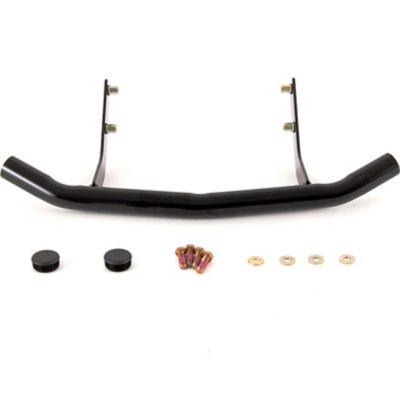
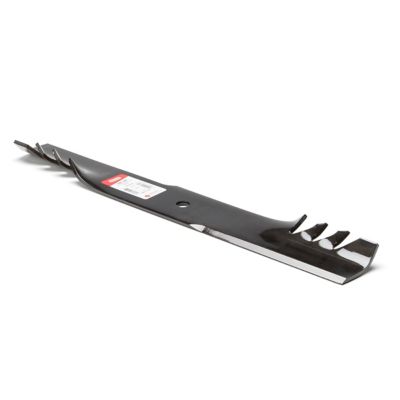
When the weather starts to warm up and the days get longer, folks around the homestead know it’s time to tackle those brush piles and tree limbs that seem to multiply every year. Whether you’re keeping trails clear, prepping firewood, or just tidying up after a good storm, a wood chipper is a handy piece of equipment to have on hand. But just like any hardworking tool, your chipper’s only as good as the parts keeping it running. That’s why having the right wood chipper parts on hand is so important—sharp blades, reliable belts, sturdy hoppers, and all the nuts and bolts that keep the machine humming along. If you’ve ever had a branch jam up the works or noticed your chipper struggling to chew through tougher limbs, you know how much difference a fresh set of brush chipper replacement parts can make. And for those who take pride in keeping their equipment in tip-top shape, swapping out worn parts is just part of the routine—right up there with greasing the tractor or sharpening the chainsaw.
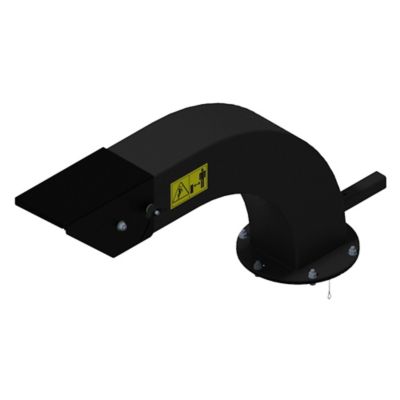
Wood chipper parts aren’t just for the folks running big operations, either. Hobby farmers, backyard gardeners, and even folks who just like keeping their property looking tidy all benefit from knowing where to find quality parts. If you’re searching for “wood chipper parts near me,” chances are you’re looking for something that’ll get your machine back in action fast, whether it’s a new set of blades for cleaner cuts, a replacement chute for smoother feeding, or just some fresh hardware to tighten things up. These parts also make thoughtful gifts for anyone who spends their weekends clearing brush or turning yard waste into mulch—perfect for the do-it-yourselfer who’d rather fix up their trusty chipper than replace it outright. And as the seasons shift from the heat of summer into the cooler months, those with wood stoves or fire pits know the value of a chipper that’s ready to handle the load, turning fallen limbs into kindling or mulch for the garden beds.
Taking care of your wood chipper means more than just keeping it running—it’s about working safer, getting the job done quicker, and making the most of every scrap of wood on your land. Experienced landowners know that even the toughest chipper needs a little TLC now and then, and having the right parts on hand can mean the difference between a job well done and a day lost to downtime. If you’re not sure where to start, you can always check out our guide to the
Best Wood Chippers to see what’s out there and how the right parts can help you get the most from your machine. Whether you’re gearing up for a big cleanup, prepping for fall projects, or just keeping your equipment in good working order, having access to dependable wood chipper parts is key to keeping your property looking its best year-round.