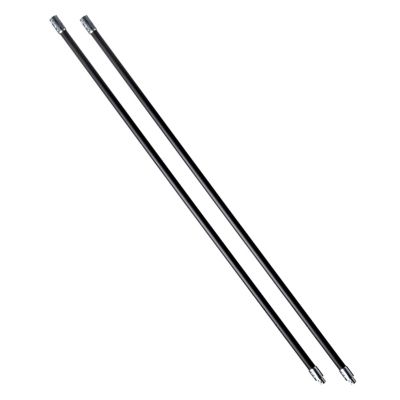
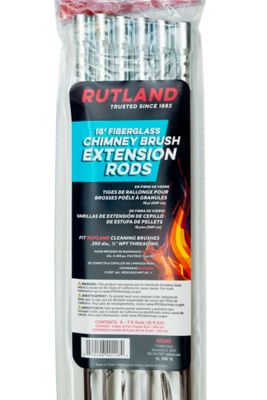
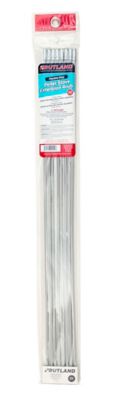
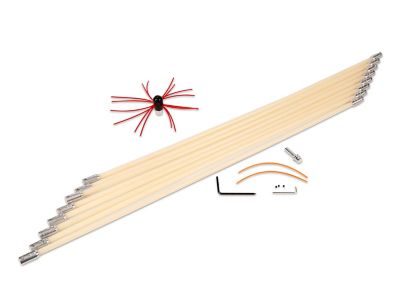
Chimney brush extension rods help give a chimney cleaning brush the reach it needs to move through longer flues, fireplace chimneys, wood stove pipes and other hard-to-reach passages. They are especially useful for homeowners who handle routine maintenance on a cabin, farmhouse, workshop or wood-heated home, as well as property managers and anyone caring for a rental or seasonal place. A brush can only work as far as its handle allows, and a stack of extension rods makes it easier to clean from one section at a time without leaning, stretching or trying to improvise with household tools. As the weather warms, many folks take a close look at the chimney before storing away a stove or fireplace for the season. Others prefer to get their supplies lined up before the cooler months arrive, when the first fire of the season makes a smoky chimney especially noticeable. Chimney brush extension rods can be a practical addition to a maintenance tote, along with a properly sized brush, gloves, eye protection and a covering to keep loose soot from spreading through the room. They can also make a thoughtful gift for a new homeowner, someone fixing up an old farmhouse, or a friend who enjoys keeping a hunting cabin or camp in good working order. Like any chimney maintenance equipment, rods are intended to support regular cleaning and inspection, not replace sound judgment. Creosote, heavy soot, damaged masonry, nests, obstructions and other chimney concerns may call for a qualified chimney professional. If a flue has not been inspected in a long time, or if there is any doubt about its condition, having it checked before cleaning is a smart part of protecting the home.
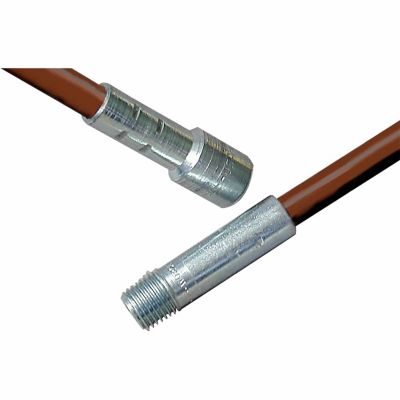
When choosing extension rods, start by considering the chimney or flue you plan to reach and the brush connection it uses. Rods need to match the brush’s fitting so the connection stays secure while the brush is pushed, pulled or turned through the passage. Thread style, connection size and overall construction all matter; a rod that seems close but does not fit correctly can slow the job down and may come loose inside the chimney. Pay attention to the length of each section, too. Shorter sections are easier to manage in tight spaces, while longer sections can reduce the number of connections needed for a tall chimney. Several sections can often be joined to reach the required distance, but the assembled length should still be manageable from the cleaning access point. Flexibility is another important consideration. A chimney may be mostly straight, or it may include bends and offsets that call for rods with enough give to follow the path without buckling. At the same time, the rods need enough stiffness to move the brush through buildup rather than simply bowing under pressure. Material and construction affect how the rods feel in hand, how they stand up to repeated use and how easily they can be cleaned and stored. Look for secure couplings and a finish that is suitable for the type of work, then keep the rods dry and free of soot before putting them away. Some households use a wall rack, storage bin or dedicated corner of the shed so the sections stay together and are ready when maintenance comes around again. For related household and shop cleanup needs, a selection of
Cleaning Brush Sets can help round out a collection of useful brushes for more than one job around the property.
Safe use starts with preparation. Work only when the chimney and stove or fireplace are completely cool, and follow the cleaning instructions for your particular setup. Wear eye protection, work gloves and clothing that can handle dust and soot, and use a drop cloth or sealed covering around the work area. Keeping doors, dampers and cleanout openings closed where appropriate can help limit mess, while proper ventilation is important when working in an enclosed space. Feed the rods gradually, adding sections as needed instead of forcing a long, unwieldy assembly into place. Gentle, steady pressure is usually more useful than hard pushing, particularly when the brush reaches a bend or a stubborn patch of buildup. Pulling the brush back through the flue can loosen material that pushing alone may leave behind, but avoid twisting or bending the rods beyond their intended use. Check each connection during the job, and stop if a rod feels loose, catches unexpectedly or shows signs of damage. Extension rods are not designed to serve as ladders, pry bars or general-purpose poles, and using them for the wrong task can damage the equipment or create a safety risk. After cleaning, inspect the rods for cracks, bent sections, worn fittings or packed-on residue, then wipe them down and store them where children, pets and moisture will not cause problems. With the right reach and a little patience, chimney brush extension rods can make routine flue maintenance more organized and less awkward, helping rural homeowners keep an important part of the heating system ready for the next cold evening.