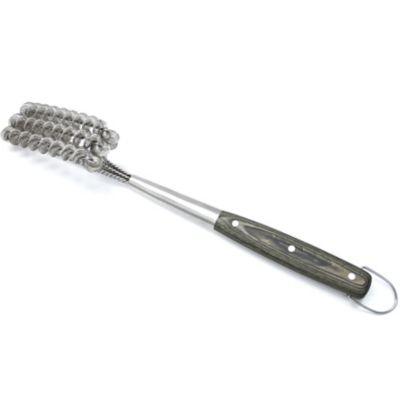
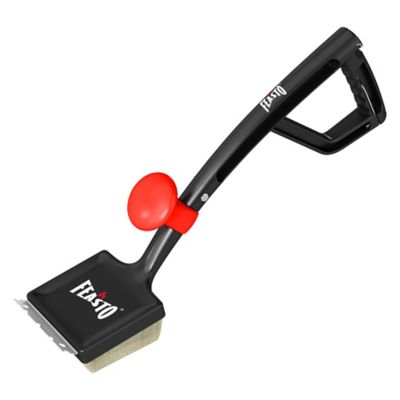
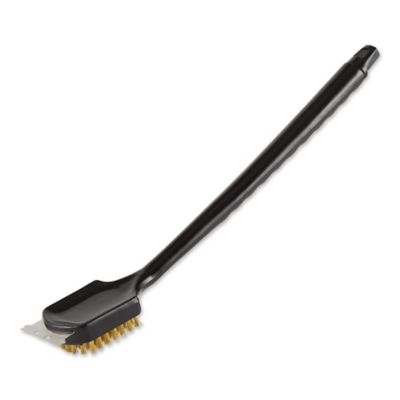
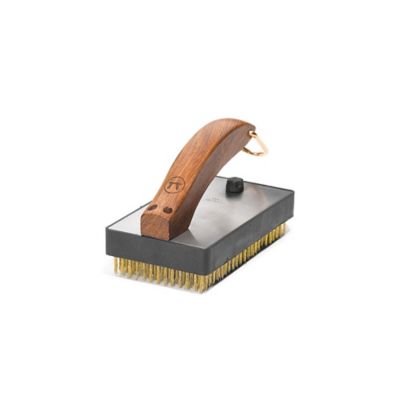
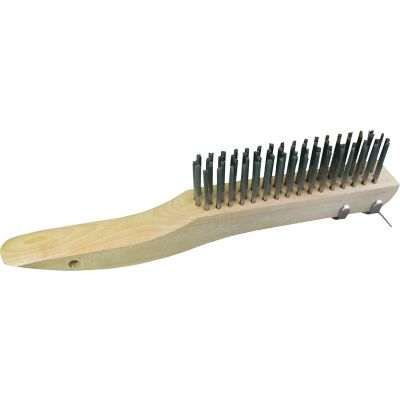
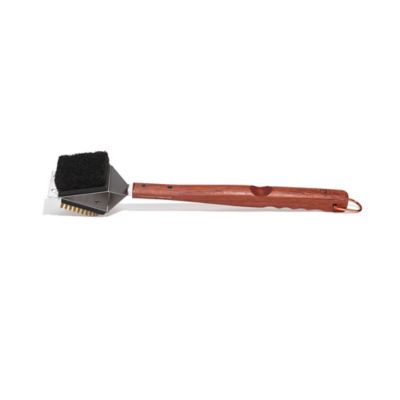
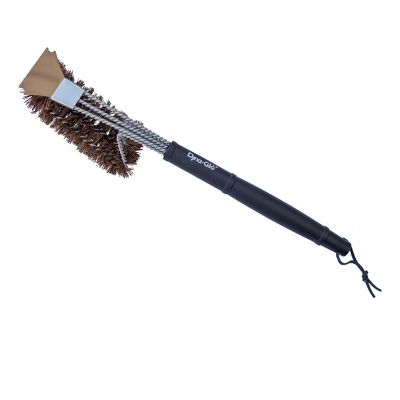
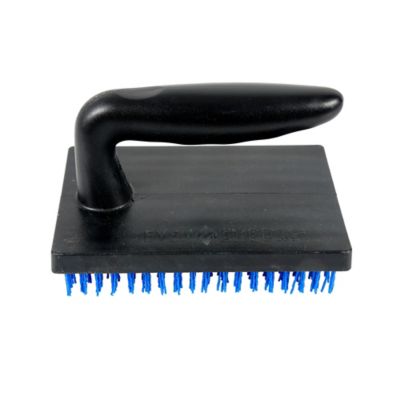
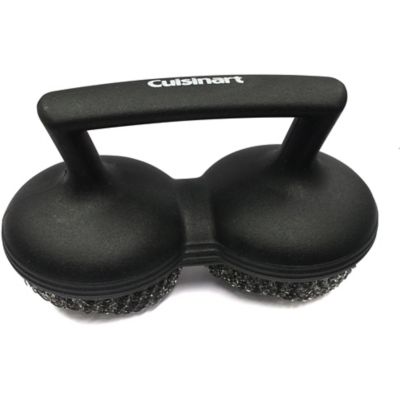
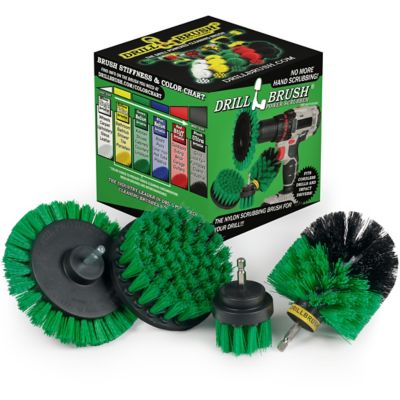
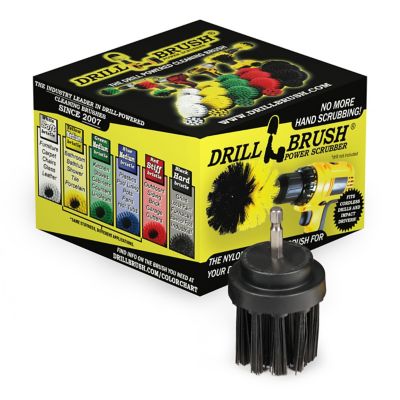
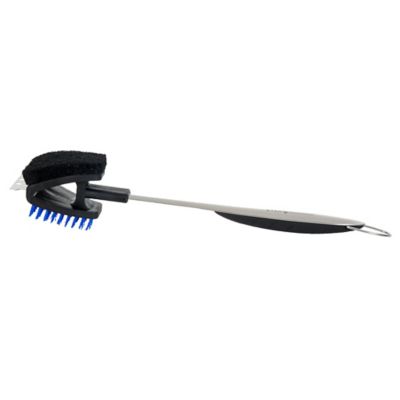
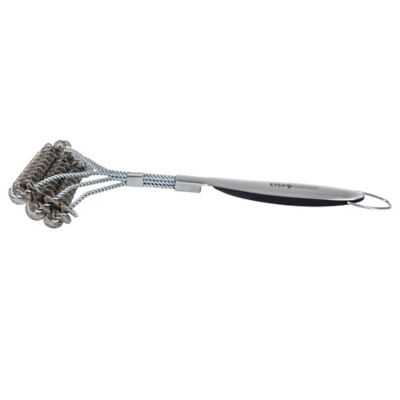
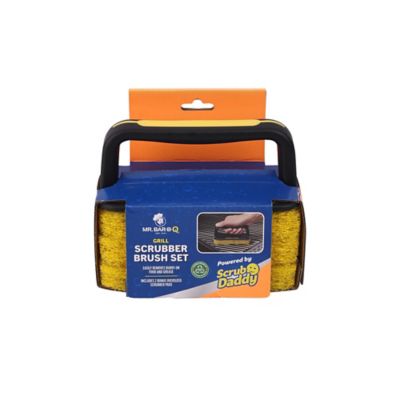
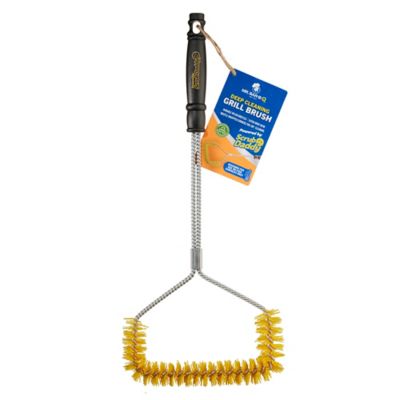
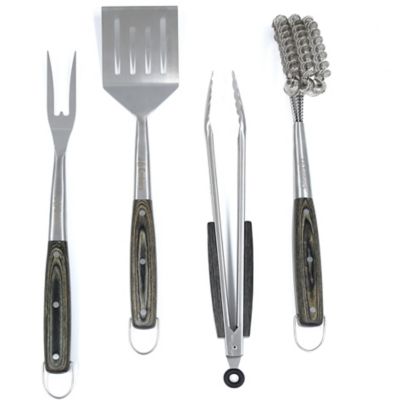
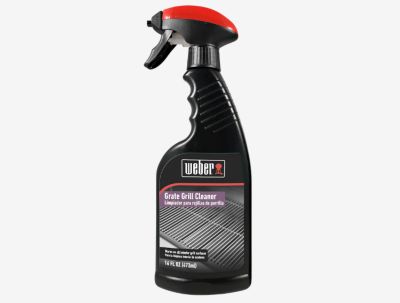
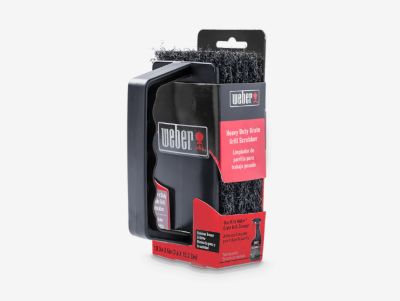
Wire brushes for grill cleaning help tackle the grease, stuck-on sauce, and charred bits that collect between cookouts. Whether the grill sits beside a farmhouse porch or near a backyard picnic table, a brush that fits the cooking surface makes cleanup less of a chore. The right shape matters as much as the bristles: a broad head covers open stretches of grate, while a narrower head reaches between bars and around edges where drippings tend to settle. On a compact grill, an oversized head can feel clumsy around the corners; on a large cooking surface, a small head means more passes across the same area. Head height also matters beneath an upper warming rack, where there may not be much room to tilt the brush. Long handles provide reach across deeper cooking surfaces and help keep hands farther from the grate, though extra length can make a brush harder to control in tight spaces. Shorter handles offer closer control when the grill is cool and access is easy. A firm, comfortable grip is worth considering when working through the stubborn patch left by glazed chicken or a batch of burgers. Handle angle, balance, and the way the head sits against the bars all affect how naturally the brush moves. A slightly angled head may reach the back of the grate without forcing an awkward wrist position, while a straight design can feel more direct on a flat surface. Gas, charcoal, and pellet grills come with different grate layouts, so the appliance type alone does not determine brush fit. Bar spacing, cooking-surface dimensions, and clearance around warming racks are better points of comparison. For anyone who regularly cooks for a full table, those practical details can matter more than a large brush head or a heavy handle. A brush should suit the grill and the person doing the scrubbing, without requiring hard pressure to reach ordinary buildup.
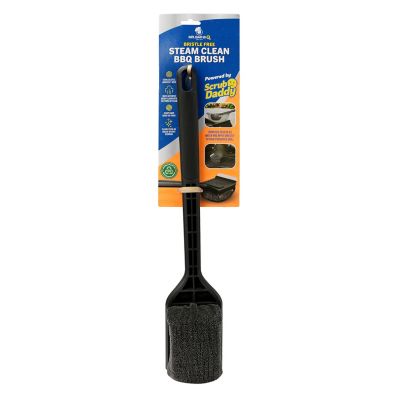
Bristle material deserves a close look, especially when the grill has a coated cooking surface. Stainless steel wire offers corrosion resistance and a firm scrubbing action, but that does not make every stainless steel brush suitable for every grate. Brass wire is generally softer than steel, yet it can still scratch or wear certain finishes. Carbon steel wire can provide stiff brushing action, though moisture can encourage rust if the head stays damp. The grill maker’s care directions should decide which materials belong against the cooking surface. Porcelain-coated grates need particular attention because aggressive scraping or an unsuitable brush can damage the coating and expose the metal beneath it. Cast iron, stainless steel, and coated grates may each call for different tools or cleaning methods, and wire bristles are not appropriate for every surface. Bristle thickness and arrangement also affect how a brush feels in the hand. Closely packed rows offer broad contact, while other head shapes reach around the sides of individual grate bars. More stiffness is not automatically better; the goal is to loosen residue without gouging the surface or bending the bristles through excessive force. A scraper edge can help with heavier deposits when both the grill and brush instructions permit it, but its width and contour need to match the grate rather than dig into it. Handle construction matters, too. Wood benefits from drying between cleanups, while molded grips should remain clear of direct flame and heat beyond their stated limits. A solid connection between the handle and head helps prevent twisting under pressure. Replaceable heads can extend the working life of a compatible handle, provided the replacement matches the original connection and fastens securely. Around the grill, strength is only part of the picture. A head that stays firmly attached, bristles that remain seated, and a grip that does not shift in the hand are all important considerations for repeated cleanup.
Care and inspection are especially important with any wire-bristle grill brush because loose wires can remain on a grate and transfer to food, creating a serious injury risk if swallowed. A brush that sheds bristles, develops rust, or has a loose head needs to come out of service rather than get one more cookout. Bent, thinning, or heavily matted bristles are also signs that the tool is past its best working condition. Before each cleaning, a close look at the head and its attachment points helps reveal wear that may be easy to miss when the brush is hanging beside the grill. Follow the grill and brush manufacturers’ directions for cleaning temperature, and keep hands clear of hot surfaces. After brushing, check the entire cooking surface for stray wires before food goes on it; any remaining residue or bristles need to be removed with a method approved for that grate. A suitable cloth on a cool surface may be part of the grill maker’s cleanup directions, but a quick wipe does not replace a careful inspection. Between cookouts, removing trapped grease and debris from the brush and allowing it to dry fully helps limit buildup and corrosion. Covered storage away from rain, feed dust, and splashing water keeps the head cleaner than leaving it on an open shelf beside the cooker. A hanging loop can keep bristles from bearing the brush’s weight, while a clean storage spot keeps the tool away from shop chemicals and other contaminants.
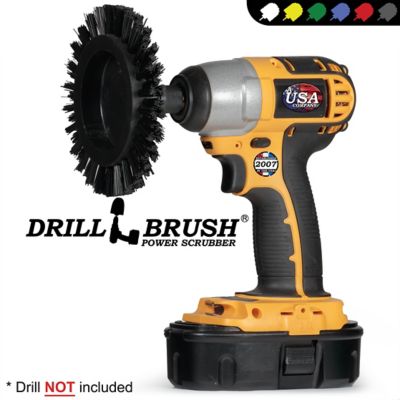
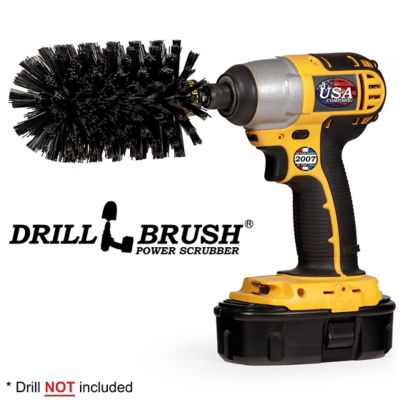
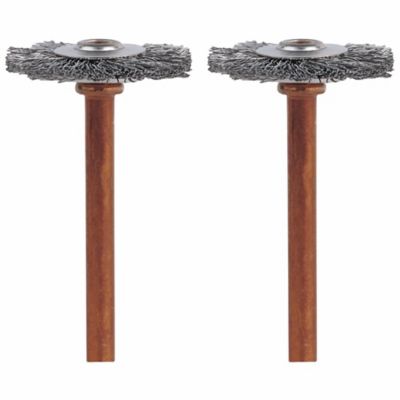
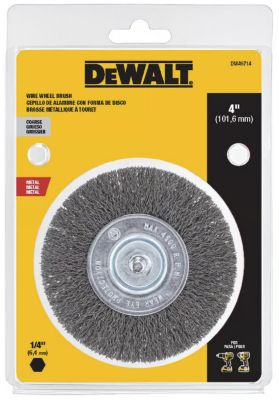
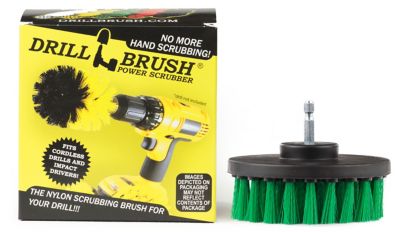
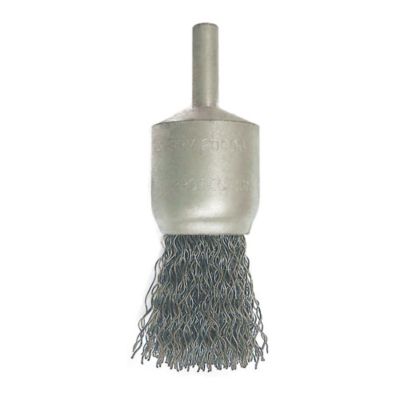
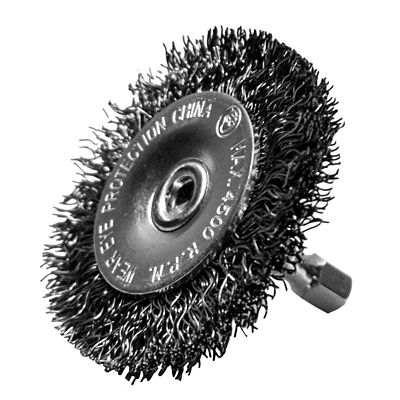
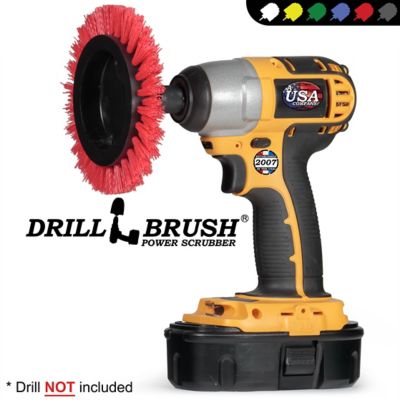
Wire Brushes for Drills serve different cleanup needs around the shop and should not be treated as interchangeable with hand-operated grill brushes. Tools that tackle paint, rust, or other nonfood materials belong apart from cooking equipment. For the household grill tender, a well-matched brush is a practical part of the cooking setup, alongside the tongs and spatula, with fit, surface compatibility, and regular inspection guiding the choice.