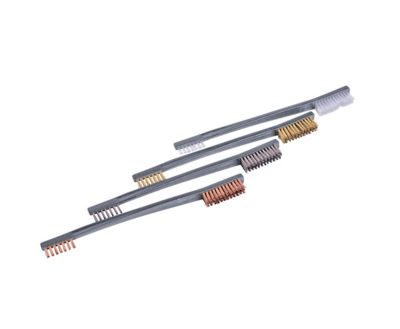
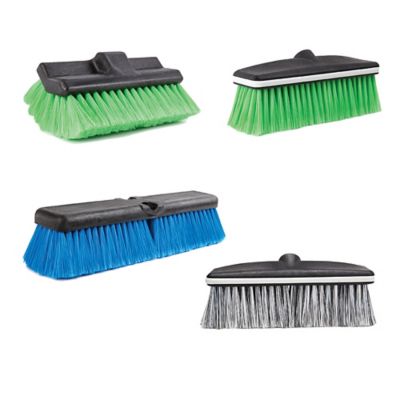
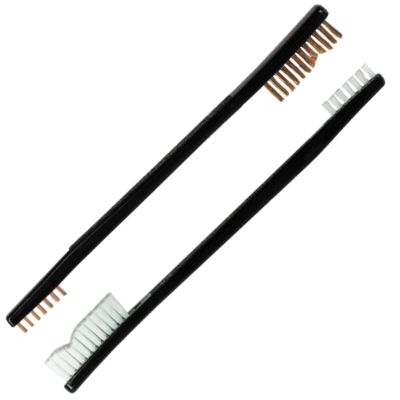
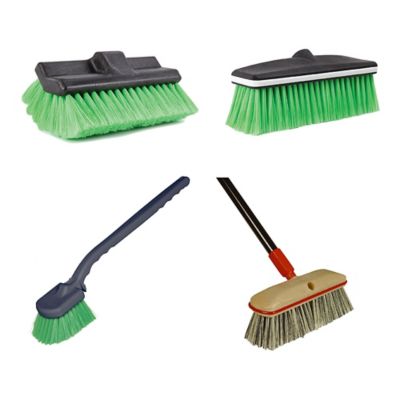
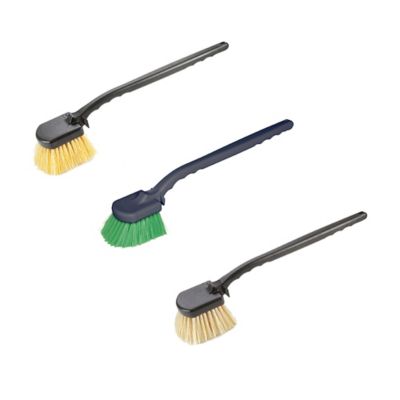
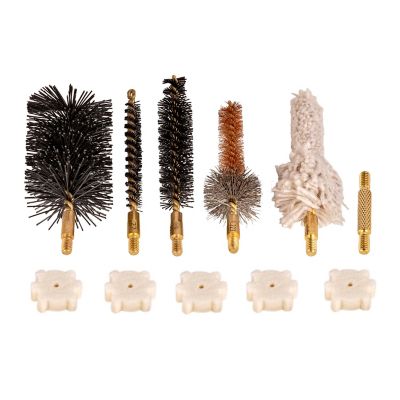
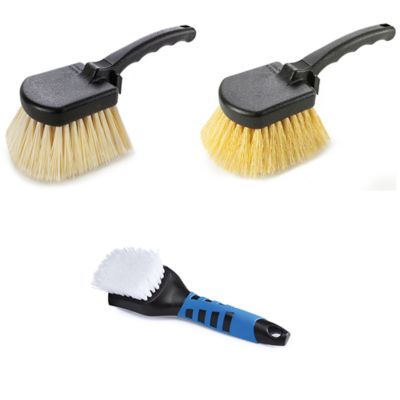
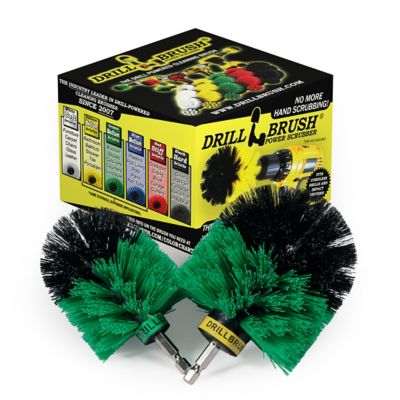
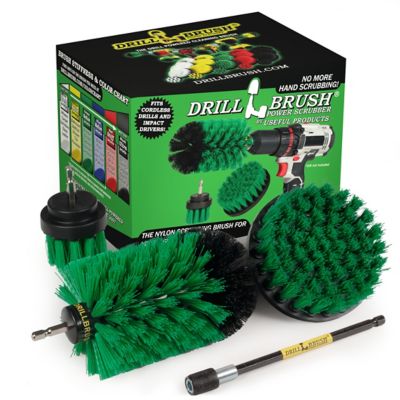
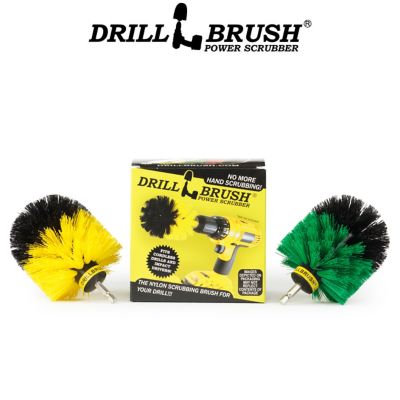
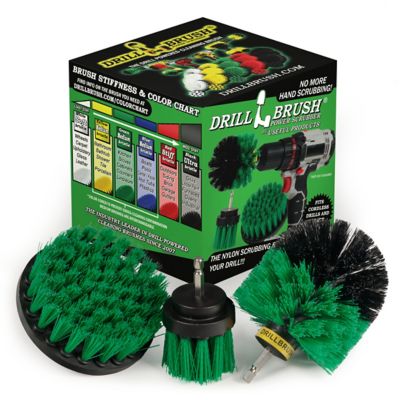
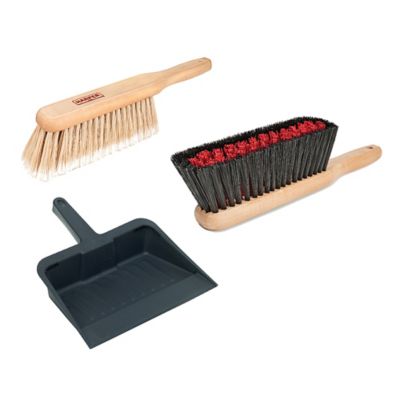
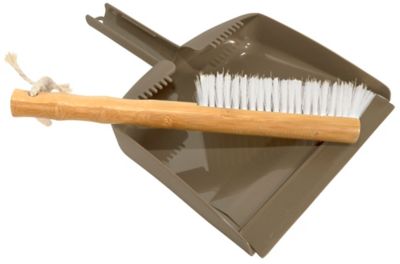
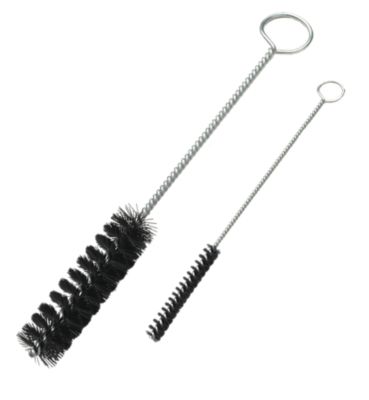
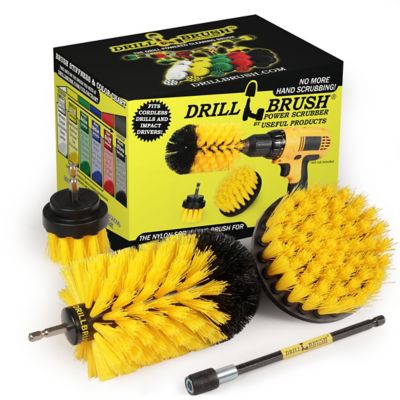
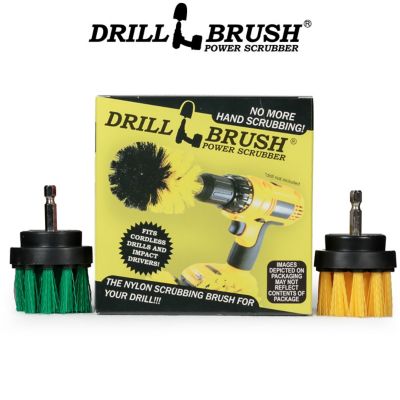
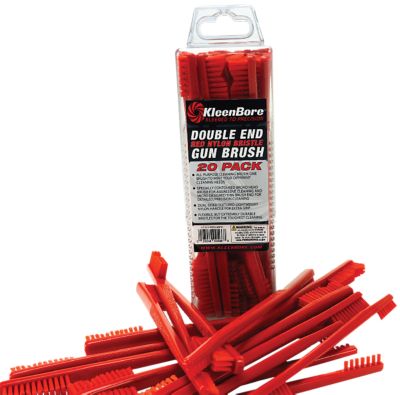
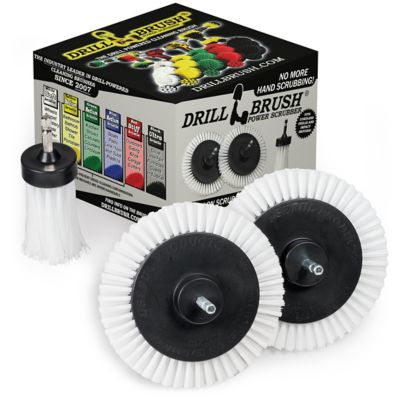
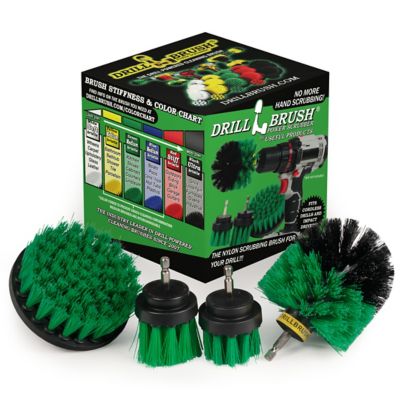
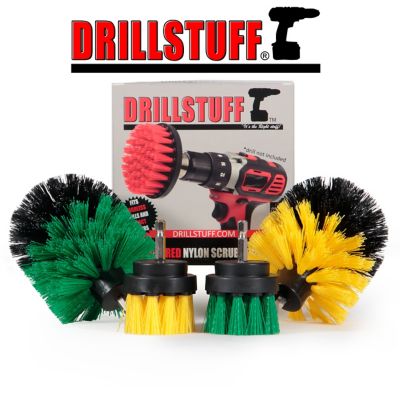
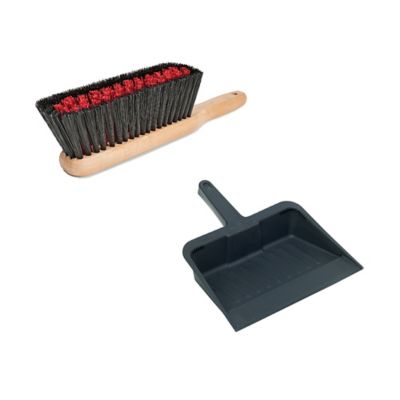
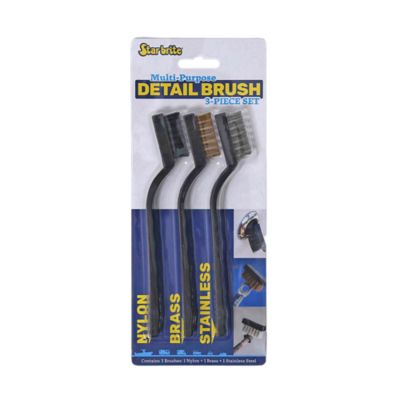
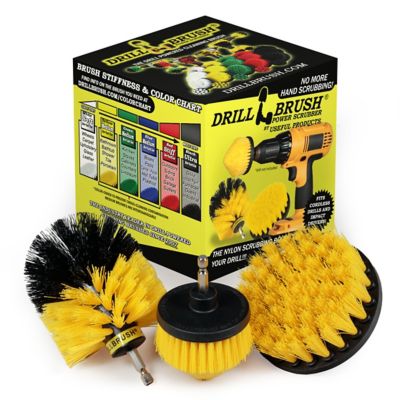
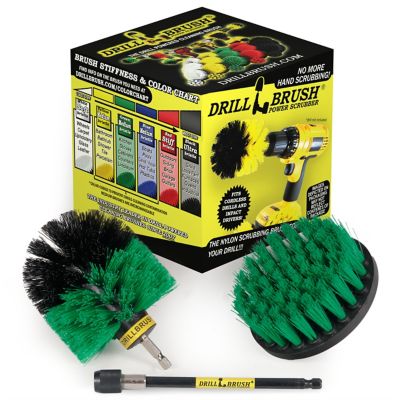
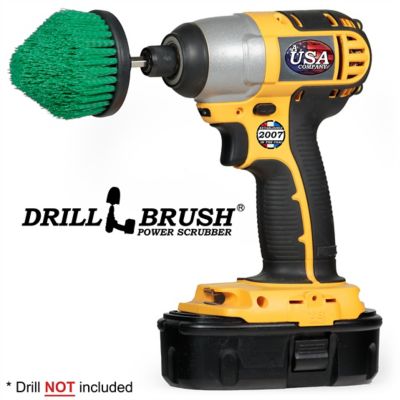
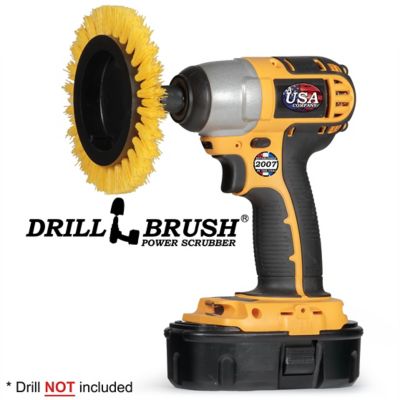
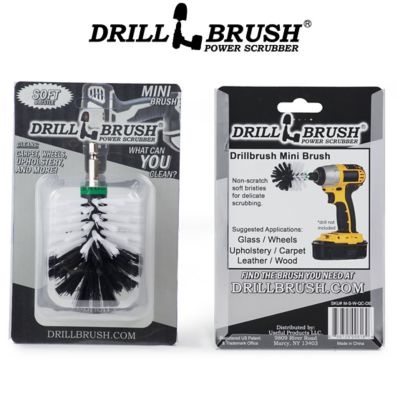
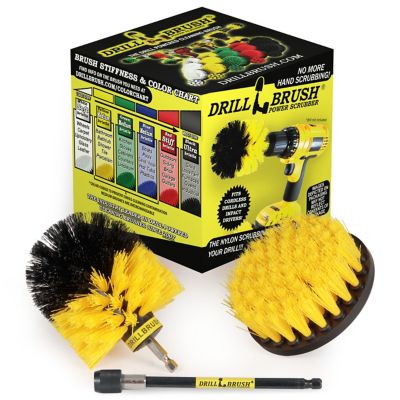
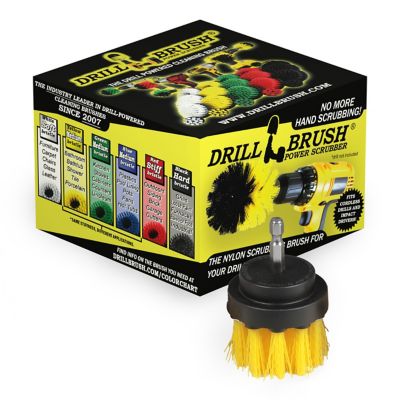
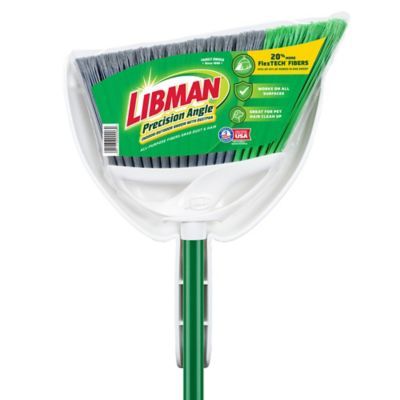
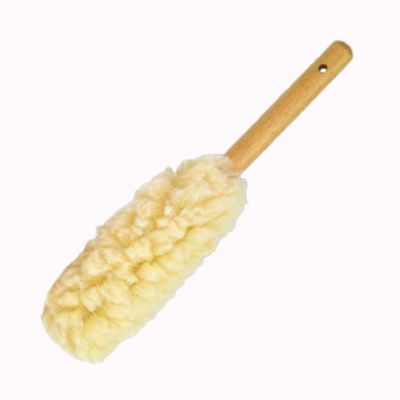
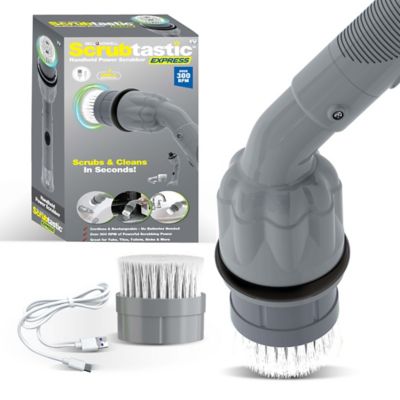
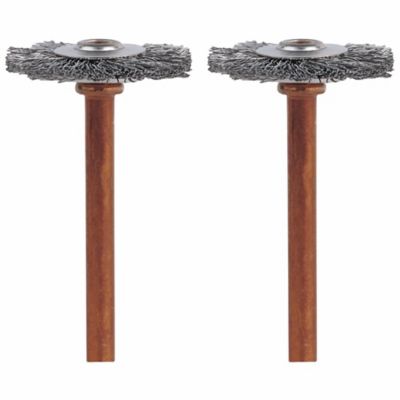
Cleaning brush sets bring together several brush shapes, sizes, and bristle types to handle scrubbing jobs that one brush cannot easily cover. Manual sets can include broad heads for open surfaces, narrow brushes for seams, and small detail brushes for corners, while drill attachment sets pair rotating brush heads with a compatible power drill. The right combination depends on the surfaces being cleaned and the kind of mess involved, whether that means soap buildup around a utility sink, dirt along a truck’s floor mats, or grime caught in the grooves of shop equipment. Broad, flat heads cover more ground on a workbench or wash basin. Slim heads reach into tracks and tight joints, and rounded heads can follow curves inside containers or around fittings. Bristle material matters just as much as shape. Nylon and polypropylene bristles are common choices for wet cleaning, though their suitability for a particular cleaner depends on the brush’s specifications. Softer bristles provide a gentler touch for surfaces that scratch easily, while stiffer bristles put more scrubbing force against stubborn buildup on surfaces that can take it. Stiffness alone does not tell the whole story: thick, widely spaced bristles behave differently from a dense cluster of fine fibers. Natural-fiber brushes have their own care needs, especially when moisture can linger near the bristle base. Wire brushes belong to tougher surface-preparation tasks and can scratch finishes or leave marks on materials that call for a softer touch. A cleaning brush set works best when each brush has a clear purpose, rather than treating every head as interchangeable. For households, farms, garages, and small shops, a mix of broad scrubbing coverage and close-up reach makes it easier to move from an open patch of grime to the little edges where residue tends to hang on.
Handle design can make the difference between reaching a dirty spot comfortably and fighting the brush through the whole chore. Longer handles add reach inside deep utility sinks and behind fixtures, while short handles keep the hand closer to the brush head for controlled scrubbing. A narrow neck helps a brush slip around hardware, but enough clearance for the knuckles still matters. Molded plastic handles are easy to rinse, and grip texture can help with control when hands are damp. Wood handles bring a different feel in the hand and generally benefit from drying between cleaning sessions rather than sitting in water. A secure connection between the head and handle, firmly anchored bristles, and a shape that does not twist awkwardly under pressure are useful construction details to consider. Fit also means matching the brush head to the opening or channel it needs to clean. A brush that barely squeezes into a gap may not leave room for the bristles to move, and an oversized head can push against nearby finishes. Sets with several head widths give more room to match the tool to sink rims, tile joints, appliance edges, and other everyday trouble spots. For drill-powered brush sets, attachment fit, operating speed, and the brush maker’s intended applications deserve attention. Rotation supplies repeated scrubbing action across suitable surfaces, but it can also scatter cleaning solution and catch on exposed edges. Power tools need protection from water, and a brush attachment does not make an ordinary drill suitable for immersion. Manual brushes still have a place alongside powered heads, especially near seals, delicate trim, and cramped corners where a slower touch offers better control. The most practical assortment is not necessarily the one with the most pieces; it is the one with shapes and attachments that suit the jobs at hand.
Around a working property, keeping brushes assigned to separate tasks helps keep one cleanup from creating another mess. A brush for muddy boot soles belongs apart from brushes for kitchen surfaces, and tools for animal areas should stay separate from household cleaning supplies. Different handle colors or clearly marked storage spots make those divisions easier to maintain. In the garage, a set might handle rubber floor mats, a utility tub, and suitable hard surfaces around the work area, with separate brushes reserved for greasy parts. Vehicle care often calls for
Wheel Cleaning Brushes that can reach around spokes and into recessed areas, with bristle material matched to the wheel finish. Grit caught in any brush can scratch a surface, so a brush that looks clean at a glance may still need a thorough rinse before its next job. The same care applies to grout lines, painted surfaces, plastic housings, and coated fixtures: the surface maker’s cleaning directions help establish which bristles and cleaning solutions belong there. Brush care also affects how well a set holds up. Clearing hair, string, and packed-in debris from the bristles keeps the working edges open, while rinsing away cleaner residue helps prevent buildup around the head. Care directions vary by material, but good airflow during drying and storage away from standing water help keep cleaning tools ready for the next round. Hanging holes, racks, or divided holders can keep heads from being crushed beneath other supplies. Bristles that stay bent, shed heavily, or no longer reach into the intended spaces signal that a brush is past its best working condition. For someone tending a busy household, maintaining rental property, caring for a barn, or keeping a home workshop in order, a well-matched cleaning brush set earns its place through everyday usefulness: enough reach for awkward spots, enough control for close work, and the right bristle feel for the surface in front of it.