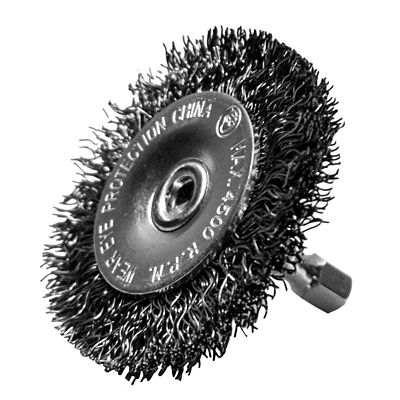
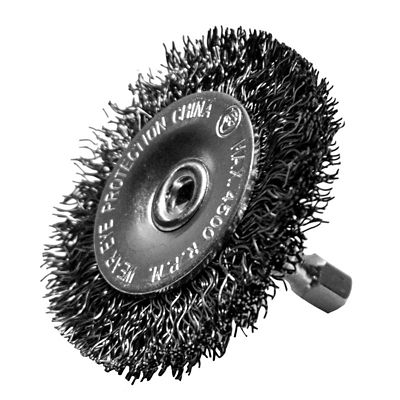
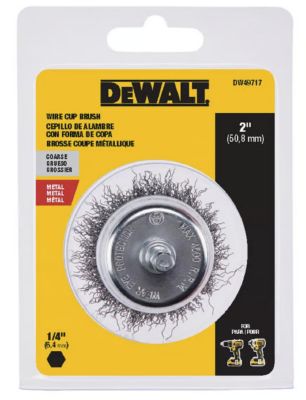
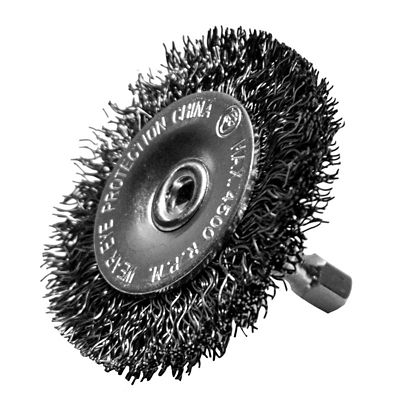
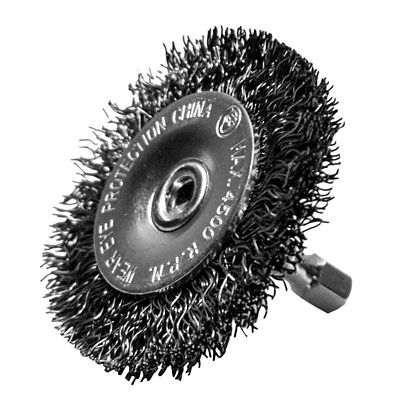
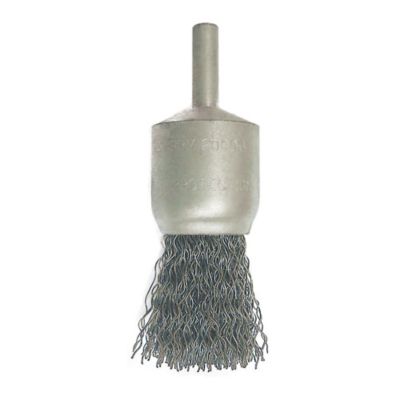
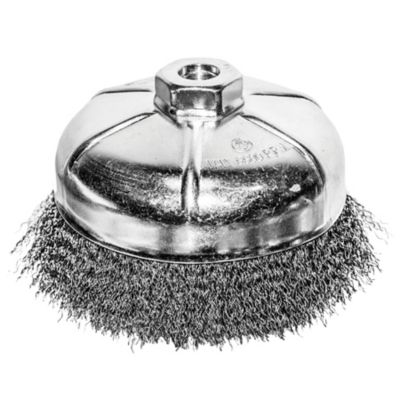
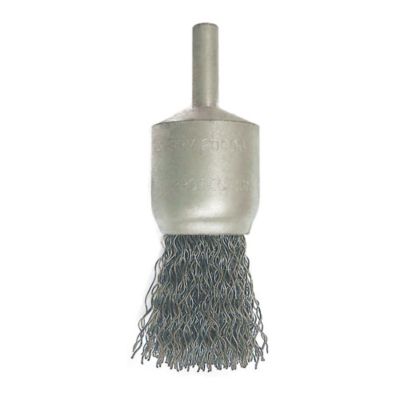
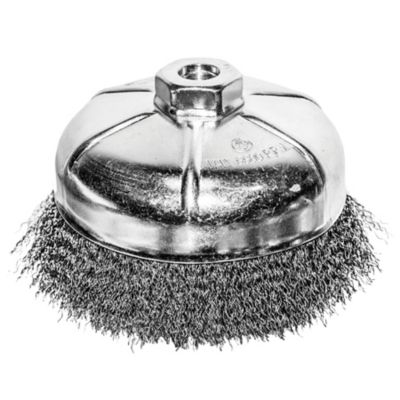
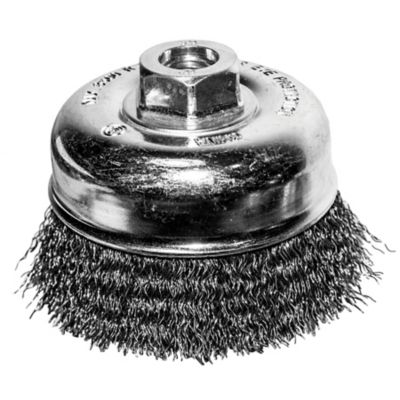
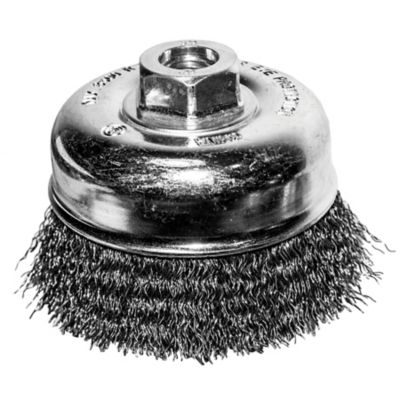
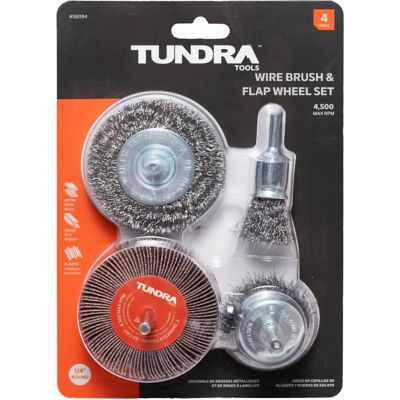
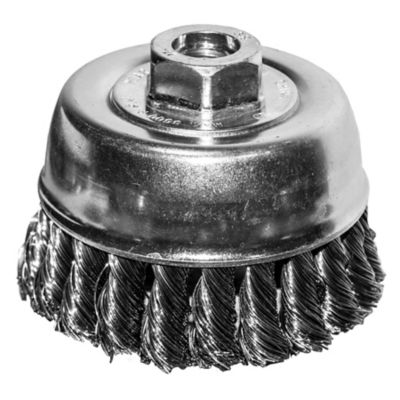
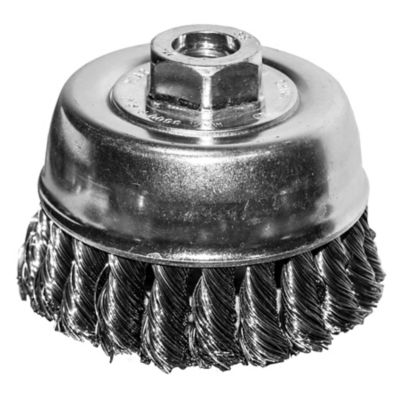
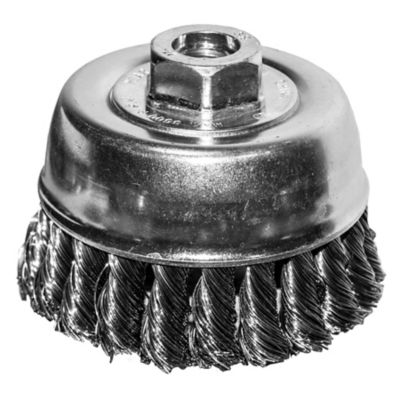
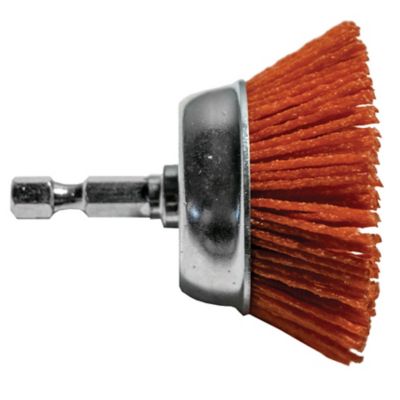
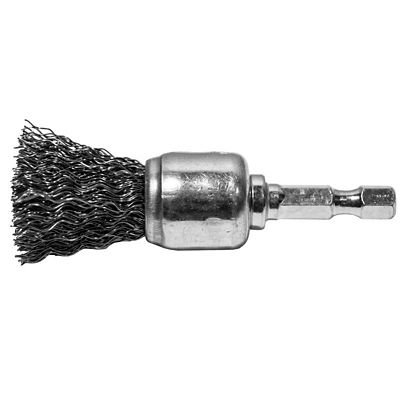
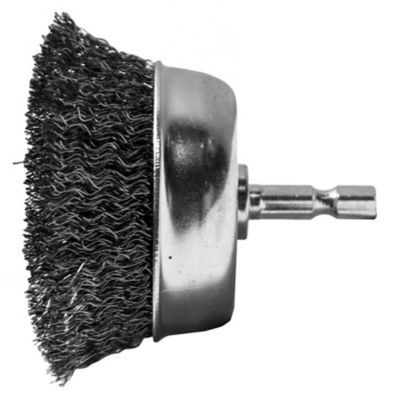
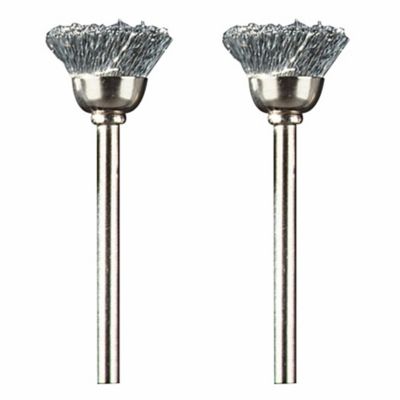
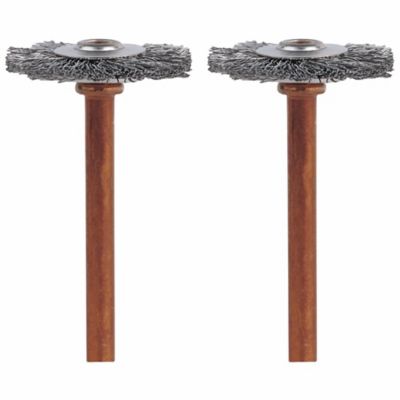
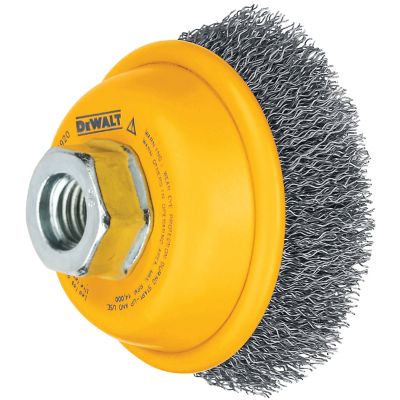
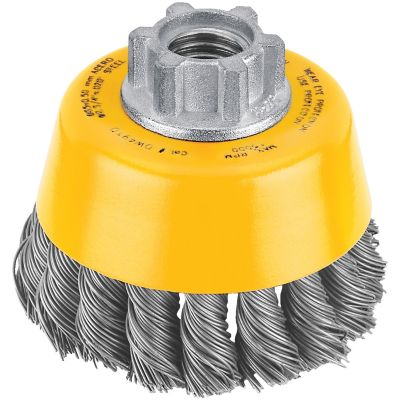
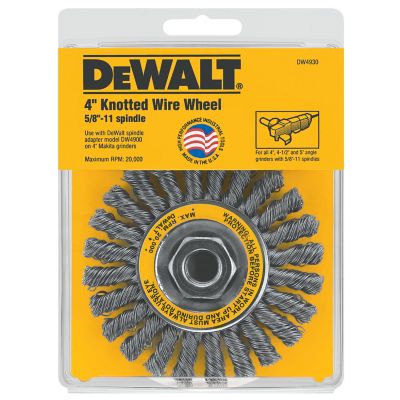
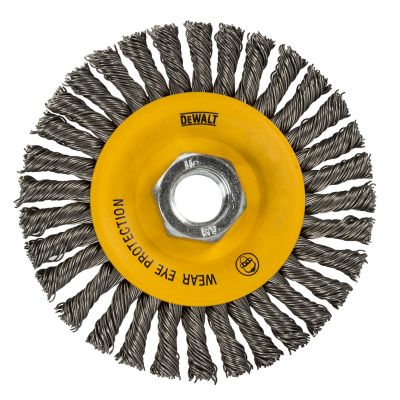
Wire brushes for drills are rotary cleaning attachments that fit a drill chuck and help remove loose rust, flaking paint, scale, and stubborn surface buildup. They turn a corded or cordless drill into a handy tool for metal cleanup around the shop, garage, and farm. A rusty gate latch, a steel bracket headed for repainting, or an implement part pulled onto the workbench can all call for a different brush shape and wire stiffness. Unlike a grinding wheel, a wire brush primarily cleans the surface rather than cutting away substantial amounts of base metal. That makes these attachments useful for exposing sound metal before further preparation, though they will not level a weld bead or erase deep rust pits. Common styles include wire cup brushes, wire wheel brushes, and wire end brushes. Cup brushes spread their bristles across a wider contact area, making them a practical match for accessible flat surfaces such as steel plates and broad brackets. Wheel brushes bring the wire into contact along a narrow outer edge, which helps with seams, edges, and channels where a cup would be awkward. End brushes concentrate their bristles into a smaller working area for corners, recesses, and some openings, provided the brush has enough clearance to rotate freely. Brush diameter matters as much as shape: a larger head covers more ground, while a smaller one fits into tighter spaces and can be easier to position around nearby hardware. Many drill wire brushes have a 1/4-inch hex or round shank, but chuck capacity and the attachment’s stated requirements still need to match the drill. Shank size alone does not establish compatibility. A brush intended for an angle grinder is not automatically suitable for a drill, and a drill attachment should not run in hammer or impact mode unless its manufacturer specifically permits it. For equipment owners, welders, maintenance crews, and folks tackling repairs at home, the right match starts with the surface, the space around it, and the tool doing the turning.
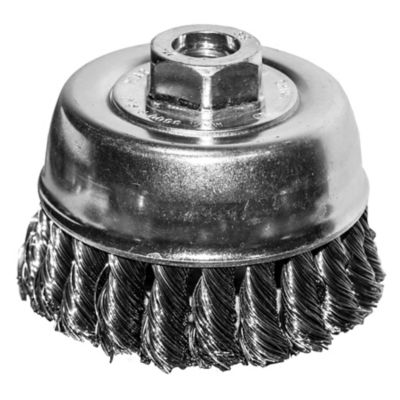
Wire material and construction determine how a drill brush behaves once it meets the work. Carbon steel wire is a common choice for cleaning iron and ordinary steel, including rusty hardware and unpainted shop parts. Stainless steel wire is often selected for stainless steel work to help avoid introducing carbon steel particles that can later rust. Keeping a brush dedicated to one material helps prevent contamination; a stainless wire brush that has already cleaned ordinary steel can carry particles onto the next surface. For aluminum and other softer metals, follow the brush maker’s material recommendations rather than judging suitability by wire color alone. Brass wire is softer than steel wire and may suit certain lighter cleaning tasks, but it can still scratch a surface. Brass-coated steel wire is not the same as solid brass, and neither appearance nor a brass label makes an attachment suitable for work near flammable vapors. Wire thickness and arrangement also affect the finish. Crimped wire has a wavy form that gives the brushing face some flexibility, often making it a good fit for general cleanup and uneven contours. Knotted or twisted wire holds the strands in tighter groups for more aggressive cleaning, but the attachment must still be specifically rated for drill operation. A coarse brush can leave marks on softer metal, thin sheet material, or finished surfaces, so a less aggressive option may be the better starting point when appearance matters. Testing an out-of-sight spot helps show how the wire will affect the surface. On a steel hinge plate, the goal may be removing loose corrosion without rounding an edge; on a bracket headed for paint, it may be clearing flaky material while leaving firmly attached metal alone. Brush selection also affects service life. Forcing stiff wire into a narrow gap or pressing hard enough to bend the bristles can wear the attachment faster without improving the cleanup.
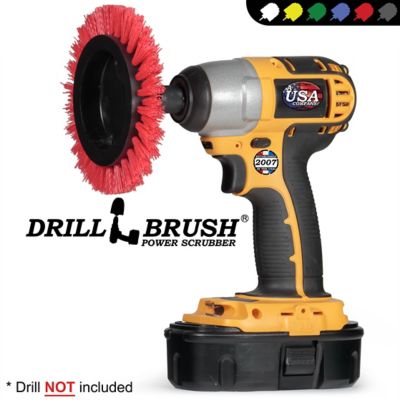
Fit, speed rating, and safe handling deserve a close look before any wire brush goes into the chuck. The drill’s operating speed must stay within the brush’s maximum RPM rating, with the attachment secured according to both manufacturers’ directions. A variable-speed drill offers control, but it does not replace checking the ratings. Light, steady contact lets the wire tips do the work; leaning heavily on the drill can bend the wires, increase fatigue, and make the tool harder to control. Small parts need secure support or clamping rather than a handhold near the spinning brush. Flying wire fragments and loosened debris are real hazards, so suitable eye protection is essential, with a face shield added where the task calls for it. Close-fitting clothing, secured hair, and a clear work area help keep loose material away from rotating parts. Rust and coating dust also need attention. Old or unknown paint may contain lead or other hazardous ingredients, so testing and an appropriate removal method come before powered brushing. After cleaning, the surface may still need degreasing, additional preparation, and a compatible protective coating; wire brushing alone does not make every piece ready for paint. Brush care is straightforward: disconnect the drill from power before changing attachments, inspect the shank and wire head for damage, and store brushes dry where the bristles will not be crushed. Bent shanks, damaged hubs, or excessive wire loss are reasons to replace an attachment rather than push through another job. Keeping metal-cleaning brushes separate from household cleaning attachments also helps prevent scratches and transferred debris. Tile and grout call for a different approach, with nonmetallic bristles matched to the surface;
Drill Brushes For Grout Cleaning covers that separate cleaning category. For metalwork, matching the wire, shape, and shank to the task helps keep cleanup controlled, whether the next job is a gate repair, a mower bracket, or another piece waiting on the bench.