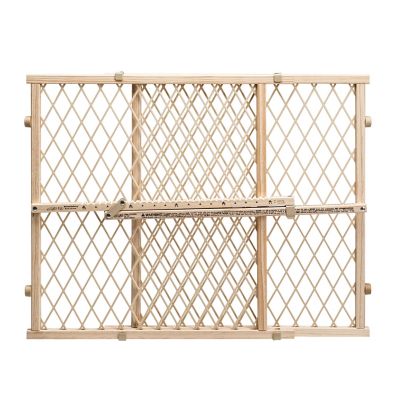
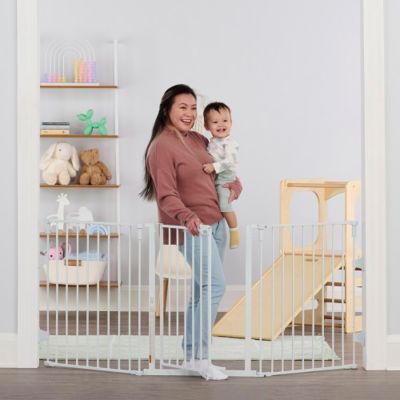
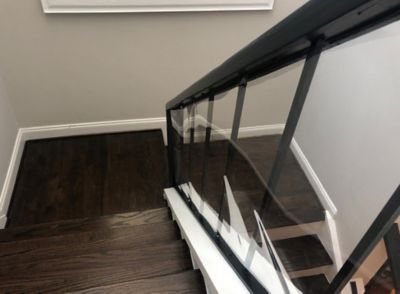
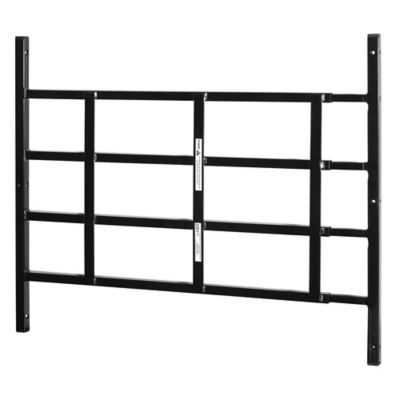
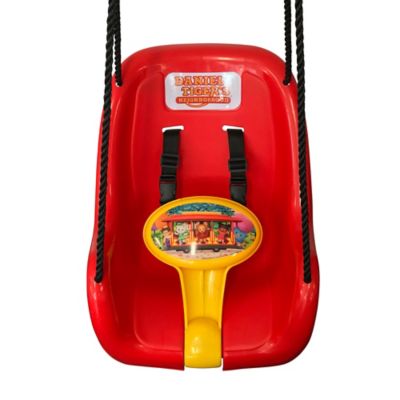
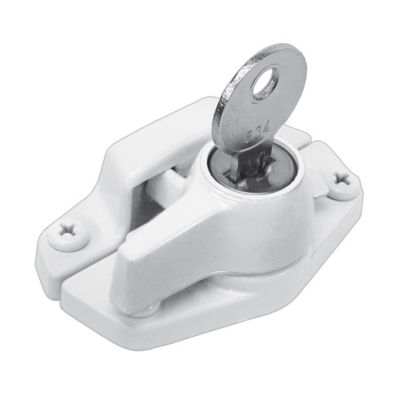
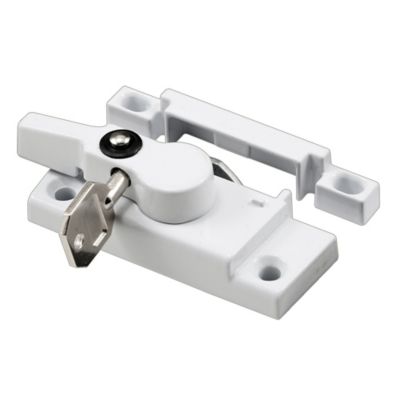
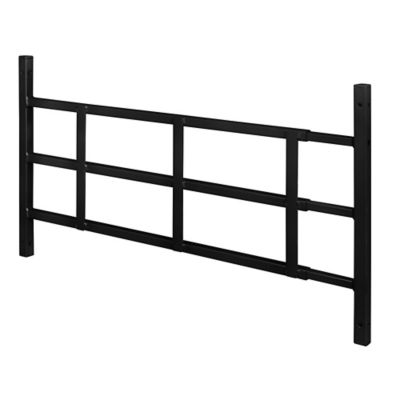
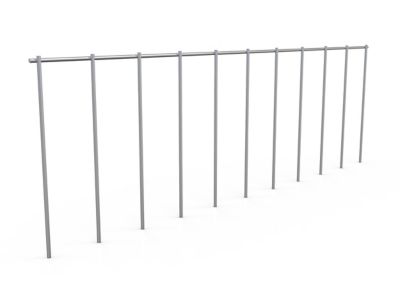
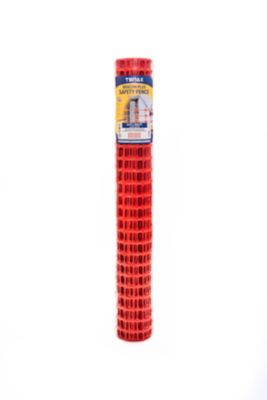
Children’s safety products help families make everyday spaces safer for little ones as they grow, explore and gain new skills. A crawling baby can turn a quiet room upside down in minutes, while a newly walking toddler may reach doorknobs, climb furniture and investigate every cabinet in sight. A thoughtful safety setup can help reduce common hazards in the kitchen, nursery, bathroom, living room, garage and outdoor areas without making the whole house feel off-limits. When shopping, start with the child’s age, height, mobility and habits, then look closely at the areas where supervision is hardest. Families in older farmhouses, busy homes, rental properties and multi-level houses may need a mix of solutions rather than one general approach. Barriers can help block stairs, porches, workshops, utility rooms and other restricted areas, while door and lever locks can help keep children away from garages, basements, sheds and exterior doors. Pressure-mounted barriers may work well in some doorways when no drilling is desired, but hardware-mounted options are generally better suited for the top of stairs or other locations where a firm, permanent installation matters. Always follow the manufacturer’s directions, check that hardware is secured into an appropriate surface and inspect the fit from time to time. A gate that worked well for a small baby may need to be adjusted or replaced once a child starts climbing, pulling or pushing with more strength.
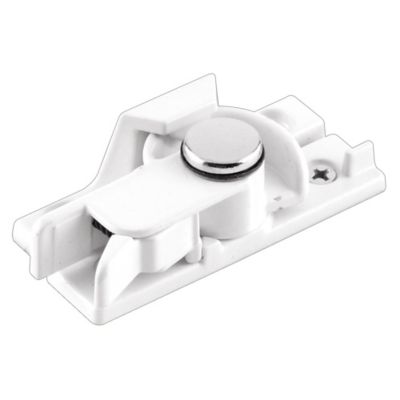
Look for children’s safety products made from sturdy, easy-to-clean materials and sized for the space where they will be used. Cabinet and drawer latches can help keep cleaning products, medicines, tools, batteries, sharp utensils and other tempting items out of reach, while stove control covers and appliance locks can add another layer of protection in a busy kitchen. Outlet covers and sliding outlet plates can help limit access to unused electrical outlets, but they should be installed correctly and checked regularly for looseness or damage. Furniture anchors are an important consideration for dressers, bookcases, shelving units, televisions and other heavy items that could tip if a child climbs or pulls on them. Secure furniture according to the instructions and avoid placing toys or favorite items high enough to encourage climbing. Soft corner and edge guards may cushion the sharp edges of tables and counters, especially in playrooms and family rooms where children spend a lot of time moving around. Door knob covers, lever locks and similar devices can help keep children from entering spaces with stairs, water heaters, tools or other hazards. In bathrooms, guards for hot-water controls may help prevent accidental changes in temperature, but they do not replace a caregiver’s supervision or safe water-temperature practices. Check product labels for age and weight recommendations, inspect for cracked plastic, loose adhesive or worn straps, and replace anything that no longer stays firmly in place. Choosing items that have been tested to recognized safety standards, including applicable ASTM International standards, can offer helpful information as you compare options, though proper installation and attentive supervision remain essential.
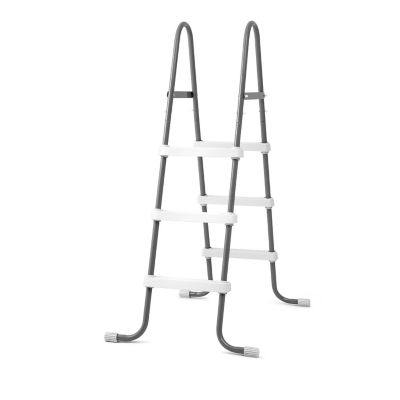
These products can be useful for parents, grandparents, foster families, childcare providers and anyone preparing a home for visiting children. They also make practical gifts for a new baby, a first birthday, a housewarming or relatives setting up a guest room for grandchildren. A useful gift may be a small collection of basic safety items matched to the recipient’s home, rather than a one-size-fits-all package, since a ranch-style house, a two-story home and a small apartment often call for different solutions. Before buying, consider whether the child spends time around pets, wood stoves, laundry areas, workshops, ponds, livestock or outdoor equipment, and make a list of places that require extra attention. As the weather warms, children may spend more time on porches, in yards and near water, so families should create clear boundaries around pools, stock tanks, ponds and other water sources. Along with close, constant supervision, secure barriers and properly maintained access controls, families may also want to review
Pool Safety Equipment for added protection around swimming and recreation areas. During the cooler months, more time indoors can bring new concerns around fireplaces, space heaters, cooking areas, stairs and crowded family rooms. Keep safety products in good working order through every season, and revisit the setup whenever furniture moves, a child reaches a new milestone or the family welcomes a new visitor. A few minutes spent checking a latch, tightening an anchor or testing a barrier can make a real difference in keeping children free to play, learn and enjoy the home with fewer preventable hazards.