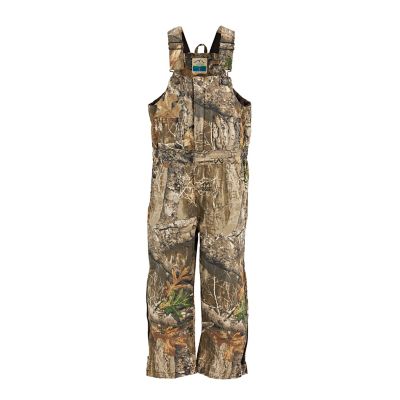
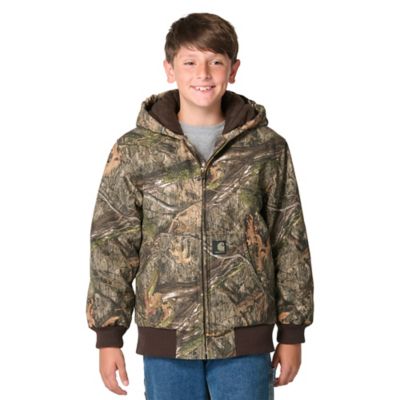
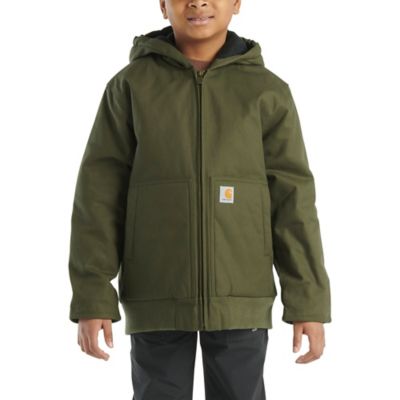
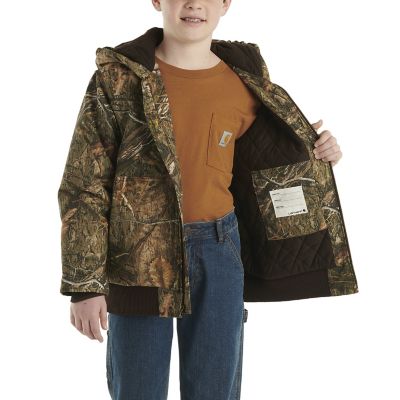
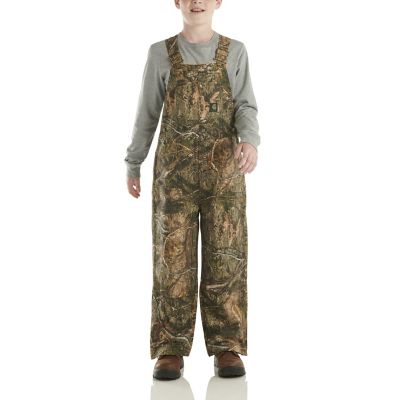
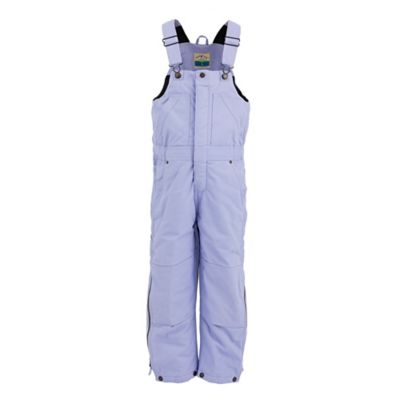
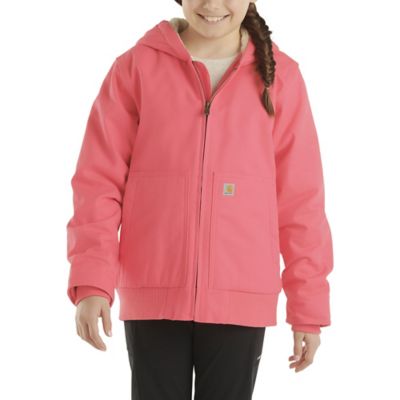
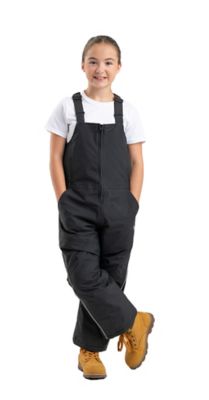
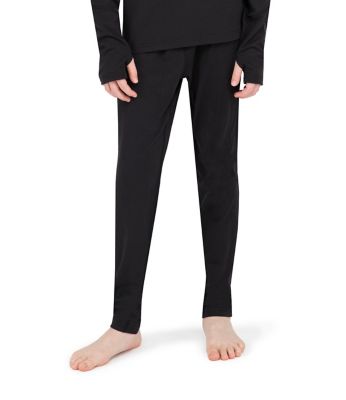
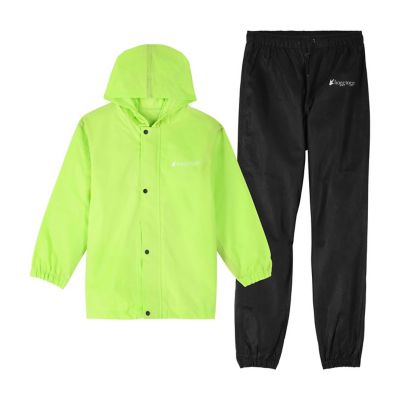
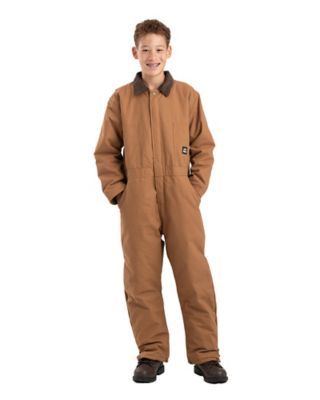
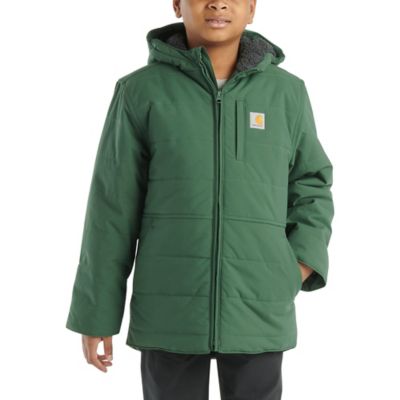
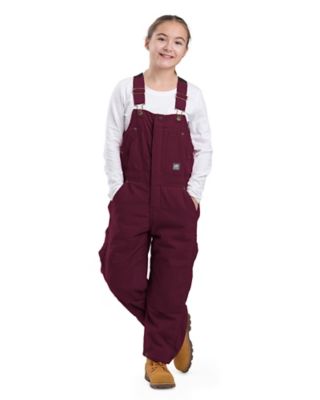
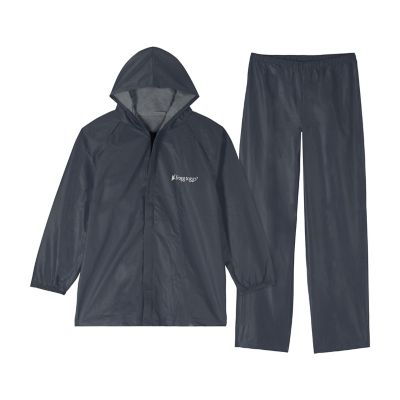
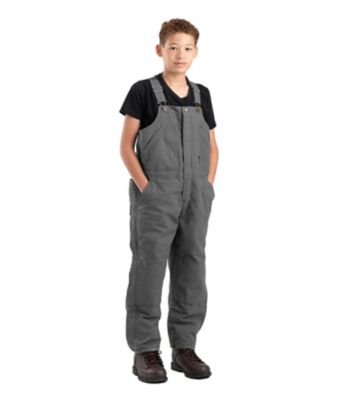
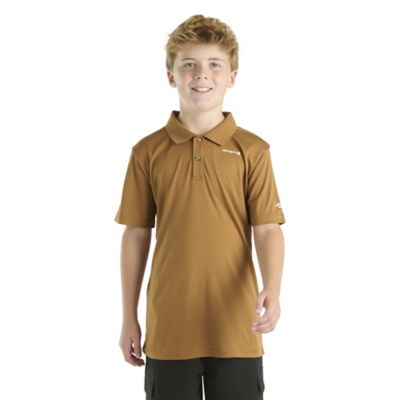
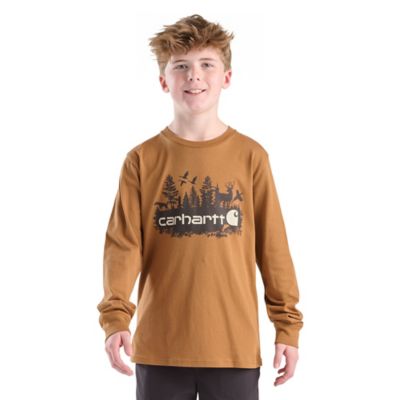
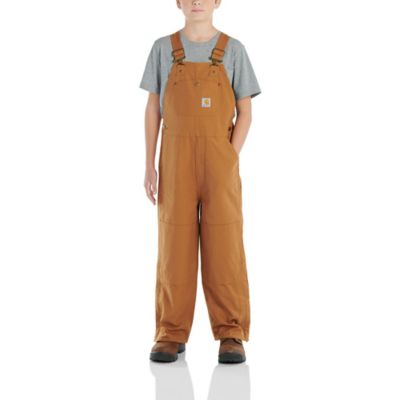
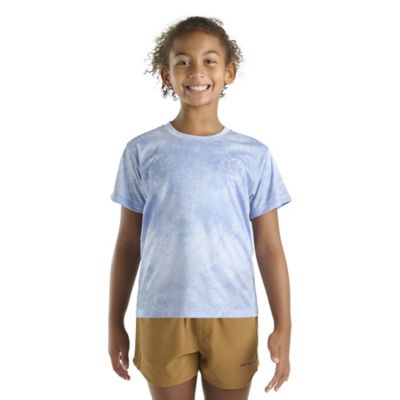
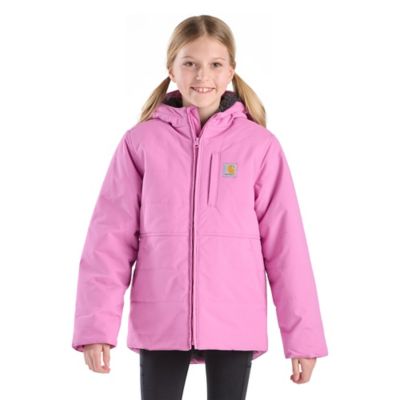
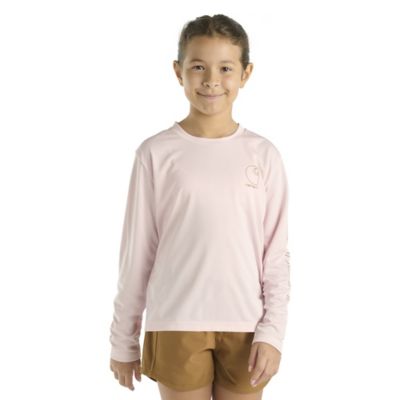
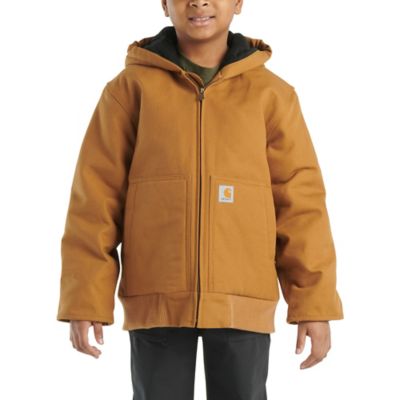
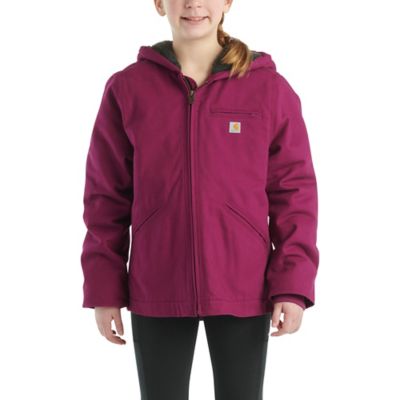
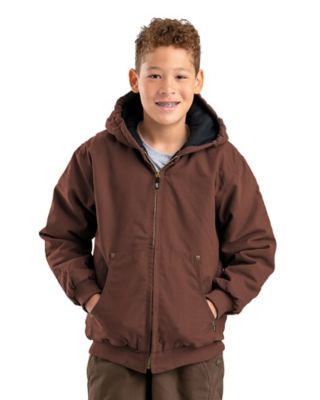
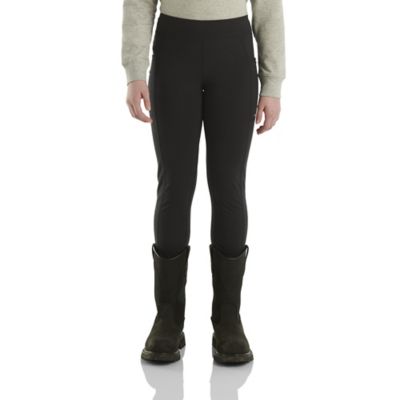
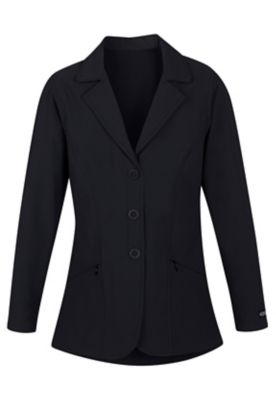
Children's outdoor apparel gives kids room to climb, explore, help with chores, and settle in beside the campfire without clothing getting in the way. The right combination depends on the activity, how much protection is needed, and how easily each layer works with the next. Base layers sit close to the skin and help manage moisture; insulating layers hold warmth; outer layers provide protection from wind, rain, or snow, depending on their construction. Polyester and other synthetic fabrics often dry faster than cotton, making them practical for active play and damp conditions. Merino wool can help manage moisture and warmth, while cotton offers a soft, familiar feel for everyday outings where staying dry is less of a concern. Fleece adds warmth without much weight, and smooth-faced woven fabrics can be easier to brush clean after a walk through the pasture or a muddy afternoon at the park. For rain protection, waterproof fabric, sealed seams, and covered or water-resistant closures matter more than a water-repellent finish alone. Water-resistant clothing can handle light moisture, but it is not the same as a fully waterproof layer built for prolonged exposure. Breathability matters, too, particularly for children who go from standing still to running full tilt in a matter of seconds. For outings that call for less insulation,
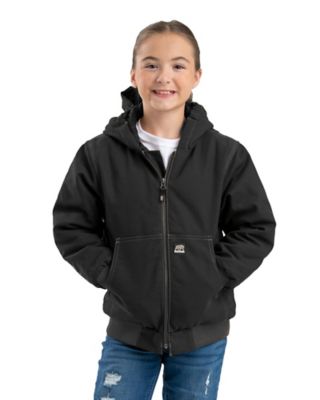
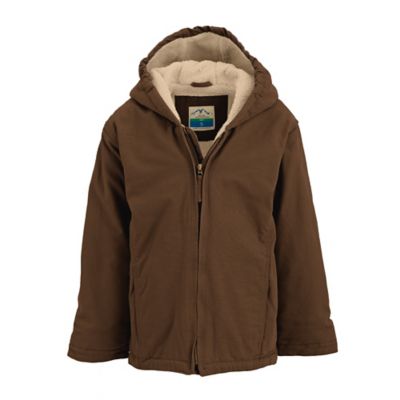
Children's Lightweight Coats can provide an outer layer without the weight of a heavily insulated coat. A roomy cut makes layering easier, while a compact design can fit into a daypack when it is no longer needed. The most useful children's outdoor clothing matches the job at hand, whether that means kneeling beside a garden bed, walking a wooded trail, or watching a sibling's game from the sidelines. Clothing for those different outings may share practical details, but the balance of warmth, moisture protection, stretch, and fabric weight can be quite different.
Fit has a big say in how comfortable outdoor clothing feels once a child starts moving. A coat that looks fine while standing still may pull across the shoulders when reaching for a branch, and pants that fit at the waist may feel tight when crouching to inspect a creek bank. Room through the shoulders, elbows, seat, and knees supports natural movement, while shaped sleeves, stretch panels, and gusseted construction can reduce pulling in active areas. Enough space for a base layer or fleece is helpful, but excessive room can leave sleeves covering hands and pant hems dragging through mud. Adjustable waistbands and cuffs can fine-tune the fit without turning clothing into something a child has to wrestle with. Children's sizes vary by maker, so height, chest, waist, and inseam measurements tell more than an age label alone. For outerwear, the fit should account for the layers underneath as well as the child's usual activities. Reinforced knees and seats make sense for children who spend plenty of time crawling, kneeling, or sliding down grassy banks. Closely woven fabrics, sturdy stitching, and reinforced pocket openings also matter where clothing sees repeated rubbing and pulling. Soft linings, smooth seams, and covered zipper tops can make a difference for children bothered by scratchy edges near the chin or wrists. Easy-to-grip zipper pulls and straightforward closures help younger kids handle more of their own dressing, while pockets with secure closures give older children a place for small trail finds. Drawstring-free neck and hood designs are worth considering for younger children, especially around playground equipment. Bright colors can make a child easier to spot across a yard or beside a trail, and reflective details can improve visibility in low light, though neither replaces adult supervision. Patterns and colors also give kids a say in what they wear, which often makes getting out the door a little easier.
Everyday outdoor clothing earns its place through repeated wear, comfortable movement, and care that fits family life. A child carrying feed with an adult may need abrasion resistance and washable fabrics, while a child on a long walk may benefit more from low weight, flexible layers, and moisture management. For snow play, insulation and moisture protection serve different purposes: insulation helps retain body heat, while the outer fabric and seam construction help limit water getting through. Gloves, hats, and other accessories should work with the rest of the outfit rather than leave awkward gaps at the wrists or neckline. Longer jacket hems can provide coverage when sitting or bending, and cuffs that fit comfortably over or under gloves help keep the layers together. Clothing that comes off easily also makes bathroom stops, car rides, and breaks less of a production. Care requirements are another part of choosing apparel for active kids. Mud, grass marks, and dusty cuffs are part of the territory, so washable fabrics and clear care labels matter. Loose dirt is often easier to brush away once it has dried, while lingering stains may need treatment suited to the fabric. Waterproof membranes, water-repellent finishes, wool, and insulated garments can each have different washing and drying requirements. The care label takes priority, since excess heat or an unsuitable cleaning product can affect fabric performance. Keeping clothing clean and fully dry before storage helps it stay ready for another outing, and checking seams, closures, and high-friction areas can reveal small repairs before they grow. Outdoor apparel can also make a thoughtful gift for a child who enjoys camping, fishing with family, exploring the backyard, or tagging along for chores. Measurements, sensory preferences, and favorite activities are more useful than guessing from age alone. A comfortable fit and practical features give the child something that belongs in everyday adventures, from the first gate opened in the morning to the walk back to the house.