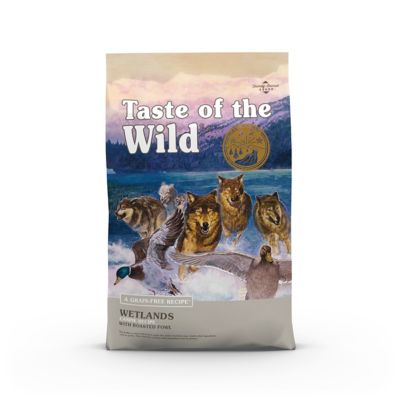
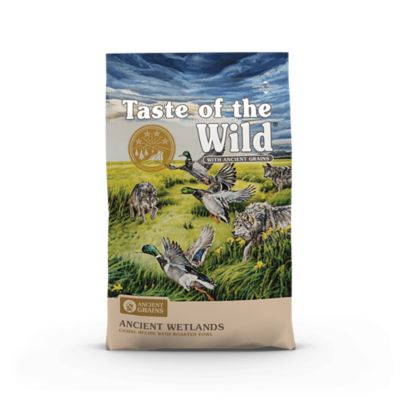
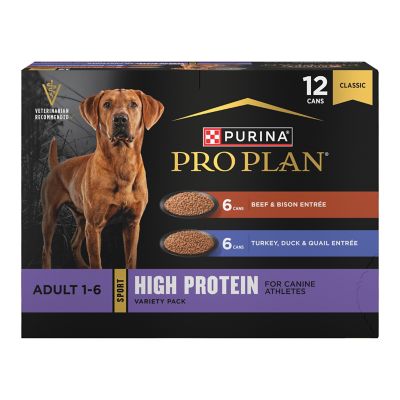
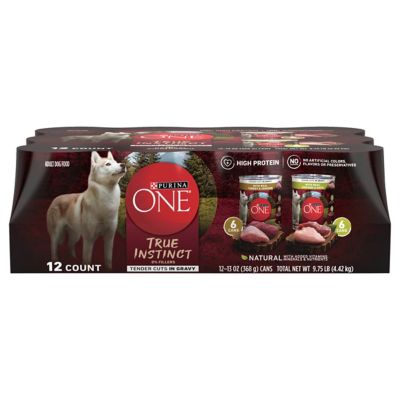
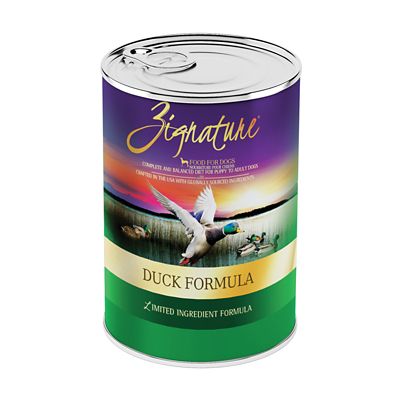
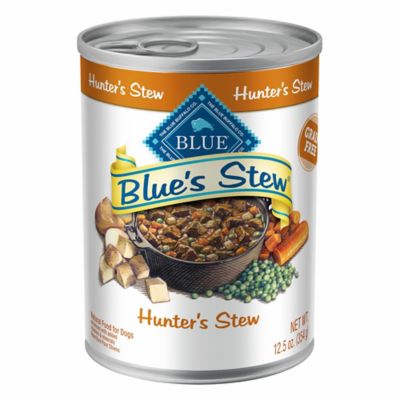
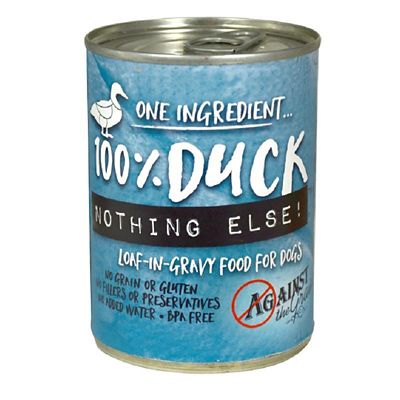
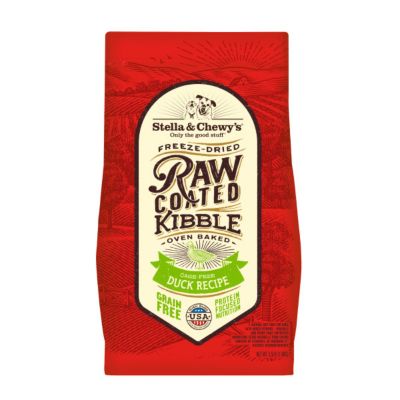
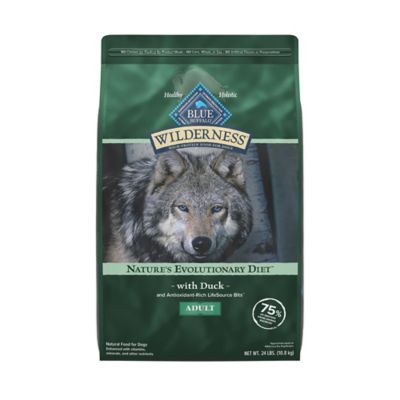
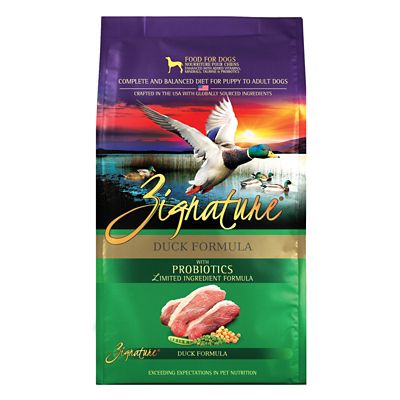
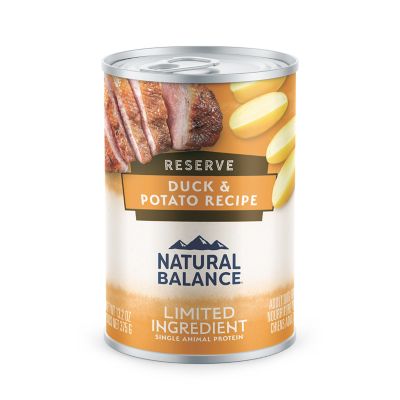
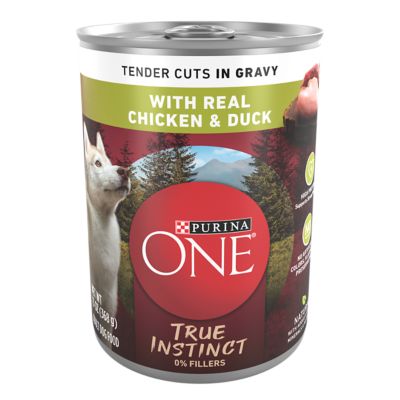
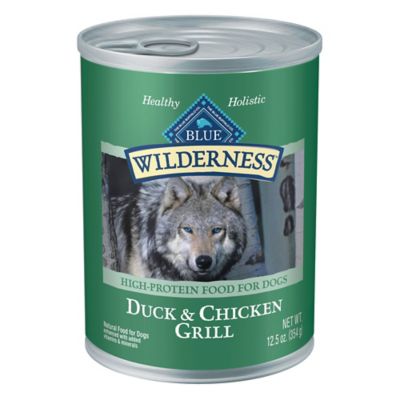
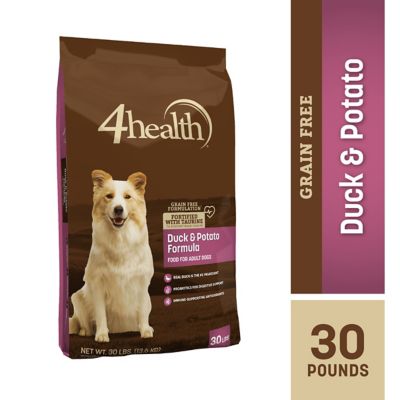
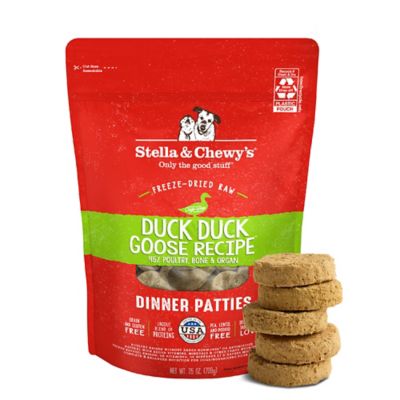
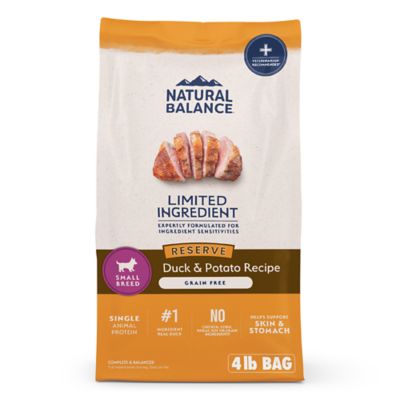
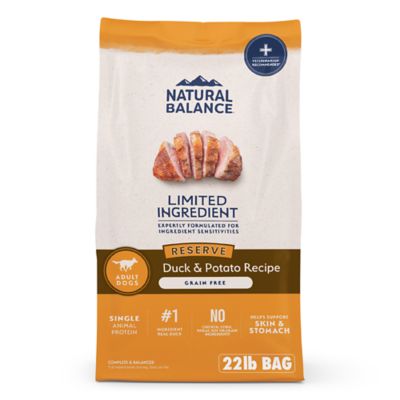
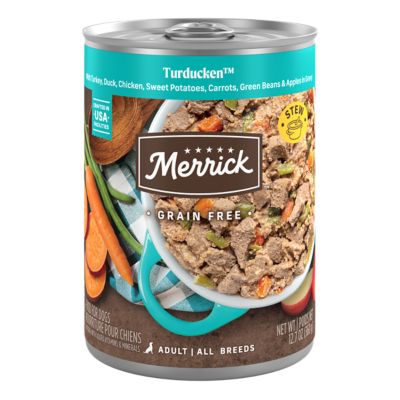
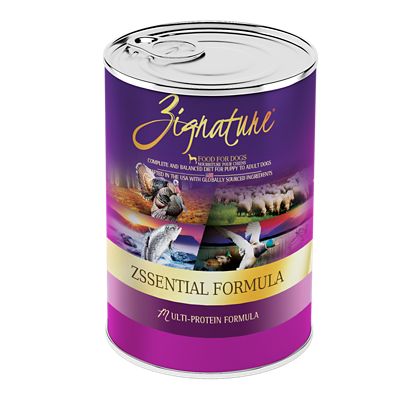
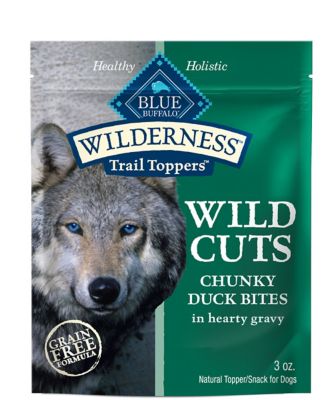
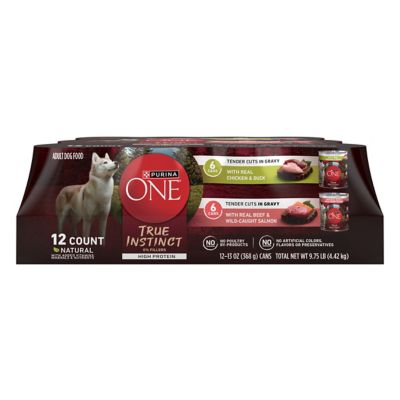
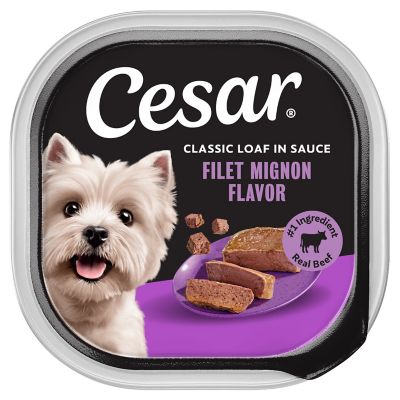
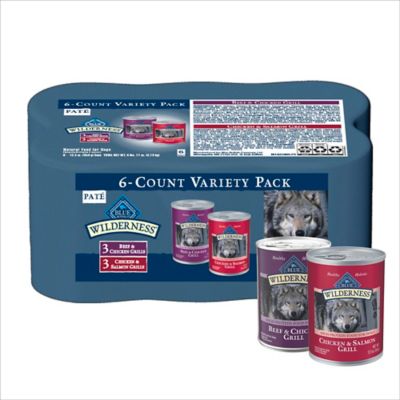
Duck-flavored dog food offers a savory option for everyday feeding, with dry kibble, wet food, and other meal formats bringing different textures to the bowl. Duck supplies animal protein when it is part of the recipe, helping provide amino acids that support muscles and normal body functions. But duck flavor and duck as the main protein source are not the same thing. A food described as duck-flavored may contain other animal proteins, so the ingredient list matters more than the flavor name alone. Duck, duck meal, chicken, beef, fish, eggs, and other ingredients can appear together in a recipe. Duck meal is a rendered ingredient with much of its moisture removed, while fresh duck contains more water; neither ingredient by itself tells the whole story about the finished food. The full formula, its nutritional adequacy statement, and its fit for your dog are what count. Some duck recipes contain grains such as rice, oats, or barley, while others get carbohydrates from ingredients such as potatoes or peas. Grain-free does not automatically mean a better fit, and a duck recipe does not automatically mean grain-free. Likewise, limited-ingredient food generally has a shorter ingredient list, but that wording alone does not establish whether a food will suit a particular sensitivity. Duck may be a novel protein for a dog that has never eaten it before, but it is not novel for every dog and is not automatically hypoallergenic. A dog that has eaten duck meals or treats already has a different feeding history from one that has only eaten chicken-based food. For families considering duck because of recurring itching, ear trouble, or digestive upset, a veterinarian can help sort out possible causes rather than assuming the protein is to blame. For dogs without those concerns, duck-based food can simply be another everyday meal choice, provided the recipe delivers complete and balanced nutrition for the appropriate life stage.
Texture and portion size make a real difference when matching duck dog food to the dog waiting beside the feed bin. Dry duck dog food is easy to measure into regular meals, and kibble size can affect how comfortably a small mouth or a larger jaw handles each bite. Crunchy food should not be treated as a substitute for brushing or veterinary dental care, though. Wet duck dog food brings more moisture and a softer texture, which may suit dogs that prefer a tender meal or have trouble chewing hard pieces. Dental pain still calls for veterinary attention rather than a food change alone. Mixing wet and dry food can offer a different texture, but both portions need to count toward the same daily calorie allowance. A scoop of kibble and a spoonful of wet food are not nutritionally interchangeable by volume, and feeding amounts can vary considerably from one formula to another. The calorie information and feeding directions provide a starting point, with adjustments based on body condition, activity, age, and veterinary advice. A dog riding along for farm chores may have different energy needs from a house companion that spends most of the day stretched out by the door, even if the two weigh the same. Puppies need food appropriate for growth, and large-breed puppies need a formula suitable for their particular growth requirements. Adult maintenance food is intended for adult dogs, while an all-life-stages formula should still be checked for any size-related growth exclusions on the label. Older dogs also differ in appetite, activity, and medical needs; the word senior alone does not settle those questions. A complete and balanced duck recipe can serve as the main meal, while a topper or food labeled for intermittent or supplemental feeding should not take its place. That distinction matters when an enthusiastic eater would happily make an entire supper out of a tasty meal addition.
Keeping duck-flavored dog food fresh and the feeding routine steady helps the meal fit into everyday life. Dry food belongs in a cool, dry place with the bag closed tightly between feedings. Keeping the original bag inside a clean, tightly covered container preserves the ingredient list, feeding directions, lot number, and best-by information while helping protect the food from moisture and pests. Topping off a bin without cleaning it can leave older crumbs and oils behind, so the container needs attention between bags. Wet food needs prompt refrigeration after opening, following the package directions for covering, storage time, and serving. Food left in the bowl should be handled according to the label rather than sitting out until the next meal, and bowls and measuring tools need regular washing. When changing recipes, a gradual transition over about a week often helps dogs adjust, although some need a slower pace or a veterinarian’s feeding plan. Mixing increasing amounts of the new food with decreasing amounts of the previous food keeps the change manageable without making every meal a new experiment. Watching appetite, stool consistency, and body condition gives a more useful picture than whether the bowl gets licked clean on the first try. Treats deserve a place in that same feeding picture.
Duck Dog Treats can complement everyday training and rewards, but their ingredients still matter, and sharing a duck label does not mean a treat matches a meal’s full protein profile. Treat calories generally should stay within about 10 percent of a dog’s daily intake unless a veterinarian recommends otherwise. For a dog following a prescribed elimination diet, even a small bite of another food can interfere with the trial, so rewards need veterinary approval. Whether supper follows a walk down the lane or a quiet afternoon at home, a well-matched duck formula combines appealing flavor with appropriate nutrition, sensible portions, and a routine that is easy to keep.