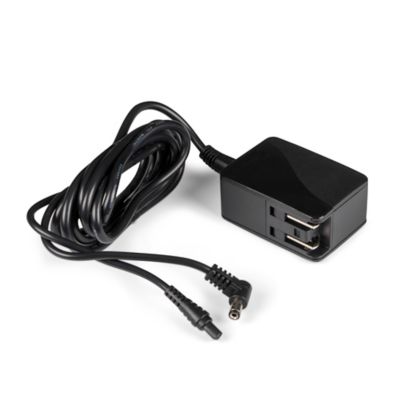
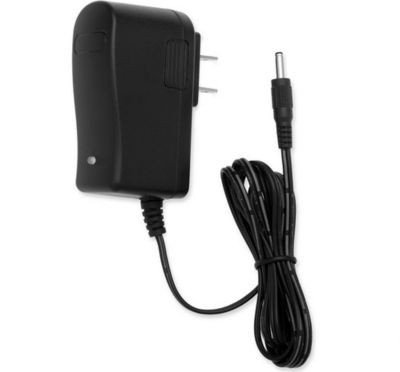
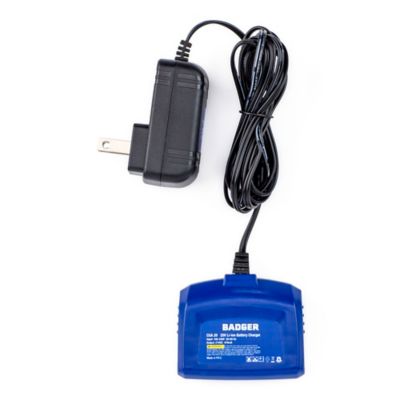
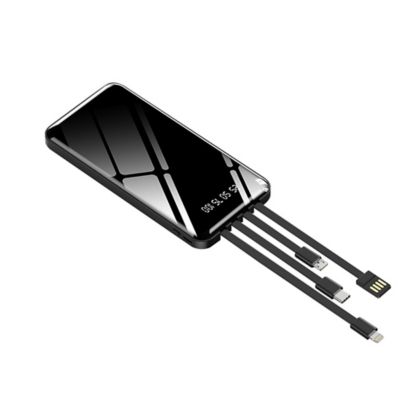
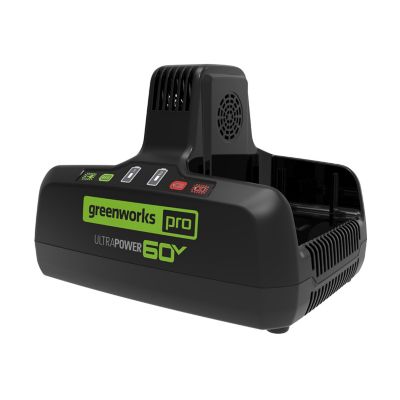
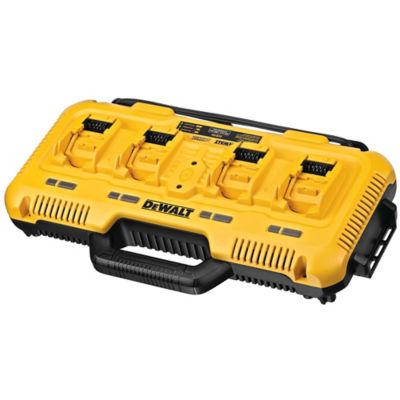
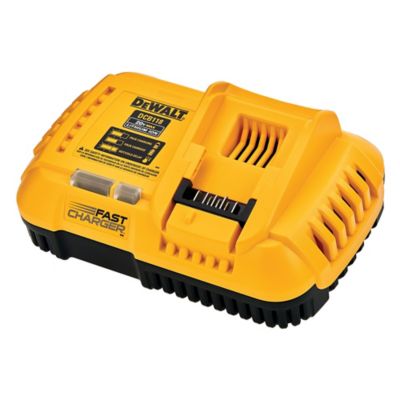
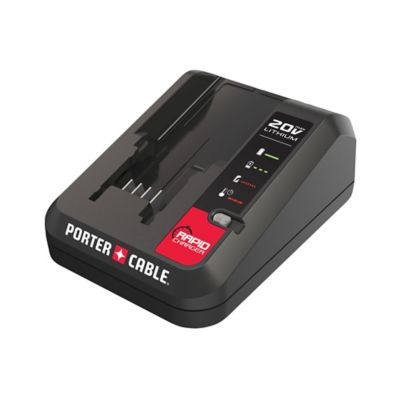
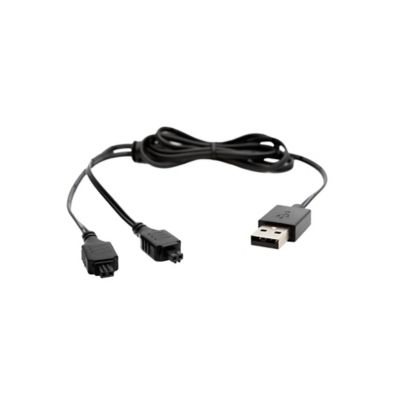
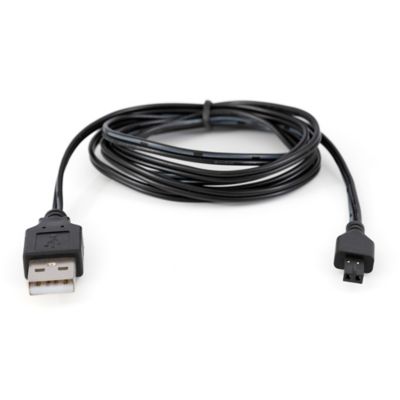
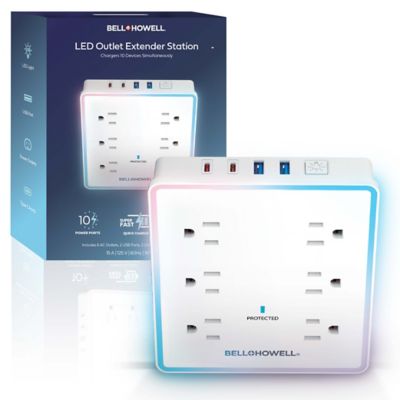
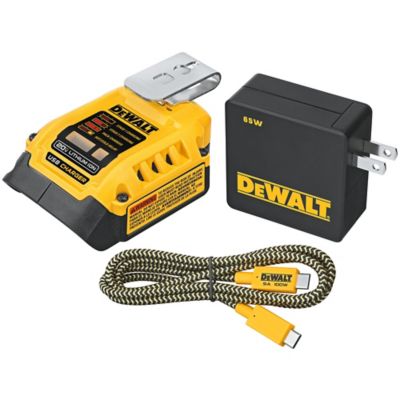
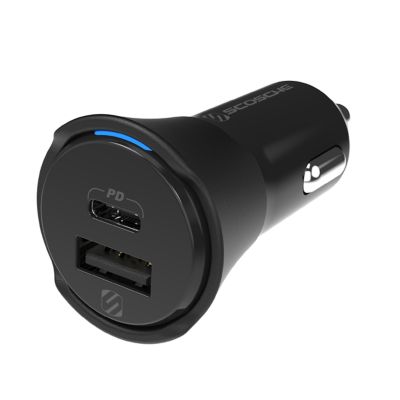
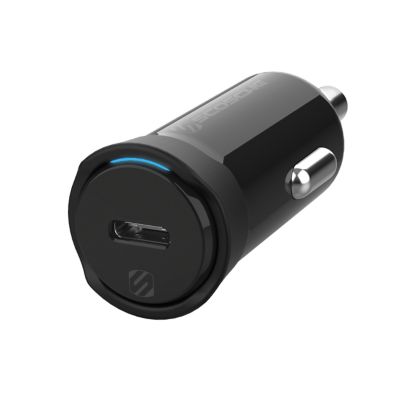
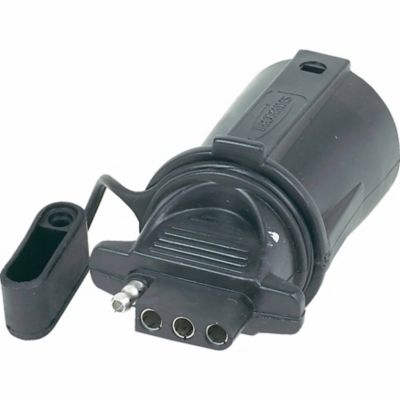
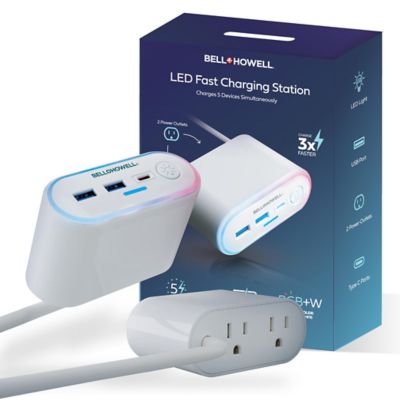
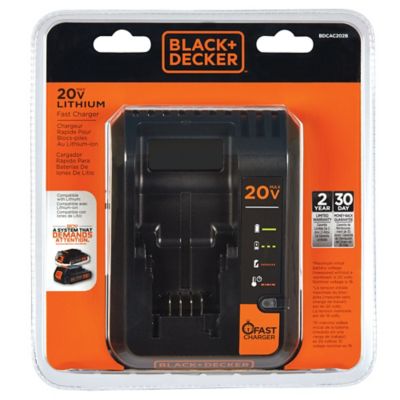
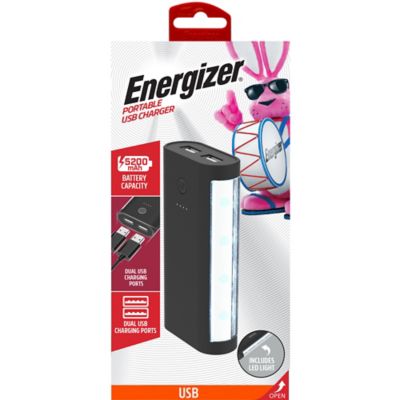
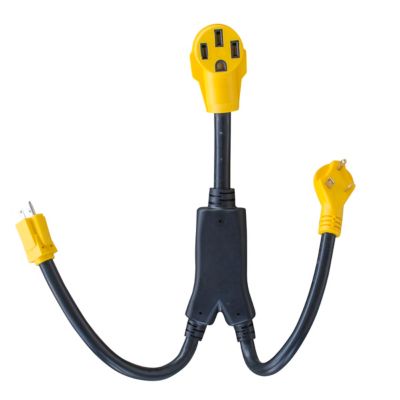
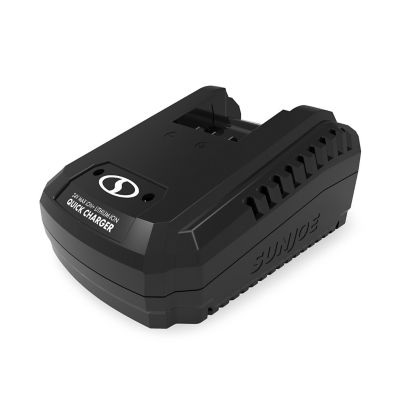
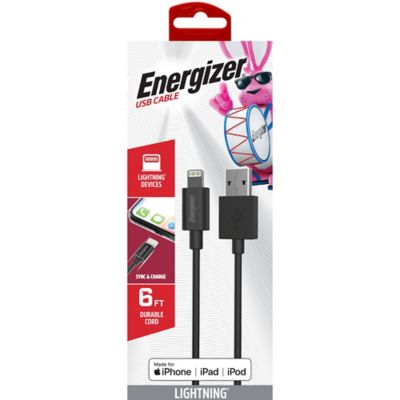
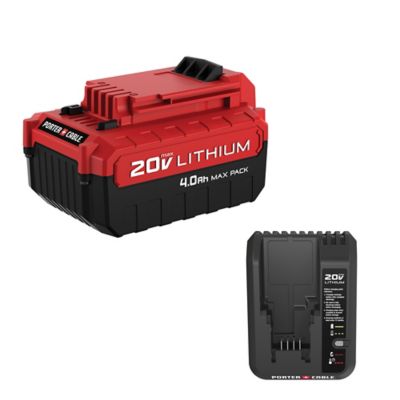
Charging adapters help keep everyday electronics, tools and battery-powered equipment ready for the work ahead. In simple terms, an adapter connects a power source to a device or battery so electrical energy can move safely where it needs to go. Most people think of charging adapters for phones, tablets, laptops, radios and other small gadgets, but the same basic idea applies to many devices used around a farm, shop, home or campsite. A compatible adapter can be handy beside the kitchen counter, in a work truck, at a hunting cabin or on a crowded workbench where several pieces of equipment need power. During the cooler months, it is especially useful to have dependable charging close at hand, since cold weather can drain batteries faster and outdoor work often leaves less time to hunt for a working cord. When comparing charging adapters, start with the device or battery manufacturer’s requirements. Check the connector shape, voltage, amperage, wattage and charging standard, then make sure the adapter is intended for that type of equipment. A plug that fits physically may not be the right electrical match. Many newer devices and charging blocks communicate with each other and adjust the flow of power to the safe amount the device can accept, but that protection depends on using a properly rated adapter and an undamaged cable. Matching the adapter to the job helps prevent slow charging, unreliable connections and unnecessary wear on the battery.
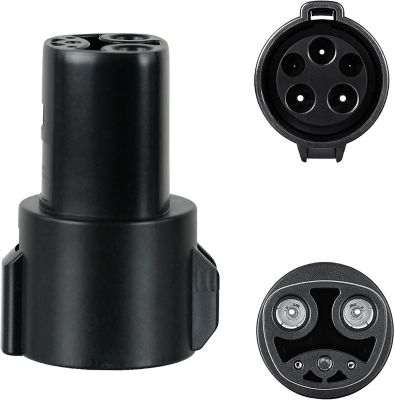
Charging speed matters, but it is not the only thing worth considering. A higher-wattage adapter may charge compatible equipment more quickly, while a lower-power option may be a better fit for overnight charging or smaller electronics. Batteries commonly charge more slowly as they get close to full, and many modern devices reduce the power rate past roughly 80% to help manage heat and protect long-term battery life. Excess heat is harder on batteries than a little extra time on the charger, so keep charging equipment in an open, dry spot with good airflow rather than under bedding, inside a closed toolbox or in direct sunlight. Avoid using cords with cracked insulation, bent connectors, loose plugs or signs of scorching, and replace damaged charging gear instead of taping it up for one more season. Moisture deserves extra attention around barns, sheds, livestock areas and outdoor outlets. Use equipment only as directed, keep connections off damp ground and choose an adapter rated for the environment where it will be used. For vehicles and larger battery systems, confirm the charging level and outlet requirements before plugging in. A standard household connection may provide slower Level 1 charging, while higher-powered setups require the correct circuit, equipment and installation. Electric vehicle owners should follow the vehicle and charger instructions closely, especially when charging near a detached garage or along a long driveway. These small checks can make charging more dependable and help avoid nuisance tripped breakers, overheated cords or a dead battery when the morning chores are waiting.
Charging adapters also make practical gifts for someone who is always carrying a low-battery phone, heading out with a cordless tool or keeping a camper, trailer or work vehicle supplied with power. They are useful for college students, road-tripping families, hunters, anglers, drivers, contractors, caregivers and anyone who spends long hours away from a wall outlet. A spare adapter in a glove box can be a quiet lifesaver when a navigation device runs low on the way to a job, while one in a barn office can keep a radio or phone ready during a full day of feeding and maintenance. Before giving one as a gift, take a quick look at the recipient’s device, charging port and power requirements; a photo of the label or a note showing the voltage and wattage can help prevent a mismatch. It is also worth thinking about cord length, portability and how the adapter will be stored. A compact option travels easily, while a longer reach can be helpful beside a bed, workbench or truck seat. People who use several battery-powered devices may benefit from organizing their charging area and labeling cords so the right adapter is easy to grab when the weather turns cold or the day starts before sunrise. For more ways to keep batteries, connections and power equipment in working order, visit
Battery Accessories. With the right match, sensible heat management and a clean, dry place to charge, an adapter can become one of those everyday essentials that quietly keeps work, travel and home life moving.