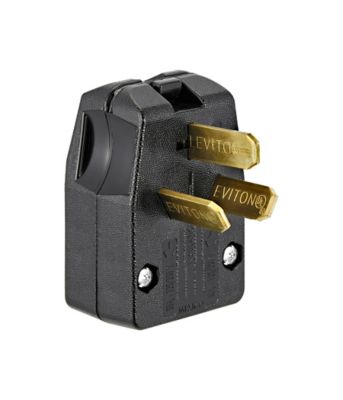
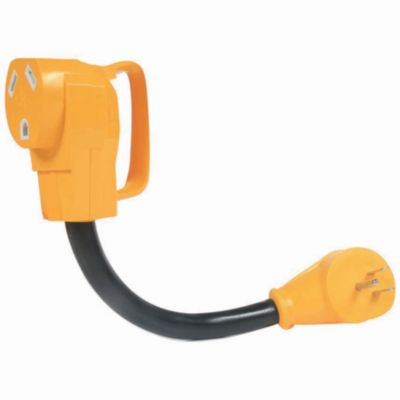
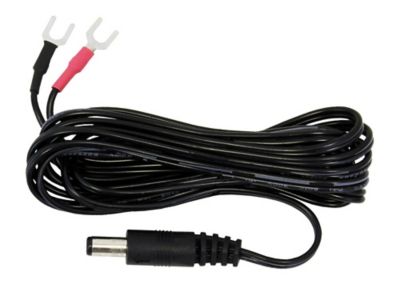
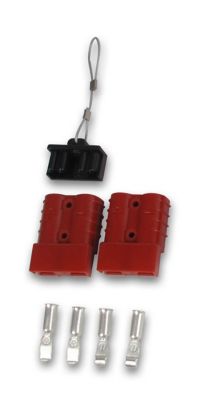
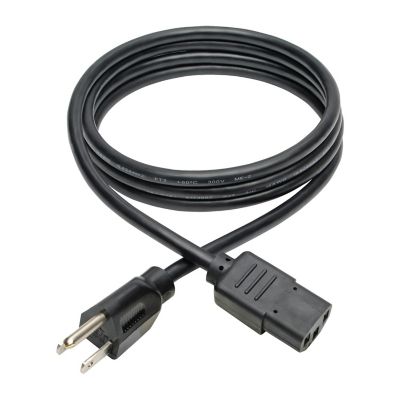
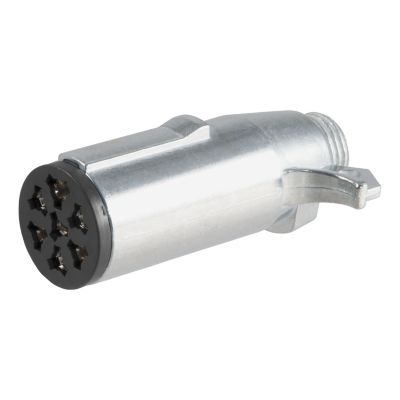
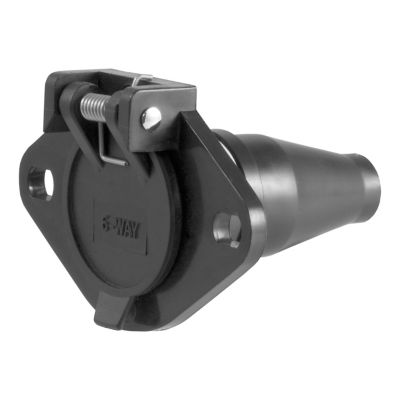
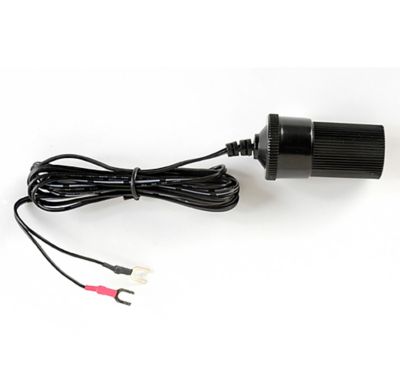
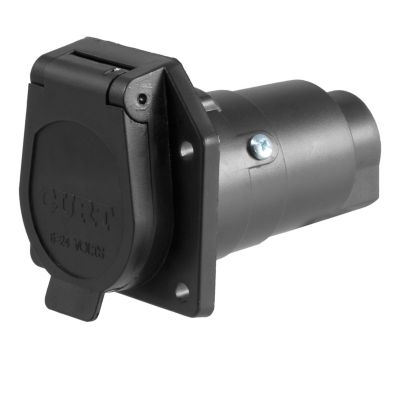
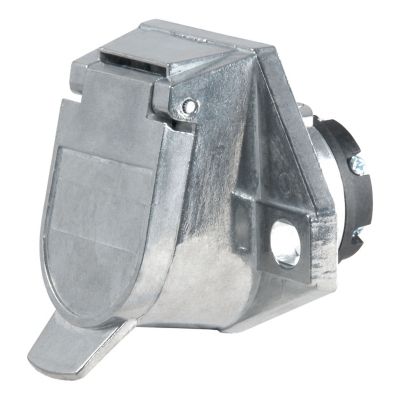
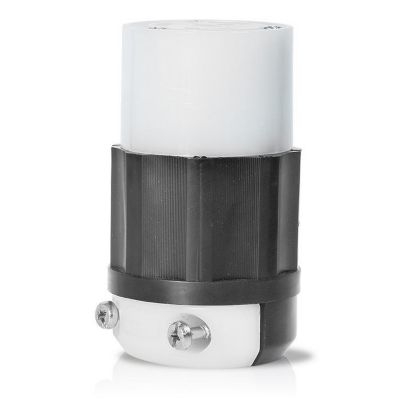
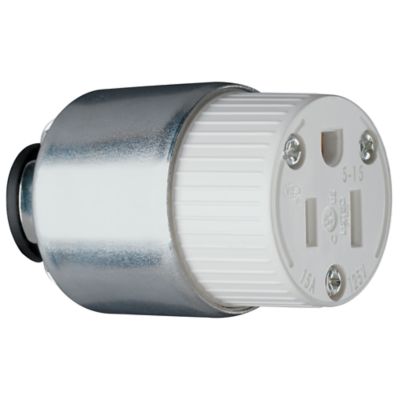
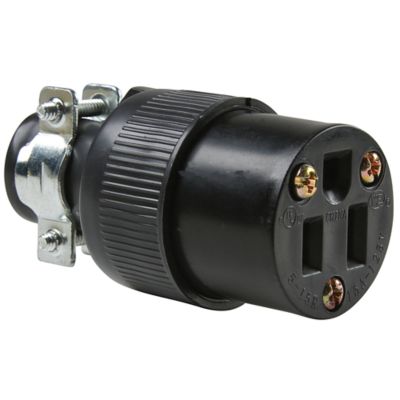
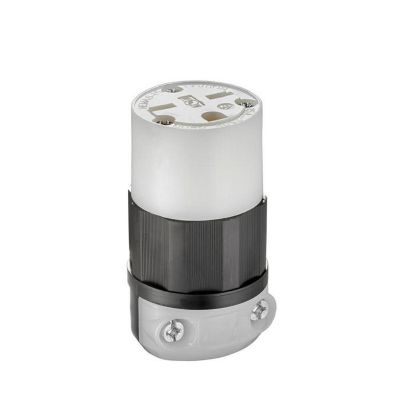
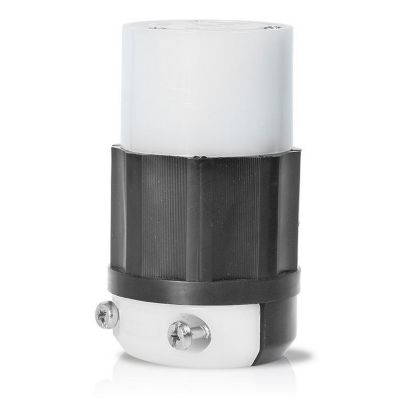
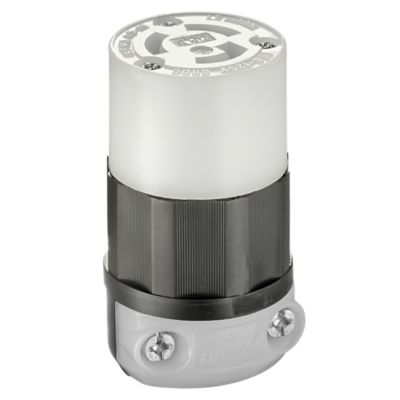
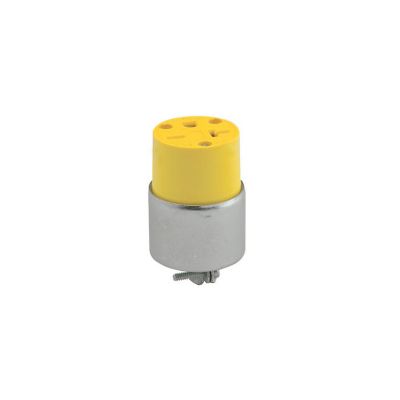
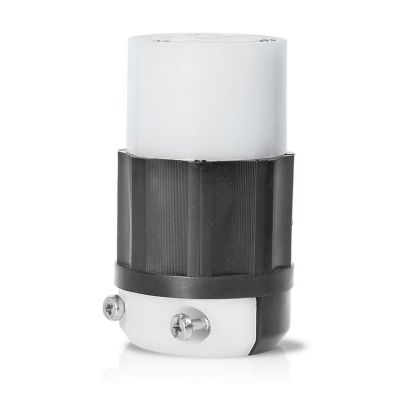
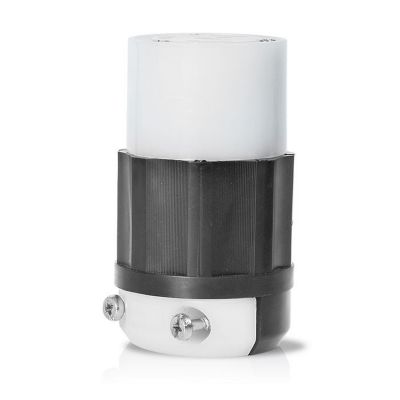
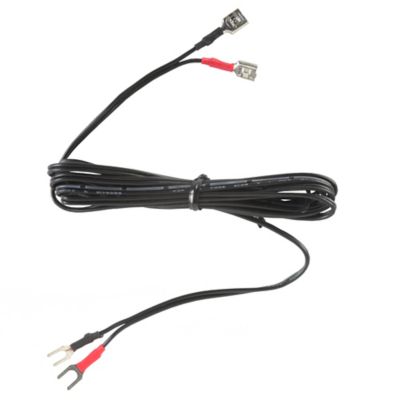
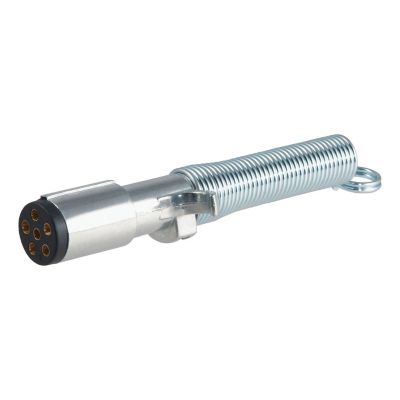
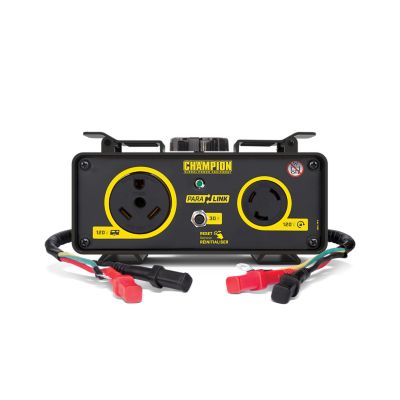
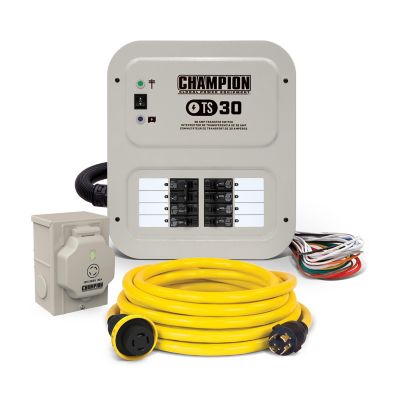
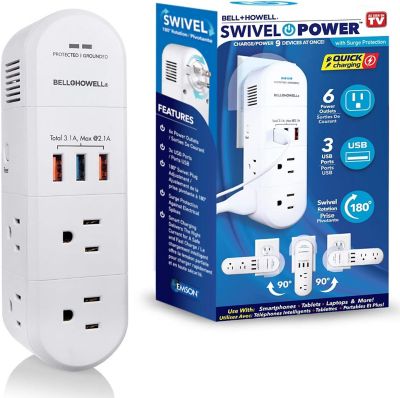
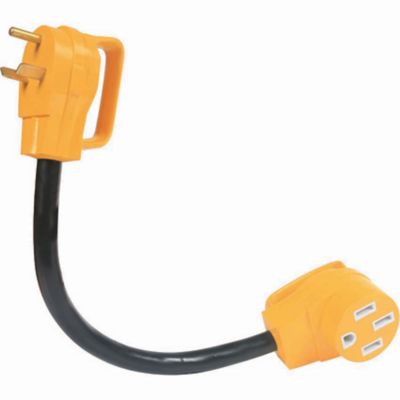
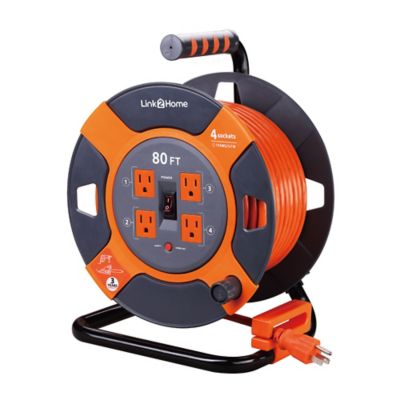
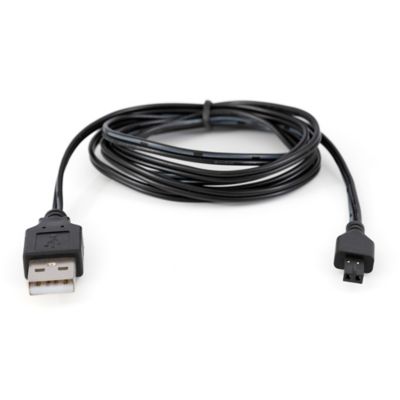
AC connectors help join electrical circuits so alternating current can move safely from a power source to equipment, appliances, lighting, and other devices. They come in several shapes and styles because not every job calls for the same connection. A standard household plug may be used with a lamp, shop fan, small appliance, computer, or charger, while equipment in a workshop, barn, or jobsite may need a heavier connector designed for greater power loads. Twist-lock connections are useful where vibration, movement, or a busy work area could pull a cord loose, since the plug turns into place and helps resist accidental disconnection. Appliance and computer power cords often use a connector at the equipment end that matches the inlet on a monitor, power supply, office machine, or other electronic device. For outdoor power equipment and portable generators, look for connectors rated for the voltage, amperage, and duty required by the equipment, along with a grounded design and a jacket suited to the environment. The right AC connector should fit firmly without forcing, wobbling, or requiring makeshift adapters. Before placing an order, check the plug shape, number of prongs, connector gender, cord length, wire size, and electrical ratings printed on the existing cord or equipment label. A connector can look close enough and still be the wrong match, so a few minutes spent comparing markings can save a return trip to the store and a lot of frustration when a storm is rolling in or a late-season project is already underway.
For farm, ranch, shop, and home use, durability matters just as much as fit. Dust from a feed room, sawdust in a workshop, damp grass near a garden shed, and repeated coiling in the back of a truck can all take a toll on cords and connections. Choose components made for the conditions where they will be used, and pay attention to whether the connection is intended for indoor, damp-location, outdoor, commercial, or industrial service. A weather-resistant housing may help with exposure, but it does not make an indoor connector suitable for standing water or careless installation. Inspect plugs and receptacles for cracked housings, bent prongs, loose terminals, discoloration, melted plastic, or a cord jacket that has become stiff and split. Replace damaged parts rather than taping over trouble spots, and keep connections off wet ground whenever possible. For generator hookups and larger equipment, locking styles can add welcome peace of mind when a cord runs across a work area or powers equipment that shakes and hums for hours. Match the connector to the generator outlet and the equipment load, and never defeat a grounding feature or use a connector with a lower rating than the circuit requires. Some electrical systems also use switching components that control when power is sent to a motor or other load; shoppers comparing those applications may find
AC Relays helpful for understanding that related category. If wiring changes are involved, follow the equipment manufacturer’s instructions and have a qualified electrician handle work beyond a straightforward, approved replacement. That extra care is especially important in outbuildings, older homes, and areas where moisture or livestock could make an electrical fault more dangerous.
Automotive air conditioning systems use another kind of AC connection altogether. Refrigerant lines may have mechanical quick-connect fittings that join sections of the system, while electrical connectors can serve switches, compressors, fans, and control components. These parts need to match the vehicle application and the existing line or socket, so confirm the year, make, model, engine configuration, connection style, and system specifications before buying. A fitting that looks similar may not seal correctly, and a poor connection can allow refrigerant to escape or keep the cooling system from working as it should. Work on automotive air conditioning systems can involve pressure, specialized tools, and regulated refrigerants, making professional service the sensible choice when a line must be opened or charged. Whether you are replacing a worn connector on a workbench light, keeping computer equipment running in an office, setting up a generator for backup power, or repairing an automotive cooling system, the best choice starts with the connection already in front of you. Take a clear photo, record the markings, measure where needed, and compare every rating before checkout. During the warmer part of the year, dependable connections help fans, pumps, and outdoor equipment stay ready; as the weather turns cooler, they can support heaters, lights, chargers, and backup power setups. Keeping a few properly matched replacement connectors on hand can be useful for a well-stocked shop, though electrical parts are not a substitute for safe installation and careful inspection.