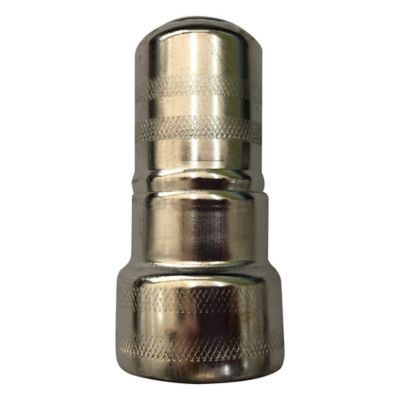
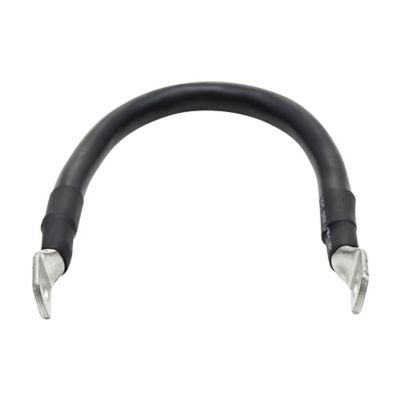
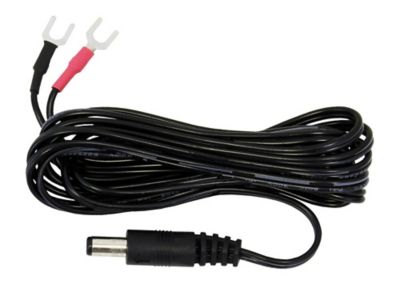
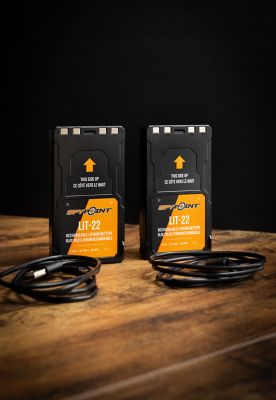
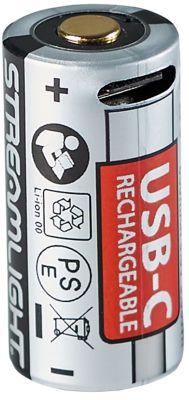
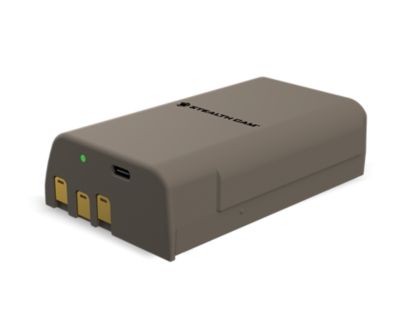
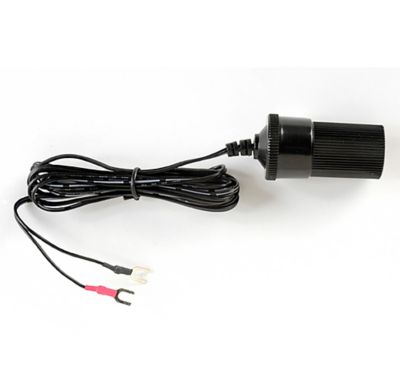
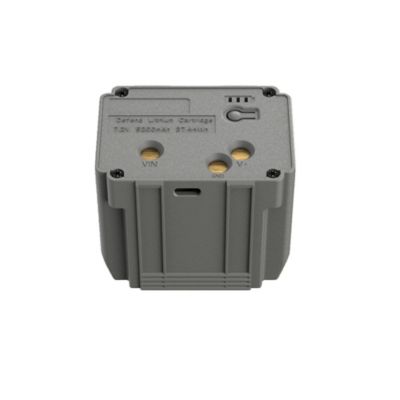
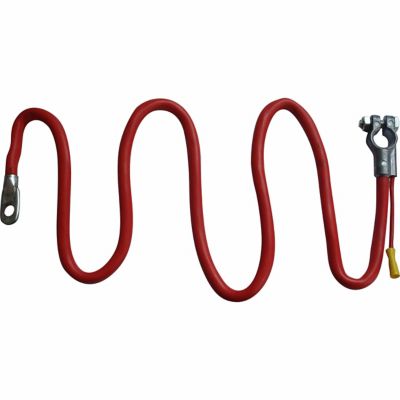
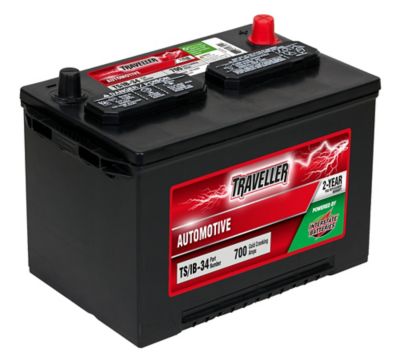
Battery accessories include chargers, maintainers, testers, cables, terminals, and mounting hardware that support the care, connection, and operation of battery-powered equipment. Around the farm, in the shop, or out by the trailer, these accessories serve different jobs: charging restores energy, maintenance charging helps offset self-discharge, testing checks battery condition, and connection hardware carries power between the battery and the equipment. A tractor that sits between chores has different needs from a pickup that starts every day or a trailer battery that supplies lights and other electrical loads. That makes the battery’s voltage, chemistry, capacity, and intended application important considerations when comparing accessories. Lead-acid batteries, including flooded and AGM types, and lithium batteries can require different charging settings and protective features; a charger should explicitly support the battery type and voltage specified by the battery manufacturer. Charging current matters, too, because the appropriate rate depends on battery capacity and the manufacturer’s limits, not simply how fast a job needs finishing. A maintainer with automatic monitoring can be helpful for compatible batteries on equipment that spends time parked, but its charging profile still needs to match the battery. Automatic operation does not make every charger suitable for every battery or for an indefinite connection without checks. Clear status lights, readable displays, accessible controls, and leads long enough to reach without stretching can make routine battery care less of a hassle. Ring-terminal leads provide a convenient connection on equipment with a hard-to-reach battery, while clamps offer temporary access where the posts are open and accessible. Manufacturer-approved quick-connect fittings can simplify repeated connections without relying on mismatched plugs or improvised adapters. Smaller rechargeable packs have their own requirements as well, including those that power
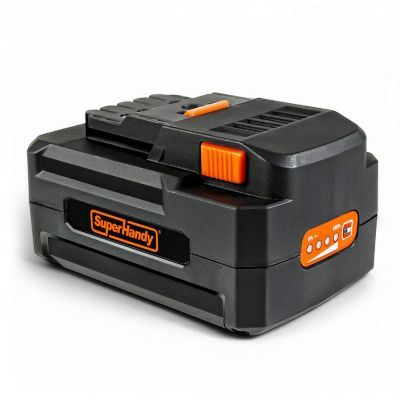
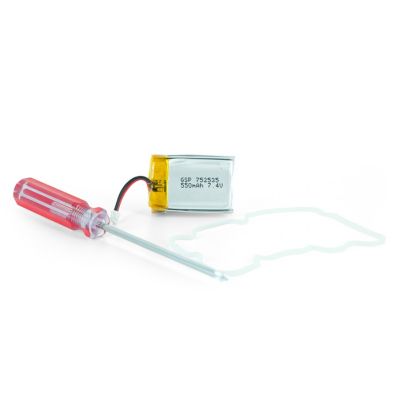
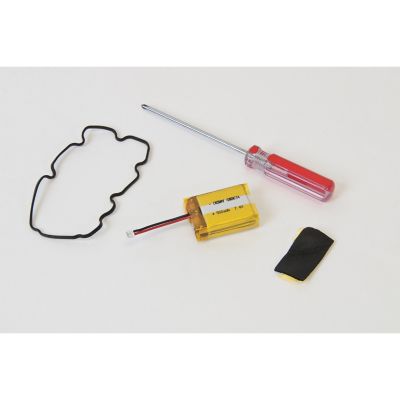
battery vests; wearable equipment calls for its designated battery and charger rather than an automotive charging setup.
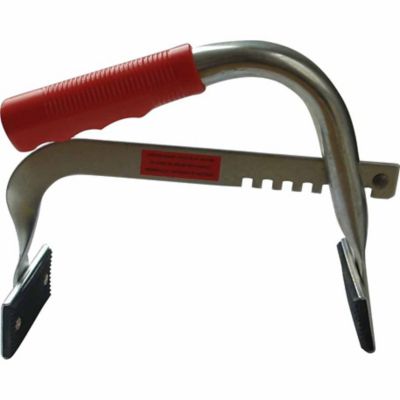
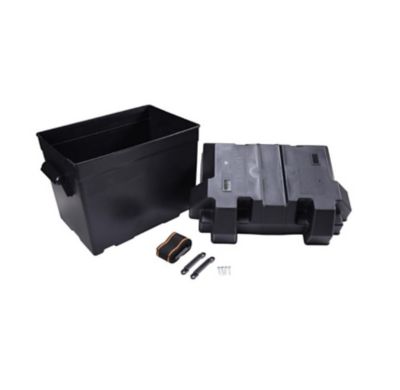
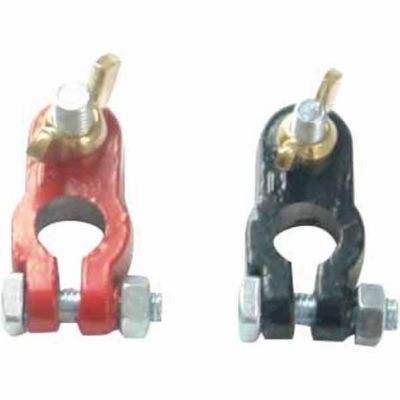
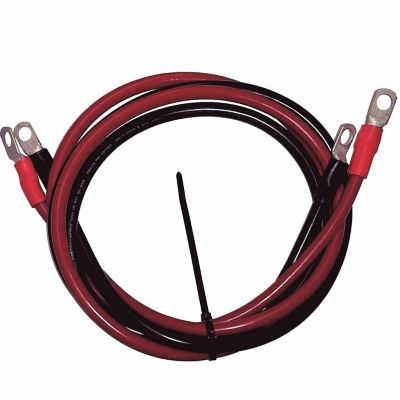
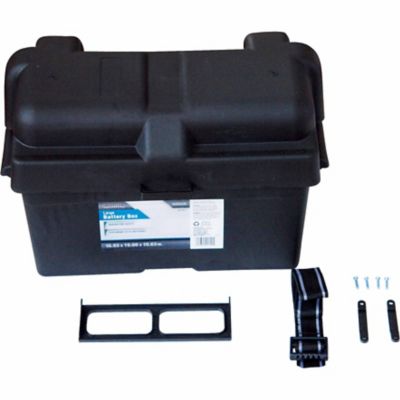
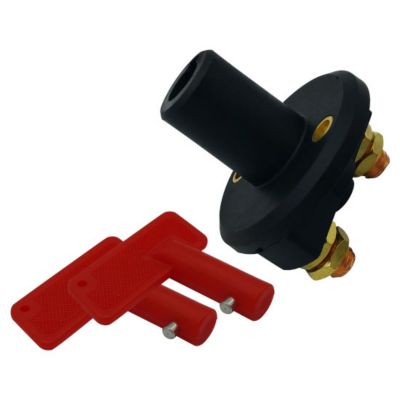
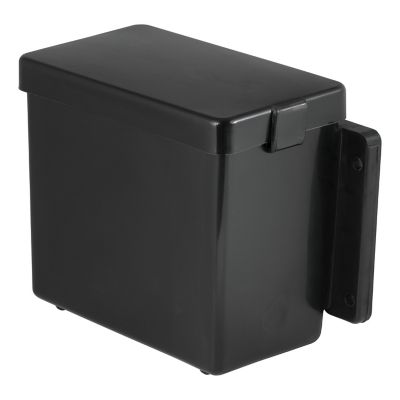
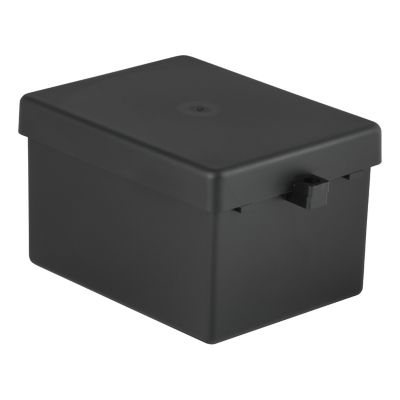
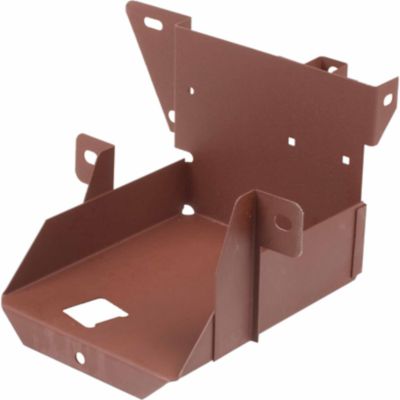
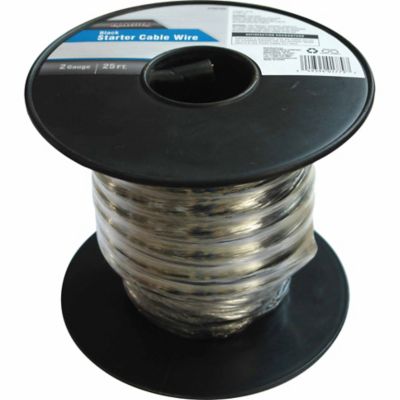
Battery cables, terminals, trays, boxes, and hold-downs handle the physical side of keeping a power system connected and secure. Fit goes beyond whether a part looks close enough on the workbench. Terminal style, post size, cable gauge, mounting dimensions, and clearance around nearby metal all affect how an accessory fits the equipment. Top-post and side-terminal connections are not interchangeable without appropriate hardware, and positive and negative posts may have different dimensions. Copper cable conductors support electrical conductivity, while insulation helps protect the conductor from contact with surrounding surfaces. Plated terminals and lugs can help resist corrosion, though material compatibility and proper installation still matter. Cable gauge and length affect voltage drop, and the wiring for a high-current starting circuit has different demands from wiring that supplies a small accessory load. The right cable reaches its connection points without pulling tight, rubbing against a sharp bracket, or hanging near moving parts. Terminal boots and protective covers help shield exposed connections from accidental contact with tools or nearby metal. For accessory circuits, appropriately rated circuit protection belongs close to the power source according to the equipment’s requirements; a cable’s thickness alone does not protect against a short circuit. Battery trays and hold-downs also need to match the battery’s dimensions and the equipment’s mounting points. A secure fit helps limit movement when a utility vehicle crosses a rutted lane or a trailer travels a washboard road, without putting excessive pressure on the battery case. Molded plastic enclosures can help shield a battery from incidental contact and splashes, while metal brackets provide structural support where the equipment calls for them. Neither replaces proper mounting, suitable cable routing, or ventilation where required. Access for inspection is worth considering, too: connections, handles, and service points should remain reachable once the battery is in place, with hardware tightened to the manufacturer’s specified torque rather than simply cranked down as hard as possible.
Battery testers and cleaning accessories round out a setup by making it easier to spot trouble before a machine is needed for the next chore. A resting-voltage reading offers a snapshot of charge, but it does not, by itself, show how well a starting battery will perform under load. Load testers and conductance testers assess performance in different ways, and their suitability depends on the battery type, rating, and application. Readable screens, clearly marked connections, and clamps that fit the intended terminals can make a tester easier to handle at a crowded engine compartment or a shop bench. For someone tending a tractor, mower, utility vehicle, and trailer, support for the relevant battery voltages and chemistries matters more than a long list of functions that never come into play. A slow crank or an intermittent electrical fault may involve the battery, but loose connections, corrosion, wiring damage, or charging-system problems can produce similar symptoms. Testing equipment provides information without making every electrical problem a battery problem. Terminal brushes and suitable cleaning supplies help address buildup around connections, while terminal protectants can help limit future corrosion when applied as directed. Battery care also calls for eye protection, appropriate gloves, ventilation, and keeping sparks and flames away from batteries that can release flammable gas. A cracked, leaking, swollen, or otherwise damaged battery needs attention according to its manufacturer’s safety instructions rather than another attempt at charging. Between jobs, charger leads and tester cables benefit from being kept clean, dry, and neatly stored instead of tangled beneath a pile of tools. Regular checks for worn insulation, loose fittings, and damaged clamps help keep those accessories ready for their next task. Well-matched battery accessories bring practical support to everyday equipment care, whether the work involves feeding livestock, hauling supplies, maintaining acreage, or keeping the truck ready for a trip into town.