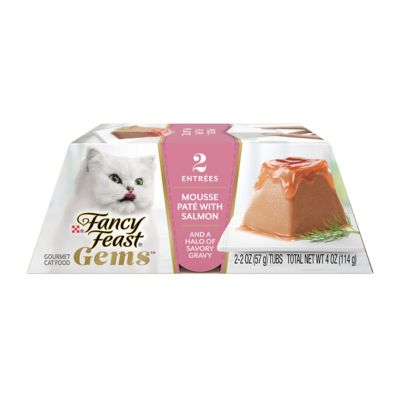
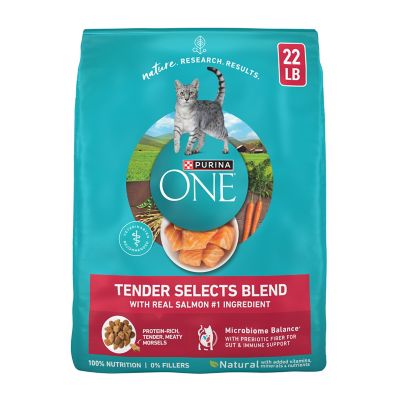
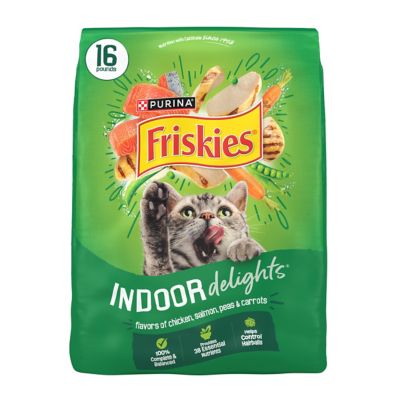
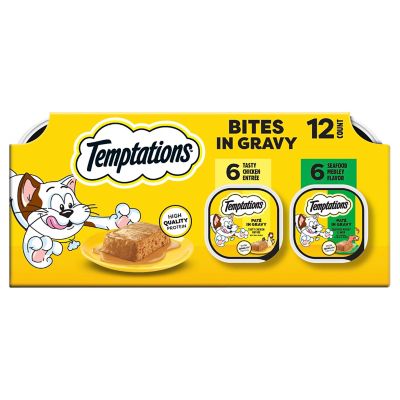
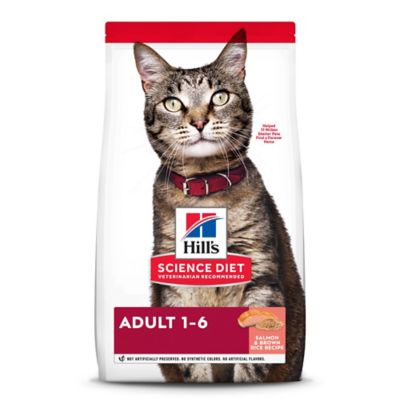
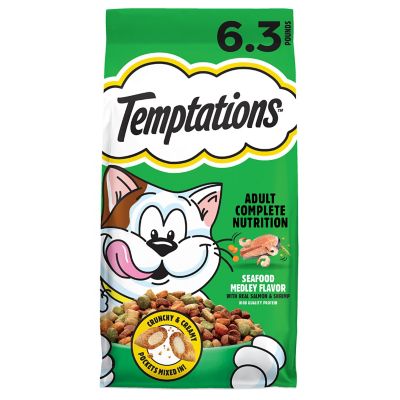
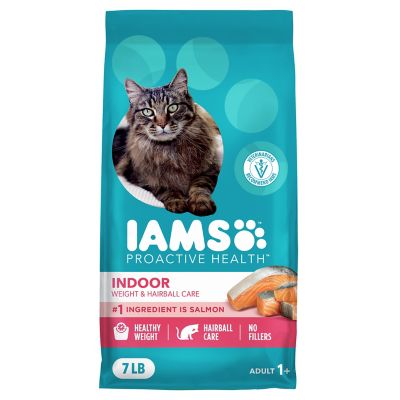
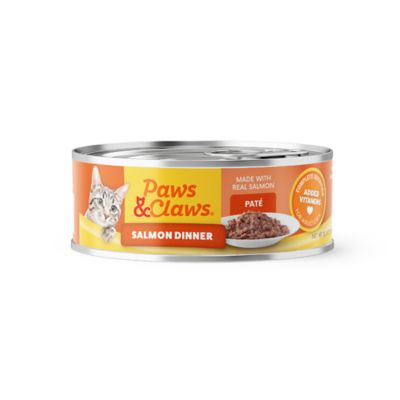
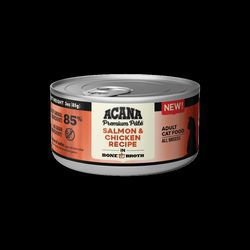
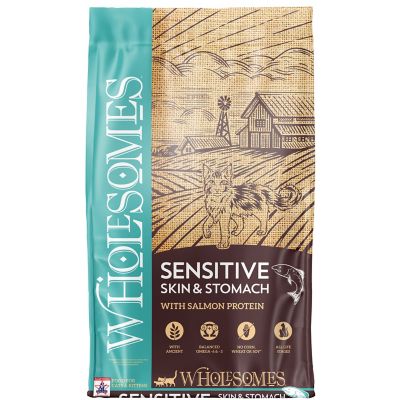
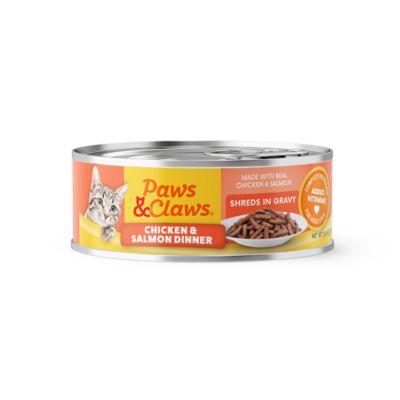
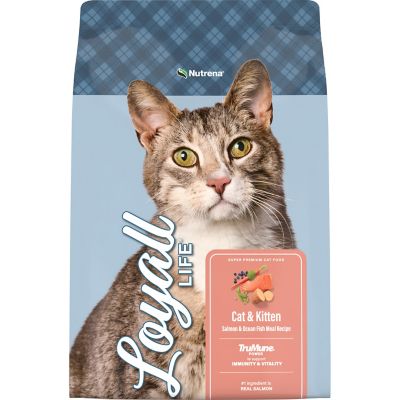
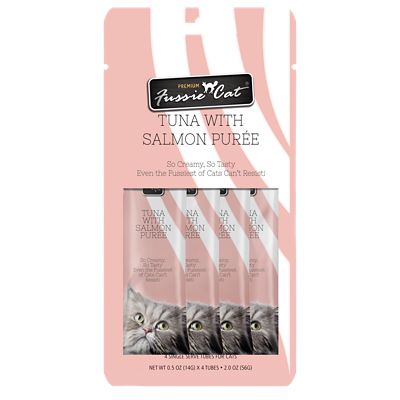
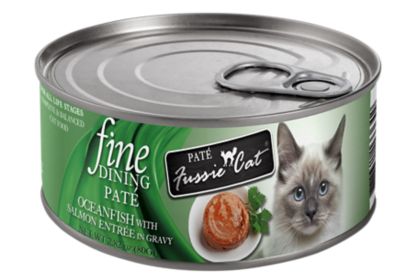
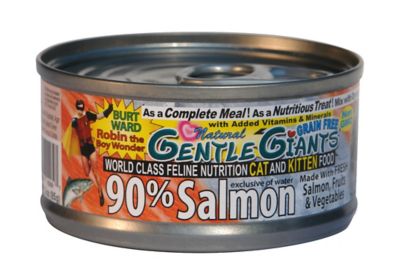
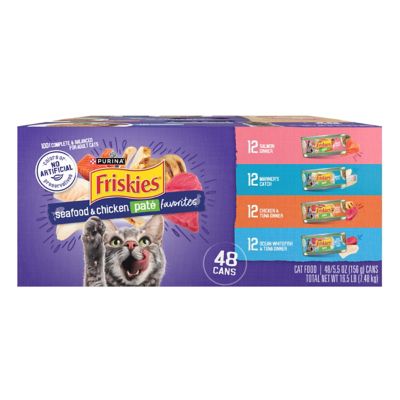
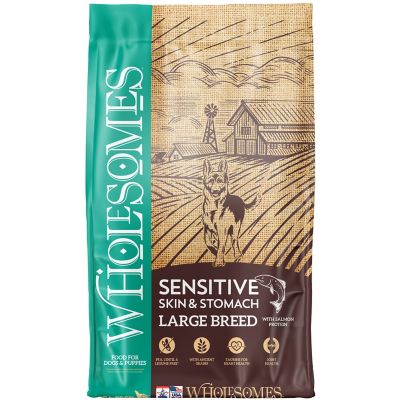
Salmon cat food is a popular choice for cats that enjoy a rich fish flavor, and it can make mealtime a little easier when a picky eater turns up their nose at the usual bowl. Salmon provides quality protein and essential amino acids that help support strong muscles, while fish oils naturally supply omega-3 fatty acids that support healthy skin and a soft, shiny coat. Those benefits can be especially welcome during cooler months, when dry indoor air may leave some cats with flaky skin or a dull-looking coat. When comparing salmon cat food options, start by checking the nutritional statement on the package. A food labeled “complete and balanced” for your cat’s life stage is made to provide the vitamins, minerals, amino acids and other nutrients cats need as part of their regular diet. Kittens need food formulated for growth, adult cats generally need maintenance nutrition, and senior cats may do best with a recipe suited to their changing activity level and health needs. If your cat has a diagnosed condition, food sensitivity or a history of urinary, kidney or digestive trouble, it is wise to check with a veterinarian before changing foods. Salmon may be the main animal protein in a recipe, or it may be combined with other poultry or fish ingredients, so read the ingredient list closely if you are avoiding a particular protein. For homes with both cats and dogs, keep species-specific food in its proper bowl; cat nutrition is different from dog nutrition, just as your dog’s meals should come from a food made for dogs, such as
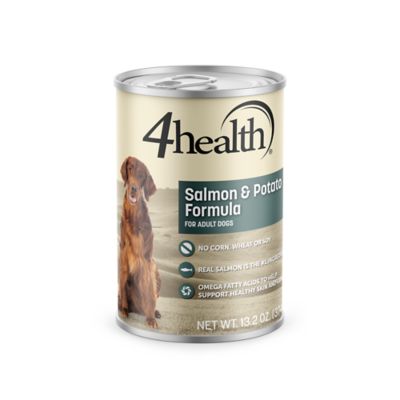
Salmon Dry Dog Food.
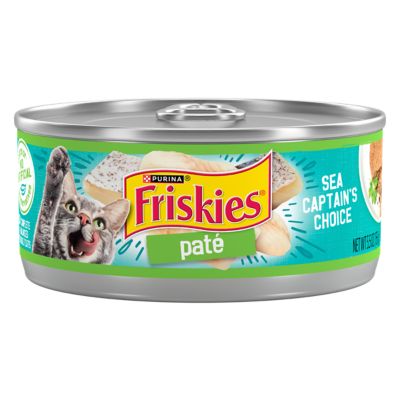
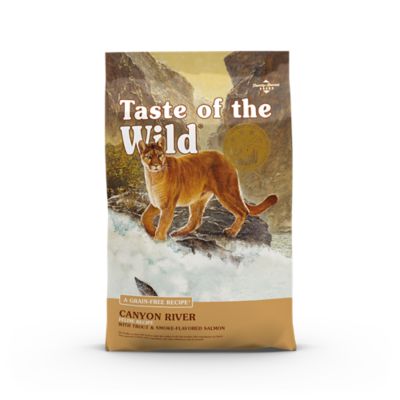
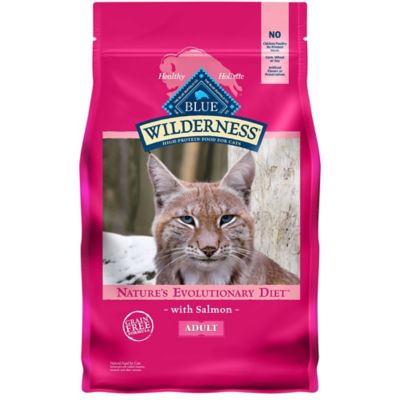
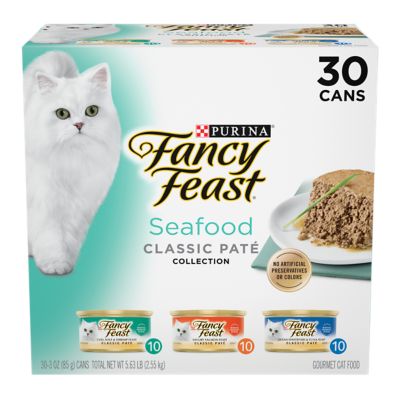
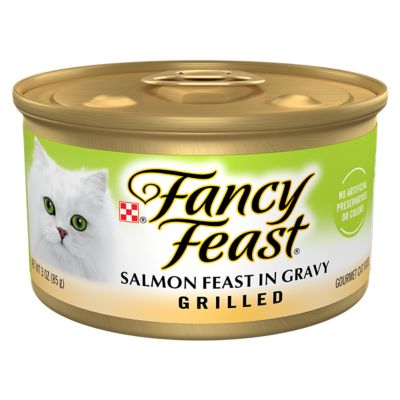
Salmon cat food is available in dry, wet and combination formats, and each type has its own place in a busy household. Dry food is easy to measure, simple to store and handy for families that use timed feeding or leave a portion for a cat to nibble throughout the day. It also works well for barns, porches and other places where a sealed bag is more convenient than opening cans at every meal, though food kept outdoors should be protected from heat, moisture, insects and wildlife. Wet salmon cat food has a higher moisture content and a soft texture that many cats find appealing, making it a helpful option for older cats, cats with tender mouths or cats that do not drink much from their water bowl. Some households serve wet food at breakfast and dry food later, while others mix a small amount of one with the other. Follow the feeding directions on the package as a starting point, then adjust portions based on your cat’s size, age, activity and body condition. Indoor cats that spend most of the day curled up in a sunny window may need less food than an active farm cat that patrols the yard, climbs fences and burns plenty of calories. Measure meals rather than filling the bowl by guesswork, and keep fresh, clean water available every day. If you are switching to salmon cat food, make the change gradually over about a week by blending a little of the new food with the old, then increasing the new portion step by step. A slow transition can help reduce stomach upset and gives your cat time to get used to a new smell and texture. Store dry food in a cool, dry place with the bag sealed tightly, and refrigerate opened wet food according to the package directions.
Choosing salmon cat food can also come down to your cat’s habits and the rhythm of your household. A cat that races to the kitchen when it hears a can open may prefer the aroma and tender texture of wet food, while a grazer may do better with measured dry portions offered through the day. Cats that shed heavily may benefit from a balanced diet with fatty acids, but food is not a substitute for regular brushing, parasite prevention or veterinary care. Brush long-haired cats more often during heavy shedding seasons, and watch for persistent scratching, bald spots, redness, vomiting or changes in stool. These signs can have many causes, including allergies or other health concerns, and they deserve advice from a veterinarian rather than a quick food swap. Salmon cat food can be a thoughtful addition to a new-cat supply basket, a practical gift for a neighbor caring for an aging cat, or a useful choice for anyone stocking up before colder weather keeps the household indoors more often. If giving pet food as a gift, it helps to ask about the cat’s age, food sensitivities and feeding routine first; a familiar recipe is usually more welcome than a surprise that does not fit the cat’s needs. Avoid sharing raw, smoked, cured or salted salmon made for people. Human salmon preparations can contain excess sodium, seasonings, oils or bones, and raw fish may carry food-safety risks. Commercial salmon cat food is made with feline nutritional needs in mind, and feeding it according to the package directions helps keep a flavorful meal in balance. With the right life-stage formula, sensible portions, fresh water and a steady routine, salmon cat food can be an easy way to add a fish-forward option to your cat’s everyday care.