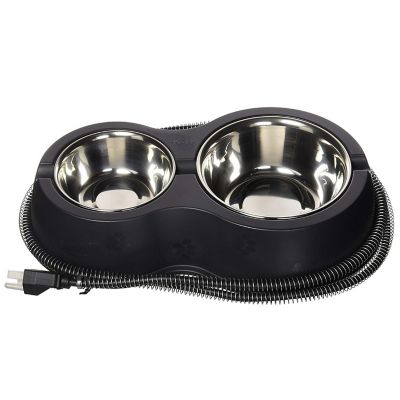
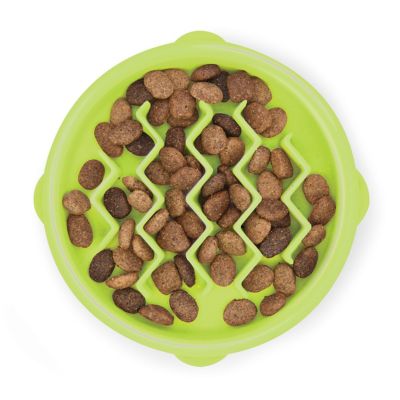
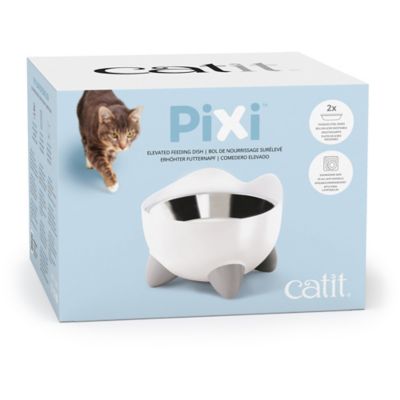
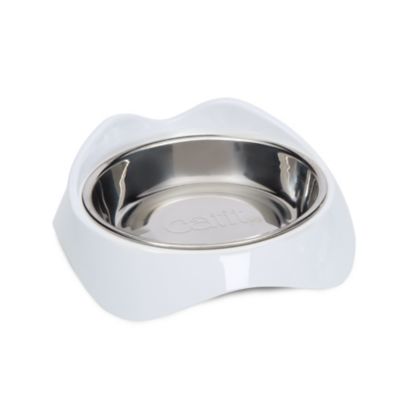
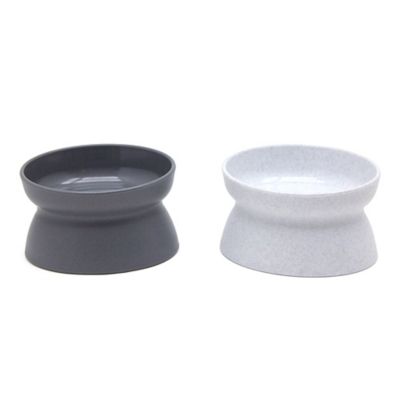
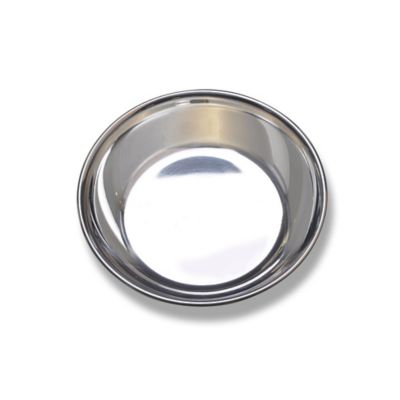
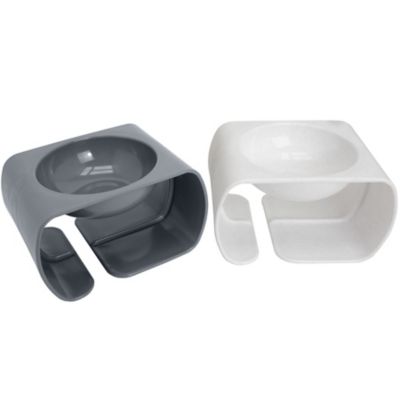
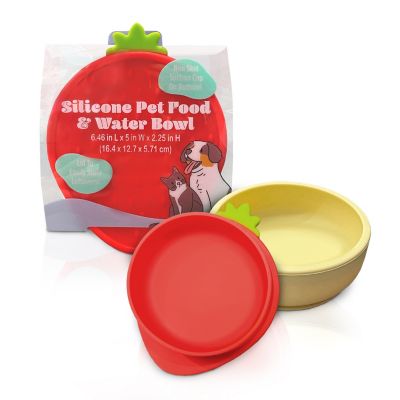
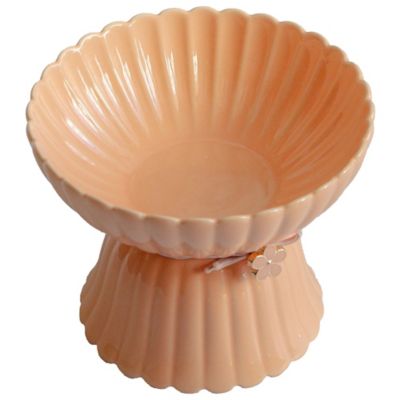
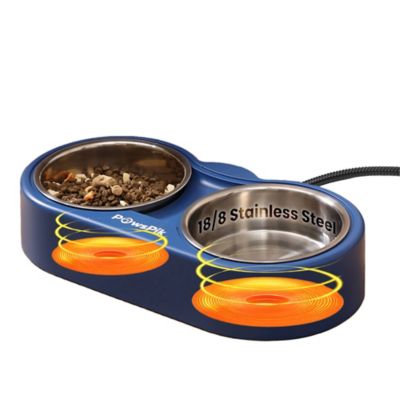
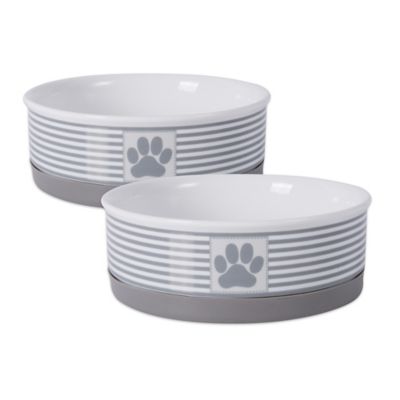
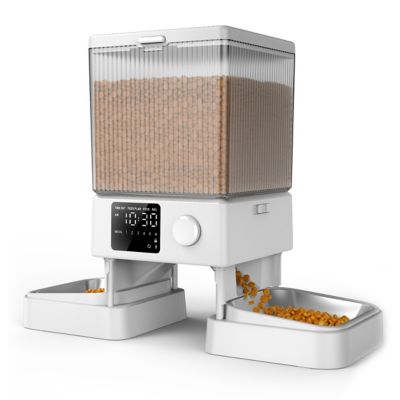
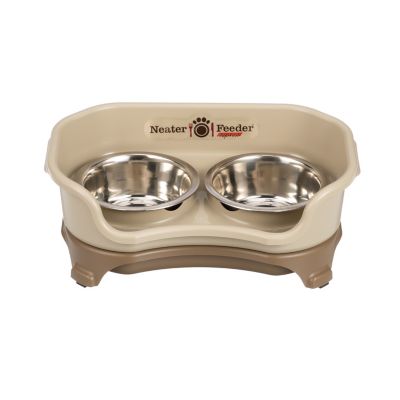
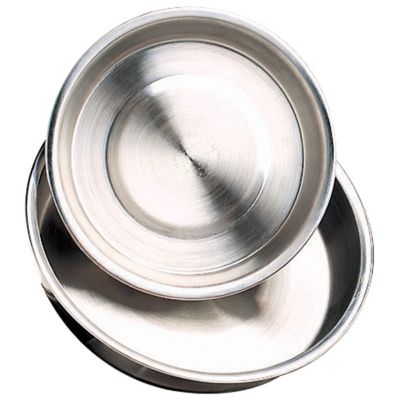
Cat dishes made from food-safe stainless steel, glazed ceramic or glass offer smooth, nonporous surfaces that are easy to wash and keep clean. That matters for a feeding spot that sees everything from dry kibble crumbs to sticky canned food and the occasional paw dipped into the water. Stainless steel is a practical choice for everyday meals because it is lightweight, resists breaking and stands up well to repeated washing. A heavier ceramic dish can help keep dinner in place when a cat pushes food around with its nose, while glass makes it easy to spot residue along the bottom and sides. Ceramic and glass dishes should be intended for food contact, with intact surfaces and no chips, cracks or rough edges. For ceramic, look for a food-safe, lead-free glaze rather than assuming any small household bowl belongs at the feeding station. Plastic dishes weigh less, but scratches and tooth marks can leave places where food residue collects, making thorough cleaning harder. Any material needs regular washing; a smooth finish does not keep a bowl clean on its own. For cats with recurring chin bumps or irritation, a smooth, easy-to-clean dish is worth considering alongside advice from a veterinarian. Shape and construction matter, too. Rolled edges should feel smooth, ceramic rims should be free of sharp spots, and a removable insert should lift out without a struggle. A dish that looks sturdy on the shelf still needs to suit the home where it will sit. Glass or ceramic may fit a quiet kitchen corner, while stainless steel can be a sensible choice near a busy mudroom where bowls sometimes get bumped. Before choosing a material, check its care directions and think about who handles feeding and cleanup. The best match is a dish that suits the cat and is straightforward to wash, refill and inspect day after day.
Size and shape make a difference in how comfortably a cat can reach a meal. When comparing
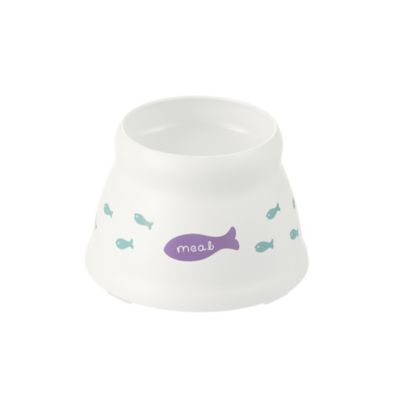
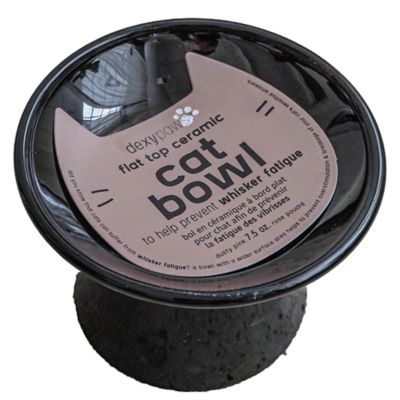
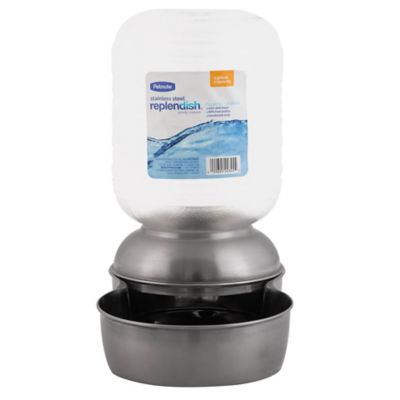
cat food bowls, consider the width of the eating surface, the height of the rim and the amount of food normally served. A broad, shallow dish gives a cat room to reach the food without burying its face in a narrow opening. Some cats seem more comfortable when their whiskers have extra clearance, though preferences vary, and a shallow dish is not a treatment for a medical problem. Flat-faced cats may find an open eating surface easier to reach, while a cat that enthusiastically shovels kibble can benefit from a modest rim that helps contain scattered pieces. A small kitten needs an accessible edge and a stable base, not simply a smaller version of a deep adult bowl. For an older cat with limited movement, a raised dish may make the feeding position more comfortable, but the height should match the individual cat rather than force an awkward stretch. A veterinarian can help assess feeding posture when stiffness or trouble eating is involved. Capacity deserves the same attention as shape. A large bowl does not establish an appropriate serving size, so measure meals separately and choose a dish that holds the portion without crowding it against the rim. Wet food spreads well across a shallow surface, making small bites easier to reach, while dry food needs enough room to prevent pieces from spilling with every nudge. Water deserves its own dish with enough capacity for regular drinking and room for easy access. Keep it topped up with fresh water, and try a separate spot from the food if that better suits the cat’s habits. In homes with several cats, individual dishes and spaced-out feeding spots can help reduce crowding. A timid cat should not have to squeeze past a more assertive companion just to eat breakfast.
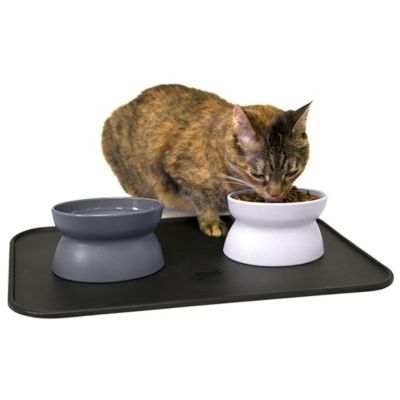
A feeding setup also needs to work on the floor where it lives. A broad base or nonslip bottom can help keep a dish from sliding across tile, sealed concrete or wood when a hungry cat leans into a meal. Removable rubber rings need cleaning underneath, since a tidy-looking bowl can still hide crumbs and moisture around its base. A washable feeding mat can catch stray kibble and water drips, but it should lie flat and leave the cat a firm place to stand. Check raised stands for wobbling, exposed edges and gaps that trap food, and make sure the dish stays seated when the cat eats from one side. Keep the feeding area away from litter boxes, household chemicals and busy walkways where boots, laundry baskets or equipment can knock a bowl over. For a barn cat, a sheltered feeding spot away from equipment traffic helps keep meals accessible without putting the dish underfoot. Remove uneaten food promptly according to the food label’s directions rather than leaving leftovers to attract insects or other animals. At cleanup time, wash food dishes after meals and water dishes daily with dish soap and water, rinse thoroughly and let them dry. Follow the manufacturer’s directions before putting a dish, stand or nonslip component in the dishwasher; not every part tolerates the same cleaning routine. Check beneath rims and inside corners where a thin film can linger even after a quick rinse. Replace cracked ceramic, chipped glass and deeply scratched dishes rather than trying to work around damaged surfaces. Keeping an extra clean dish ready makes feeding easier when one is in the wash, especially when several cats eat different meals. Whether the feeding spot sits beside the kitchen cabinets or near the back door, a well-chosen cat dish should stay steady, give the cat comfortable access and make daily care a simple part of the routine.