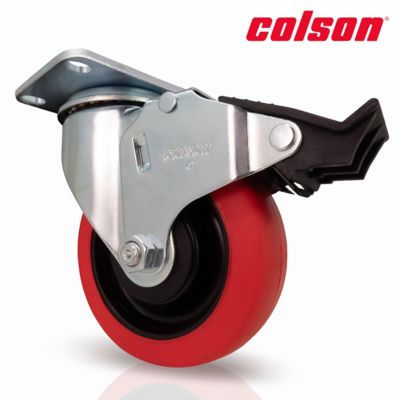
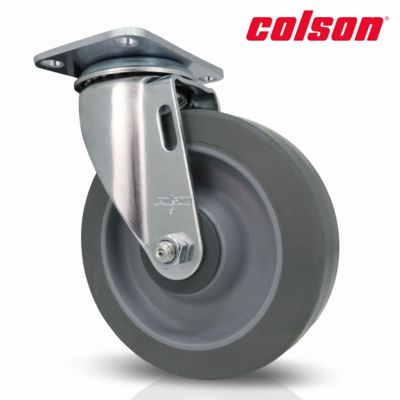
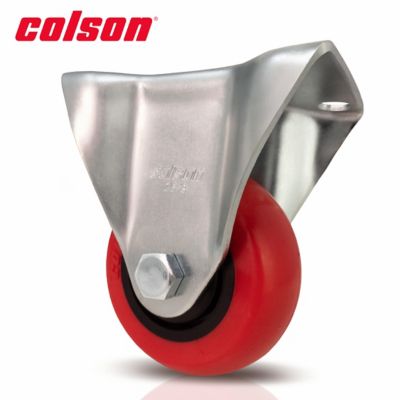
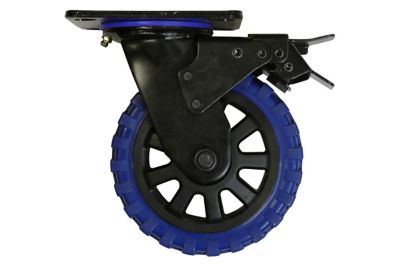
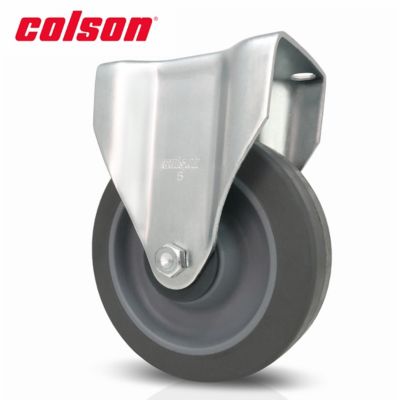
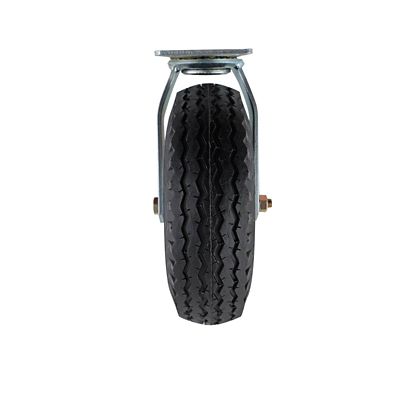
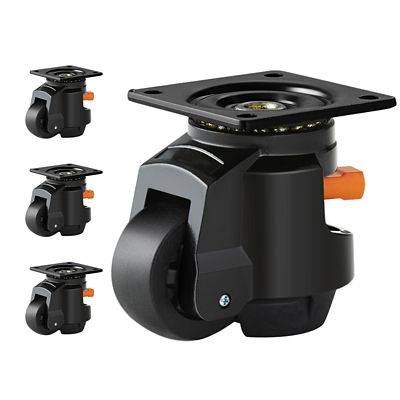
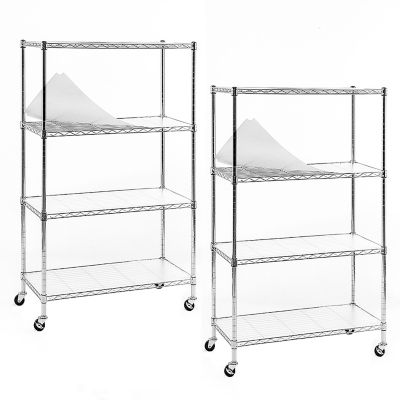
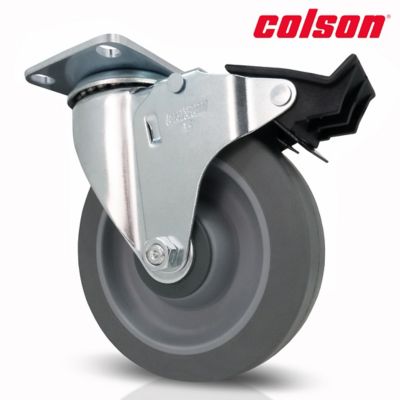
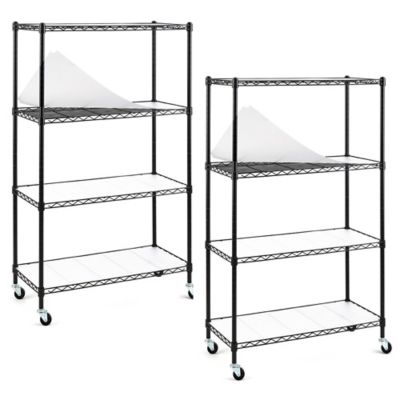
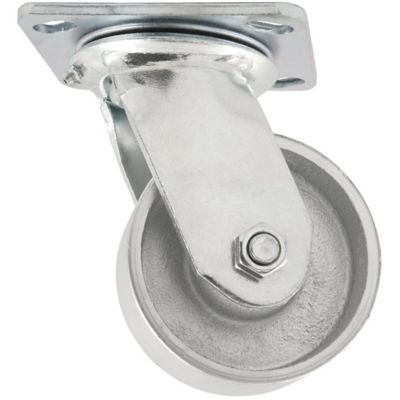
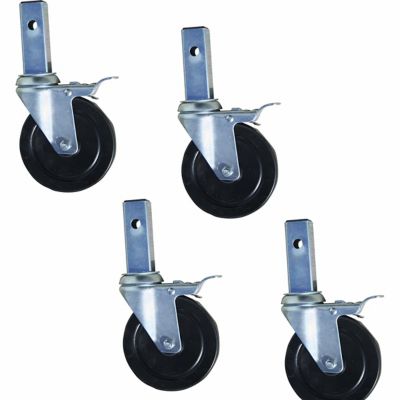
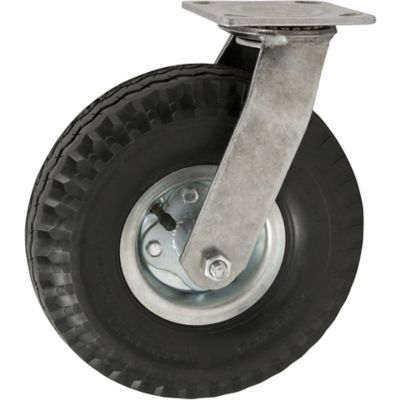
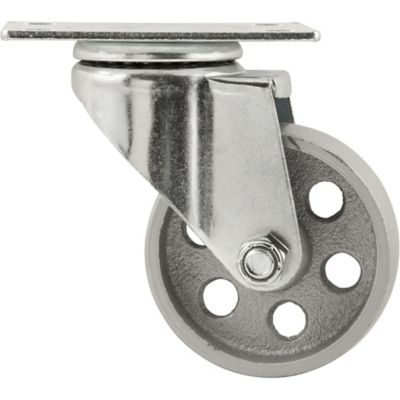
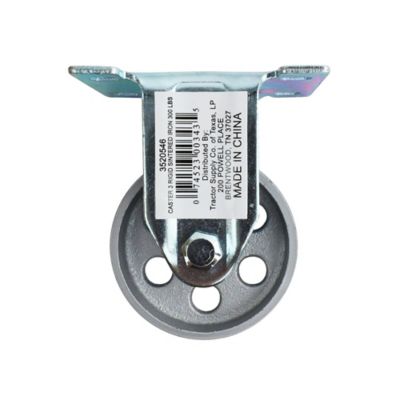
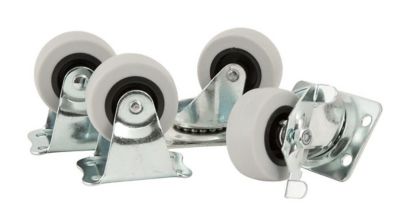
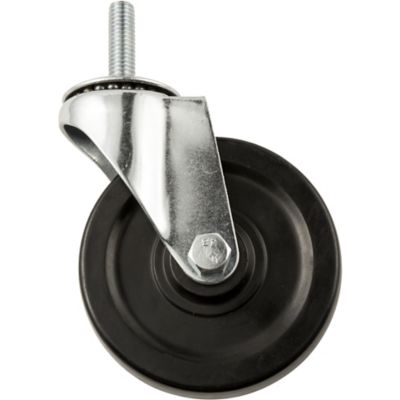
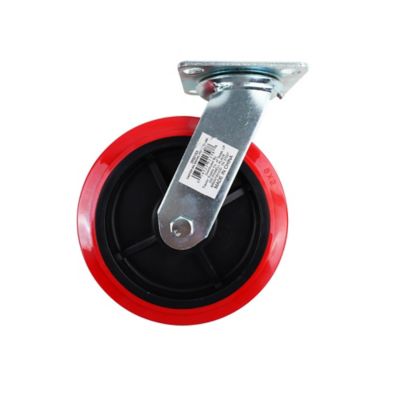
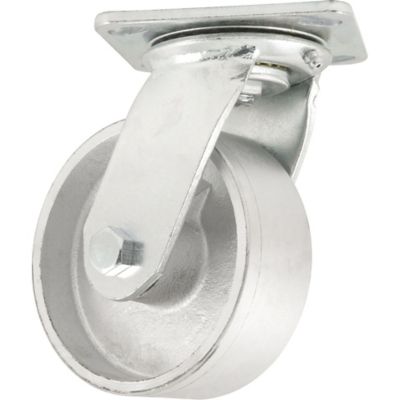
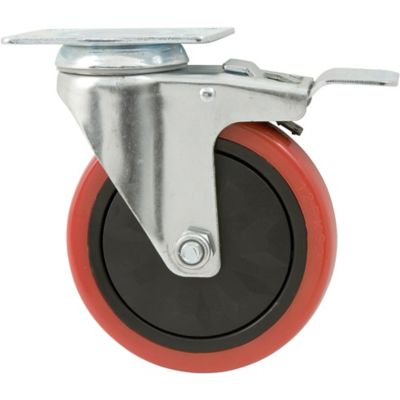
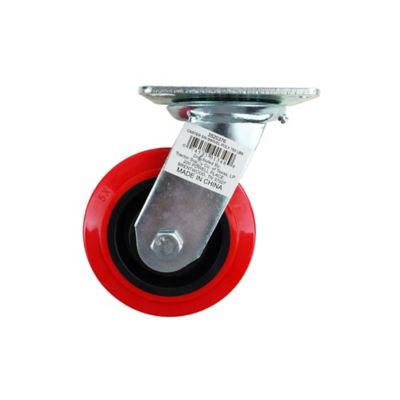
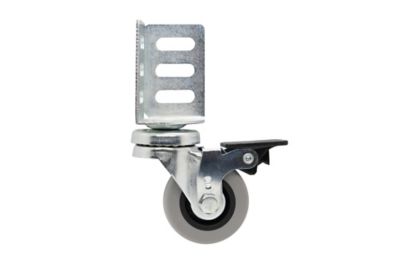
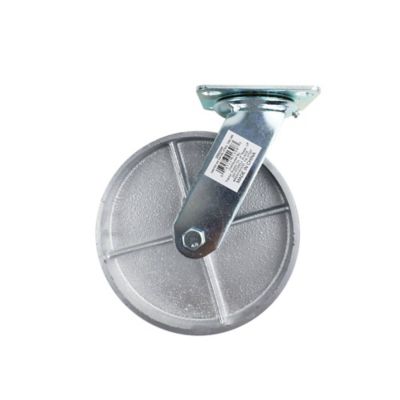
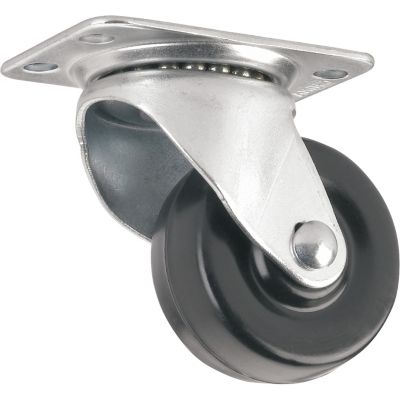
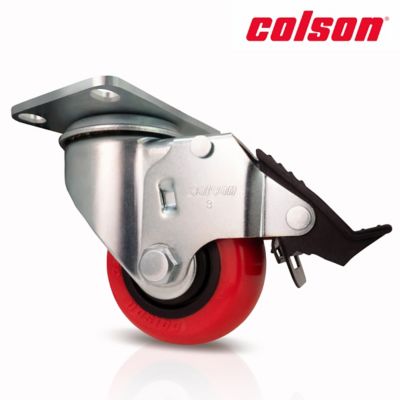
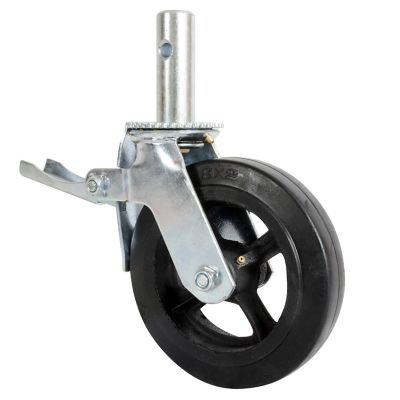
Casters for shelves add rolling support to shelving frames designed for mobile use, making it easier to move stored supplies without carrying everything across the room. In a garage, workshop, utility room, or farm shop, a rolling rack can bring tools closer to the job and open up floor space for sweeping. The best fit starts with the connection between the caster and the shelving frame. Threaded-stem casters screw into matching threaded openings, while grip-ring stems fit compatible sockets and stay in place through their retaining rings. Plate-mounted casters attach beneath a suitable base with fasteners, and some shelving systems call for brackets or adapters made for that frame. These mounting styles are not interchangeable, even when the wheels look much alike. Stem diameter, thread size, insertion length, and mounting-plate dimensions all matter, along with clearance around the bottom shelf. A wire rack, boltless steel rack, and wood shelving unit may each need a different mounting arrangement. Shelving with hollow posts also needs the right internal connection; an open tube alone does not make a frame ready for a caster. Compatibility with the shelving manufacturer's specifications matters more than matching appearance. Adding wheels raises the bottom shelf and increases the rack's overall height, which can affect clearance beneath cabinets or through doorways. The caster's total mounting height, rather than wheel diameter alone, determines that change. A taller rolling rack may also handle differently from the same frame resting on leveling feet. For shelves holding paint supplies, hardware bins, or boxed parts, a secure connection and a frame approved for rolling loads help keep everyday movement manageable. Shelves that work well in a fixed position are not automatically suited to travel, especially when loaded high. Matching casters to the actual rack keeps the focus on useful mobility rather than simply finding a wheel that fits beneath a leg.
Load capacity and wheel construction shape how shelf casters perform once the rack is full. The working load includes the shelving frame, every shelf, and everything riding on it, not just the contents in the storage bins. A caster's individual rating is only part of that picture: the complete shelving system's mobile rating and any manufacturer-specified limits still apply. Adding wheels can reduce the allowable load compared with the rack's stationary rating. Uneven floors can also shift weight away from one wheel and onto the others, so multiplying one caster's rating by the wheel count does not always establish a safe working capacity. A sensible load allowance leaves room for the extra supplies that tend to find their way onto a shop shelf. Wheel material matters just as much when a loaded rack crosses the floor. Rubber treads can help soften rolling noise and vibration, while polyurethane often balances floor protection, rolling effort, and resistance to wear. Nylon and other hard wheels may roll readily on smooth, firm surfaces, but they can transmit more noise and vibration over joints or rough spots. Floor protection depends on the tread formulation, the load, and keeping grit off the wheels; a nonmarking label does not mean a wheel cannot scratch a floor when debris gets trapped beneath it. Larger wheels generally handle small floor joints and minor surface irregularities more easily than smaller wheels, though they also add height and need more turning clearance. Swivel casters help a rack turn into a narrow storage bay, while rigid casters support straight tracking where the layout allows it. Some arrangements combine the two. Brakes deserve a closer look, too: a wheel brake stops wheel rotation, while a total-lock design also locks the swivel action. Either needs to match the application, and neither makes an inclined floor a suitable parking spot. For a rack that moves between a workbench and a storage wall, manageable steering and steady parking matter as much as the stated load rating.
Everyday usefulness comes down to how well the casters suit the space and the work. A shelving unit carrying small bins of fasteners makes different demands than one holding heavy motor parts or containers of shop supplies. Frequent rolling calls for attention to bearing design, tread wear, and the effort needed to get the rack moving. Occasional movement for cleaning may put more emphasis on secure locking and a compact footprint. Around a farm shop, loose twine, wire scraps, and tracked-in grit can collect near wheel axles, increasing drag or keeping a brake from engaging fully. Clear treads and freely turning wheels help prevent a simple move from becoming a wrestling match. Maintenance needs vary by construction: some bearings are sealed, while others have lubrication points and service requirements specified by the manufacturer. Metal brackets and mounting hardware also benefit from routine checks for corrosion, looseness, or bending, especially in spaces where damp concrete or wash water is part of the setting. A cracked tread, a wobbling swivel, or a stem that no longer sits firmly in its socket is a reason to stop and inspect the assembly. Keeping the heaviest supplies on lower shelves helps reduce top-heaviness, and evenly distributed loads are easier to manage than weight piled along one edge. Tall shelving needs particular care during movement because a wheel catching at a threshold can upset its balance. Clear travel paths and movement from the frame's designated push points help keep the load under control. Related
Casters For Appliances address rolling support for household equipment, but mounting requirements and load limits differ from those of shelving. For shelf storage, the most practical choice brings together compatible mounting hardware, suitable wheel material, enough load capacity, and the right locking arrangement for the floor and layout. Those details help a rolling rack earn its place beside the workbench, along the garage wall, or wherever supplies need to stay organized and within reach.