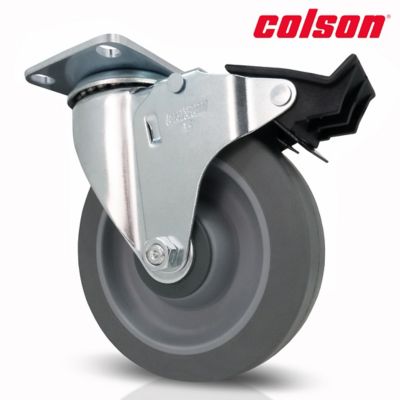
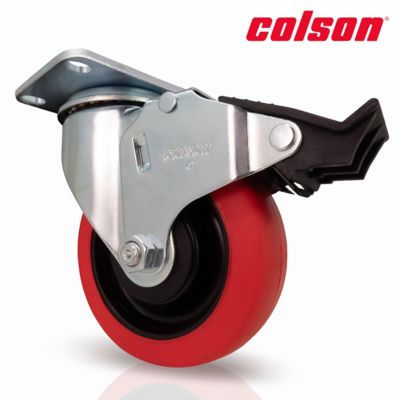
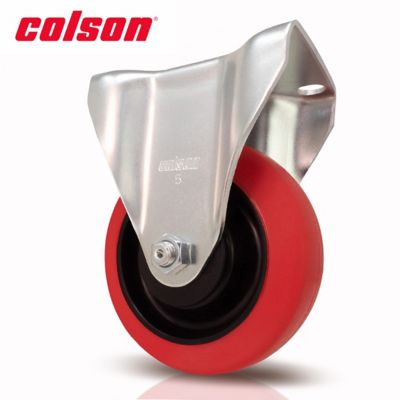
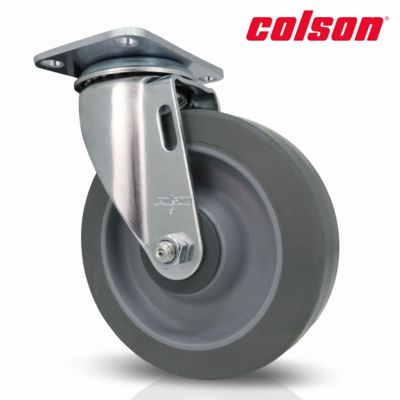
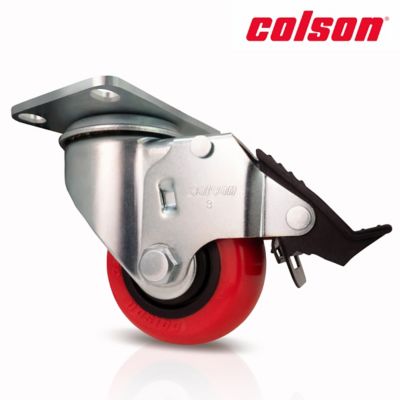
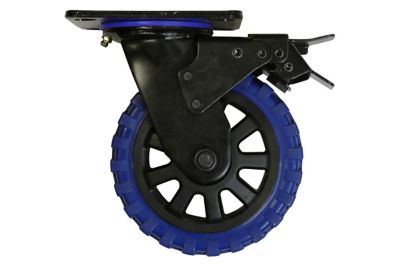
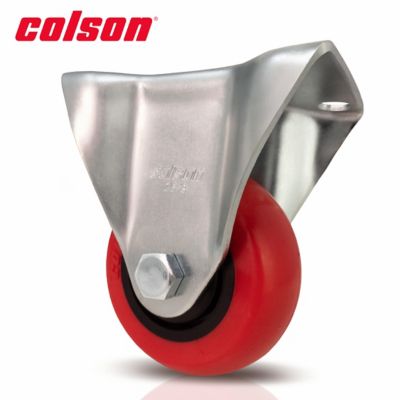
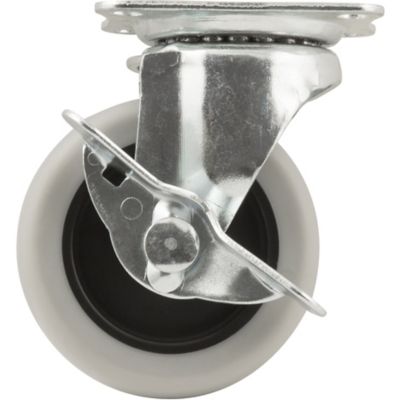
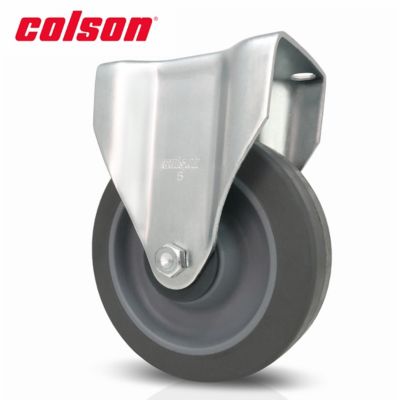
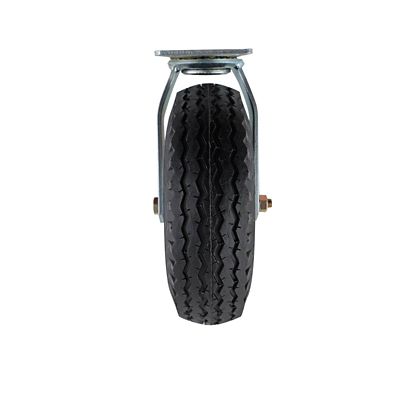
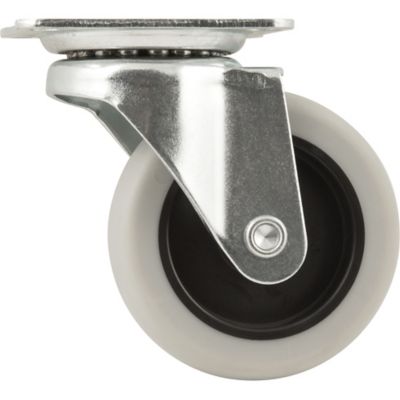
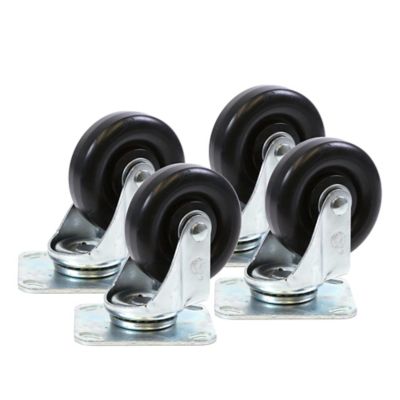
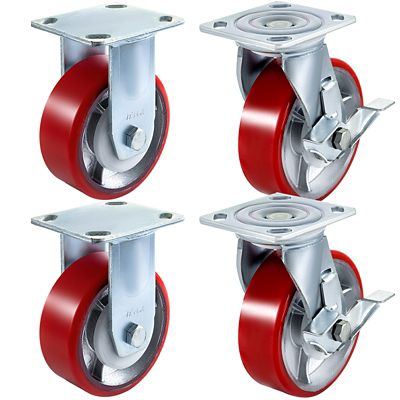
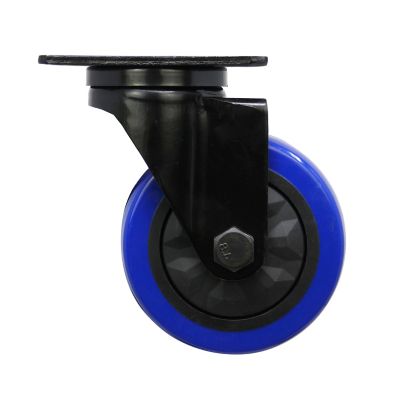
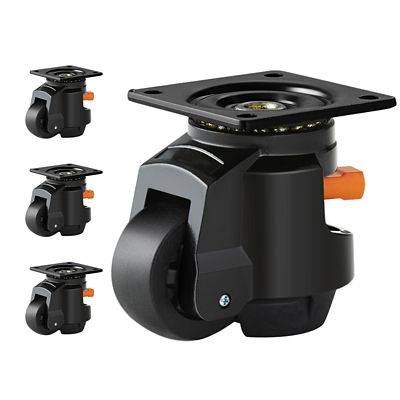
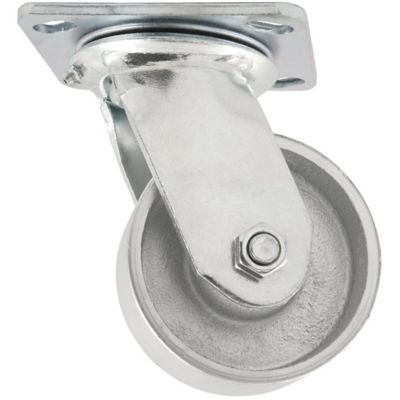
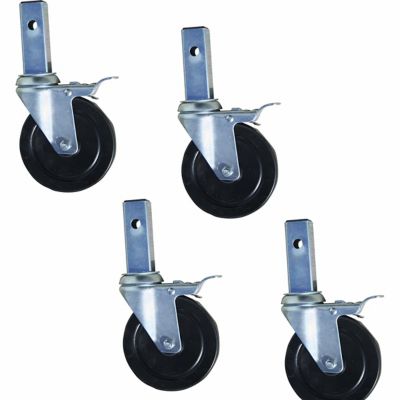
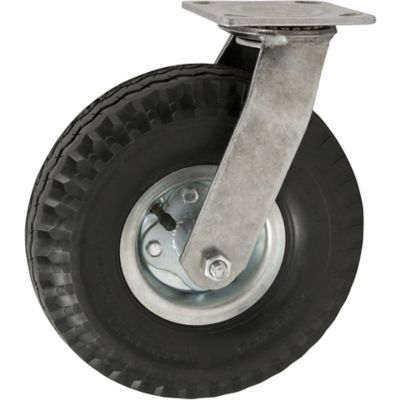
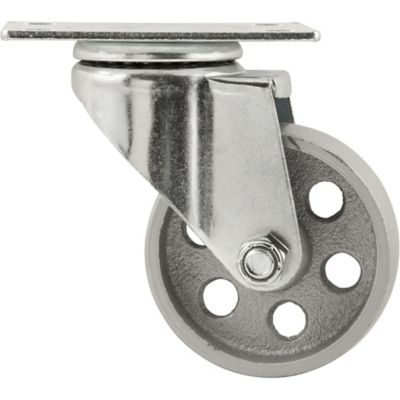
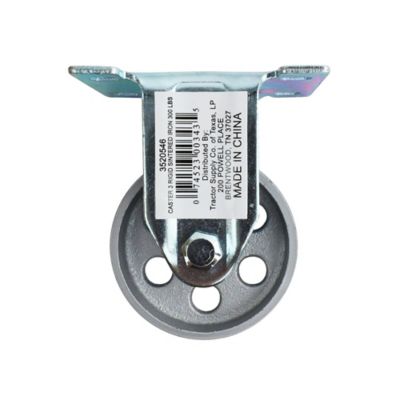
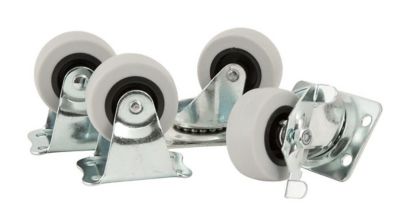
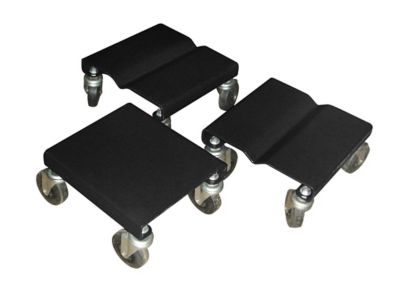
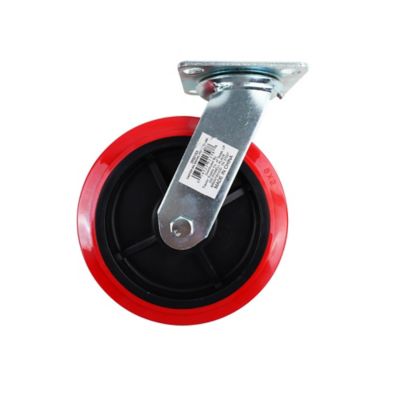
Casters for appliances are load-bearing wheel assemblies that help compatible equipment roll for positioning, cleaning access, or service. Appliance rollers serve a similar purpose, often supporting an appliance from underneath rather than fastening directly to its frame. Both can make a difference in a farmhouse kitchen, laundry room, workshop break area, or utility space where heavy equipment sits close to a wall. The right setup depends on more than whether the wheels fit underneath. Appliance weight, mounting style, floor surface, added height, and the manufacturer’s instructions all matter. Direct-mount casters typically attach with a mounting plate or stem, while adjustable roller supports fit beneath approved load-bearing points. Swivel casters turn to help equipment maneuver in tight spaces; rigid casters track in one direction and can suit a straight pull from an alcove. Some arrangements combine both styles for controlled steering. Locking designs add another distinction: a wheel brake stops rolling, while a swivel lock restricts turning, and some mechanisms do both. Those functions matter when an appliance needs to stay put, though brakes do not replace leveling feet or other required restraints. Load capacity deserves a close look, especially for equipment that holds food, water, or supplies. The working load includes the appliance and its contents, not just its empty shipping weight. A rating may apply to one caster, a pair of rollers, or an entire support assembly, so those figures are not interchangeable. Uneven floors and shifting contents can also distribute weight unevenly across the supports. A suitable capacity margin helps account for those conditions, but it does not make an incompatible mounting arrangement safe. For homeowners, property caretakers, and folks maintaining a farm office or shared workroom, the best match is a support system rated for the actual load and approved for the appliance’s design. Mobility should make routine access simpler without changing how the equipment is meant to stand or operate.
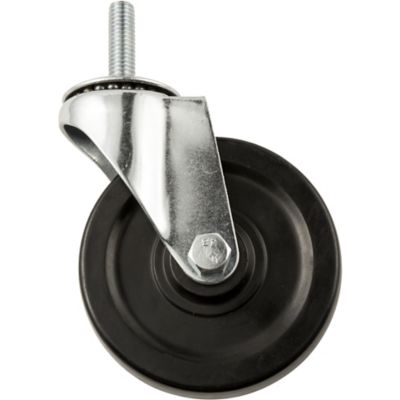
Fit starts at the appliance’s support points and extends to everything around it. Plate-mounted casters need a compatible mounting surface, the correct hole spacing, and fasteners specified for the installation. Threaded-stem casters require matching thread diameter and pitch; a stem that looks close is not necessarily a proper fit. Other stem styles have their own socket requirements. Slip-under appliance rollers avoid a direct attachment in some applications, but their width, adjustment range, contact pads, and support locations still need to suit the appliance base. Thin sheet metal, access covers, and unsupported edges are not substitutes for structural bearing points. Overall mounting height is another detail that can change the fit of the whole arrangement. Added height may affect countertop clearance, an overhead cabinet, door swing, or alignment with neighboring equipment. It can also change the reach and routing of cords, hoses, vents, and supply connections. Wheel diameter alone does not tell the full story; the bracket, mounting plate, stem, and roller frame contribute to the finished height. Materials play a part in both rolling feel and floor protection. Steel brackets provide structural support, while coatings and certain corrosion-resistant metals can help limit rust where damp mopping or occasional splashes are part of the setting. Rubber and polyurethane treads often offer a softer contact surface than hard metal wheels, although floor compatibility depends on the particular tread compound and flooring finish. Nylon and other hard-tread wheels may roll readily on smooth, firm surfaces but can transmit more vibration or concentrate pressure on softer flooring. A non-marking designation addresses marking potential, not every possible scratch or dent. Grit trapped beneath any wheel can still leave damage. Larger wheels generally handle small floor irregularities more easily than smaller ones, but they also add height and need room to turn. Low-profile designs favor tight clearances, with trade-offs in obstacle clearance and maneuverability. Tile joints, thresholds, cushioned vinyl, and uneven concrete all make the floor itself part of the selection.
Everyday use brings these details together. A compatible refrigerator support arrangement may allow a controlled move for cleaning behind the cabinet, while an approved roller base beneath another appliance may provide straight-line access for maintenance. Neither arrangement means the equipment can roll freely while connected or stay on wheels during operation. Appliances with vibration, high centers of gravity, venting requirements, or gas and water connections need particular attention to manufacturer restrictions. Washing equipment, for example, depends on proper leveling and stability, and some appliances must rest on their specified feet after positioning. Cooking appliances may also require an anti-tip device that must remain correctly engaged. Where connections need adjustment or disconnection, qualified service may be necessary before movement. The practical appeal of appliance casters is easier access within those limits: room to reach a dropped utensil, clear lint from an accessible floor area, or position equipment without repeatedly dragging its feet across the room. Care is mostly about keeping the rolling and mounting parts in sound condition. Hair, string, and packed dust can wind around axles and interfere with wheel movement. Loose hardware, cracked treads, bent brackets, and brakes that no longer hold are signs that a support needs attention before another move. Cleaning methods should suit the wheel material and finish, and lubrication belongs only where the caster manufacturer calls for it. Keeping the travel path free of cords, loose mats, and debris also helps prevent abrupt stops that put extra strain on the assembly. For a small laundry space or hardworking utility room, ease of access matters most when it comes with a steady stance and a proper fit. Nearby storage has different mounting and load requirements;
Casters For Shelves covers rolling support for shelving rather than appliances. Matching each application to its intended hardware helps keep cleaning access, equipment placement, and everyday chores manageable without asking a wheel or bracket to do a job beyond its rating.