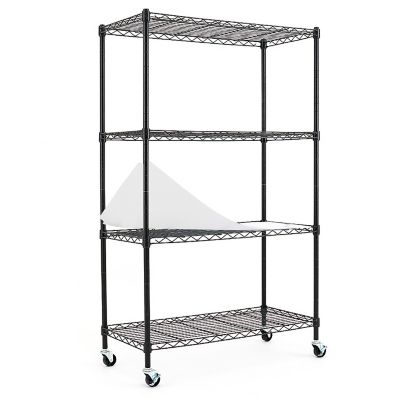
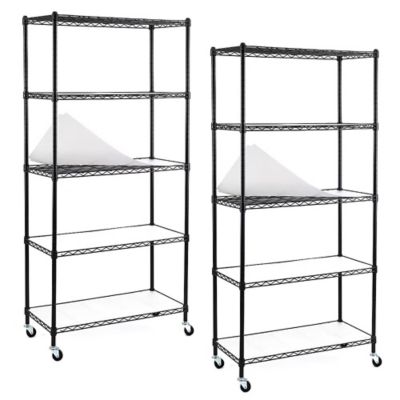
Casters for racks make it easier to move shelves, cabinets and equipment when a fixed setup needs a little more flexibility. They can be useful in a shop, barn, garage, feed room, greenhouse, office, utility room or livestock area where storage needs to shift with the work. A rolling rack can be pulled away from a wall for cleaning, turned to reach supplies from the other side or moved out of the way when larger equipment comes through. In a home workshop, casters can help roll a rack of hand tools beneath a workbench or bring stored parts closer to the job. In an office or technology space, they may help move a loaded cabinet for wiring access or routine maintenance. Audio equipment, bins, small appliances, craft supplies and seasonal decorations can all be easier to organize when the rack is not permanently planted in one spot. If a rack is being assembled for a family member, new homeowner, hobbyist or handy friend, a properly matched caster set can be a practical gift that gets put to work instead of sitting on a shelf. For sturdier storage needs, pairing mobile hardware with dependable
Steel Racks can create a setup that is ready for changing projects and busy work areas. The right casters do more than add wheels; they help make storage more useful, accessible and adaptable through the warmer part of the year and into the cooler months.
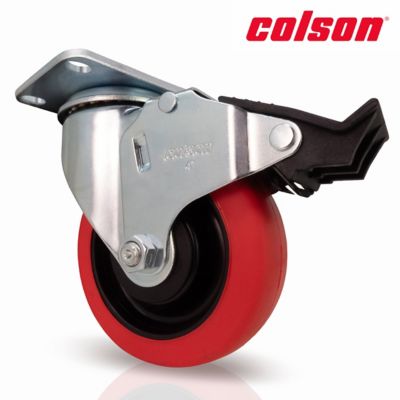
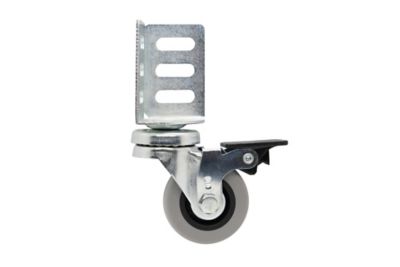
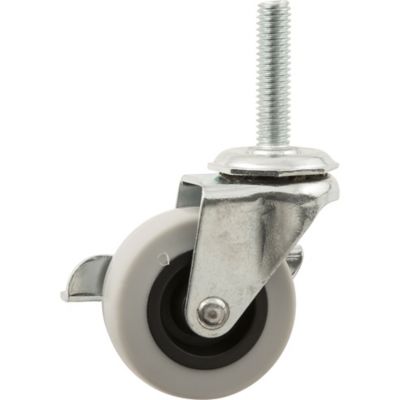
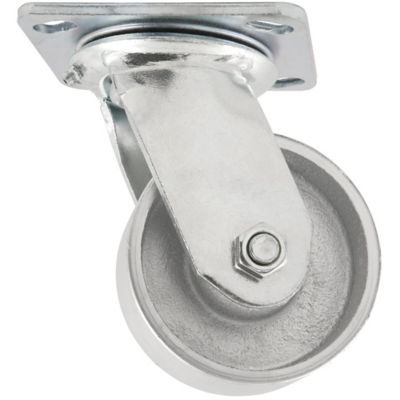
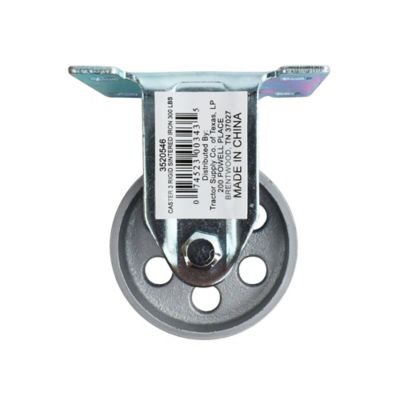
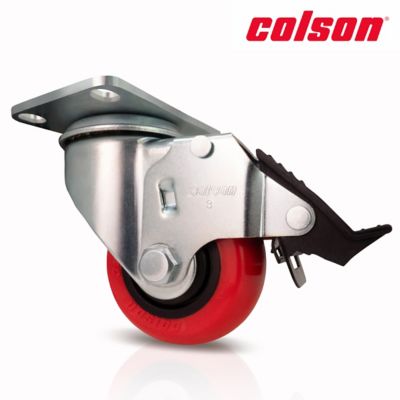
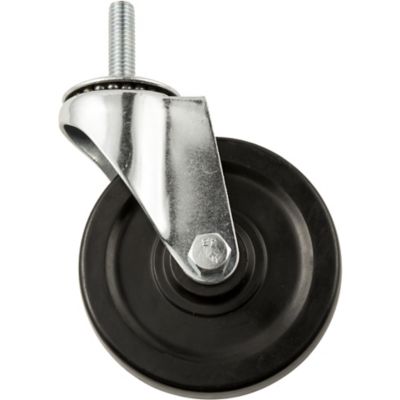
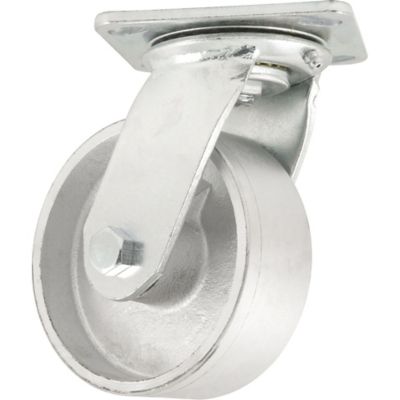
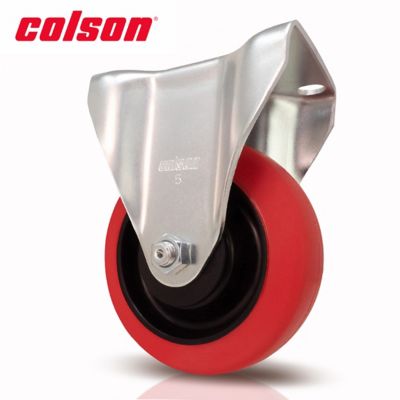
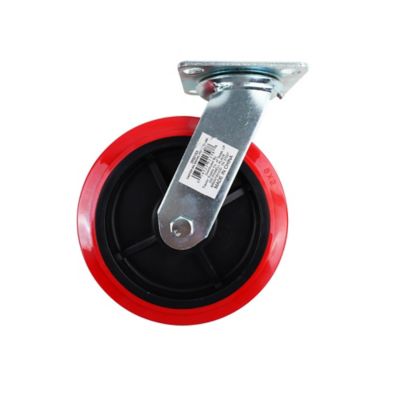
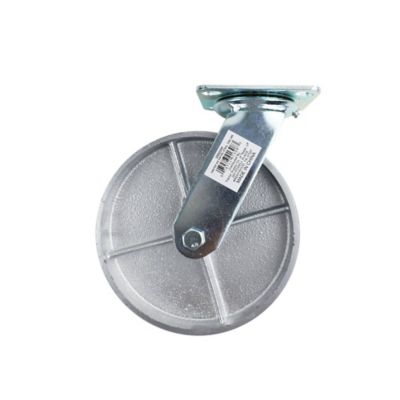
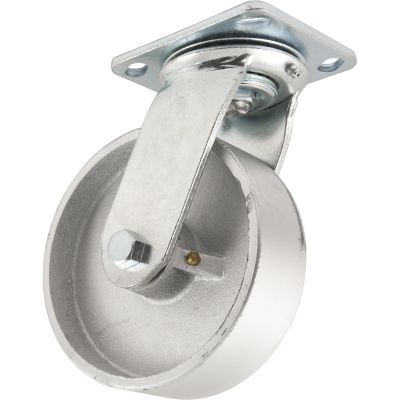
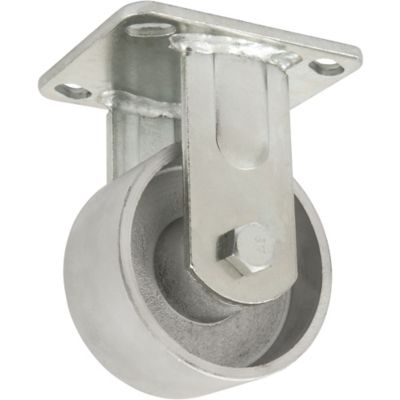
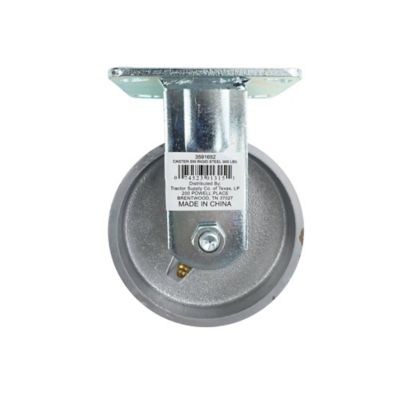
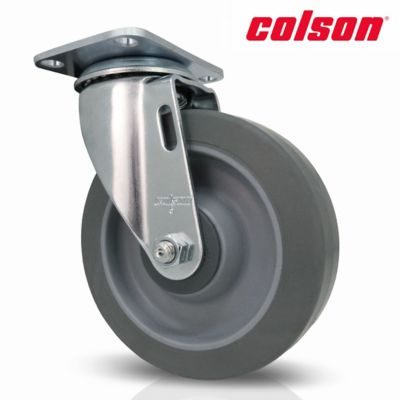
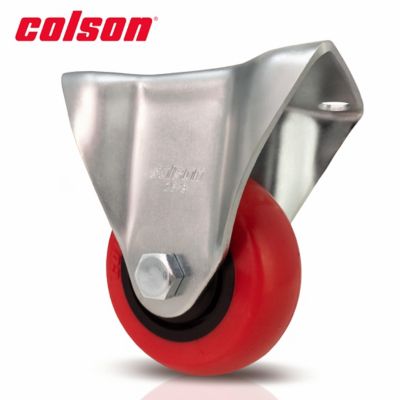
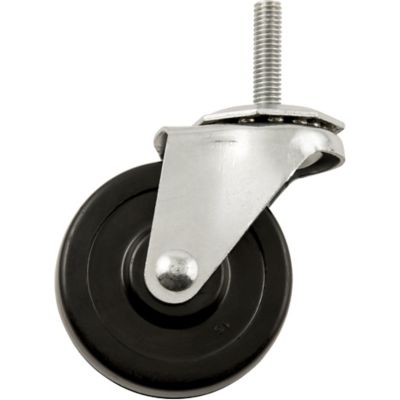
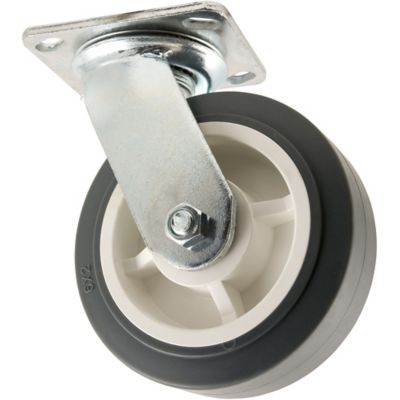
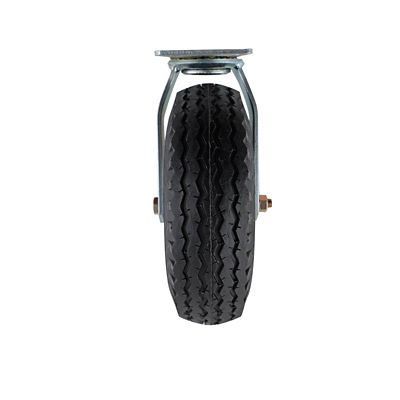
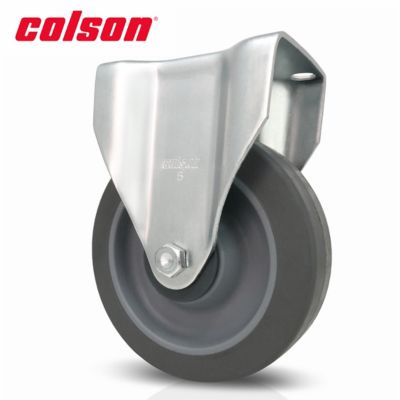
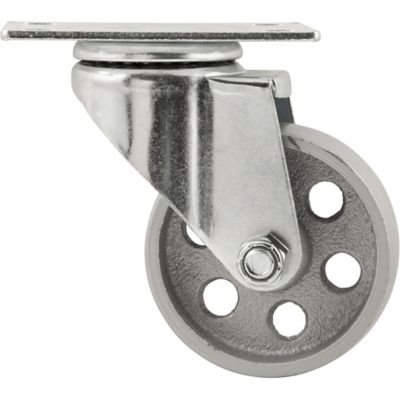
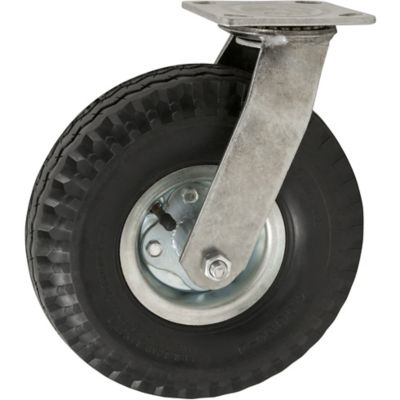
Start by matching the caster style to the rack itself. Common mounting types include threaded stems, grip-ring stems and flat plate mounts that fasten to the bottom of a rack or cabinet. A stem caster is often made for tubular legs found on wire shelving, while a plate-mounted caster may be better suited to a solid-bottom cabinet, heavy-duty shelf or industrial rack with a flat mounting surface. Some boltless or rivet-style shelving systems require a particular side-mount or bracket arrangement, so it is important to check the rack’s construction before ordering. Measure the opening, mounting plate and available clearance, and compare the fastener size and spacing with the rack frame. Caster height also matters: adding taller wheels raises the stored load, which can affect shelf reach, stability and the amount of clearance needed beneath doors or work surfaces. Think about the path the rack will travel, too. Hard wheels may roll easily across concrete or smooth shop floors, while rubber or polyurethane wheels can be a better choice where floor protection, quieter movement or a little cushioning is important. Softer wheel materials are often helpful on finished floors, painted concrete and other surfaces that can show scuffs. For rough floors, thresholds or seams between rooms, a larger wheel may pass more smoothly than a small one. Keep in mind that a caster’s rated capacity is usually given for a set of four, and the safest planning leaves room below the maximum rating. Weight can shift while a rack is moving, especially when upper shelves hold loose bins, tools or equipment, so add the weight of the rack itself, the contents and anything that may be placed on top. Rolling capacity can be lower than the stationary load rating because movement, uneven flooring and sudden stops put additional strain on the wheels and mounting points.
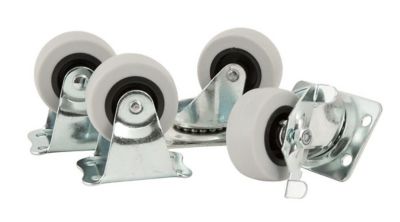
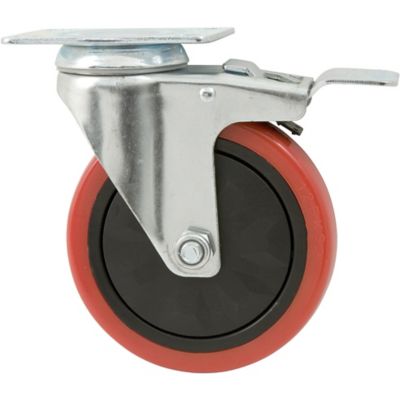
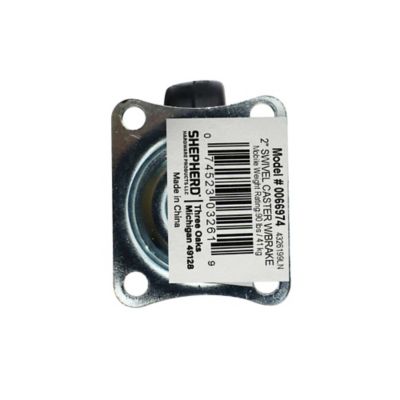
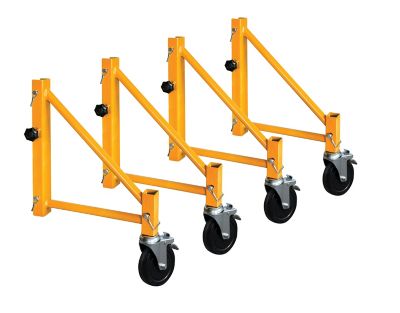
Brakes are another key part of choosing casters for racks. A set with at least two locking wheels can help keep the rack in place while loading, unloading or reaching for supplies. Swivel wheels make it easier to turn the rack in a tight shop or storage room, while a combination of swivel and fixed wheels can offer smoother control when moving a longer or heavier rack in a straight line. Lock the brakes on level ground before placing heavy items on the shelves, and avoid treating the locks as a substitute for a stable, properly loaded rack. Keep heavier items on lower shelves and lighter supplies up high to reduce the chance of tipping. Leave enough room around the rack to turn it without catching handles, cords or fencing, and take extra care on ramps, gravel, wet concrete and uneven ground. Casters made for indoor floors may not be suited to rough outdoor surfaces, muddy areas or prolonged exposure to rain, so consider where the rack will spend most of its time. In a garage or barn, dirt, bedding, feed dust and small bits of gravel can collect around wheel axles; a quick inspection and occasional cleaning can help the wheels roll as intended. Check that bolts, stems and mounting plates remain snug, and replace worn wheels or damaged hardware before a loaded rack is moved again. With the right mounting style, load rating, wheel material and braking setup, casters can turn a bulky storage unit into a dependable mobile station for tools, supplies, equipment and everyday chores.