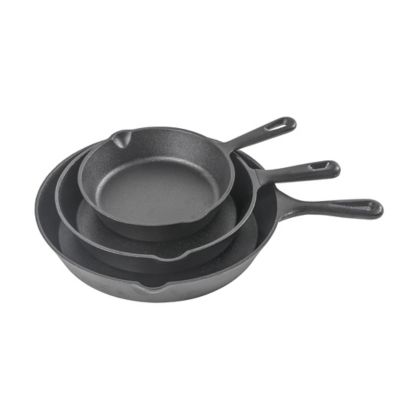
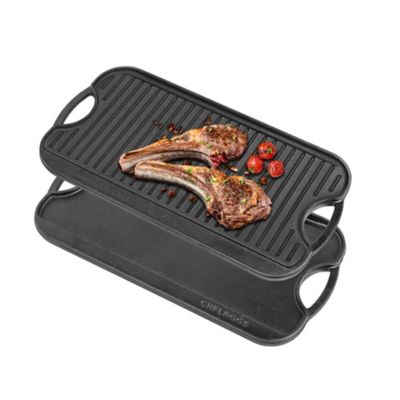
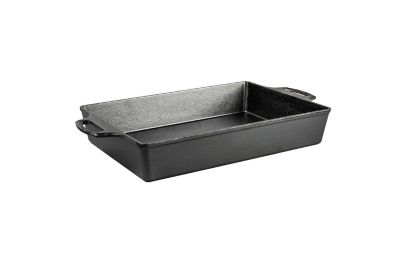
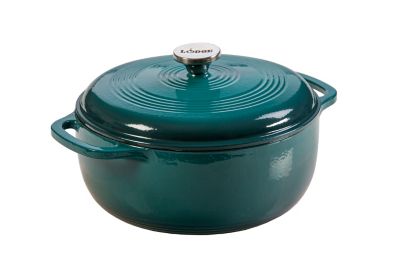
Cast iron tools bring weight, stiffness, and steady support to jobs around the kitchen, shop, and homestead. The term covers tools with cast iron bodies, such as certain clamps and cooking presses, as well as accessories made to clean and maintain cast iron cookware. Those accessories may be stainless steel, wood, natural fiber, or silicone rather than cast iron themselves, so the material description matters as much as the category name. Cast iron is an iron alloy with enough carbon to give it different properties from steel. It can be formed into substantial shapes that resist bending under their intended working loads, making it a practical choice for a rigid tool frame or a broad cooking surface. Its weight can help keep a tool settled during a task, though that same heft deserves consideration when carrying equipment across a shop or lifting a press over a skillet. In cooking, a cast iron press helps hold food against the cooking surface, improving contact for browning on sandwiches, bacon, or other foods suited to pressing. It does not automatically make heat spread evenly, and results still depend on the pan, heat source, and food thickness. At a workbench, a cast iron clamp frame supports the screw and jaws that hold material in place during suitable assembly or repair work. Woodworkers, home cooks, property owners, and folks keeping a farm shop in working order may all have a place for this broad family of tools. The best match starts with the job: holding a board steady is different from weighing down a sandwich, and neither calls for the same features as cleaning a seasoned skillet. For a gift, a tool that fits an established cooking routine or bench setup often makes more sense than something that simply looks substantial. Familiarity with the recipient’s workspace, cookware dimensions, and preferred grip can help narrow the choice without guessing at what will fit.
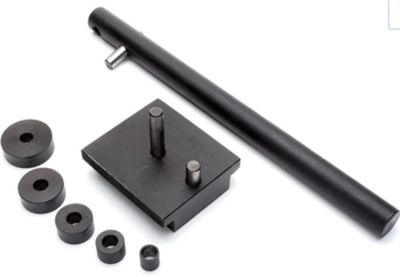
For workshop applications, cast iron tools earn their place through the relationship between the frame, working surfaces, and moving parts. A clamp’s opening determines the thickness of material it can hold, while throat depth determines how far the jaws can reach past an edge. Those measurements become especially important when a wide board, a bench apron, or an awkward repair leaves little room to position the tool. A frame may fit around the workpiece yet still lack the reach needed to put pressure where it belongs. Smooth screw travel, a handle with enough clearance to turn, and a pad that seats properly against the work all contribute to a manageable setup. On finished wood, suitable protective pads can help limit jaw marks; on metal, clean contact surfaces help keep grit from becoming part of the clamped joint. Tool weight also affects handling, particularly when one hand is supporting the work while the other positions the clamp. Material names deserve a close look because gray cast iron, ductile iron, and malleable iron do not respond to stress in the same way. Wrench bodies and other load-bearing parts may call for a different iron formulation than a cooking press, and a cast appearance alone does not establish a tool’s strength or purpose. Cast iron can crack under impact or excessive force, even when a frame feels stout in the hand. A manufacturer’s working limits matter more than the amount of leverage a longer handle might provide. Clamps intended for holding work are not lifting equipment, and extensions or hammer blows can create loads the tool was never meant to take. For ongoing care, dry storage, clean threads, and lubrication where the manufacturer recommends it help preserve smooth operation. Cracks, bent screws, damaged jaws, and loose components are reasons to take a tool out of service until its condition can be properly assessed. A sound bench setup gives these tools firm support and enough room to work without forcing the fit.
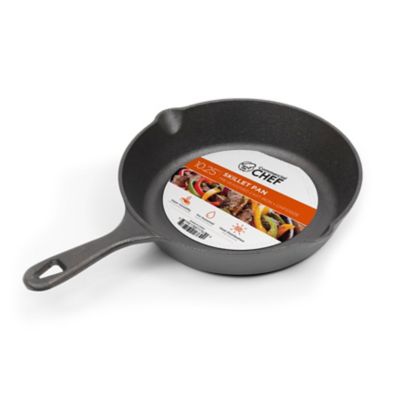
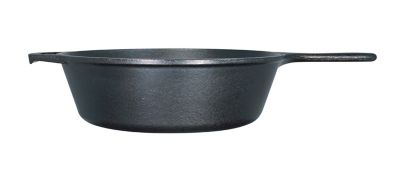
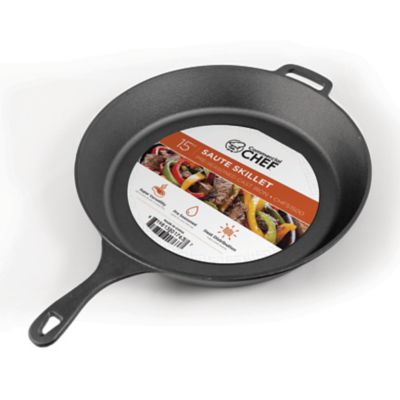
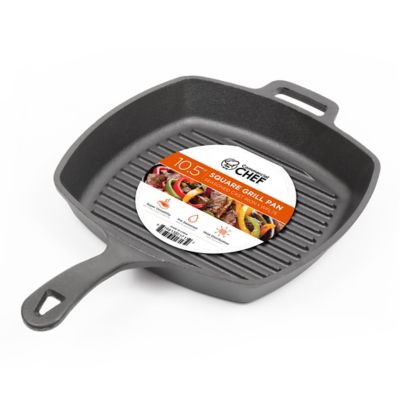
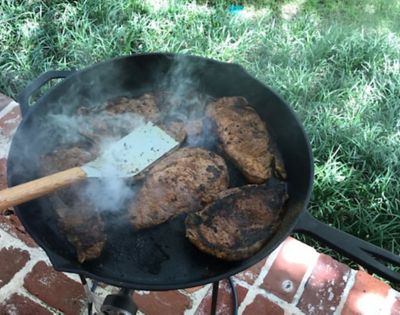
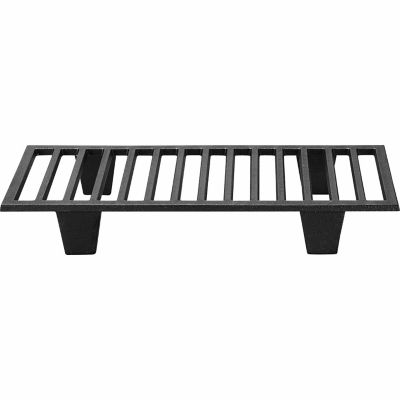
Around the kitchen, cast iron tools and care accessories serve a different purpose: helping with food contact, handling, and upkeep without harming the cooking surface. A cooking press needs a footprint that sits comfortably inside the intended pan or on the griddle, with room to lift it clear without catching the sides. Handle height and shape influence how easily it can be grasped with suitable heat protection, and handle materials affect cleaning and oven suitability. Cast iron holds heat well once heated, but handles and attached hardware can also become hot; oven compatibility should never be assumed from the iron body alone. Bare seasoned iron and enameled iron also need different treatment. Seasoning is a bonded layer of oil on bare iron, while enamel is a glasslike coating, and cleaning methods suited to one may not suit the other. Scrapers, brushes, and chain-mail scrubbers offer different levels of abrasion, making the cookware maker’s care recommendations a useful starting point. A scraper can loosen stuck-on food, while a brush reaches corners and textured surfaces; more abrasive tools require attention to the finish underneath. For bare cast iron, prompt drying and a light application of suitable cooking oil when recommended help limit rust between meals. Prolonged soaking and dishwasher cleaning generally do not suit seasoned iron, and a thick coating of oil can leave a sticky surface rather than a better protective layer. Shop lubricants and rust treatments belong away from food-contact equipment unless expressly approved for that application. Cast iron also has a place in hearth equipment, where fit and the appliance’s original design are essential. For that separate application,
Cast Iron Wood Stove Grates should be considered only for stoves designed to accept a grate and matched to the manufacturer’s requirements. Across cooking, maintenance, and workshop tasks, a well-chosen cast iron tool pairs a suitable material with the right dimensions, safe handling, and straightforward care. That combination matters more in everyday work than weight alone.