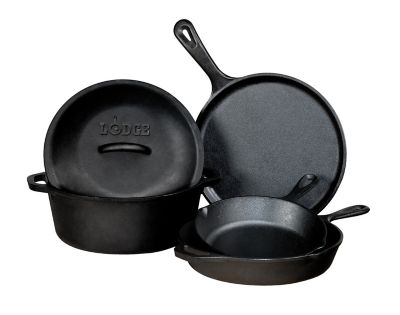
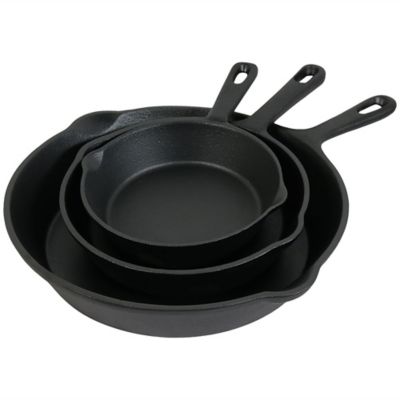
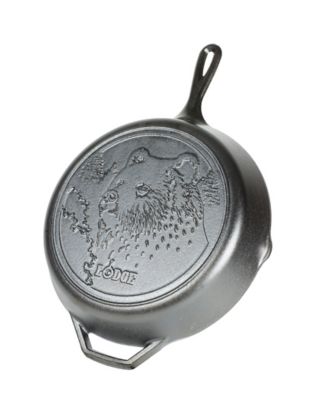
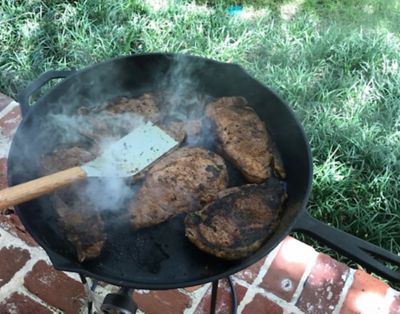
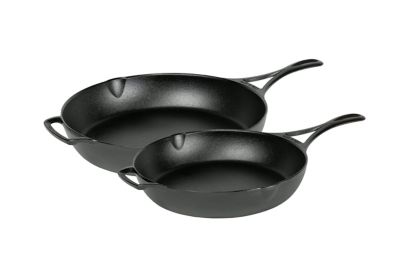
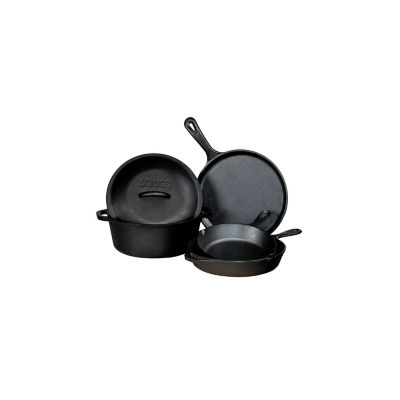
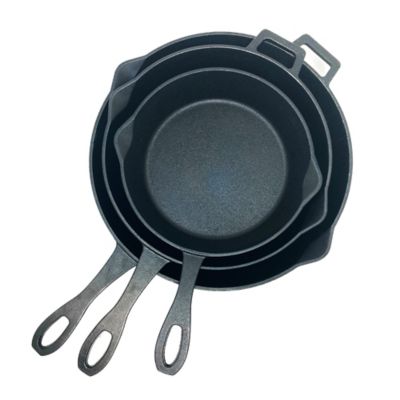
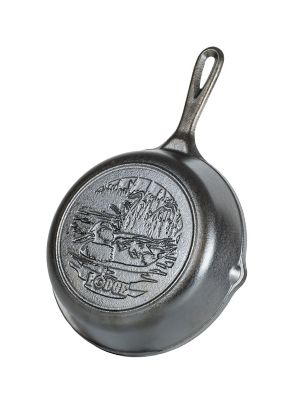
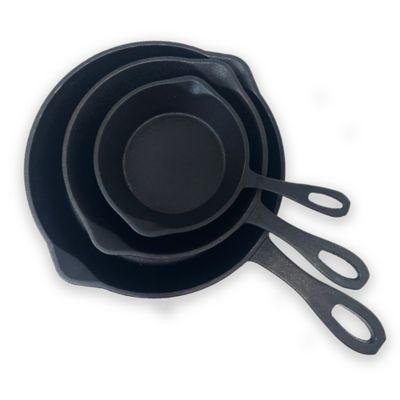
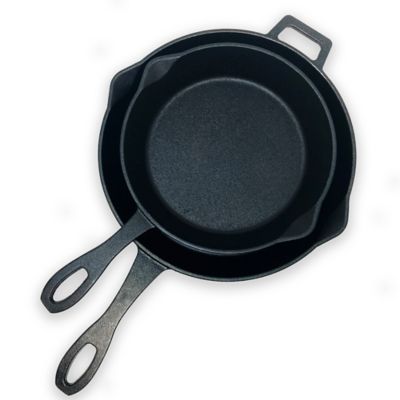
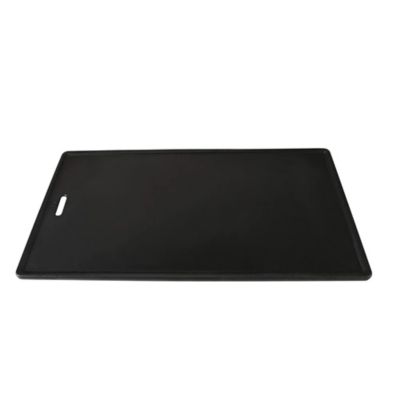
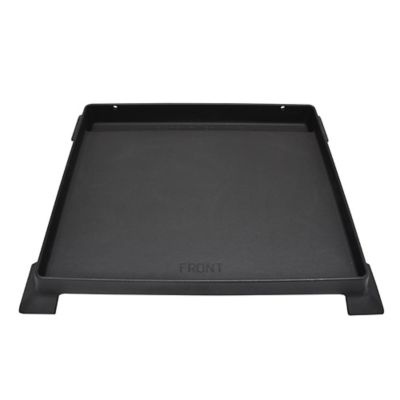
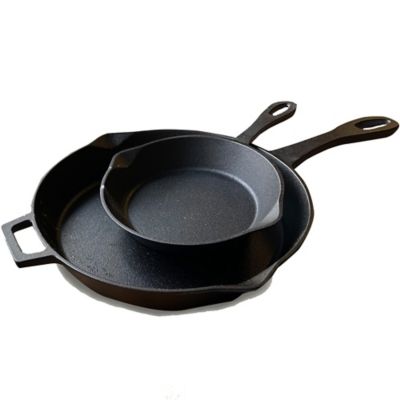
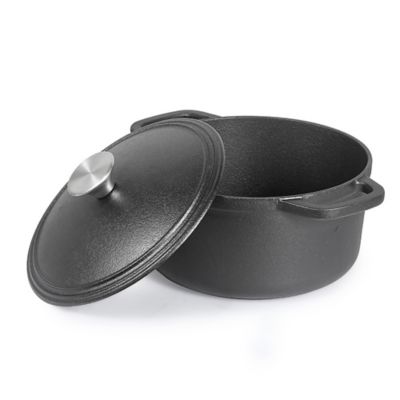
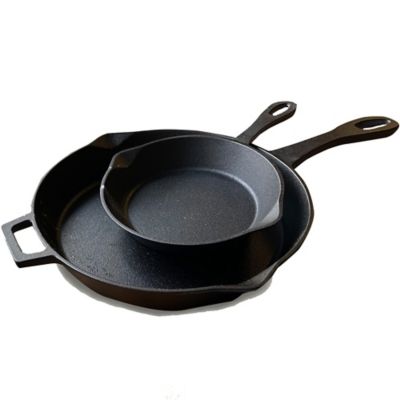
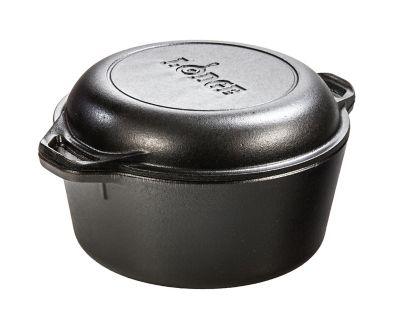
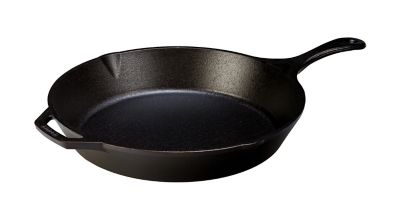
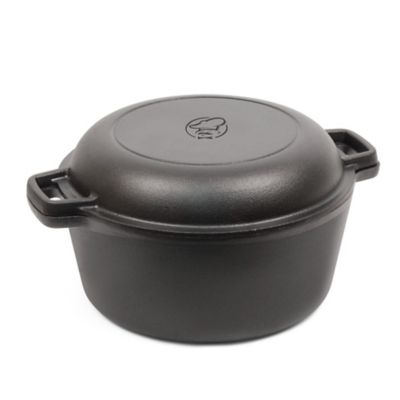
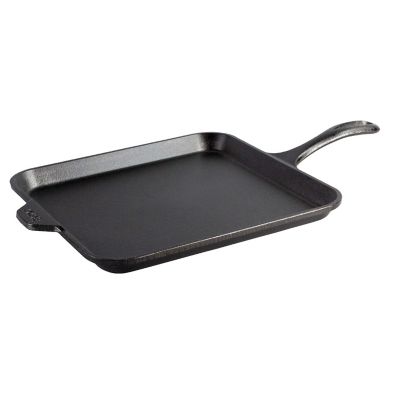
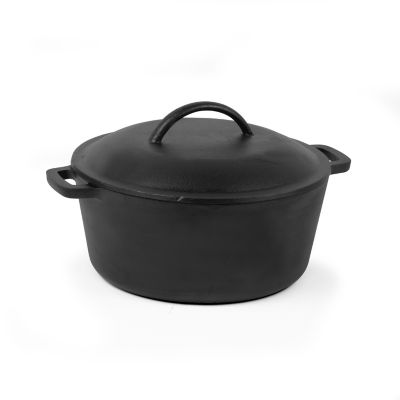
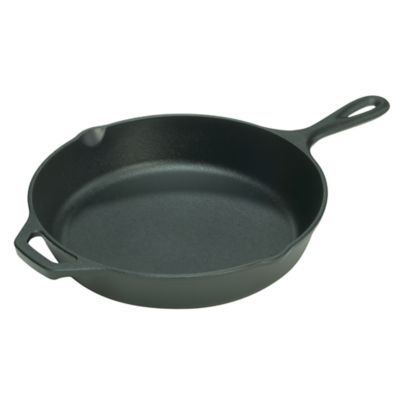
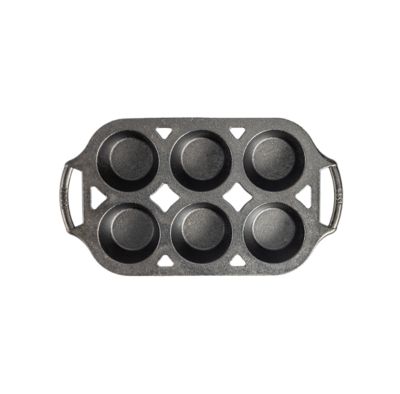
Cast iron cookware gifts bring something useful to the kitchen: substantial cookware that holds heat well and can stay in the family for years with proper care. A skillet fits the cook who likes a browned pork chop, potatoes with crisp edges or cornbread that comes out with a golden crust. A Dutch oven suits someone who makes beans, slow-braised roasts, hearty soups or bread with a crackly crust. Griddles give breakfast cooks a broad surface for pancakes and bacon, while smaller pans work well for side dishes and modest portions. The best match depends less on cooking experience than on what the person likes to put on the table. Someone settling into a first home may appreciate a versatile pan for everyday suppers, while a longtime cook may welcome a shape or capacity that fills a gap in the kitchen. Cast iron makes sense for wedding gifts, housewarming presents, birthdays and family celebrations because its usefulness extends well beyond the occasion. Traditional bare cast iron and enameled cast iron offer different experiences, even though both have the substantial feel and heat retention associated with the material. Bare cast iron develops a seasoned cooking surface from thin layers of oil bonded to the iron through heat. That surface can become easier to cook on with regular cooking and sensible upkeep, making it appealing to someone who enjoys tending a well-loved pan. Enameled cast iron has a glass-like coating that does not require seasoning and suits cooks who prefer that approach to maintenance. Its cooking surface also works well for tomato-based sauces and other acidic foods that are less suited to long simmering in bare cast iron. Either type can be a thoughtful present when it matches the recipient’s meals, kitchen setup and comfort with lifting heavier cookware. A familiar shape with several everyday uses often earns its place beside the stove faster than a specialized piece that only comes out for one recipe.
Size, shape and handling matter just as much as the material when choosing cast iron cookware gifts. A wide skillet provides room to brown meat without crowding, but its cooking surface should suit the burner beneath it. A deeper vessel contains bubbling sauces and larger cuts, while a shallow pan makes it easier to turn food with a spatula. For cooks who favor soups, beans and slow-simmered suppers,
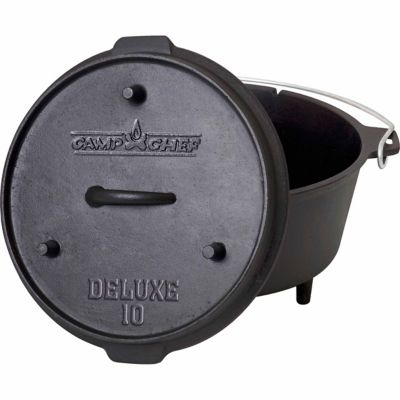
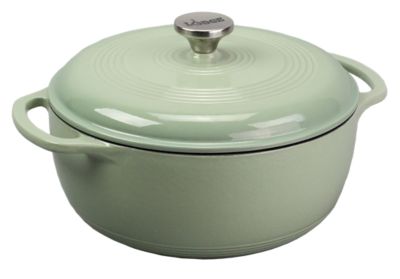
Cast Iron Cooking Pots offer the depth and capacity those meals call for. Capacity is worth considering in terms of real meals: dinner for two, a pot of chili for the family or enough pulled pork to share after a day of chores. Bigger is not always better, especially when a full pot needs to travel from the stove to the table. A helper handle can make a large skillet easier to manage, and roomy handles give oven mitts something solid to grasp. Lids add another consideration, since a close-fitting lid helps hold moisture during braising, and the knob must be suited to the intended oven temperature. Cast iron heats more slowly than lighter cookware, but once hot, it holds onto that heat as food goes in. Gradual preheating helps spread heat across the cooking surface, particularly when a pan is wider than the burner. Many cast iron pieces work on gas, electric and induction cooktops, although the cookware’s base and the appliance manufacturer’s directions still matter. On a glass cooking surface, lifting rather than sliding helps limit scratches. Oven cooking also calls for checking the heat limits of lids, knobs and removable handle covers, not just the iron body. For someone who cooks at a campsite, cookware specifically intended for open-fire cooking can be a better match than a piece intended only for the kitchen. Flat-bottomed cookware generally suits indoor burners, while feet and specialized lids can serve a different purpose around coals. Those details help a gift fit the way its recipient actually cooks.
Care accessories can round out cast iron cookware gifts without taking attention away from the cookware itself. A fitted lid, a suitable trivet, heat-resistant handle protection or cleaning tools made for the cooking surface can make everyday use more comfortable. A bare cast iron pan benefits from a simple routine: wash away food, dry it promptly and apply a very thin coat of cooking oil when needed. A little mild dish soap is fine for a sound seasoned surface; long soaking and a trip through the dishwasher are not. Drying over gentle heat can help remove lingering moisture, provided the pan is not left unattended. Thick coats of oil tend to leave a sticky finish, so a light touch matters more than adding extra. Scrapers and chainmail scrubbers intended for bare cast iron can help loosen stuck-on bits, but they are not automatically suitable for enamel. Enameled cookware generally calls for gentler cleaning tools and care around rims and edges to prevent chips. Both types benefit from avoiding abrupt temperature changes, such as putting a hot pan into cold water. Cast iron holds heat after leaving the burner, too, so a clear landing spot and a heat-safe surface are part of comfortable handling. These are worthwhile considerations for a gift recipient with limited counter space, a crowded cupboard or difficulty lifting heavy pots. Storage deserves a little thought as well: cookware should be fully dry before being put away, and a soft separator between stacked pieces can protect cooking surfaces. With that basic care, cast iron can remain part of daily meals for a long time, moving from biscuits at breakfast to skillet suppers and baked desserts. The appeal is not just its heft or its familiar look. It is the chance to give someone a useful piece of cookware that suits favorite recipes, earns a regular spot in the kitchen and may eventually carry plenty of family meal memories along with it.